
Yes, retainers can melt or warp in a car left in the sun. The interior of a car can become extremely hot, reaching temperatures far higher than the outside air, and this intense heat can damage your retainer.
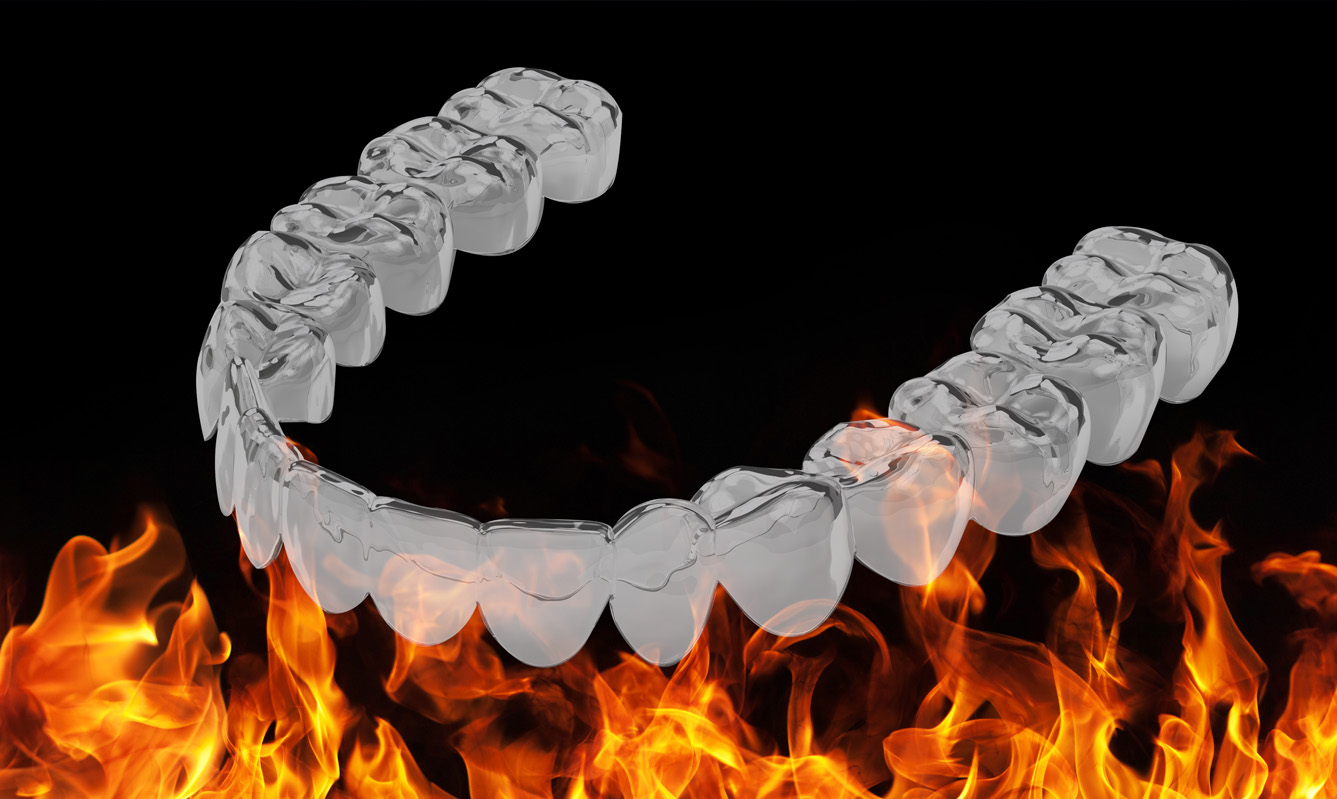
Image Source: invisiblebraces.com
The Hot Truth: Why Your Retainer Fears the Car
We all know the feeling: stepping into a car that’s been baking in the sun is like entering a sauna. But what happens when that intense heat comes into contact with your precious orthodontic device? The short answer is, it’s not good. Leaving retainers in a hot car is a recipe for disaster, leading to significant retainer heat damage.
Plastic Retainers in Car: A Delicate Balance
Most retainers, especially the clear, thermoformed type commonly used after braces, are made from plastics like PETG or EVA. These plastics have specific mouthguard melting point ranges and are sensitive to heat. When exposed to the extreme temperatures found in a car’s interior on a sunny day, these materials can soften, deform, and lose their intended shape. Think of it like leaving a plastic toy in direct sunlight for too long – it can become misshapen and unusable.
Deciphering Temperature Effects on Retainers
The science behind this is straightforward. Plastics, by their nature, are polymers. When heat is applied, the molecules within these polymers gain energy and begin to move more freely. This increased molecular motion leads to a decrease in the material’s rigidity. For a retainer, which relies on precise shaping to maintain tooth alignment, any change in form is problematic.
A car’s interior acts like a greenhouse. Sunlight streams through the windows, and the heat gets trapped inside. The dashboard, seats, and even the air itself absorb this solar radiation and re-radiate it as heat, dramatically increasing the internal temperature. This phenomenon is often cited when discussing leaving retainers in hot car scenarios. Even on a moderately warm day outside, the temperature inside a parked car can easily soar to 130°F (54°C) or higher, well within the range that can cause retainer warping in sun.
Acrylic Retainers: Heat Sensitivity Concerns
While clear retainers are perhaps more famously susceptible, even retainers made from acrylics can be affected. Acrylics, while generally more robust than the thin plastic films, are still polymers and possess a degree of acrylic retainers heat sensitivity. Prolonged exposure to high temperatures can cause them to soften, potentially leading to slight distortions. While they might not “melt” in the same way a clear retainer might warp, they can lose their precise fit and effectiveness.
The Visible Signs of Heat Damage
So, what should you look out for if you suspect your retainer has been compromised by heat?
- Warping or Distortion: This is the most common and noticeable sign. The retainer may no longer fit snugly over your teeth, or it might feel loose or have edges that don’t align properly.
- Brittleness: In some cases, extreme heat can make the plastic brittle, causing it to crack or break more easily.
- Cloudiness or Discoloration: While less common, prolonged heat exposure can sometimes alter the clarity or color of the plastic.
- Unpleasant Odor: Some plastics can release a faint odor when heated excessively.
When Your Dental Appliance Car Heat Becomes a Problem
Your retainer is a crucial part of your orthodontic treatment. Its primary function is to hold your teeth in their new, straightened positions. If it warps or loses its shape, it can no longer effectively do its job. This can lead to:
- Relapse: Your teeth can start to shift back to their original positions, undoing the hard work and expense of your orthodontic treatment.
- Discomfort: A poorly fitting retainer can cause irritation or even pain in your mouth.
- Costly Replacement: You’ll likely need to get a new retainer, which can be expensive.
Storing Your Orthodontic Device: Smart Strategies
The good news is that preventing this kind of damage is relatively simple. The key is to avoid leaving your retainer in situations where it will be exposed to high heat.
How to Protect Retainers from Heat
- Never leave your retainer in a parked car: This is the golden rule. Even for short periods, the temperature inside a car can rise rapidly.
- Use a protective case: Always store your retainer in a sturdy, breathable case. Many retainers come with cases, but if yours didn’t, invest in one. This case should not be left in the car either!
- Keep it away from direct sunlight: Avoid placing your retainer case near windows or in direct sunlight at home or in your office.
- Consider a thermal bag: For longer trips or if you anticipate being in a hot environment without immediate access to a cool place, a small insulated pouch can offer a bit of protection.
- When in doubt, take it with you: If you’re going to be out of your car for an extended period and are concerned about heat, it’s always better to take your retainer with you in a protective case and keep it with you, preferably in a cooler environment.
- Avoid hot water for cleaning: While you need to clean your retainer, never use hot water. Stick to cool or lukewarm water and a soft brush with mild soap or a retainer cleaner. Hot water can also cause retainer heat damage.
Table: Heat Exposure Risks for Different Retainer Types
| Retainer Type | Primary Material | Risk of Melting/Warping in Hot Car | Notes |
|---|---|---|---|
| Clear Thermoformed | PETG, EVA | High | Most susceptible due to thinness and plastic properties. |
| Hawley Retainer | Acrylic, Wire | Moderate | Acrylic can soften and distort, wire is unaffected. |
| Essix Retainer | PETG, similar | High | Similar to clear thermoformed retainers. |
| Vivera Retainers | Proprietary plastic | High | Often made of strong, but still heat-sensitive materials. |
Comprehending the Risks: A Deeper Dive
The mouthguard melting point is a crucial piece of information, but it’s also important to understand that “melting” isn’t always a dramatic liquefaction. For plastics used in retainers, it’s more often a process of softening and deforming. This change in shape is what renders the retainer ineffective.
Think about a marshmallow left too close to a campfire. It doesn’t instantly turn to liquid; it softens, expands, and loses its original form. Similarly, the plastic in your retainer can undergo a similar transformation, just at a lower temperature threshold.
Fathoming the Materials: What’s Inside Your Retainer?
The specific type of plastic used can influence its heat resistance.
- PETG (Polyethylene Terephthalate Glycol): This is a common material for clear retainers. It offers good clarity and strength but can soften at temperatures around 150-170°F (65-77°C). Given that car interiors can exceed these temperatures, PETG retainers are at significant risk.
- EVA (Ethylene-vinyl acetate): Sometimes used for mouthguards and retainers, EVA is known for its flexibility. Its softening point is generally lower than PETG, making it even more vulnerable to heat.
- Acrylic (Polymethyl methacrylate – PMMA): Used in Hawley retainers, acrylic is a more rigid plastic. While it won’t melt easily, it can soften and warp at higher temperatures, typically above 160°F (71°C). This softening can still lead to a loss of precise fit.
The dental appliance car heat issue is a real concern because the enclosed space of a car can magnify the effects of ambient temperature. A 75°F (24°C) day outside can easily translate to over 120°F (49°C) inside a car within an hour, and up to 160°F (71°C) or more in direct sunlight. This means that a retainer left in a car can be exposed to temperatures that are very close to, or even exceed, the softening points of the plastics they are made from.
What to Do If You Suspect Heat Damage
If you believe your retainer has been damaged by heat, here’s what you should do:
- Inspect it carefully: Check for any signs of warping, distortion, or brittleness. Try fitting it into your mouth. If it doesn’t feel right, it’s likely damaged.
- Contact your orthodontist or dentist immediately: Do not try to wear a warped retainer. It could worsen your tooth alignment or even cause damage. Your orthodontist can assess the retainer and determine if it needs to be replaced.
- Do not attempt to reshape it yourself: Trying to heat and reshape a retainer at home is dangerous and likely to cause further damage or create sharp edges that can injure your mouth.
Interpreting the Symptoms: When is it Too Late?
The key to successful orthodontic treatment with retainers is consistent and accurate wear. If your retainer has undergone significant retainer warping in sun, it’s no longer fulfilling its purpose. This is why prompt action is crucial. The longer a damaged retainer is worn, the more likely it is that teeth will begin to shift.
Avoiding Future Mishaps: Reinforcing Good Habits
The best defense against retainer heat damage is prevention. Make it a habit to always remove your retainer from your car and store it in its protective case. Educate family members or anyone else who might be handling your retainer about the risks of heat exposure. Proper orthodontic device car storage means not storing it in the car at all.
Frequently Asked Questions (FAQ)
Q1: Can my retainer melt if I leave it in the car for just an hour?
A1: Yes, it’s possible. Car interiors heat up very quickly, especially on a sunny day. Even an hour can be enough to cause heat damage, particularly to clear plastic retainers.
Q2: My retainer feels a little loose after being in the car. What should I do?
A2: A loose retainer suggests it may have warped. Do not continue to wear it. Contact your orthodontist or dentist immediately for advice.
Q3: Is it safe to clean my retainer with hot water?
A3: No, it is not safe. Hot water can cause heat damage to the retainer, leading to warping or distortion. Always use cool or lukewarm water.
Q4: What temperatures can damage a retainer?
A4: While specific temperatures vary by plastic type, most clear retainers can start to warp at temperatures above 150°F (65°C). Car interiors can easily reach and exceed this.
Q5: Can Hawley retainers (with metal wire) melt?
A5: The metal components of a Hawley retainer will not melt or warp from car heat. However, the acrylic base can soften and distort if exposed to high temperatures for extended periods.
Q6: If my retainer warps, can my orthodontist fix it?
A6: Generally, no. Once a retainer has warped due to heat, it’s usually irreversible. It will need to be replaced.
Q7: What’s the best way to store my retainer when I’m not wearing it?
A7: Store your retainer in its dedicated protective case, and keep the case in a cool, dry place away from direct sunlight or heat sources. Never leave it in a car.
Q8: My dog chewed my retainer while it was in the car. Is this covered by insurance or my orthodontic plan?
A8: Damage caused by pets or misuse is typically not covered. It’s important to keep your retainer safely stored out of reach of pets and children.
Q9: I live in a very hot climate. How can I be extra careful with my retainer?
A9: In hot climates, extra vigilance is necessary. Always take your retainer with you in its case when you leave the car. Consider using a small insulated pouch for added protection during transit. Avoid leaving it on dashboards or in direct sunlight anywhere.
Q10: What are the long-term effects of using a slightly warped retainer?
A10: Wearing a retainer that doesn’t fit properly can lead to tooth movement, undoing the results of your orthodontic treatment. It can also cause discomfort, jaw pain, or bite issues. It’s crucial to have a well-fitting retainer.
By following these guidelines and being mindful of the environmental conditions your retainer is exposed to, you can ensure its longevity and the continued success of your orthodontic treatment. Protect your smile by protecting your retainer from the heat!