
Yes, in certain situations, the police can indeed help you unlock your car, especially if you are locked out and stranded. While not their primary function, police officers are often equipped to provide assistance in emergencies, including helping you regain access to your vehicle. This service is typically reserved for situations where there is an immediate need or a potential safety concern.
Being locked out of your car is a frustrating experience. You might be in a hurry, facing bad weather, or even in an unsafe location. When you find yourself key locked in car, or stranded without car keys, your first thought might be who can help. While many people automatically think of a car lockout service or roadside assistance unlocking, it’s worth knowing that your local police department might be a viable option. This post will explore how and when police can offer vehicle unlock assistance, and what alternatives you have.
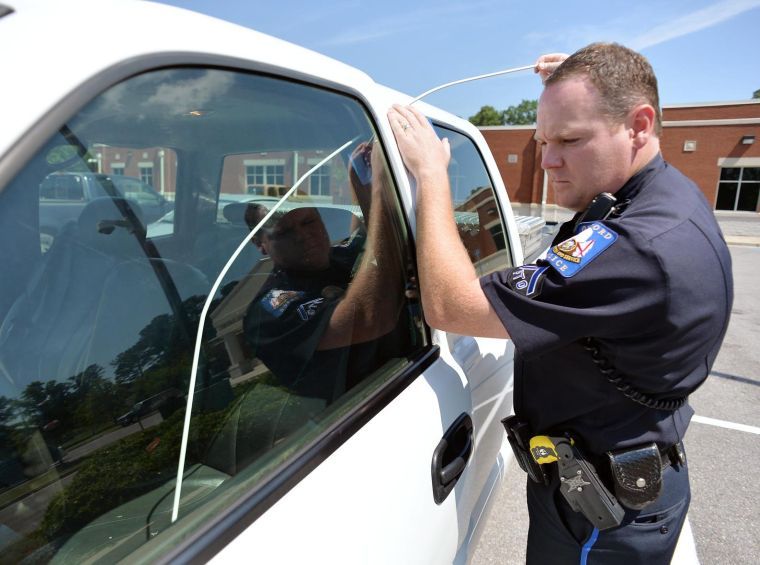
Image Source: houstonkeylocksmith.com
When Police Might Offer Assistance
Police departments are primarily focused on public safety and responding to emergencies. However, they are also part of the community and will often lend a hand when a civilian is in distress. There are specific circumstances where police officers are more likely to provide police car lockout help.
Situations Where Police Assistance is More Likely:
- Emergencies: If your car lockout is part of a larger emergency, such as a medical situation, a child or pet is locked inside, or you are in a dangerous area, the police will prioritize your safety and likely assist. They see a car lockout in these contexts as a potential threat to well-being.
- Lack of Other Options: If you are in a remote area with no cell service to call for a professional car unlock service or auto lockout service, and you cannot wait for roadside assistance unlocking, police might be your only recourse.
- Minor Children or Pets Inside: This is a critical situation. If a child or pet is locked in a vehicle, especially in warm weather, the risk of heatstroke is severe. Police officers will treat this as an immediate emergency and will act swiftly to gain emergency car entry.
- Patrolling Officers: Sometimes, a patrolling police car might encounter someone in distress. If you are visible and clearly locked out, an officer might stop to see if they can help.
It’s important to note that police are not a dedicated vehicle access assistance provider. Their ability to help depends on their availability, their department’s policies, and the specific circumstances of your lockout. They might not have the specialized tools that a dedicated car lockout service uses, but they can often open doors in simpler situations.
How to Request Police Assistance for a Car Lockout
If you find yourself in a situation where you believe police assistance is necessary, here’s how you should proceed:
- Assess the Urgency: Is this a true emergency? Are you in danger? Is a child or pet inside? If the answer is yes, call your local emergency number (like 911 in the US) immediately.
- Non-Emergency Line: If it’s not a life-threatening emergency but you still need help and have exhausted other options, you can call your local police department’s non-emergency number. You can usually find this number with a quick online search for your city or county police department.
- Explain Your Situation Clearly: When you speak to the dispatcher, explain that you are locked out of your car and provide your location. Mention if there are any vulnerable individuals (children, elderly, pets) inside or if you feel unsafe.
- Be Patient: Police departments are busy. They will respond if they can, but it might not be as immediate as a private car lockout service.
Limitations of Police Assistance
While the police can be a helpful resource, it’s crucial to understand their limitations regarding car lockouts.
- Not Their Primary Role: Their main job is to enforce laws and respond to crimes and emergencies. Unlocking cars is a secondary service, if offered at all.
- Availability: Police cruisers might be on other calls, meaning they may not be able to respond quickly, or at all.
- Tools: Police officers may not have the specialized tools required for all types of car lockouts, especially with modern vehicles that have complex locking mechanisms. They might be able to use a slim jim on older cars, but this is becoming less common.
- Liability: In some cases, departments may have policies against unlocking vehicles to avoid liability for potential damage to the car.
Alternatives to Police Assistance: Professional Services
When the police cannot help, or if your lockout isn’t an emergency, there are professional services designed to get you back into your car. These services are often faster and more reliable for standard lockouts.
Types of Professional Services:
- Dedicated Car Lockout Services: These companies specialize in unlocking vehicles. They have trained technicians and a full range of tools to handle various car models and locking systems. They are typically available 24/7. This is often the most direct professional car unlock solution.
- Roadside Assistance Programs: If you have a roadside assistance plan through your auto insurance, a membership club (like AAA), or your car manufacturer, you can often get roadside assistance unlocking as part of your benefits. This is a very common and convenient option for most people who are stranded without car keys.
- Automotive Locksmiths: Automotive locksmiths are experts in car keys and locks. They can not only unlock your car but also create replacement keys if you’ve lost yours entirely.
- Towing Companies: Some towing companies also offer lockout services.
When to Choose a Professional Service Over Police
It’s generally advisable to use a professional service for these reasons:
- Speed and Reliability: Professional services are equipped and staffed to handle lockouts quickly and efficiently.
- Expertise: They have the right tools for modern vehicles, minimizing the risk of damage.
- Availability: They are usually available 24/7, unlike police who may have other priorities.
- No Risk of Damage: A good locksmith or roadside assistance technician will use methods that don’t damage your car.
Consider these services when you are stranded without car keys and the situation is not an immediate life-threatening emergency.
Comparing Police vs. Professional Services
| Feature | Police Assistance | Professional Car Lockout Service |
|---|---|---|
| Primary Function | Public safety, crime response | Vehicle access, key services |
| Availability | Dependent on other calls and department policies | Typically 24/7 |
| Response Time | Can vary greatly, often longer | Usually prompt, especially for emergencies |
| Cost | Usually free (as a public service) | Varies, usually a fee based on service and time |
| Tools & Expertise | Limited, may not be equipped for all vehicles | Specialized tools and trained technicians |
| Damage Risk | Potentially higher with improvised methods | Lower with proper tools and training |
| Best For | True emergencies, children/pets locked inside | Standard lockouts, convenience, speed, and reliability |
Understanding the Process of Unlocking Your Car
When a professional service or even a police officer attempts to unlock your car, they generally use one of a few methods.
Common Unlocking Methods:
- Slim Jim: This is a long, thin piece of metal with a hook or loop at the end. It’s inserted between the window and the door frame to manipulate the internal locking mechanism. This is more effective on older vehicles with simpler locking systems.
- Wedge and Rod: A common method involves inserting an inflatable wedge or a plastic wedge between the top of the door and the frame to create a small gap. Then, a long, thin rod is inserted through this gap to push the unlock button or pull the door handle.
- Key Retrieval Tools: For lockouts where the key is visible through the window (e.g., on the seat), specialized tools can be used to reach through a slightly opened window or a small gap to grab the key.
- Lock Picking: While less common for simple car lockouts by police, trained locksmiths can pick the car’s lock. This is a precise skill that requires specialized tools and knowledge of lock mechanisms.
What to Do While Waiting for Help
Whether you’re waiting for the police or a car lockout service, it’s important to stay safe and manage the situation.
Tips for Waiting:
- Stay Safe: If you are on a busy road, move to a safe location if possible, like the shoulder or a nearby parking lot. Stay aware of your surroundings.
- Inform Someone: Let a friend or family member know your situation and your location.
- Conserve Phone Battery: If you need your phone for communication or to call for assistance, conserve its battery.
- Prepare Information: Have your vehicle’s make, model, and year ready, as well as your exact location. If you’re calling a professional service, be prepared to provide your membership number if you have one.
- Be Polite and Patient: When dealing with any service provider, politeness goes a long way.
The Importance of Prevention
The best way to deal with a car lockout is to avoid it altogether. Here are some preventive measures.
Preventing Lockouts:
- Spares Keys: Keep a spare key in a secure and accessible place, like at home or with a trusted friend or family member. Some people even keep a magnetic spare key box on their car, though this can be a security risk if not placed discreetly.
- Keyless Entry Fobs: Be mindful of your key fob’s battery life. If it starts acting erratically, replace the battery. Many modern cars also have a physical key hidden within the fob for such situations.
- Regular Maintenance: Ensure your car’s locking mechanisms are functioning correctly.
- Check Before Exiting: Make it a habit to double-check that you have your keys before closing the car door, especially if you have children or pets who might accidentally lock them in.
When Police Might Refuse Assistance
It’s important to be realistic about when police assistance is unlikely.
Reasons Police Might Decline:
- Non-Emergency: If it’s a routine lockout with no immediate danger, police might direct you to call a professional service.
- Department Policy: Some police departments simply do not offer this service due to policy, liability concerns, or a lack of resources.
- Traffic Congestion: If the location of your lockout is causing significant traffic problems, they might prioritize clearing the roadway over unlocking your car.
- Damage Concerns: If they believe attempting to unlock the car without proper tools could cause significant damage, they might refuse.
Final Thoughts on Police Car Lockout Help
Yes, police can help you unlock your car, but it’s not guaranteed and is usually reserved for emergencies or situations where no other options are available. For everyday lockouts, a professional car unlock service, roadside assistance unlocking, or an automotive locksmith is usually the best course of action. They offer speed, expertise, and reliability, ensuring you can get back on the road with minimal fuss and no damage to your vehicle. Knowing your options can save you time and stress when you find yourself stranded without car keys.
Frequently Asked Questions (FAQ)
Q1: Can police always unlock my car if my keys are locked inside?
A1: No, police assistance is not guaranteed. They prioritize emergencies and public safety. If there is no immediate threat, they may suggest you call a professional car lockout service or roadside assistance unlocking.
Q2: What is the fastest way to get my car unlocked?
A2: The fastest way is usually to call a local professional car unlock service or your roadside assistance provider. They specialize in vehicle access assistance and have the tools for quick entry.
Q3: Is police car lockout help free?
A3: Generally, yes. Police assistance, when provided, is considered a public service and is typically free of charge. However, this can vary by department.
Q4: What should I do if I lose my car keys?
A4: If you’ve lost your car keys, you’ll need an auto lockout service or an automotive locksmith. They can help you gain emergency car entry and often create a new key on the spot.
Q5: Will the police damage my car trying to unlock it?
A5: While police officers may have basic tools, they may not have specialized equipment for all vehicles. There is a higher risk of minor damage compared to a professional locksmith, especially with modern cars.
Q6: What information do I need to provide when calling for car lockout help?
A6: You’ll typically need your location, the make, model, and year of your car, and a description of the problem (e.g., key locked in car, lost keys). If you have roadside assistance, you’ll also need your membership details.
Q7: Are there services that offer roadside assistance unlocking 24/7?
A7: Yes, many roadside assistance unlocking services, including major auto clubs and independent car lockout service providers, operate 24/7 to help you when you are stranded without car keys.