
Yes, passengers can legally drink alcohol in a car in New Jersey, provided the vehicle is legally parked and not in operation. This straightforward answer, however, opens the door to a complex web of laws governing alcohol consumption and vehicles in the Garden State. Many people wonder about the specifics of passenger alcohol laws NJ, and it’s crucial to understand these regulations to avoid legal trouble, especially when it comes to NJ DUI laws and New Jersey open container laws.
This article will delve deep into the nuances of consuming alcohol in vehicle NJ, clarifying what is permissible and what is strictly forbidden. We’ll explore the implications for both drivers and passengers, touching upon driving under influence NJ, BAC limits New Jersey, and the serious consequences of drinking and driving in a car NJ, including potential DWI penalties New Jersey. We will also cover impaired driving laws NJ and the rules surrounding transporting alcohol in car NJ.
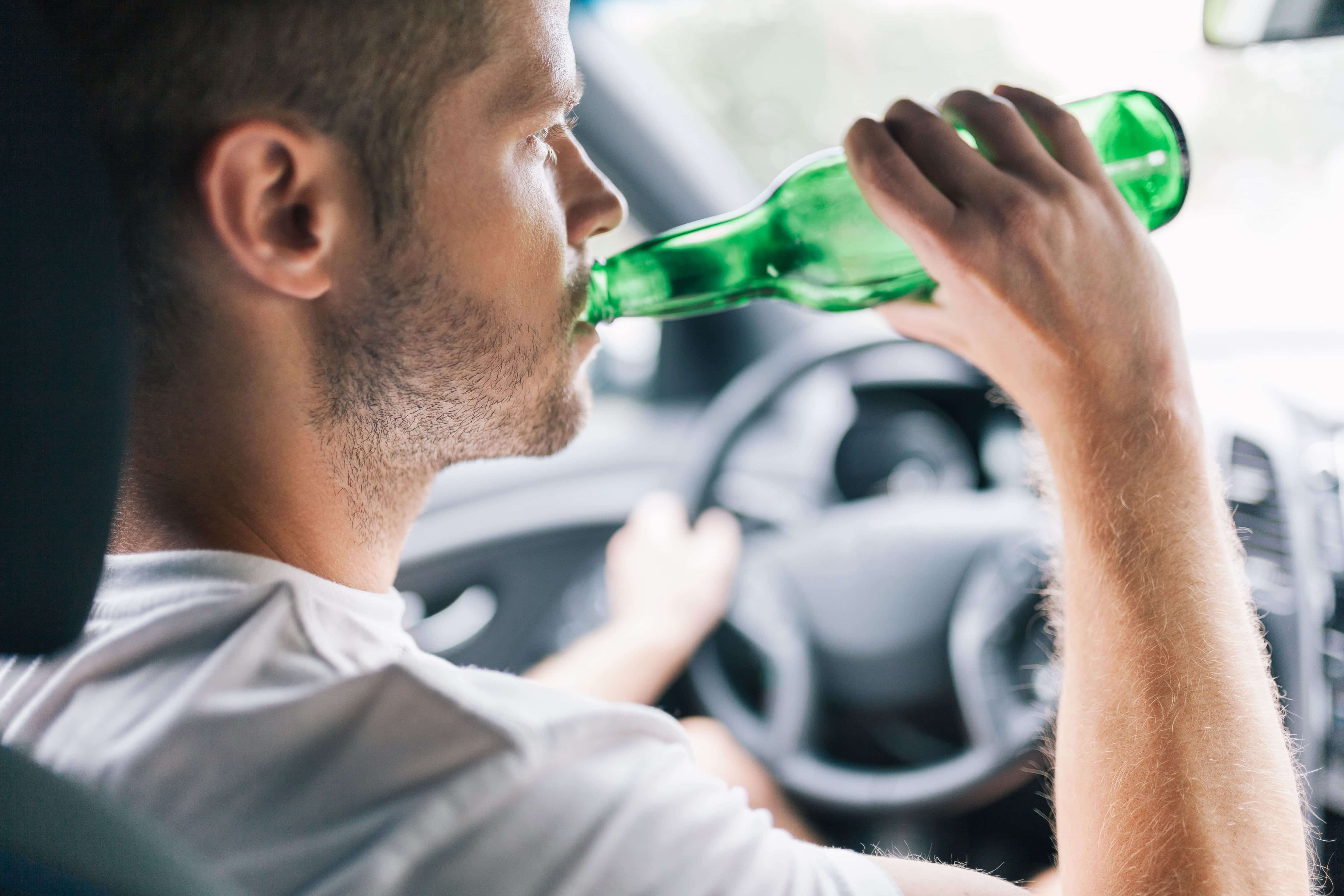
Image Source: traffictickets.com
The Core Regulation: Open Container Laws in New Jersey
New Jersey’s approach to alcohol in vehicles is primarily governed by its New Jersey open container laws. These laws are designed to prevent drivers from consuming alcohol while operating a vehicle and to limit the accessibility of open alcoholic beverages within the passenger compartment.
What Constitutes an “Open Container”?
In New Jersey, an “open container” refers to any bottle, can, or other receptacle that has been opened, has a broken seal, or has had a portion of its contents removed. This includes:
- Opened bottles of wine, spirits, or beer.
- Cans of beer or hard seltzers with the tab pulled.
- Any container from which alcohol has been consumed.
It’s important to note that the container does not need to be empty to be considered an open container.
Where Can Open Containers Be?
Under New Jersey open container laws, it is illegal for any person to consume alcohol in vehicle NJ or to have an open container of alcohol in the passenger compartment of any motor vehicle, whether it is moving or parked on a public highway. The key distinction here is the “passenger compartment.”
The Passenger’s Privilege: When is it Legal for Passengers to Drink?
This is where the initial “yes” comes into play. Passengers can legally drink alcohol in a car in New Jersey only if the vehicle is legally parked and not being operated. The critical factor is that the vehicle must not be in motion, and the driver must not be under the influence.
Crucially, the driver of the vehicle must never consume alcohol while the vehicle is in operation, even if they are not the one drinking.
Exemptions to the Open Container Law
While the general rule is strict, there are a few key exemptions that allow for the possession of open containers of alcohol in vehicles under specific circumstances:
- Passenger Vehicles with a Driver Who is Not Consuming Alcohol: Passengers are permitted to consume alcohol and possess open containers in the passenger area of a motor vehicle if the driver is not consuming alcohol and the vehicle is in motion, provided that the container is in the possession of a passenger and is not readily accessible to the driver. However, this is a very fine line and can easily lead to misunderstandings.
- Vehicles for Hire: This exemption typically applies to limousines, taxis, and ride-sharing vehicles that are operated by a licensed driver. Passengers in these vehicles are generally permitted to consume alcohol.
- Recreational Vehicles and Campers: Motor homes and campers that are equipped with sleeping and cooking facilities are often exempt from certain provisions of the open container law, allowing for consumption within the living quarters when the vehicle is parked.
- Transporting Alcohol: While it’s illegal to have an open container that has been consumed from in the passenger compartment, it is legal to transport unopened alcoholic beverages in the trunk of a vehicle or, if there is no trunk, in a locked glove compartment or in an area of the vehicle not normally occupied by the driver or passengers. This clarifies rules around transporting alcohol in car NJ.
It is vital to emphasize that the driver’s ability to operate the vehicle safely must never be compromised.
The Driver’s Responsibility: Zero Tolerance for Impaired Driving
The NJ DUI laws are exceptionally strict, and the primary focus is always on ensuring the safety of everyone on the road. The laws are designed to prevent driving under influence NJ.
What is Driving Under the Influence (DUI) in New Jersey?
In New Jersey, driving under the influence (DUI) or driving while intoxicated (DWI) is a serious offense. It is illegal to operate a motor vehicle if your blood alcohol concentration (BAC) is 0.08% or higher. However, even if your BAC is below 0.08%, you can still be charged with DWI if your ability to operate the vehicle is impaired by alcohol or drugs. This is a core aspect of impaired driving laws NJ.
BAC Limits New Jersey
New Jersey has specific BAC limits New Jersey:
- For drivers 21 years of age and older: The legal limit is 0.08%.
- For drivers under 21 years of age: New Jersey has a “zero tolerance” policy. If a driver under 21 has any detectable amount of alcohol in their system (BAC of 0.01% or higher), they can face penalties for DUI.
It’s crucial to remember that alcohol affects individuals differently. Factors like body weight, metabolism, food intake, and even hydration can influence how quickly alcohol is absorbed into the bloodstream. Therefore, relying on a specific number of drinks to gauge impairment is risky and not advisable.
Consequences of Drinking and Driving in a Car NJ
The penalties for drinking and driving in a car NJ (DWI/DUI) in New Jersey are severe and escalate with subsequent offenses. These penalties are designed to deter drivers from risking the safety of themselves and others.
First Offense DWI Penalties New Jersey
- Jail Time: Between 12 to 48 hours in the county jail.
- License Suspension: Loss of driving privileges for 3 to 12 months.
- Fines: Ranging from $250 to $400, plus additional fees and surcharges.
- Intoxicated Driver Resource Center (IDRC): Mandatory attendance for 12 to 48 hours.
- Ignition Interlock Device: Installation of an ignition interlock device for a period of 3 to 12 months.
- Community Service: May be ordered in lieu of jail time.
Second Offense DWI Penalties New Jersey
- Jail Time: 48 hours to 90 days.
- License Suspension: Loss of driving privileges for 2 years.
- Fines: Ranging from $500 to $1,000, plus fees and surcharges.
- IDRC: Mandatory attendance for 48 hours.
- Ignition Interlock Device: Installation for 2 to 3 years.
Third Offense DWI Penalties New Jersey
- Jail Time: 90 days to 6 months.
- License Suspension: Loss of driving privileges for 10 years.
- Fines: Ranging from $1,000 to $1,500, plus fees and surcharges.
- IDRC: Mandatory attendance for 48 hours.
- Ignition Interlock Device: Installation for 7 to 9 years.
These are just the basic penalties; additional consequences can include increased insurance premiums, a criminal record, and potential job loss.
Passenger Rights and Responsibilities in New Jersey
While passengers have more leeway regarding alcohol consumption than drivers, they are not entirely absolved of responsibility.
Passenger Alcohol Laws NJ: What Passengers Should Know
- No Encouragement of Driver Impairment: Passengers should never encourage or pressure the driver to consume alcohol.
- Responsible Consumption: Even when it is legal to drink as a passenger, responsible consumption is always advised.
- Avoiding Assistance to the Driver: Passengers should not assist the driver in consuming alcohol or in any activity that could impair the driver’s ability to operate the vehicle safely.
The Myth of “Drinking in a Parked Car”
A common misconception is that drinking in a parked car is always permissible. While it’s true that consumption is allowed when the vehicle is legally parked and the engine is off, driving the vehicle in any capacity after alcohol consumption, even a short distance, can lead to a DWI charge. NJ DUI laws are very clear about operating a vehicle while impaired.
Navigating the Rules for Transporting Alcohol in Car NJ
Properly handling alcohol when it’s in your vehicle is essential.
Transporting Alcohol in Car NJ: Best Practices
- Unopened Containers: Unopened alcoholic beverages can be transported in the passenger compartment of a vehicle.
- Sealed Containers: As long as the seal remains unbroken, it is generally permissible.
- The Trunk is Safest: For peace of mind, it is often best to store alcoholic beverages in the trunk of your vehicle, especially if the containers are not perfectly sealed or if there’s any doubt. This avoids any potential misinterpretation of New Jersey open container laws.
- No Consumption by Driver: Regardless of where the alcohol is stored, the driver must never consume it while the vehicle is in operation.
Deciphering Impaired Driving Laws NJ
Impaired driving laws NJ are comprehensive and extend beyond just alcohol. They encompass any substance that can affect a driver’s ability to operate a vehicle safely.
Beyond Alcohol: Other Impairing Substances
It’s crucial to remember that driving under the influence is not limited to alcohol. Prescription medications, over-the-counter drugs, and illegal substances can all impair driving ability. New Jersey’s laws strictly prohibit operating a vehicle while under the influence of any substance that impairs judgment, coordination, or reaction time.
The Importance of a Sober Driver
The safest approach to any situation involving alcohol is to designate a sober driver or utilize alternative transportation, such as ride-sharing services or taxis. This ensures compliance with NJ DUI laws and protects everyone on the road.
Summary of Key Rules for Passengers and Drivers
To reiterate the core principles related to consuming alcohol in vehicle NJ:
Passenger Rules:
- Legal to drink if the vehicle is legally parked and not in operation.
- Driver must not be under the influence.
- Open containers are allowed in the passenger compartment if the driver is not consuming and the vehicle is in motion, as long as it’s not readily accessible to the driver (this is a very risky interpretation, best to avoid).
- Exemptions exist for limos, taxis, and campers.
Driver Rules:
- Absolutely NO drinking while operating a vehicle.
- Never drive if your BAC is 0.08% or higher.
- Never drive if your ability to operate the vehicle is impaired by alcohol or any other substance.
- Be aware of zero-tolerance laws for drivers under 21.
Frequently Asked Questions (FAQ)
Q1: Can passengers drink alcohol in a car in New Jersey if the car is parked?
A1: Yes, passengers can legally drink alcohol in a car in New Jersey if the vehicle is legally parked and not in operation, and the driver is not under the influence.
Q2: What are the BAC limits New Jersey for drivers?
A2: For drivers 21 and older, the BAC limit is 0.08%. For drivers under 21, New Jersey has a zero-tolerance policy, meaning any detectable amount of alcohol (0.01% BAC) can lead to penalties.
Q3: Is it illegal for a passenger to have an open beer can in the car in New Jersey?
A3: It is generally illegal for a passenger to have an open container of alcohol in the passenger compartment of a moving vehicle in New Jersey, especially if it is readily accessible to the driver. It’s safest to keep open containers in areas not accessible to the driver or to store all alcoholic beverages in the trunk when the vehicle is in motion.
Q4: What happens if a passenger is drinking and the driver gets a DWI?
A4: The passenger’s drinking is generally not the cause for the driver’s DWI. The driver is responsible for not driving under the influence. However, if a passenger provides alcohol to a minor or encourages the driver to drive while intoxicated, they could face separate charges.
Q5: Can I transport alcohol in the passenger compartment of my car in New Jersey if it’s sealed?
A5: Yes, sealed and unopened alcoholic beverages are generally permitted in the passenger compartment of a vehicle in New Jersey.
Q6: What are the penalties for a first-offense DWI in New Jersey?
A6: Penalties for a first-offense DWI in New Jersey include jail time (12-48 hours), license suspension (3-12 months), fines ($250-$400), mandatory attendance at the Intoxicated Driver Resource Center, and potentially an ignition interlock device.
Q7: Does New Jersey have open container laws?
A7: Yes, New Jersey has strict New Jersey open container laws that prohibit the consumption of alcohol and the possession of open containers of alcohol in the passenger compartment of a motor vehicle.
Q8: Can I drink alcohol in a limousine in New Jersey?
A8: Generally, yes. Passengers in limousines, taxis, and other vehicles for hire operated by a licensed driver are typically exempt from the open container laws, allowing for alcohol consumption.
Q9: What if the driver is sober, but a passenger is drinking?
A9: If the driver is sober and not impaired, and the vehicle is legally parked, the passenger can drink. However, if the vehicle is in motion, the presence of open containers in the passenger compartment, even if only the passenger is drinking, can be a violation of New Jersey open container laws. The key is that the driver’s ability to operate the vehicle must never be compromised, and the driver must not consume any alcohol.
Q10: How do impaired driving laws NJ address marijuana or other drugs?
A10: Impaired driving laws NJ cover not only alcohol but also any prescription, over-the-counter, or illegal drug that impairs a driver’s ability to operate a vehicle safely. Driving under the influence of any intoxicating substance is strictly prohibited.
By staying informed about passenger alcohol laws NJ and the stringent NJ DUI laws, both drivers and passengers can ensure a safe and legal experience on New Jersey roadways. The emphasis always remains on responsible behavior and the paramount importance of not driving while impaired.