
Yes, you can wash your car after tinting, but only after a specific waiting period and with particular care to ensure the longevity and quality of your new window film.
Tinting your car windows is a fantastic way to enhance its appearance, improve comfort by blocking heat and UV rays, and add a layer of privacy. However, a crucial aspect of maintaining that fresh tint is knowing how to properly care for it, especially when it comes to washing your vehicle. Many car owners wonder, “Can I wash my car after tint?” The straightforward answer is yes, but timing and technique are paramount. Let’s dive deep into everything you need to know about washing your car after tinting.
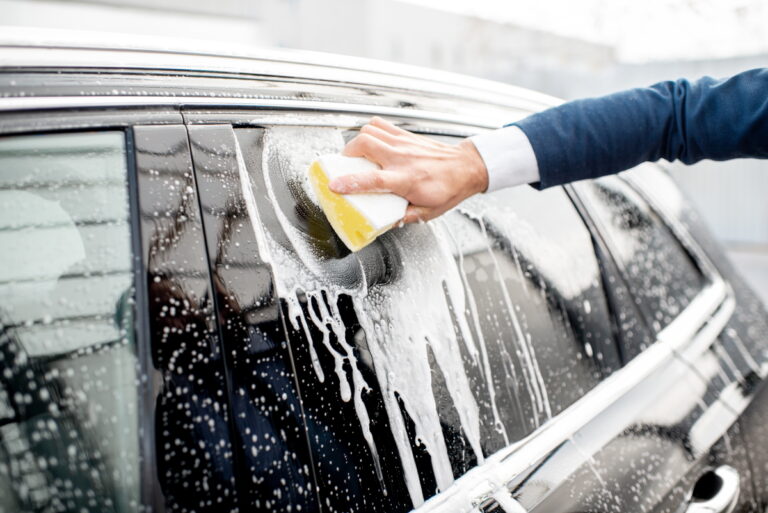
Image Source: qualityautoglasstint.com
The Critical Waiting Period
The most important factor when it comes to a car wash after tint is the curing time. Window tint film is applied wet, and it needs time to fully bond to the glass. During this period, the adhesive is still setting, and the film is drying out from the inside.
Why the Wait?
- Adhesive Setting: The film’s adhesive is a water-based solution. While it sticks immediately, the microscopic water molecules trapped between the film and the glass must evaporate completely for the bond to become permanent. If you wash your car too soon, you risk disturbing this delicate drying process.
- Bubbles and Peeling: Aggressive washing, especially using high-pressure water or harsh scrubbing, can force water back under the edges of the film before it’s fully set. This can lead to unsightly bubbles, peeling, or lifting of the tint, compromising its appearance and effectiveness.
- Scratch Potential: Newly applied tint can be more susceptible to scratching. While the film itself is designed to be durable, the initial curing phase is when it’s most vulnerable to surface damage.
How Long is the Waiting Period?
The standard recommendation for waiting before washing your car after tinting is 24 to 72 hours. However, it’s best to consult with your professional tint installer. They know the specific type of film used and the conditions under which it was applied. Some high-quality films or specific application methods might require a slightly longer curing period, while others might be ready sooner. Always err on the side of caution and ask your installer.
The Art of the Tinting Car Wash: Safe Practices
Once the waiting period has passed, you can safely wash your car. However, this doesn’t mean you can treat your tinted windows like any other part of your car. A tinting car wash requires specific gentle techniques.
What to Do: The Recommended Approach
- Gentle Soap and Water: Use a mild, pH-neutral car wash soap diluted in plenty of clean water. A bucket with a grit guard is highly recommended to prevent dirt from scratching the film.
- Soft Wash Mitts: Opt for microfiber wash mitts or soft sponges. Avoid abrasive materials like steel wool, scouring pads, or rough brushes that can scratch or damage the tint.
- Two-Bucket Method: This is a fundamental car washing technique that is especially important for tinted windows. One bucket contains your soapy water, and the other contains clean rinse water. After washing a section of your car, rinse your mitt thoroughly in the clean water before dipping it back into the soapy water. This prevents transferring dirt and grit back onto the paint and windows, minimizing the risk of scratches on your tint.
- Thorough Rinsing: Rinse your car thoroughly with a gentle stream of water, ensuring all soap residue is removed.
- Drying with Care: Use clean, soft microfiber drying towels. Blot the water away rather than rubbing aggressively. Work from top to bottom.
What to Avoid: The Don’ts of Washing Tinted Windows
- High-Pressure Washers (at close range): While a general rinse from a distance is fine, avoid directing high-pressure water streams directly at the edges of the window tint, especially during the initial curing period or if the tint is older and showing signs of wear. The force can dislodge the adhesive.
- Ammonia-Based Cleaners: Never use window cleaners that contain ammonia. Ammonia can break down the adhesive and damage the tint film itself, causing it to discolor, peel, or become cloudy. Check the ingredients of any cleaner you use on your windows.
- Abrasive Cleaners or Solvents: Avoid any harsh chemicals, abrasive powders, or solvents. These can strip protective coatings from the tint or scratch the film.
- Scraping: Never use scrapers, razor blades, or any sharp objects on your tinted windows. This is a surefire way to damage the tint.
Washing New Car Tint: Extra Precautions
When dealing with washing new car tint, the emphasis is even more on patience and gentleness. Even after the initial 24-72 hour waiting period, the tint is still in its early stages of bonding.
Initial Weeks After Tinting
For the first few weeks (typically around 2-4 weeks), be extra diligent about your washing habits.
- Avoid Automatic Car Washes: Many automatic car washes use high-pressure jets, abrasive brushes, and harsh cleaning chemicals that can damage new tint. It’s best to steer clear of these altogether, especially in the initial period after tinting.
- Manual Washing is Key: Stick to hand washing your vehicle during this critical time. This gives you complete control over the pressure and type of materials used on your windows.
- Interior Cleaning: When cleaning the inside of your windows, be equally careful. Use a microfiber cloth and a dedicated ammonia-free glass cleaner. Avoid spraying cleaner directly onto the window; instead, spray it onto the cloth and then wipe the glass.
Maintaining Your Tint: Long-Term Care and Tint Care Car Wash
Once your tint has fully cured, typically after a month, it becomes much more durable. However, good care habits will ensure it looks great for years.
Tint Care Car Wash Frequency
The tint wash frequency is similar to how often you’d wash your car in general – whenever it gets dirty. However, the method remains crucial. Regular washing prevents dirt and grime from building up, which can otherwise become abrasive over time if not removed carefully.
Tinted Car Wash Safe Methods
- Microfiber is Your Friend: Continue to rely on soft microfiber towels for washing and drying. They are highly absorbent and gentle on the tint surface.
- Ammonia-Free is a Must: Always use ammonia-free glass cleaners for any spot cleaning or interior window cleaning. This is non-negotiable for preserving the integrity of the tint.
- Gentle Scrubbing: For stubborn dirt or bug splatter, use a soft wash mitt with plenty of soapy water and gentle circular motions. You can also use a specialized automotive clay bar for tougher grime, but always ensure it’s used with a proper lubricant and very gently on tinted windows.
- Water Spots: If you live in an area with hard water, drying your windows immediately after washing can help prevent water spots from forming on the tint.
The Nuances of Washing Tinted Windows
Washing tinted windows requires a mindful approach. It’s not just about removing dirt; it’s about preserving the film.
Interior vs. Exterior
- Exterior: The exterior of your tinted windows can be washed along with the rest of your car, following the gentle washing guidelines.
- Interior: The interior surface of tinted windows requires even more care. The tint film is applied to the inside of the glass. Any aggressive scrubbing or improper cleaners on the inside can damage the film directly. Always use ammonia-free cleaners and clean microfiber cloths. Avoid getting the edges wet if the tint is very new, as moisture can still penetrate the adhesive.
Window Tint Car Wash Special Considerations
- Film Type: Different types of window tint (e.g., dyed, metalized, ceramic) might have slightly different sensitivities. Ceramic tints, for instance, often have hydrophobic properties that can make cleaning easier, but they still require the same gentle approach.
- DIY vs. Professional Tinting: If you had your tint applied professionally, they often provide aftercare instructions tailored to their products and methods. Follow these closely. If you attempted a DIY tint, be extra cautious, as DIY films can sometimes be less forgiving.
Addressing Common Concerns: Tinting and Washing
Let’s address some common questions that arise when considering tinting and washing.
Can I use a commercial car wash?
It’s generally best to avoid automatic car washes, especially those with brushes, for at least the first month after tinting. After that, touchless automatic washes might be safe, but hand washing remains the safest bet for the long term. High-pressure jets, even if touchless, can still pose a risk to the edges of the tint if used too aggressively or too close.
What if I see small imperfections or haziness after washing?
Slight haziness or very minor imperfections immediately after washing a newly tinted car can sometimes occur due to trapped moisture. If these disappear after a few hours as the film dries, it’s usually nothing to worry about. However, if persistent bubbles or cloudy spots appear, contact your installer.
How often should I wash my car after tinting?
There’s no strict rule on the frequency of tint wash frequency beyond the initial curing period. Wash your car when it’s dirty. However, the method of washing should always be gentle.
Can I clean the inside of my windows with Windex?
No. Windex and most other standard glass cleaners contain ammonia, which will damage your window tint. Always use an ammonia-free glass cleaner.
The Impact of Improper Washing: What Happens If I Don’t Follow the Rules?
Failing to adhere to proper washing procedures can have several negative consequences for your window tint.
Consequences of Neglect
- Peeling Edges: Water forced under the edges during washing can loosen the adhesive, leading to peeling.
- Bubbling: Trapped moisture or disturbed adhesive can cause the tint to bubble up, creating an unsightly appearance and reducing visibility.
- Scratching: Using abrasive materials or dirty wash mitts will scratch the surface of the tint film. These scratches are permanent and cannot be removed.
- Discoloration or Fading: Harsh chemicals can break down the tint’s dyes or metallic components, causing it to fade or change color.
- Reduced Lifespan: All of these issues can significantly shorten the lifespan of your window tint, meaning you’ll have to pay for re-tinting sooner than you otherwise would.
The Role of Professional Services
When you invest in professional window tinting, you’re investing in quality and expertise. This includes the installation process and often extends to advice on proper care.
Professional Tinting and Washing Advice
- Installer Recommendations: Your tint installer is your best resource for specific care instructions. They can advise on the best cleaning products and techniques for the specific film they used.
- Warranty Information: Professional tint jobs usually come with a warranty. Understanding what voids your warranty is crucial. Improper washing can sometimes void the warranty.
- Tint Removal Wash Considerations: If you ever need tint removal wash, it’s a separate process that often requires specialized tools and chemicals. Washing your car regularly won’t lead to tint removal unless the tint is already failing due to improper installation or age.
Table: Car Washing Dos and Don’ts for Tinted Windows
| Do | Don’t |
|---|---|
| Wait 24-72 hours before the first wash. | Wash your car immediately after tinting. |
| Use a mild, pH-neutral car soap. | Use ammonia-based glass cleaners. |
| Use soft microfiber wash mitts and towels. | Use abrasive brushes, scouring pads, or steel wool. |
| Employ the two-bucket washing method. | Use high-pressure washers directly on tint edges. |
| Rinse thoroughly with clean water. | Use harsh chemicals or abrasive cleaning agents. |
| Blot dry with clean microfiber towels. | Use razor blades or scrapers on tinted windows. |
| Clean interior windows with ammonia-free cleaners and microfiber cloths. | Spray cleaners directly onto interior windows; spray onto cloth. |
| Stick to hand washing, especially initially. | Use automatic car washes with brushes. |
Frequently Asked Questions (FAQ)
Q1: How long do I really need to wait before washing my car after tinting?
A1: The general rule is 24-72 hours, but it’s best to confirm with your installer. Some may recommend up to a week for optimal curing.
Q2: Can I use my regular car soap on tinted windows?
A2: Yes, as long as it’s a mild, pH-neutral soap specifically designed for automotive use. Avoid any soaps with harsh degreasers or additives that could affect the tint.
Q3: Is it okay to use a squeegee on my tinted windows?
A3: It’s best to avoid squeegees on tinted windows, especially when they are new. Microfiber towels are a much safer option for drying. If you must use a squeegee, ensure it has a soft, rubber blade and is meticulously clean.
Q4: What kind of cleaners are safe for the inside of my tinted windows?
A4: Only use cleaners explicitly labeled as “ammonia-free.” A good quality microfiber cloth is also essential for cleaning the interior glass.
Q5: My tint looks cloudy after washing. What should I do?
A5: If the cloudiness is due to trapped moisture, it should dissipate as the tint dries completely over a few hours. If it persists, contact your tint installer. It could indicate an issue with the installation or the film itself.
Q6: How often should I wash my car to maintain the tint?
A6: Wash your car as often as needed to keep it clean. The key is the method, not necessarily the frequency. Gentle hand washing with appropriate products is always best.
Q7: Can I use a clay bar on my tinted windows?
A7: Yes, a clay bar can be used, but with extreme caution. Always use a dedicated automotive clay lubricant and gentle pressure. Ensure the clay is clean and free from debris before use. This is more for long-term maintenance after the tint has fully cured.
Q8: Does tint removal wash affect the car’s paint?
A8: The process of tint removal itself can potentially damage paint if not done carefully, as adhesive removers might affect paint if left too long. However, standard car washing after tinting has no bearing on tint removal procedures.
By following these guidelines, you can confidently wash your car and keep your window tint looking pristine for years to come. Remember, a little patience and the right technique go a long way in preserving your investment.