
Yes, you can wash your car after getting your windows tinted, but only after a specific waiting period and with careful attention to the washing method. This guide will walk you through everything you need to know about car wash after tint, including tint drying time, aftercare for window tint, and how to avoid issues like tint peeling after wash.
Getting your car windows tinted is a fantastic way to enhance its appearance, improve comfort by reducing heat and glare, and even protect your interior from UV damage. However, the fresh tint is delicate. Mishandling it, especially during the initial curing period, can lead to bubbles, peeling, or premature failure. This guide is your go-to resource for washing tinted car safely and effectively.
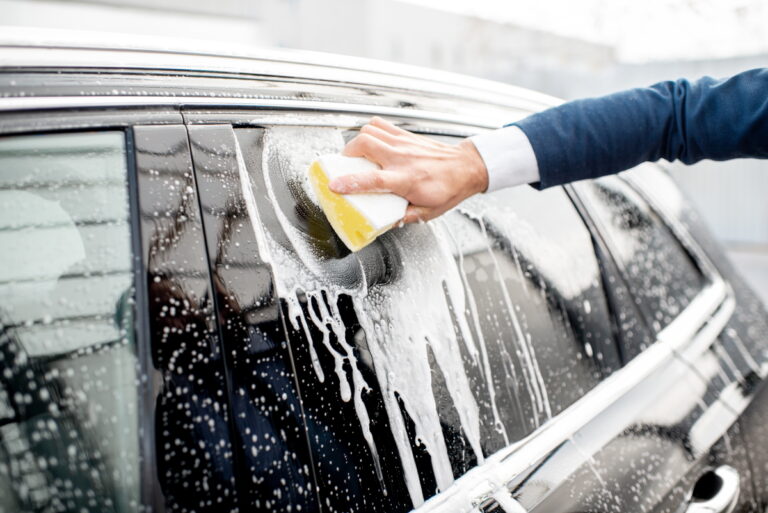
Image Source: qualityautoglasstint.com
The Crucial Waiting Period: How Long Until I Can Wash?
The most important factor when it comes to washing tinted car is patience. Your newly tinted windows require time to fully cure and adhere to the glass. This curing process allows any residual moisture trapped between the film and the glass to evaporate, creating a strong, permanent bond.
Tint Drying Time Explained
Tint drying time varies depending on several factors:
- Type of Tint Film: High-quality films tend to cure faster.
- Environmental Conditions: Temperature, humidity, and sunlight play a significant role. Warmer, drier conditions accelerate the drying process, while cooler, humid weather will extend it.
- Quality of Installation: A professional installation with proper squeegee techniques minimizes trapped moisture, leading to a faster cure.
General Waiting Guidelines:
- Minimum Waiting Period: Most professionals recommend waiting at least 24 to 72 hours before any direct water contact. This initial period is critical.
- Full Curing: For optimal safety and to ensure the tint is completely bonded, it’s best to wait a full 30 days before giving your car a thorough wash, especially a high-pressure wash.
What Happens If I Wash Too Soon?
Exposure to water on new tint before it’s fully cured can be detrimental. The water trapped beneath the film can prevent proper adhesion, leading to:
- Bubbles: Small pockets of water can form unsightly bubbles.
- Peeling: The edges of the tint might start to lift.
- Cloudiness: Moisture trapped within the film can cause a hazy appearance.
- Tint Peeling After Wash: This is the worst-case scenario, where the entire film detaches from the glass.
Safe Car Washing Practices for Tinted Windows
Once the recommended waiting period has passed, you can confidently wash your car. However, specific techniques are recommended for safe car washing tinted vehicles.
H4: The Do’s of Washing Your Tinted Car
- Use Gentle Soap: Opt for pH-neutral car wash soaps. Harsh chemicals can degrade the tint adhesive over time.
- Soft Wash Mitts and Sponges: Always use clean, soft microfiber wash mitts or sponges. Avoid abrasive materials like steel wool or rough brushes, as these can scratch both the tint and the glass.
- Two-Bucket Method: This is highly recommended for any car wash, but especially for tinted vehicles. One bucket contains soapy water, and the other contains clean rinse water. Dip your mitt into the soapy water, wash a section of the car, then rinse the mitt thoroughly in the clean water before dipping it back into the soap. This prevents dirt from being transferred back onto your car, reducing the risk of scratches.
- Microfiber Drying Towels: Use clean, soft microfiber drying towels to gently pat or blot the windows dry. Avoid vigorously rubbing, which can stress the tint.
- Ammonia-Free Glass Cleaners: When cleaning the inside of your tinted windows, always use a cleaner specifically labeled as ammonia-free. Ammonia can damage the tint film.
H4: The Don’ts of Washing Your Tinted Car
- High-Pressure Washers (Especially Initially): Avoid using high-pressure washers directly on the edges of the tint, particularly within the first few weeks. The forceful spray can lift the edges and push water underneath. If you must use one, keep a safe distance and avoid directing the spray at the tint seams.
- Abrasive Cleaners: Never use window cleaners containing ammonia, alcohol, or abrasive particles.
- Scrapers and Razor Blades: Do not use any sharp objects to clean the windows, as they will undoubtedly scratch or tear the tint.
- Leaving Water Spots: While gentle drying is key, allowing water to air dry can leave spots. Efficiently and gently drying is better.
- Automatic Car Washes with Harsh Brushes: Many automatic car washes use stiff brushes that can damage window tint. It’s generally safer to opt for touchless washes or hand washing.
Post-Tinting Care: Beyond the Wash
Proper aftercare for window tint extends beyond just washing. It involves mindful habits to ensure the longevity and clarity of your tint.
H5: Daily Habits for Tint Longevity
- Avoid Touching or Peeling: Resist the urge to touch the tint film, especially around the edges. If you notice a loose edge, do not peel it. Contact your tint installer immediately.
- Window Regulators: Be mindful when rolling down your windows, especially in the first few weeks. Ensure the window glides smoothly and doesn’t catch on any interior trim. A rough roll-up or down motion can stress the film.
- Sticky Residue: If you need to remove a sticker or decal from a tinted window, use a plastic razor blade carefully or a specialized adhesive remover that is safe for window film. Always test in an inconspicuous area first.
How to Clean Tinted Windows Safely and Effectively
When it comes to how to clean tinted windows, the focus is on gentle, non-damaging methods.
H4: Interior Window Cleaning
The inside of your windows is just as important as the outside.
- Gather Your Supplies: You’ll need a clean microfiber cloth and an ammonia-free glass cleaner specifically formulated for tinted windows or a solution of distilled water and a few drops of mild dish soap.
- Spray Sparingly: Lightly mist the cleaner onto the microfiber cloth, not directly onto the window. Spraying the window directly can cause excess liquid to seep into door panels or electronics.
- Wipe Gently: Use the damp cloth to wipe the inside of the window in a consistent pattern (e.g., side-to-side or top-to-bottom).
- Buff Dry: Use a second, clean, dry microfiber cloth to buff the window to a streak-free shine.
H4: Exterior Window Cleaning
Follow the general car washing guidelines mentioned earlier, focusing on gentle contact and appropriate products.
- Pre-Rinse: Before applying soap, rinse the car thoroughly to remove loose dirt and debris that could scratch the tint.
- Wash: Using the two-bucket method, wash the exterior of the windows with a soft mitt and pH-neutral soap.
- Rinse: Rinse the windows thoroughly with clean water.
- Dry: Gently pat or blot the windows dry with clean microfiber towels.
Dealing with Common Tint Issues
Even with the best care, you might encounter minor issues. Knowing how to handle them is part of aftercare for window tint.
H5: Minor Bubbles or Edges Lifting
Small bubbles that appear within the first few days might be trapped moisture or air that will dissipate as the tint cures. However, if you notice larger bubbles or edges that are clearly lifting and not smoothing out after a week or two, it’s best to contact your installer. Attempting to fix these yourself can worsen the problem.
H5: Scratches on Tint
Unfortunately, deep scratches on window tint are usually permanent. This is where cleaning tint without damage becomes paramount. Always use soft materials and avoid anything abrasive. If scratches are minor, they might not be noticeable unless you’re looking for them.
Tint Installation Tips for a Smoother Post-Wash Experience
While this guide focuses on washing, knowing a few tint installation tips can help you choose a good installer, which indirectly impacts your post-wash experience.
- Choose a Reputable Installer: Look for shops with good reviews and a warranty on their work.
- Ask About Curing Times: A good installer will clearly explain the waiting period and any specific aftercare instructions.
- Observe the Installation (If Possible): A professional will be meticulous with cleaning the glass, using the correct tools, and ensuring a clean environment to prevent dust and debris from getting trapped under the film.
Frequently Asked Questions About Washing Tinted Cars
Here are answers to common questions regarding washing tinted car:
H4: Can I use a hose to rinse my car after tinting?
Yes, you can use a hose to rinse your car after the initial 24-72 hour waiting period. However, avoid using a high-pressure nozzle directed at the edges of the tint. A gentle spray is sufficient.
H4: What if I see small water droplets under the tint after washing?
If you washed your car after the recommended waiting period and see very small water droplets that look like they are trapped, they should naturally evaporate over time. If they persist or grow, it might indicate the tint wasn’t fully cured or there was an issue with the installation.
H4: Is it okay to use window cleaning sprays on the outside of tinted windows?
Yes, as long as the spray is ammonia-free and you are using a soft cloth. However, for the exterior, your car wash soap will handle the bulk of the cleaning. You typically only need specific glass cleaners for the interior or for touch-ups.
H4: Will washing my car damage my new window tint?
Washing your car incorrectly, especially too soon after tinting or using harsh methods, can indeed damage your new window tint. Following the guidelines in this guide will significantly reduce that risk.
H4: How do I clean the tint on the rear windshield with a defroster?
The rear defroster lines are delicate. When cleaning tinted rear windows, be extra gentle. Avoid scrubbing directly over the defroster lines. Use a very light touch when wiping and drying. Never use any sharp objects near these lines.
Conclusion: Patience and Proper Technique are Key
In summary, yes, you can wash your car after getting your windows tinted, but not immediately. Respect the tint drying time, typically 24-72 hours minimum before any water contact, and ideally a full 30 days for thorough washing. Prioritize gentle cleaning methods, use only ammonia-free cleaners on the interior, and always opt for soft microfiber materials. By following these aftercare for window tint practices, you’ll protect your investment and enjoy the benefits of your tinted windows for years to come. Proper cleaning tint without damage is the foundation of a long-lasting, beautiful tint job.