
Can you use car coolant in your motorcycle? Generally, it is not recommended to use automotive coolant in your motorcycle. While both serve the purpose of regulating engine temperature, there are significant differences in their formulations that can lead to detrimental effects on your motorcycle’s cooling system.
This article delves into the reasons why, explores the differences between car coolant and motorcycle coolant, and helps you make an informed decision about what to put in your bike.
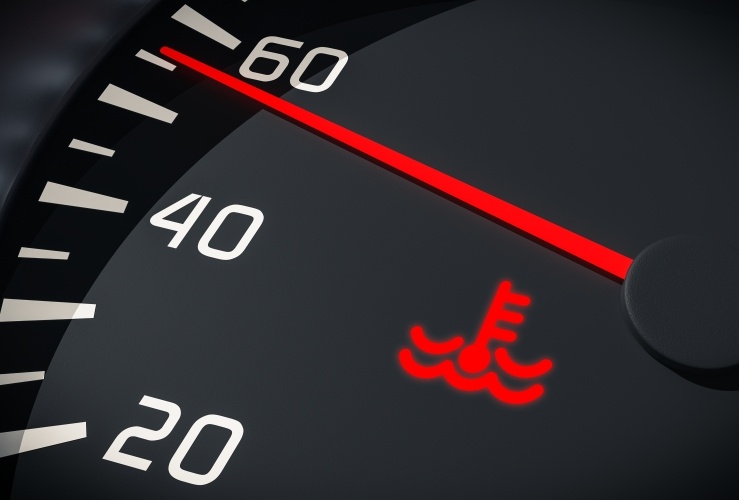
Image Source: www.startrescue.co.uk
Deciphering Motorcycle Coolant Types
Motorcycles, much like cars, rely on a cooling system to keep their engines from overheating. This is especially true for liquid-cooled engines, which are prevalent in modern motorcycles for their efficiency and performance. The coolant, often referred to as antifreeze, circulates through the engine, absorbing heat and dissipating it through the radiator.
There are several key types of coolant you’ll encounter when discussing motorcycle coolant types:
- Ethylene Glycol (EG)-based coolants: These are the most common type of coolant found in both cars and some motorcycles. They offer excellent freeze and boil-over protection. However, they can be toxic and require proper disposal.
- Propylene Glycol (PG)-based coolants: These are less toxic than ethylene glycol and are often preferred for their environmental friendliness. They also provide good freeze and boil-over protection.
- Organic Acid Technology (OAT) coolants: These newer formulations use organic acids to provide corrosion protection. They typically have longer service intervals than traditional coolants.
- Hybrid Organic Acid Technology (HOAT) coolants: These combine the benefits of OAT with traditional silicates for even broader corrosion protection.
- Specialty Motorcycle Coolants: Many manufacturers offer specific coolants designed for their motorcycles. These are often pre-mixed with deionized water and formulated with specific additives to protect the unique materials found in motorcycle cooling systems.
The choice of coolant depends on the specific requirements of your motorcycle, as outlined in your owner’s manual.
Car Coolant vs. Motorcycle Coolant: The Crucial Differences
The question of using car coolant vs motorcycle coolant often arises due to the shared function of both products. However, a closer look reveals critical distinctions. The primary difference lies in their additive packages.
Additive Packages: Protecting Diverse Materials
Motorcycle engines, particularly their cooling systems, often utilize materials that are different from those found in automotive engines. These can include:
- Soft metals: Some older or more performance-oriented motorcycles might use softer metals in their radiators or water pump components.
- Rubber and plastic components: The seals, hoses, and gaskets in a motorcycle’s motorcycle cooling system can be more susceptible to degradation from certain chemicals found in automotive coolants.
- Clutch materials: In many motorcycles, the clutch is bathed in the engine oil. However, some coolant can potentially come into contact with clutch components, and aggressive additives could harm them.
Car coolants are formulated with a broad spectrum of additives designed to protect the cast iron, aluminum, and various plastics and rubbers commonly found in automotive engines. While these additives are effective for cars, they may be too harsh for the specific materials in a motorcycle.
Key Differences in Additives:
- Corrosion Inhibitors: Motorcycles often have smaller radiators and tighter cooling passages. They require corrosion inhibitors that are specifically designed to prevent internal corrosion without causing damage to delicate components. Car coolants might have more aggressive inhibitors that can be detrimental.
- Lubricity Agents: While coolants don’t primarily lubricate, some automotive coolants contain additives that can help lubricate the water pump seal. However, the type of seal in a motorcycle water pump might not benefit from or could even be harmed by these specific lubricants.
- pH Balance: The pH level of the coolant is crucial for preventing corrosion. Motorcycle coolants are typically formulated to maintain a specific pH range that is optimal for their cooling systems. Automotive coolants might have a different pH that could lead to issues.
Water Purity: A Subtle but Significant Factor
Another important distinction is the water used in the coolant mixture.
- Automotive Coolants: Often come pre-mixed with tap water that has undergone some level of treatment but is not necessarily deionized.
- Motorcycle Coolants: Ideally, especially those recommended by manufacturers, use deionized or distilled water. Tap water contains minerals that can precipitate out over time, leading to scale buildup in the radiator and cooling passages. This buildup can impede heat transfer and reduce the efficiency of the cooling system.
Can You Mix Coolants? The Dangers of Cross-Contamination
A common question is, “Can you mix coolants?” The answer is a resounding no, especially when it comes to mixing automotive and motorcycle coolants, or even different types of motorcycle coolants without confirming compatibility.
Why Mixing is a Bad Idea
Mixing different coolant formulations can lead to several problems:
- Chemical Reactions: The additive packages in different coolants are designed to work independently. Mixing them can cause the additives to react with each other, rendering them ineffective or even creating new, harmful compounds.
- Formation of Sludge and Sediment: Incompatible coolants can precipitate out as sludge or sediment. This particulate matter can clog radiator passages, water pump impellers, and thermostat housings, leading to restricted coolant flow and overheating.
- Reduced Corrosion Protection: The carefully balanced corrosion inhibitors can be neutralized when mixed, leaving the cooling system vulnerable to rust and corrosion.
- Foaming: Some coolant mixtures can develop foam. Foam acts as an insulator and can prevent the coolant from effectively absorbing and dissipating heat. It can also cause cavitation damage to the water pump.
- Damage to Seals and Gaskets: The chemical composition of mixed coolants might be more aggressive towards rubber and plastic components, leading to premature degradation, swelling, or cracking of seals and hoses.
Coolant Cross-Compatibility: A Complex Landscape
The concept of coolant cross-compatibility is often misunderstood. While some “universal” coolants claim to be compatible with all makes and models, it’s crucial to approach such claims with caution, especially when considering a motorcycle.
- General Automotive “Universal” Coolants: These are typically designed for the vast majority of cars and light trucks. While they might not immediately cause catastrophic failure in a motorcycle, their long-term effects are often unknown and potentially damaging.
- Specific Motorcycle “Universal” Coolants: Some brands offer coolants specifically marketed as universal motorcycle coolant. These are generally formulated with a broader range of compatibility in mind for the diverse materials found in motorcycles. However, even with these, consulting your motorcycle’s owner’s manual is always the best first step.
It’s always best to stick to the coolant type recommended by your motorcycle manufacturer. If you are unsure, consult your owner’s manual or a qualified motorcycle mechanic.
Using Automotive Coolant in a Motorcycle: The Risks
So, what happens if you use automotive coolant in a motorcycle? The potential consequences can range from minor issues to severe engine damage.
Potential Risks
- Corrosion: Automotive coolants, especially older formulations or those with specific additive packages, can be too aggressive for the softer metals and alloys used in some motorcycle cooling systems. This can lead to corrosion of radiator fins, water pump impellers, and engine block passages.
- Seal Degradation: The rubber and plastic seals and hoses in a motorcycle’s cooling system might not be compatible with the chemicals present in automotive coolants. This can cause them to swell, harden, crack, or become brittle, leading to leaks.
- Water Pump Failure: The water pump is a critical component. If the coolant damages the seals or impeller of the water pump, it can lead to reduced circulation or complete failure, resulting in rapid overheating.
- Reduced Heat Transfer Efficiency: Over time, scale buildup from mineral content in non-deionized water or from incompatible additive reactions can reduce the efficiency of the radiator, making it harder for the engine to stay cool.
- Deposit Formation: Some automotive coolants may leave deposits in the cooling system, especially if mixed with incompatible substances or if the water quality is poor. These deposits can clog narrow passages and impede coolant flow.
- Clutch Damage (Rare but Possible): While not a primary concern, in some motorcycle designs, there’s a slight possibility of coolant coming into contact with clutch components. Aggressive automotive coolant additives could potentially affect clutch friction materials.
When is it “Okay” (with extreme caution)?
In a dire emergency, if you are stranded and have no other option, a small amount of pre-mixed automotive coolant (preferably a modern OAT or HOAT formulation, mixed with deionized water if possible) might prevent immediate overheating. However, this should be considered a very temporary, last-resort measure.
If you must use automotive coolant in an emergency:
- Use a small amount: Only add enough to get you to a place where you can get the correct coolant.
- Dilute it if possible: If you have access to deionized or distilled water, dilute the automotive coolant before adding it.
- Flush the system immediately: As soon as possible, drain the entire cooling system and flush it thoroughly with distilled water. Then, refill it with the manufacturer-recommended motorcycle coolant.
- Inspect for damage: After flushing and refilling, closely monitor your motorcycle for any signs of leaks, corrosion, or abnormal operation.
It is crucial to emphasize that this is a stop-gap measure and not a long-term solution. The potential for damage is significant.
Motorcycle Coolant Types Comparison
To better illustrate the differences, let’s look at a simplified motorcycle coolant types comparison.
| Feature | Automotive Coolant (General) | Motorcycle Coolant (Recommended) |
|---|---|---|
| Base Glycol | Ethylene Glycol (EG) or Propylene Glycol (PG) | Ethylene Glycol (EG) or Propylene Glycol (PG) |
| Additives | Broad spectrum for cars (various metals, plastics) | Specific formulations for motorcycle materials |
| Corrosion Inhibitors | May be too aggressive for motorcycle metals | Optimized for motorcycle components (soft metals, aluminum) |
| Seal Compatibility | Designed for automotive seals | Designed for motorcycle seals (often more sensitive) |
| Water Content | Often tap water (may contain minerals) | Ideally deionized or distilled water |
| pH Level | Varies; may not be ideal for motorcycles | Formulated for optimal motorcycle pH |
| Toxicity | Often toxic (EG) | Varies; PG-based options are less toxic |
| Service Life | Varies greatly by formulation | Varies; some are long-life, others shorter |
Key Takeaway: While both use glycols, the additive package is the primary differentiator. Antifreeze for motorcycles needs to be specifically formulated to protect the unique materials within their cooling systems.
Finding the Right Antifreeze for Motorcycles
When it comes to selecting antifreeze for motorcycles, always prioritize the recommendations in your owner’s manual. This is the most reliable source of information.
What to Look For:
- Manufacturer’s Recommendation: The gold standard is to use the coolant specifically recommended by your motorcycle manufacturer. They will specify the type of glycol and the required additive package.
- Specific Motorcycle Coolants: Look for coolants explicitly labeled for motorcycle use. Brands like Motul, Castrol, Yamalube, and others offer products tailored for motorcycles.
- Color is Not a Reliable Indicator: While coolant colors can sometimes hint at the technology used (e.g., green for traditional, orange/red for OAT), relying solely on color is a mistake. Different manufacturers use different color dyes for their products, even within the same technology.
- Pre-mixed vs. Concentrated: Coolants come in pre-mixed (ready to use) and concentrated (needs to be mixed with water) forms. If using concentrated coolant, always mix it with deionized or distilled water in the correct ratio (usually 50/50).
- Check the Glycol Type: Ensure the coolant uses either Ethylene Glycol (EG) or Propylene Glycol (PG) as indicated by your manufacturer.
What to Avoid:
- Any coolant not explicitly stated as suitable for motorcycles.
- Mixing different coolant types.
- Using tap water to dilute concentrated coolant.
- “Universal” automotive coolants without verifying motorcycle compatibility.
Maintaining Your Motorcycle Cooling System
Proper maintenance of your motorcycle cooling system is crucial for its longevity and performance. This includes regular coolant checks and changes.
Coolant Checks:
- Level: Regularly check the coolant level in the reservoir (if equipped) or in the radiator when the engine is cool. The level should be between the “min” and “max” marks.
- Condition: Visually inspect the coolant for color, clarity, and the presence of debris or sediment. Any discoloration, cloudiness, or visible particles indicate a potential problem.
- Leaks: Inspect hoses, radiator, water pump, and connections for any signs of leaks.
Coolant Changes:
The frequency of coolant changes will be specified in your owner’s manual. It’s typically done every 1-2 years or at specific mileage intervals.
The process of changing coolant involves:
- Allowing the engine to cool completely.
- Draining the old coolant from the drain plug or radiator petcock.
- Flushing the system with distilled water (sometimes a specialized coolant flush product can be used, but follow instructions carefully).
- Refilling with the correct type and amount of new coolant.
- Bleeding the system to remove any air pockets. This is a critical step that ensures proper circulation. The procedure for bleeding varies by motorcycle model, so consult your manual.
- Re-checking the coolant level after the engine has run and cooled down.
Frequently Asked Questions (FAQ)
Q1: Can I use universal coolant in my motorcycle?
A1: It depends on the specific “universal” coolant. Some are formulated with broader compatibility in mind for motorcycles, but it’s always best to check the product label and, more importantly, your motorcycle’s owner’s manual for the manufacturer’s specific recommendation. If in doubt, avoid it.
Q2: What happens if I mix different types of motorcycle coolant?
A2: Mixing different motorcycle coolants, even those from different brands but with similar base glycols, can lead to chemical reactions that neutralize additives, cause sludge formation, and reduce corrosion protection, potentially damaging your cooling system.
Q3: Is the color of the coolant important?
A3: No, the color of the coolant is not a reliable indicator of its type or compatibility. Different manufacturers use different dyes. Always check the product’s specifications, not its color.
Q4: Can I use a 50/50 pre-mixed coolant or do I need to mix it myself?
A4: Both are generally acceptable, provided you use the correct coolant formulation. If you use a concentrated coolant, it must be mixed with deionized or distilled water in the ratio specified by the manufacturer (typically 50/50 for optimal performance in most climates). Using tap water is not recommended.
Q5: How do I know if automotive coolant has damaged my motorcycle’s cooling system?
A5: Signs of damage can include leaks from hoses or seals, corrosion or discoloration in the radiator or engine components, a decrease in cooling efficiency (engine running hotter than usual), or a water pump that starts to make noise or fails. It’s best to proactively use the correct coolant to avoid these issues.
Q6: My car uses OAT coolant, can I use that in my motorcycle?
A6: While OAT coolants are generally better than traditional coolants, they are still formulated for automotive engines. The specific additives might still be too aggressive for certain motorcycle components. Unless your motorcycle manufacturer specifically approves OAT coolant, it’s best to use a product designed for motorcycles.
By prioritizing the correct coolant and maintaining your motorcycle’s cooling system diligently, you ensure optimal performance and prevent costly repairs down the line. Always err on the side of caution and consult your owner’s manual.