
Yes, you can often drive your car with the check engine light on, but it’s a decision that comes with significant risk. The car engine warning light, commonly known as the check engine light, is a crucial indicator that your vehicle’s onboard computer has detected a problem with the engine, transmission, or emissions system. Ignoring it can lead to more serious and costly damage, reduced fuel efficiency, and increased vehicle emissions.
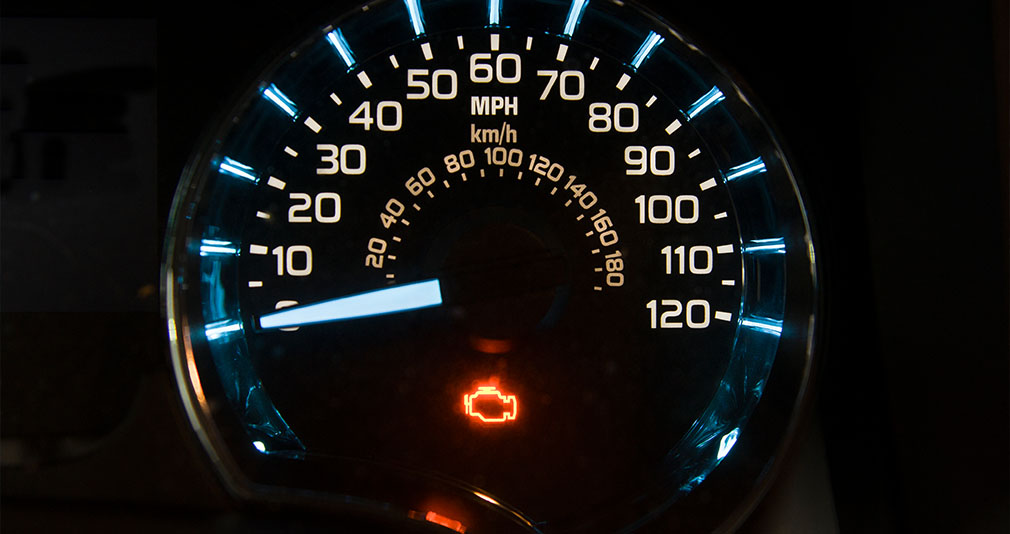
Image Source: f.hubspotusercontent10.net
The Steady vs. Flashing Check Engine Light: A Critical Distinction
The first step in driving with check engine light on is to determine if the light is steady or flashing. This distinction is vital for assessing the immediate danger.
Steady Check Engine Light
A steady check engine light usually indicates a less urgent issue. It might be something as simple as a loose gas cap, a faulty oxygen sensor, or a minor misfire. While it’s not an emergency, it still requires attention. Driving with a steady light for extended periods can lead to:
- Decreased Fuel Economy: Even minor issues can make your engine work harder, burning more fuel.
- Increased Emissions: A malfunctioning component can release harmful pollutants into the atmosphere.
- Potential for Worsening Problems: Small issues can escalate into larger, more expensive repairs if left unaddressed.
Flashing Check Engine Light
A flashing check engine light is a serious warning that demands immediate attention. This typically signifies a severe engine misfire that could quickly damage your catalytic converter, a vital part of the emissions system. If your check engine light is flashing:
- Pull over safely as soon as possible.
- Reduce engine load. Avoid hard acceleration or high speeds.
- Seek immediate professional diagnosis and repair. Continuing to drive can cause irreversible and very expensive damage.
Decoding Check Engine Light Symptoms
The check engine light itself is a symptom, but your car might exhibit other check engine light symptoms that can provide further clues about the underlying problem. Paying attention to these can help you communicate more effectively with a mechanic and potentially even diagnose simple issues yourself.
Common Symptoms to Watch For:
- Reduced Engine Power: Your car may feel sluggish or hesitate during acceleration.
- Rough Idling: The engine may shake or vibrate more than usual when the car is stopped.
- Difficulty Starting: The engine may crank longer than usual or fail to start at all.
- Strange Noises: You might hear knocking, pinging, or unusual sounds from the engine.
- Increased Fuel Consumption: You’ll notice you’re filling up your gas tank more frequently.
- Foul Smells: A burning smell, sulfur smell (like rotten eggs), or unburned fuel smell can indicate specific issues.
Unraveling the Mystery: Common Check Engine Light Causes
The check engine light causes are numerous, ranging from simple fixes to complex mechanical failures. Understanding these common culprits can empower you with knowledge and help you prepare for potential check engine light repair.
Top Causes of a Check Engine Light:
- Loose or Faulty Gas Cap: This is surprisingly common. A loose gas cap can disrupt the fuel system’s pressure, triggering the light.
- Faulty Oxygen (O2) Sensor: This sensor measures the amount of oxygen in your exhaust. A bad O2 sensor can lead to poor fuel economy and increased emissions.
- Bad Catalytic Converter: This component converts harmful exhaust gases into less harmful ones. Failure usually results from other underlying issues, like worn spark plugs or a faulty O2 sensor.
- Worn Spark Plugs or Ignition Coils: These components ignite the fuel-air mixture in the engine cylinders. Worn plugs or coils can cause misfires and rough running.
- Mass Airflow (MAF) Sensor Failure: The MAF sensor measures the amount of air entering the engine. A faulty MAF sensor can cause stalling, rough idling, and poor acceleration.
- Vacuum Leaks: Leaks in the vacuum hoses can disrupt the air-fuel mixture, leading to various engine performance issues.
- Exhaust Gas Recirculation (EGR) Valve Problems: The EGR valve helps reduce nitrogen oxide emissions. If it gets clogged or fails, it can affect engine performance and trigger the light.
- Thermostat Issues: A faulty thermostat can cause the engine to overheat or not reach optimal operating temperature, impacting performance and emissions.
The Power of Diagnosis: Understanding Your Car’s Computer
Modern vehicles are equipped with sophisticated onboard diagnostic systems. When the car engine warning light illuminates, it means the vehicle’s computer has stored a Diagnostic Trouble Code (DTC) related to the detected issue.
How Car Diagnostics Work:
Your car’s engine control unit (ECU) or powertrain control module (PCM) constantly monitors various sensors throughout the engine and its related systems. These sensors provide data on:
- Engine speed and load
- Fuel system operation
- Ignition timing
- Emissions control systems
- Transmission performance
When the ECU detects a reading outside of its normal operating parameters, it flags a problem and illuminates the check engine light. The specific DTC stored by the computer is a code that corresponds to a particular fault.
Decoding the Codes: The Role of an OBD-II Scanner
To pinpoint the exact reason for the illuminated check engine light, you need to access these stored DTCs. This is where an OBD-II scanner comes into play.
Using an OBD-II Scanner for Engine Troubleshooting:
OBD-II (On-Board Diagnostics II) is a standardized system mandated for all vehicles manufactured after 1996. An OBD-II scanner is a device that plugs into the vehicle’s diagnostic port, usually located under the dashboard.
- Locate the OBD-II Port: This is typically found on the driver’s side, near the steering column.
- Connect the Scanner: Plug the scanner into the port.
- Turn on the Ignition: With the engine off, turn the ignition key to the “on” position (without starting the engine).
- Read the Codes: Follow the scanner’s instructions to retrieve the DTCs.
- Interpret the Codes: The scanner will display a code (e.g., P0300 for a random misfire). You can then look up the meaning of this code online or in a repair manual.
Table 1: Examples of Common DTCs and Potential Causes
| DTC Code | Description | Possible Cause(s) | Severity |
|---|---|---|---|
| P0420 | Catalyst System Efficiency Below Threshold (Bank 1) | Faulty catalytic converter, O2 sensor issues, exhaust leak | Moderate to Severe |
| P0300 | Random/Multiple Cylinder Misfire Detected | Worn spark plugs, faulty ignition coil, vacuum leak, fuel injector issue | Moderate to Severe |
| P0171 | System Too Lean (Bank 1) | Vacuum leak, faulty MAF sensor, low fuel pressure | Moderate |
| P0442 | Evaporative Emission System Leak Detected (Small Leak) | Loose gas cap, cracked EVAP hose, faulty purge valve | Minor |
| P0135 | O2 Sensor Heater Circuit Malfunction (Bank 1 Sensor 1) | Faulty O2 sensor, wiring issue | Moderate |
Note: While an OBD-II scanner can help identify the problem, it doesn’t always tell you why the component failed. Further engine troubleshooting may be necessary.
When to Seek Professional Check Engine Light Repair
While some issues are simple to fix, many require specialized knowledge and tools. Knowing when to involve a professional is crucial for effective check engine light repair.
Signs You Need a Mechanic:
- Flashing Check Engine Light: As mentioned, this indicates an urgent problem.
- Significant Change in Performance: If your car is running poorly, sputtering, or losing power.
- Overheating: If the temperature gauge is in the red zone.
- Unusual Noises or Smells: These can point to serious internal engine issues.
- Lack of Familiarity with Auto Repair: If you’re not comfortable diagnosing or repairing car issues, it’s best to leave it to the experts.
- Complex Codes or Multiple Codes: Some DTCs indicate intricate problems that require advanced diagnostic skills.
What to Expect During Professional Diagnosis:
A mechanic will typically use a professional-grade diagnostic tool to read the DTCs. They will then likely perform a series of tests based on the codes, which might include:
- Visual Inspection: Checking for obvious signs of damage, leaks, or loose connections.
- Smoke Testing: To detect vacuum or EVAP system leaks.
- Fuel Pressure Testing: To ensure the fuel system is delivering the correct pressure.
- Compression Testing: To assess the health of the engine’s cylinders.
- Emissions Testing: To evaluate the effectiveness of the emissions control system.
- Live Data Monitoring: Observing sensor readings in real-time to identify anomalies.
The Importance of Regular Car Maintenance
Proactive car maintenance is the most effective way to prevent many common check engine light causes and ensure your vehicle runs smoothly and efficiently.
Key Maintenance Practices:
- Regular Oil Changes: Clean oil lubricates engine parts and prevents wear. Follow your manufacturer’s recommended oil change schedule.
- Air Filter Replacement: A clean air filter ensures the engine receives adequate air for combustion, improving performance and fuel economy.
- Spark Plug Replacement: Worn spark plugs can lead to misfires and reduced engine efficiency.
- Fuel System Cleaning: Periodic cleaning can prevent fuel injector clogs and ensure optimal fuel delivery.
- Check Tire Pressure: Properly inflated tires improve fuel efficiency and vehicle handling.
- Inspect Belts and Hoses: Worn or cracked belts and hoses can lead to various engine problems.
- Fluid Checks: Regularly check and top off coolant, brake fluid, power steering fluid, and windshield washer fluid.
How Maintenance Prevents Check Engine Lights:
- Proper Lubrication: Regular oil changes reduce wear on engine components, preventing premature failure of parts like O2 sensors or MAF sensors.
- Efficient Combustion: Clean air filters and new spark plugs ensure the engine burns fuel efficiently, reducing the likelihood of misfires and catalytic converter damage.
- System Integrity: Inspecting hoses and belts can catch minor issues before they cause significant problems, such as vacuum leaks or cooling system failures.
- Optimized Emissions: A well-maintained engine runs cleaner, reducing the strain on the emissions control system and the chance of triggering the check engine light due to high vehicle emissions.
Frequently Asked Questions (FAQ)
Q1: How long can I drive with a steady check engine light?
A1: It’s best to address a steady check engine light as soon as possible. While you might be able to drive for a short period, prolonged driving can lead to more serious damage and increased repair costs. If your car is running normally, you might have a few days or a week to schedule an appointment, but if you notice any changes in performance, get it checked immediately.
Q2: Can the check engine light mean my car won’t pass an emissions test?
A2: Yes, absolutely. The check engine light is directly linked to the vehicle’s emissions control system. If the light is on, it means there’s a detected issue that could cause your car to exceed legal vehicle emissions standards, and it will likely fail an emissions inspection.
Q3: Is it safe to drive with a flashing check engine light?
A3: No, it is generally not safe to drive with a flashing check engine light. This indicates a severe engine misfire that can quickly damage your catalytic converter, a very expensive component. Pull over safely and have your vehicle towed to a mechanic.
Q4: What’s the most common reason for a check engine light to come on?
A4: The most common reason for a check engine light to illuminate is a loose or faulty gas cap. However, other very common causes include a failing oxygen sensor and worn-out spark plugs.
Q5: Can I reset the check engine light myself?
A5: You can reset the check engine light by disconnecting the car battery for about 15-30 minutes, or by using an OBD-II scanner to clear the codes. However, simply resetting the light without fixing the underlying problem will likely cause it to come back on. It’s important to diagnose and repair the issue first.
Q6: How much does check engine light repair typically cost?
A6: The cost of check engine light repair varies greatly depending on the cause. A loose gas cap might cost nothing to fix if you tighten it yourself. Replacing an oxygen sensor could range from $150 to $400. Replacing a catalytic converter can cost anywhere from $500 to over $2,000. Professional car diagnostics are usually a small fee that is often waived if you proceed with the recommended repairs at that shop.
Q7: Does a check engine light always mean a major problem?
A7: No, not always. While it can indicate a serious issue, it can also be triggered by minor problems like a loose gas cap or a slightly out-of-spec sensor reading. However, it’s always best to investigate the cause to be sure.
Conclusion: Don’t Ignore the Glow
The illuminated check engine light is your car’s way of communicating a potential issue. While you might be able to continue driving with check engine light on for a short period, especially if it’s steady and your car is performing normally, it’s a gamble. Ignoring the warning signs can turn a minor, inexpensive repair into a major, costly overhaul, impacting your car’s performance, fuel efficiency, and your vehicle’s contribution to the environment through increased vehicle emissions. Regularly scheduled car maintenance, a keen eye for check engine light symptoms, and prompt attention to the codes indicated by an OBD-II scanner are your best defenses against unexpected breakdowns and expensive engine troubleshooting. When in doubt, consult a qualified mechanic to ensure your vehicle stays on the road safely and reliably.