
Can your car pass inspection with a cracked windshield? Generally, yes, but only if the cracks are minor and do not obstruct your view or compromise the windshield’s structural integrity. However, the specific rules vary significantly by state, and even minor windshield cracks can lead to a failed inspection if they meet certain criteria.
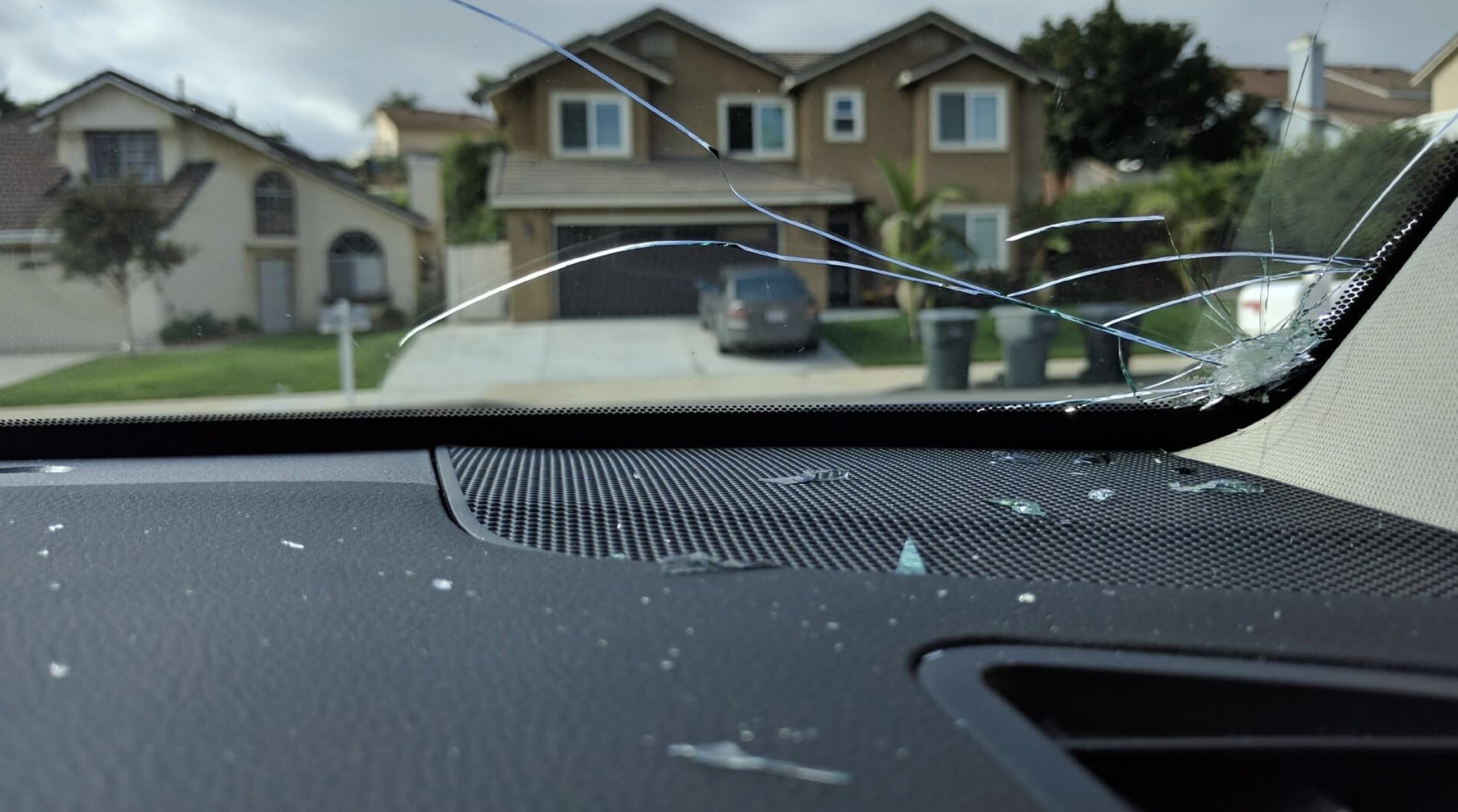
Image Source: autoglassdiscounter.com
The Crucial Role of Your Windshield in Vehicle Safety
Your car’s windshield is far more than just a piece of glass; it’s a critical component of your vehicle’s safety system. It protects you from the elements, debris, and even impacts. More importantly, it plays a vital role in structural support during a rollover accident and aids in the proper deployment of airbags. This is why auto inspection rules often have strict guidelines regarding the condition of your windshield.
Interpreting State Inspection Laws
Every state in the U.S. has its own specific state inspection laws that govern what makes a vehicle roadworthy. While the core principle is vehicle safety, the interpretation and application of these laws can differ. When it comes to windshields, these laws focus on how a crack or chip might affect visibility and the overall vehicle safety standards.
Common Criteria for Windshield Rejection
Most states will fail a vehicle during inspection if the windshield damage:
- Impairs the driver’s vision: This is the most critical factor. Cracks or chips directly in the driver’s line of sight are almost always a fail.
- Is larger than a specified size: Many states have regulations on the maximum size of a chip or crack that is permissible.
- Is located within a certain area of the windshield: Damage near the edges or in the “critical viewing area” (directly in front of the driver) is more likely to cause a failure.
- Has multiple chips or cracks: Even if individual chips are small, a collection of them can be enough to fail an inspection.
- Compromises the windshield’s structural integrity: If the crack is deep or spreading, it might be deemed unsafe regardless of its location.
Fathoming Windshield Legality: What Inspectors Look For
When your vehicle undergoes an inspection, the inspector will pay close attention to your windshield. They aren’t just looking for obvious damage; they are assessing whether the damage meets the windshield legality requirements set forth by your state.
Size Matters: The Limits of Windshield Damage
The size of a chip or crack is often the first thing an inspector considers. While there isn’t a universal standard, many states have specific measurements.
- Chips: Often, a chip the size of a quarter or smaller might be permissible if it’s not directly in the driver’s line of sight.
- Cracks: For windshield cracks, the length is usually the deciding factor. Cracks exceeding a certain length (e.g., 6 inches, 12 inches, or even less in some states) are typically grounds for failure.
Location, Location, Location: Where the Damage Is
The position of the damage on the windshield is just as important as its size.
- Driver’s Line of Sight: Any crack or chip that extends into the area swept by your windshield wipers, especially in front of the driver, is highly likely to result in a failed inspection. This is because it directly impairs visibility.
- Edges of the Windshield: While damage near the edges might be considered less critical than damage in the driver’s direct view, extensive cracking along the edges can weaken the windshield’s ability to support the roof in a rollover.
- Deep vs. Surface Damage: Inspectors can usually distinguish between superficial chips and deeper cracks. Deep damage that penetrates multiple layers of the glass is more problematic.
Differentiating Cosmetic Damage from Structural Compromise
It’s important to distinguish between cosmetic damage and damage that affects the structural integrity of the windshield. A small star-shaped chip on the passenger side might be considered cosmetic, whereas a long, spiderweb crack spreading across the entire windshield is a clear structural concern.
The Impact of Damage on Structural Integrity
A damaged windshield is not as strong as an intact one. This has significant implications:
- Roof Support: In the event of a rollover accident, the windshield provides up to 30% of the roof’s structural support. A cracked windshield significantly reduces this capability, increasing the risk of roof collapse and serious injury.
- Airbag Deployment: The windshield acts as a backing for the passenger-side airbag. A crack can alter the way the airbag deploys, potentially making it less effective or even causing it to deploy incorrectly.
The Process of Passing Vehicle Inspection with a Cracked Windshield
So, can you actually achieve passing vehicle inspection with a cracked windshield? The answer hinges on the specific damage and your state’s regulations.
When a Cracked Windshield Might Pass Inspection
A vehicle might pass inspection with a cracked windshield if:
- The crack or chip is small (within the state’s specified size limits).
- The damage is not in the driver’s direct line of sight.
- The damage does not appear to compromise the windshield’s structural integrity (e.g., it’s not a spreading crack).
- The damage is purely cosmetic and does not impede vision.
When a Cracked Windshield Will Likely Fail Inspection
Conversely, you’ll likely fail if:
- The crack is long (exceeds the state’s maximum length).
- The damage is in the critical viewing area for the driver.
- There are multiple chips or a significant amount of splintering.
- The crack is deep and shows signs of spreading.
- The damage is a “bullseye” or “star” break that is larger than permitted.
Alternatives to Failing: Windshield Repair and Auto Glass Replacement
If your windshield is cracked, don’t despair! You often have options to address the issue before your inspection.
The Benefits of Windshield Repair
Windshield repair is a viable option for certain types of damage. It’s typically more affordable than replacement and can restore the windshield’s strength and clarity.
- When Repair is Possible: Repair is usually suitable for small chips (like “bullseyes” or “star breaks”) and short cracks that have not reached the edge of the windshield.
- The Repair Process: A technician injects a special resin into the damaged area, which is then cured under UV light. This fills the void, prevents the crack from spreading, and restores a significant portion of the windshield’s original strength.
When Auto Glass Replacement is Necessary
In many cases, auto glass replacement is the only solution for a damaged windshield.
- When Replacement is Required: If the crack is too long, too deep, located in the driver’s line of sight, or has spread significantly, replacement is usually necessary.
- Choosing a Reputable Service: Opt for a reputable auto glass shop that uses high-quality glass and follows industry best practices for installation. A proper installation ensures the new windshield functions correctly as part of your vehicle’s safety system.
Examining State-Specific Variations
The most crucial aspect to remember is that windshield legality is determined by your local jurisdiction. What might be permissible in one state could lead to an automatic fail in another.
How Different States Regulate Windshield Condition
Let’s look at some examples to illustrate the variations:
| State | Chip Size Limit (Approx.) | Crack Length Limit (Approx.) | Notes |
|---|---|---|---|
| California | No specific chip size. | No specific length. | Damage that impairs vision or is directly in the driver’s line of sight is prohibited. Cracks can be a problem if they are extensive or spread. |
| New York | No specific chip size. | Typically 1 inch. | Chips or cracks that obstruct view or are in the driver’s direct line of sight are not permitted. A crack extending more than 1 inch from a chip is often a fail. |
| Texas | No specific chip size. | Typically 3 inches. | Damage within the driver’s sight zone that obstructs vision is not allowed. Cracks larger than 3 inches are generally problematic. |
| Florida | No specific chip size. | No specific length. | Cracks or chips that impede vision or obstruct the driver’s view of the road are illegal. |
| Illinois | No specific chip size. | Typically 3 inches. | Damage that obstructs the driver’s vision is prohibited. Cracks larger than 3 inches or any crack extending to the edge will likely fail. |
Note: These are general guidelines and can change. Always consult your state’s Department of Motor Vehicles (DMV) or equivalent agency for the most up-to-date regulations.
The Importance of Consulting Local Auto Inspection Rules
To ensure you can achieve passing vehicle inspection, it’s imperative to be aware of your local auto inspection rules. Ignorance of the law is not a defense.
Frequently Asked Questions About Cracked Windshields and Inspections
Here are answers to some common questions:
Q1: Can I pass a safety inspection with a small chip in my windshield?
A1: Possibly. If the chip is small, not in the driver’s line of sight, and doesn’t compromise the windshield’s structural integrity, it might be permissible. However, state laws vary, so what passes in one state might not in another.
Q2: What if the crack is on the passenger side of my windshield?
A2: Damage on the passenger side is generally less likely to cause a failure than damage directly in front of the driver. However, if the crack is very long or threatens the structural integrity of the windshield, it can still lead to a failed inspection, especially if it’s close to the edge or could spread.
Q3: Does windshield repair always mean I’ll pass inspection?
A3: While a professional windshield repair aims to restore strength and clarity, it doesn’t guarantee a pass. The inspector ultimately decides if the repaired area meets the state’s standards for visibility and structural integrity. It’s often a good idea to get the repair done well before your inspection.
Q4: Are there any exceptions for cosmetic damage only?
A4: Yes, often minor cosmetic damage that doesn’t impair visibility or weaken the windshield might be overlooked. However, the line between cosmetic and structural can be subjective, and state inspectors have the final say based on their guidelines.
Q5: If my windshield has a crack, is auto glass replacement the only option?
A5: Not always. For smaller chips and short cracks, windshield repair can be an effective solution. However, for larger or more extensive damage, auto glass replacement is usually the necessary step to ensure your car can pass inspection and, more importantly, to maintain safety.
Q6: How do I find out the specific rules for my state regarding windshields?
A6: The best way is to visit the official website of your state’s Department of Motor Vehicles (DMV) or equivalent agency. They typically have detailed information on state inspection laws and vehicle safety standards, including specific requirements for windshields. You can also contact a local auto inspection station for clarification.
Conclusion: Prioritize Safety and Compliance
Having a cracked windshield can indeed prevent your car from passing vehicle inspection. The key is to understand that windshield legality is tied to vehicle safety standards and driver visibility. While minor, out-of-the-way chips might sometimes be overlooked, significant windshield cracks are a clear concern.
Proactive windshield repair or timely auto glass replacement is not just about passing an inspection; it’s about ensuring your safety and the safety of others on the road. Always stay informed about your local auto inspection rules and address any windshield damage promptly. A clear, intact windshield is a fundamental element of a safe and roadworthy vehicle.