
Can a car accident cause spinal stenosis? Yes, a car accident can cause or worsen spinal stenosis, a condition where the spinal canal narrows, putting pressure on the spinal cord and nerves. This narrowing is often a result of the trauma and forces experienced during a collision, leading to trauma-induced spinal stenosis.
When you are involved in a car crash, your body endures significant forces. Even at moderate speeds, the sudden stop can jolt your spine, potentially leading to injury. While degenerative disc disease is a common cause of spinal stenosis over time, a traumatic event like a car accident can accelerate or trigger the development of this condition. Many people experience car accident back pain stenosis, a clear indication of how these events can affect spinal health.
This blog post will delve into the intricate relationship between car accidents and spinal stenosis, exploring how collisions can lead to this debilitating condition and what symptoms to watch out for. We will examine the mechanisms by which a car accident back pain stenosis can develop, the role of injuries like whiplash, and the long-term implications for those affected.
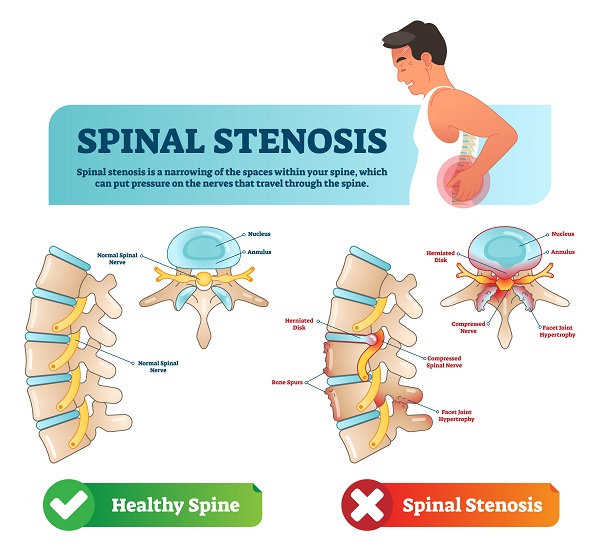
Image Source: assets.garymartinhays.com
The Mechanics of Spinal Stenosis After an Accident
A car accident subjects the spine to immense forces. These forces can manifest in several ways, all of which can contribute to the development or exacerbation of spinal stenosis.
How Impact Affects the Spine
When a vehicle suddenly stops or collides with another object, the occupants are thrown forward and then backward. This violent motion, often referred to as whiplash, can strain ligaments, muscles, and discs in the spine.
- Sudden Compression: Impacts can cause the vertebrae to compress, potentially leading to small fractures or slippage.
- Shearing Forces: Lateral impacts can cause the spine to twist or bend unnaturally, damaging soft tissues and bone structures.
- Deceleration Injuries: The rapid change in speed can cause internal structures to tear or rupture, including the discs between vertebrae.
These immediate physical insults can set the stage for spinal stenosis. Over time, the body’s natural healing processes, or the lack thereof, can lead to changes that narrow the spinal canal.
Traumatic Injuries Leading to Stenosis
Specific injuries sustained in a car accident are directly linked to the development of post-traumatic spinal stenosis.
- Herniated Discs: The force of impact can cause the soft, jelly-like center of an intervertebral disc to bulge or rupture through the tougher outer layer. This herniated disc spinal stenosis occurs when the extruded disc material presses on the spinal cord or nerves.
- Vertebral Fractures: Fractures in the vertebrae can lead to bone spurs (osteophytes) forming as the bone heals. These spurs can grow into the spinal canal, narrowing it.
- Ligament Thickening: Ligaments that support the spine can be stretched or torn during an accident. In response, they may thicken and harden over time, encroaching on the spinal canal.
- Facet Joint Injury: The small joints at the back of the spine, called facet joints, can be injured in a car accident. Arthritis or inflammation in these joints can cause them to enlarge, reducing space in the spinal canal.
These direct consequences of trauma can cause structural changes that lead to spinal stenosis, often presenting as spinal stenosis after accident symptoms.
Whiplash and Spinal Stenosis: A Deeper Look
Whiplash and spinal stenosis have a notable connection. Whiplash is a common injury in car accidents, characterized by a sudden, forceful back-and-forth movement of the neck. While often associated with neck pain, whiplash can have far-reaching effects on the entire spine, including the development of stenosis.
The Whiplash Mechanism
During a whiplash event:
- Initial Impact: The car suddenly stops, and the body is propelled forward.
- Neck Snaps Back: The head, due to inertia, lags behind, causing the neck to extend forcefully.
- Neck Snaps Forward: The head then snaps forward, causing the neck to flex rapidly.
This extreme range of motion can injure the ligaments, muscles, and intervertebral discs in the cervical spine (neck).
Whiplash’s Role in Stenosis Development
While immediate spinal stenosis from whiplash is less common, the damage sustained can lead to long-term changes that result in stenosis.
- Disc Degeneration: Whiplash can accelerate the natural degenerative process of the discs in the neck. Damaged discs can lose height, bulge, or herniate, contributing to spinal canal narrowing.
- Ligament Injury and Instability: Torn or stretched ligaments can lead to spinal instability. The body may try to compensate by creating thicker scar tissue or bone spurs, which can narrow the spinal canal.
- Facet Joint Arthritis: The facet joints in the cervical spine are particularly vulnerable during whiplash. Trauma to these joints can lead to inflammation and the development of arthritis, causing them to enlarge and narrow the spinal canal.
Individuals experiencing whiplash and spinal stenosis may not see symptoms immediately. The changes that lead to stenosis often develop gradually over months or even years following the accident.
Spinal Cord Injury Stenosis: A Severe Consequence
In more severe car accidents, direct spinal cord injury stenosis can occur. This happens when the spinal cord itself is damaged during the trauma, leading to a range of neurological deficits.
Direct Spinal Cord Trauma
A forceful impact, such as being crushed by vehicle components or experiencing a severe fracture-dislocation, can directly injure the spinal cord.
- Contusion: Bruising of the spinal cord.
- Laceration: Tearing of the spinal cord.
- Compression: Pressure on the spinal cord from displaced bone fragments or herniated discs.
Stenosis as a Complication of SCI
Following a spinal cord injury, the body’s healing and inflammatory responses can sometimes lead to spinal cord injury stenosis.
- Scar Tissue Formation: The body forms scar tissue to repair damaged areas. Excessive scar tissue within or around the spinal cord can narrow the spinal canal or the space where nerve roots exit.
- Post-Traumatic Syringomyelia: In some cases, a cyst or fluid-filled cavity (syrinx) can form within the spinal cord after injury. This syrinx can expand, compressing the spinal cord and leading to further neurological problems, mimicking stenosis.
- Vertebral Instability: Fractures and ligament damage can lead to instability of the vertebral column, which may require surgical stabilization. However, the post-surgical changes or retained hardware can sometimes contribute to stenosis.
Spinal cord injuries are serious medical emergencies, and any suspected injury after a car accident warrants immediate medical attention.
Spinal Stenosis Symptoms After Collision
The symptoms of spinal stenosis after a car accident can vary depending on the location and severity of the narrowing and the nerves affected. They may not appear immediately but can develop gradually over time.
Common Symptoms
- Pain: This is a hallmark symptom. The pain can be dull, aching, or sharp and may radiate into the arms or legs depending on the affected spinal level. Car accident back pain stenosis often presents as a persistent ache or sharp, shooting pains.
- Numbness and Tingling: A pins-and-needles sensation or loss of feeling in the extremities.
- Weakness: Difficulty moving limbs, or a feeling of heaviness or fatigue in the legs or arms.
- Cramping: Muscle cramping, particularly in the legs, which can occur with walking or standing.
- Balance Problems: Difficulty maintaining balance, leading to an increased risk of falls.
- Bowel or Bladder Dysfunction: In severe cases, especially with cervical or severe lumbar stenosis, there can be issues with bladder or bowel control.
Cervical Stenosis Symptoms
If the stenosis affects the cervical spine (neck), symptoms may include:
- Neck pain
- Stiffness
- Pain, numbness, or tingling in the arms and hands
- Weakness in the arms and hands
- Gait disturbances (difficulty walking)
Lumbar Stenosis Symptoms
If the stenosis affects the lumbar spine (lower back), symptoms may include:
- Lower back pain
- Pain, numbness, or tingling in the buttocks and legs (sciatica-like pain)
- Leg weakness
- Pain that worsens with standing or walking and improves with sitting or leaning forward (neurogenic claudication)
It’s crucial to report any persistent or worsening pain, numbness, or weakness after a car accident to a healthcare professional. These could be signs of spinal stenosis symptoms after collision that require prompt diagnosis and treatment.
Diagnosing Car Accident Spinal Stenosis
Accurate diagnosis is essential to differentiate between typical post-accident soreness and the onset of spinal stenosis. A thorough medical evaluation is necessary.
Medical History and Physical Examination
The doctor will begin by asking detailed questions about the accident and your symptoms.
- Accident Details: Speed of impact, direction of force, use of seatbelts, and any immediate pain or symptoms.
- Symptom Progression: When did symptoms start? How have they changed? What makes them better or worse?
- Past Medical History: Pre-existing back conditions, such as degenerative disc disease car accident, can influence the diagnosis.
A physical examination will assess:
- Range of motion in the spine
- Neurological function (strength, sensation, reflexes)
- Tenderness to touch
Imaging Techniques
Various imaging techniques are used to visualize the spinal canal and identify narrowing.
- X-rays: These can reveal bone spurs, fractures, and changes in disc height or vertebral alignment, which might be indicative of underlying issues contributing to stenosis.
- MRI (Magnetic Resonance Imaging): This is the gold standard for diagnosing spinal stenosis. MRI provides detailed images of soft tissues, including discs, nerves, and the spinal cord. It can clearly show disc herniations, ligament thickening, and other causes of spinal canal narrowing.
- CT (Computed Tomography) Scan: CT scans are useful for visualizing bone structures and can detect bony spurs or fractures that might not be as clear on X-rays. A CT myelogram, which involves injecting dye into the spinal canal before the CT scan, can provide even more detail about nerve compression.
Treatment Options for Spinal Stenosis
Treatment for spinal stenosis after a car accident aims to relieve pain, improve function, and prevent further nerve damage. The approach depends on the severity of the stenosis and the symptoms experienced.
Non-Surgical Treatments
Many cases of spinal stenosis can be managed effectively without surgery.
- Pain Management:
- Medications: Over-the-counter pain relievers (like ibuprofen or naproxen), muscle relaxants, or prescription pain medications may be used.
- Epidural Steroid Injections: Corticosteroids injected into the epidural space around the spinal cord can reduce inflammation and alleviate pain.
- Physical Therapy: A tailored physical therapy program can help:
- Strengthen supporting muscles of the back and abdomen.
- Improve flexibility and range of motion.
- Teach proper posture and body mechanics to reduce stress on the spine.
- Exercises often focus on spinal decompression and core stability.
- Activity Modification: Avoiding activities that aggravate symptoms is important. Low-impact exercises like swimming or cycling can be beneficial.
- Bracing: In some cases, a back brace might be recommended for temporary support.
Surgical Treatments
Surgery is typically considered when non-surgical treatments fail to provide relief or when there is significant neurological deficit.
- Decompression Surgery: The goal is to create more space in the spinal canal.
- Laminectomy: This procedure involves removing a portion of the lamina (the bony arch of the vertebra) to relieve pressure on the spinal cord and nerves.
- Laminotomy: Similar to laminectomy, but only a portion of the lamina is removed.
- Foraminotomy: This surgery widens the foramen, the bony opening where nerve roots exit the spinal canal, to relieve pressure on the nerve.
- Spinal Fusion: If spinal instability is also present, spinal fusion may be performed along with decompression. This involves joining two or more vertebrae together to prevent painful motion.
- Interspinous Process Decompression: Devices can be surgically implanted between the spinous processes to help keep the spinal canal open.
The choice of surgery depends on the specific cause and location of the stenosis.
Prognosis and Long-Term Outlook
The prognosis for individuals with car accident spinal stenosis varies greatly. Factors influencing the outcome include the severity of the initial injury, the degree of spinal canal narrowing, the presence of nerve damage, and how quickly treatment is sought.
- Early Diagnosis and Treatment: Prompt medical attention and appropriate treatment can significantly improve outcomes and help manage symptoms effectively.
- Lifestyle Factors: Maintaining a healthy weight, regular exercise (as advised by a physician), and avoiding smoking can positively impact spinal health and recovery.
- Chronic Pain Management: For some individuals, spinal stenosis can become a chronic condition requiring ongoing management to control pain and maintain function.
It is essential to work closely with your healthcare team to develop a personalized treatment and management plan.
Frequently Asked Questions (FAQ)
Q1: Can whiplash cause spinal stenosis immediately?
While whiplash can damage spinal structures, immediate spinal stenosis is rare. Stenosis typically develops gradually over months or years as a result of degenerative changes or the body’s healing responses to the initial whiplash injury.
Q2: How long does it take for spinal stenosis to develop after a car accident?
The timeline is variable. Some changes that contribute to stenosis, like disc herniation, can cause symptoms relatively quickly. However, bone spur formation or ligament thickening usually takes months to years to develop to a point where they cause significant narrowing.
Q3: If I have back pain after a car accident, does it automatically mean I have spinal stenosis?
No, back pain after a car accident is common and can be caused by muscle strains, ligament sprains, or other soft tissue injuries. However, persistent or worsening pain, especially accompanied by numbness, tingling, or weakness, should be evaluated by a doctor to rule out conditions like spinal stenosis.
Q4: Is spinal stenosis after an accident permanent?
The underlying changes that cause spinal stenosis, such as disc degeneration or bony spurs, are often permanent. However, symptoms can be effectively managed with non-surgical treatments, and surgical interventions can significantly relieve pressure and improve function for many individuals.
Q5: What is the difference between spinal stenosis and a herniated disc?
A herniated disc occurs when the soft center of an intervertebral disc pushes through its outer layer. Spinal stenosis is a condition where the spinal canal narrows. A herniated disc can cause spinal stenosis by protruding into the spinal canal and reducing the space available for the spinal cord and nerves. So, a herniated disc can be a cause of spinal stenosis.
Q6: Should I seek legal advice if my spinal stenosis was caused by a car accident?
If your spinal stenosis was caused by a car accident due to someone else’s negligence, you may be entitled to compensation for medical expenses, lost wages, and pain and suffering. It is advisable to consult with a personal injury attorney to discuss your legal options.
Conclusion
The link between car accidents and spinal stenosis is undeniable. The immense forces exerted on the spine during a collision can initiate or accelerate changes that lead to the narrowing of the spinal canal. From direct trauma causing disc herniations and fractures to the less immediate but equally impactful consequences of whiplash, the potential for developing car crash spinal stenosis is significant.
Recognizing the spinal stenosis symptoms after collision is crucial for timely diagnosis and treatment. If you have been in a car accident and are experiencing persistent back or neck pain, numbness, tingling, or weakness, it is imperative to consult with a healthcare professional. Early intervention can help manage symptoms, prevent further nerve damage, and improve your long-term quality of life. Whether through diligent physical therapy, targeted injections, or surgical intervention, effective management strategies are available to help individuals reclaim their health and well-being after a car accident.