
Yes, arthritis can sometimes be caused by or significantly worsened by a car accident. This condition, often referred to as injury-induced arthritis or post-traumatic osteoarthritis, develops when the trauma from a collision leads to car crash joint damage that initiates or accelerates the wear-and-tear process on cartilage. The resulting accident-related joint pain can manifest months or even years after the initial incident.
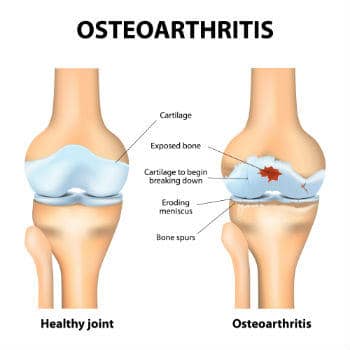
Image Source: www.willenslaw.com
The Mechanics of Trauma and Joint Degeneration
Car accidents are violent events. The sudden, forceful impacts can subject our bodies to immense stress, far beyond what they are designed to withstand during everyday activities. This trauma can affect joints in various ways, setting the stage for future arthritic changes.
How Accidents Harm Your Joints
- Direct Impact: A direct blow to a joint during a crash can fracture bones or tear ligaments and cartilage. Even if not immediately apparent, these injuries can destabilize the joint, leading to abnormal stress on its surfaces.
- Shearing Forces: The rapid acceleration and deceleration experienced in a collision can cause different parts of the body to move at different speeds. This creates shearing forces within joints, particularly in areas like the spine and knees, which can damage the delicate joint lining (synovium) and cartilage.
- Ligament and Tendon Damage: The soft tissues that support joints, such as ligaments and tendons, are often stretched or torn in car accidents. When these structures are weakened or healed improperly, they can lead to joint instability and uneven wear.
- Cartilage Injury: The smooth, slippery cartilage that covers the ends of bones in a joint can be bruised, torn, or compressed during an accident. Damaged cartilage doesn’t heal well and can begin to break down over time, a hallmark of osteoarthritis.
Degenerative Joint Disease from Trauma
Degenerative joint disease from trauma, more commonly known as post-traumatic osteoarthritis, is a specific type of arthritis that arises directly from an injury. Unlike primary osteoarthritis, which can develop gradually with age, post-traumatic osteoarthritis is a consequence of a specific event that damages the joint. This can include fractures that extend into the joint, dislocations, or severe ligamentous injuries. The altered biomechanics of the joint after such an injury can lead to increased pressure on certain areas of the cartilage, causing it to thin and break down prematurely.
Specific Injuries and Their Arthritic Potential
Different types of injuries sustained in car accidents have varying potentials to lead to arthritis. Some of the most common include:
Whiplash Arthritis: A Common Culprit
Whiplash arthritis is a recognized complication of whiplash injuries, which commonly occur in rear-end collisions. Whiplash involves sudden, forceful hyperextension and hyperflexion of the neck.
- What is Whiplash? Whiplash is an injury to the neck caused by a sudden, jerking motion of the head.
- The Link to Arthritis: The trauma from whiplash can strain or tear the ligaments and muscles in the neck. It can also cause microscopic damage to the facet joints, which are small joints located between the vertebrae in the spine. Over time, this damage can lead to inflammation and the development of arthritis in these cervical spine areas. This can result in cervical spine arthritis from accident occurrences, leading to chronic neck pain and stiffness.
Knee and Hip Injuries
The knees and hips are weight-bearing joints that are particularly vulnerable in car accidents.
- Knee Injuries: Ligament tears (like ACL or MCL tears), meniscus tears, and fractures involving the knee joint can significantly increase the risk of developing arthritis after collision. The knee’s complex structure means even subtle misalignment after an injury can lead to abnormal stress on the cartilage.
- Hip Injuries: Hip dislocations or fractures of the acetabulum (the socket of the hip joint) are severe injuries that often result in post-traumatic osteoarthritis of the hip. The impact can damage the articular cartilage or alter the joint’s smooth surface, leading to pain and stiffness.
Shoulder and Elbow Injuries
While less common than knee or hip issues, shoulder and elbow joints can also suffer damage leading to arthritis.
- Shoulder Injuries: Rotator cuff tears, shoulder dislocations, and fractures of the humerus (upper arm bone) or scapula (shoulder blade) can disrupt the shoulder’s complex mechanics, potentially causing arthritis after collision.
- Elbow Injuries: Fractures around the elbow joint, particularly those involving the articular surfaces, can lead to stiffness and the development of osteoarthritis.
The Progression of Injury-Induced Arthritis
The development of arthritis following a car accident is often a gradual process. It’s not typically an immediate outcome, but rather a long-term consequence of the initial trauma.
The Timeline of Development
- Initial Trauma: The accident occurs, causing direct injury to the joint tissues.
- Acute Inflammation: Immediately after the injury, there is often inflammation, pain, and swelling.
- Healing and Scarring: The body attempts to heal the damaged tissues. However, this healing process can sometimes result in scar tissue formation or minor deformities within the joint.
- Altered Biomechanics: The initial injury or the subsequent healing process can alter the way the joint moves, leading to uneven pressure distribution on the cartilage.
- Cartilage Breakdown: Over months or years, the compromised cartilage begins to wear down and break apart due to the abnormal stress. This is the onset of osteoarthritis.
- Symptoms Emerge: Joint pain, stiffness, swelling, and reduced range of motion become noticeable as the cartilage continues to deteriorate.
Factors Influencing Development
Several factors can influence whether and how quickly arthritis develops after an accident:
- Severity of the Injury: More severe injuries, such as displaced fractures or complete ligament ruptures, generally carry a higher risk.
- Location of the Injury: Joints that bear more weight or are subjected to higher forces are more susceptible.
- Presence of Fractures Extending into the Joint: Articular fractures are a significant risk factor.
- Age and Pre-existing Conditions: Individuals who already have some degree of joint wear or are older may be more prone to developing arthritis after an injury.
- Quality of Initial Treatment: Prompt and appropriate medical care, including proper immobilization, physical therapy, and surgical intervention when necessary, can help minimize long-term damage.
- Joint Instability: Ligamentous laxity or instability post-injury is a major contributor.
Symptoms of Accident-Related Joint Pain
The symptoms of arthritis after collision can vary widely depending on the affected joint and the extent of the damage. However, some common signs and symptoms include:
- Persistent Joint Pain: This is often the most prominent symptom. The pain may be dull, aching, or sharp, and it can worsen with activity or after periods of rest.
- Stiffness: Joints may feel stiff, especially in the morning or after inactivity. This stiffness can limit the range of motion.
- Swelling: The affected joint may become swollen and tender to the touch, especially after physical exertion.
- Reduced Range of Motion: It may become difficult to move the joint through its full range of motion.
- Grinding or Clicking Sensations: A feeling of grinding, popping, or clicking within the joint during movement can occur as the cartilage surface deteriorates.
- Instability: In some cases, the joint may feel unstable or like it could “give way.”
Diagnosis and Medical Evaluation
If you experience persistent joint pain or other symptoms after a car accident, it’s crucial to seek medical attention. A proper diagnosis is essential for effective management.
Diagnostic Tools
Doctors will typically use a combination of methods to diagnose arthritis after collision:
- Medical History: The doctor will ask about the details of the accident, the types of injuries sustained, and the onset and progression of symptoms.
- Physical Examination: The doctor will examine the affected joint, checking for tenderness, swelling, range of motion, and any signs of instability.
- Imaging Tests:
- X-rays: These are often the first imaging tests used. They can reveal bone spurs, joint space narrowing (indicating cartilage loss), and other structural changes associated with osteoarthritis. X-rays can also identify previous fractures or dislocations.
- MRI (Magnetic Resonance Imaging): MRI provides more detailed images of soft tissues, including cartilage, ligaments, and tendons. It can help detect subtle cartilage damage, tears in ligaments or menisci, and inflammation that may not be visible on X-rays.
- CT Scan (Computed Tomography): CT scans are useful for visualizing complex bone structures and can be particularly helpful in assessing fractures that involve the joint.
Distinguishing from Other Conditions
It’s important for healthcare professionals to differentiate injury-induced arthritis from other conditions that can cause joint pain after an accident, such as nerve damage, soft tissue injuries, or inflammatory arthritis. The history of trauma and specific findings on physical examination and imaging are key to making this distinction. The presence of car accident injury sequelae often points towards a traumatic origin for the joint issues.
Managing Arthritis Caused by Accidents
The management of post-traumatic osteoarthritis focuses on relieving pain, improving function, and slowing the progression of the disease. Treatment plans are often tailored to the individual’s needs and the severity of their condition.
Treatment Modalities
-
Conservative Treatments:
- Pain Management: Over-the-counter pain relievers like acetaminophen or NSAIDs (nonsteroidal anti-inflammatory drugs) may be recommended. In some cases, prescription medications or topical creams might be used.
- Physical Therapy: A tailored physical therapy program can help improve joint flexibility, strength, and range of motion. It can also teach exercises to reduce stress on the affected joint.
- Activity Modification: Learning to modify activities to avoid movements that aggravate the pain is crucial. This might involve taking breaks, using assistive devices, or avoiding high-impact activities.
- Weight Management: For weight-bearing joints like the knees and hips, maintaining a healthy weight can significantly reduce the stress on the joint.
- Bracing or Splinting: Sometimes, braces or splints can provide support and stability to an injured joint, reducing pain and improving function.
- Injections: Corticosteroid injections can provide temporary relief from pain and inflammation in the affected joint. Hyaluronic acid injections (viscosupplementation) may also be an option for some patients, particularly for knee osteoarthritis.
-
Surgical Interventions:
- Arthroscopy: This minimally invasive procedure can be used to clean out loose fragments in the joint, repair torn cartilage or ligaments, or remove inflamed tissue.
- Osteotomy: This surgery involves cutting and reshaping bone to shift weight away from the damaged part of the joint. It’s often used in younger patients to delay the need for joint replacement.
- Joint Replacement Surgery: For severe cases where conservative treatments have failed, total joint replacement (e.g., total knee replacement or total hip replacement) may be considered. This procedure replaces the damaged joint surfaces with artificial components, aiming to relieve pain and restore function.
Legal and Financial Considerations
Experiencing arthritis after collision can have significant financial and legal implications. If the arthritis is a direct result of a car accident caused by another party’s negligence, you may be entitled to compensation.
Navigating Claims
- Document Everything: Keep detailed records of all medical visits, treatments, expenses, and any lost wages due to your condition.
- Seek Legal Counsel: A personal injury attorney experienced in car accident cases can help you understand your rights and pursue a claim. They can work with your medical providers to establish the link between the accident and your subsequent arthritis after collision.
- Expert Medical Testimony: Establishing causation can sometimes require expert medical opinions to demonstrate how the car crash joint damage led to the development of arthritis. This is where understanding the car accident injury sequelae becomes critical in legal proceedings.
The Long-Term Outlook
The long-term outlook for individuals who develop injury-induced arthritis after a car accident depends on several factors, including the initial injury, the effectiveness of treatment, and the individual’s overall health. While some individuals may manage their symptoms well with conservative care, others may require more aggressive interventions, including surgery, to maintain quality of life. The trauma and spinal degeneration in cases of cervical injuries can lead to chronic pain and functional limitations for years to come.
Frequently Asked Questions (FAQ)
Q1: Can I get arthritis immediately after a car accident?
A1: While immediate pain and inflammation are common after an accident, the development of arthritis typically takes months or years to manifest. This is because arthritis is a degenerative process that starts with damage to the cartilage, which then gradually breaks down.
Q2: If I had a car accident years ago and now have arthritis, can it be related?
A2: Yes, it’s possible. Post-traumatic osteoarthritis can have a delayed onset. The initial trauma from the accident may have caused subtle damage that only becomes symptomatic as the cartilage continues to wear down over time.
Q3: What is the difference between regular arthritis and arthritis from a car accident?
A3: Arthritis from a car accident is specifically termed post-traumatic osteoarthritis or injury-induced arthritis. While the symptoms and the underlying degenerative process of cartilage breakdown are similar to other forms of osteoarthritis, the key difference is that it’s directly linked to a specific traumatic event that damaged the joint.
Q4: How can I prove my arthritis was caused by a car accident?
A4: Proving the link typically involves detailed medical records that document the accident, the initial injuries, subsequent treatments, and the progression of your symptoms. Expert medical opinions from doctors who specialize in orthopedics or rheumatology can also be crucial in establishing causation.
Q5: Does the severity of the car accident directly correlate with the likelihood of developing arthritis?
A5: Generally, yes. More severe accidents that involve direct impacts, fractures, or severe ligamentous injuries are more likely to lead to car crash joint damage that can result in arthritis compared to minor fender-benders. However, even seemingly minor injuries can sometimes trigger arthritic changes, especially if they cause subtle joint instability.
Q6: What should I do if I suspect my arthritis is due to a past car accident?
A6: You should consult with a healthcare professional, ideally an orthopedic specialist or a rheumatologist. They can evaluate your symptoms, review your medical history (including details of the accident), and perform diagnostic tests like X-rays or MRIs to determine the cause of your arthritis.
Q7: Can whiplash cause arthritis in other parts of my body, or just the neck?
A7: Whiplash specifically refers to injuries in the neck. However, the violent motion experienced during a car accident can affect other joints as well, such as the shoulders, spine, knees, or hips. If those joints sustained trauma during the accident, they could also develop injury-induced arthritis.