
Remember the warm crackle of vinyl? That rich sound is making a huge comeback, and you’re probably eager to experience it yourself. But when you start looking for a turntable amplifier, the choices can feel overwhelming, right? It’s tough to know which one will make your records sound their best without costing a fortune.
Many people want to dive into the world of vinyl but get stuck when they see the price tags. They worry about picking something that sounds cheap or won’t last. You want to enjoy your music, not spend hours trying to figure out complicated tech or break the bank.
This post is here to help. We’ll break down what makes a great budget turntable amplifier. You’ll learn what features matter most and how to find a fantastic option that fits your wallet. By the end, you’ll feel confident picking an amplifier that brings your favorite music to life.
Our Top 5 Budget Turntable Amplifier Recommendations at a Glance
Top 5 Budget Turntable Amplifier Detailed Reviews
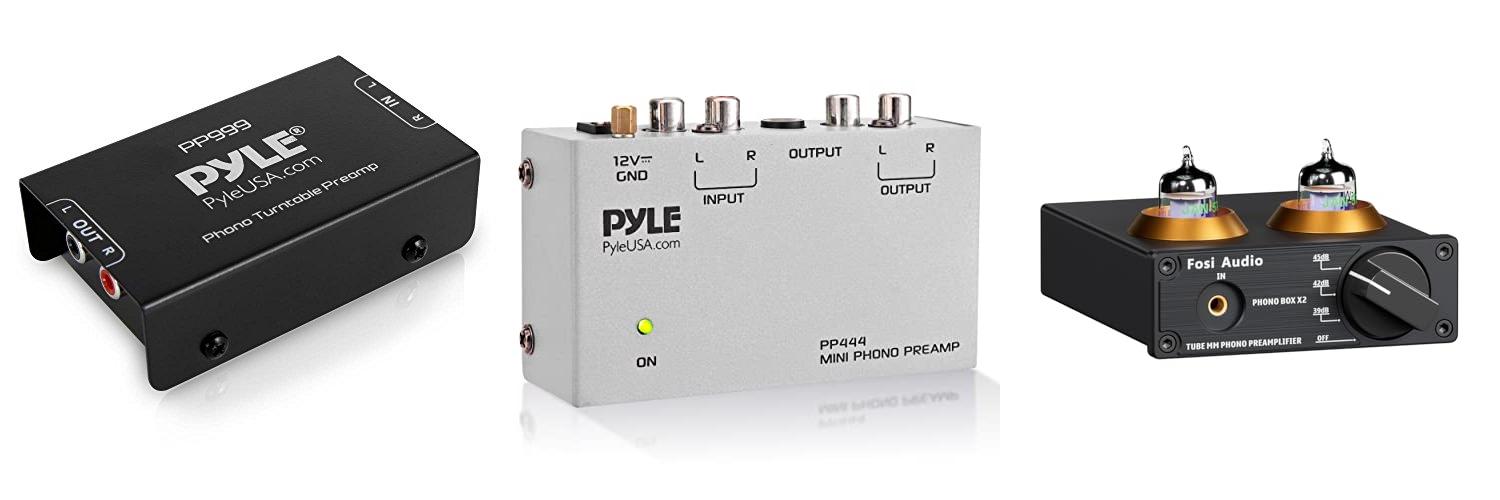
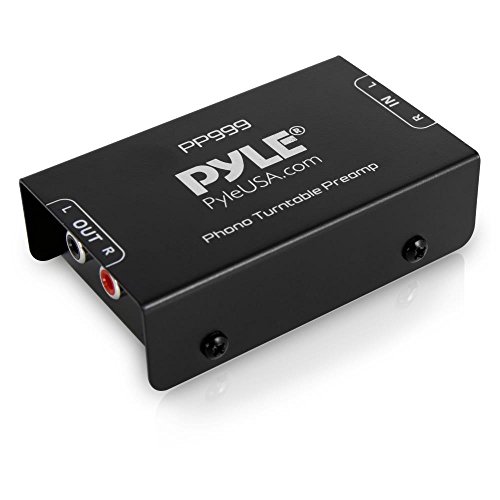
1. Pyle Mini Phono Turntable Preamp – Low Noise Stereo Preamplifier with RCA Input/Output – 12V DC Adapter – High-Fidelity Audio for Vinyl – Phonograph – Home Audio – PP999
Rating: 8.7/10
For all you vinyl lovers out there, the Pyle Mini Phono Turntable Preamp (PP999) is a game-changer. It helps you connect your trusty turntable to your modern sound system. No more missing out on that warm, analog sound just because your receiver doesn’t have a special phono input. This little box does all the hard work, turning your turntable’s signals into something your speakers can understand and amplify.
What We Like:
- It easily converts your turntable’s phono signals into line-level signals.
- It works with magnetic pickups, which are common on many turntables.
- The low-noise design means you get clearer sound without annoying hum or buzz.
- You can connect it to almost any audio device, like speakers, computers, or laptops.
- Setup is super simple with its plug-and-play RCA connections.
- It comes with a 12V DC adapter, so it’s ready to go right out of the box.
What Could Be Improved:
- To get the best sound and avoid interference, you need to place the preamp close to your turntable.
If you want to enjoy your vinyl collection with your modern audio gear, the Pyle PP999 is a straightforward and effective solution. It brings the classic sound of records to your home audio setup with ease.
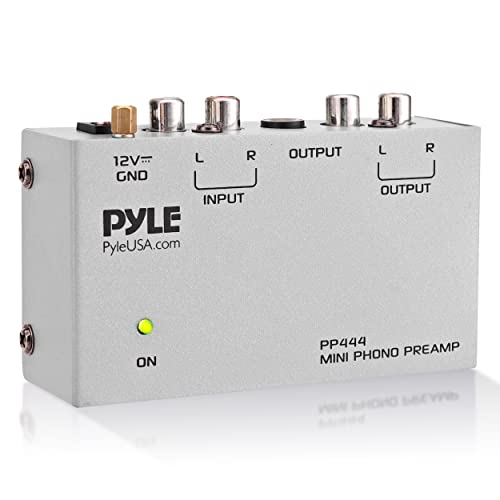
2. Pyle Ultra Compact Phono Preamp – Mini Turntable Preamp for Audio – Guitar
Rating: 8.6/10
Are you looking to connect your beloved turntable to your modern sound system? The Pyle Ultra Compact Phono Preamp (PP444) is here to help! This little box is designed to take the special signal from your record player and turn it into a signal that your receiver, computer, or speakers can understand. It’s like a translator for your music!
What We Like:
- It easily converts your turntable’s phono signal into a line-level signal.
- It works well with magnetic pickups, which are common on turntables.
- The low-noise design means your music will sound clear and crisp.
- It’s super simple to set up – just plug and play!
- You can connect it to almost any audio gear, like receivers, computers, and speakers.
- It comes with a 1-year manufacturer’s guarantee and a 30-day money-back return policy.
What Could Be Improved:
- For the best sound quality and to reduce interference, you should place the preamp close to your audio source.
This Pyle preamp is a fantastic and affordable way to bring your vinyl collection into the digital age. It’s a simple solution for a common audio problem.
3. Fosi Audio Box X2 Phono Preamp

Rating: 9.5/10
The Fosi Audio Box X2 Phono Preamp is a compact and versatile device designed to boost your turntable’s sound. It takes the signal from your record player and makes it ready for your stereo system. This little box also adds a warm, rich tone to your music, making your favorite records sound even better.
What We Like:
- It uses vacuum tubes to give your music a warm and smooth sound.
- You can adjust the volume boost with three different gain settings (39, 42, or 45 dB) to get the perfect level.
- It includes a grounding post to help get rid of unwanted humming noises.
- It’s also a tube preamp for your 3.5mm AUX input, giving you more ways to enjoy your audio.
- You can easily swap out the included vacuum tubes for different ones to change the sound.
- The package comes with everything you need to get started: the preamp, tubes, cables, power supply, and a manual.
What Could Be Improved:
- While it’s designed for MM (Moving Magnet) cartridges, it doesn’t work with MC (Moving Coil) cartridges.
- The user manual could be a bit clearer for absolute beginners.
The Fosi Audio Box X2 is a fantastic choice for anyone looking to improve their vinyl listening experience without breaking the bank. It offers great sound quality and flexibility in a small package.
4. NEOHIPO TP10 Phono Preamp for Turntable

Rating: 9.2/10
The NEOHIPO TP10 Phono Preamp is a compact and powerful device designed to elevate your turntable listening experience. It takes the weak signal from your turntable and boosts it to a level that your amplifier can easily handle, ensuring you hear every detail of your favorite vinyl records.
What We Like:
- It delivers amazing sound quality. The Signal-to-Noise Ratio (SNR) is really good, which means you get clear sound with very little background noise.
- You can connect it to different devices. It has both RCA and 3.5mm headphone outputs, so it works with most stereos and headphones.
- It plays music exactly as it was recorded. It follows RIAA standards, so your vinyl sounds authentic and detailed.
- The aluminum body makes it tough and attractive. It won’t rust like some other preamps, and it looks great on your shelf.
- It’s easy to use. The volume knob is right on top, and the anti-skid pads keep it from moving around.
- The indicator light is not too bright. It’s easy on your eyes, especially if you listen to music in the dark.
- The package includes everything you need to get started: the preamp, a power adapter, and a user manual.
What Could Be Improved:
- While the aluminum body is durable, it could be a little heavier to feel even more solid.
- The power supply is a standard DC 12V, which is fine, but some users might prefer more advanced power options.
Overall, the NEOHIPO TP10 is a fantastic choice for anyone looking to improve their turntable setup without breaking the bank. It offers great sound and user-friendly features in a stylish package.
5. Phono Turntable Preamp

Rating: 8.6/10
This Phono Turntable Preamp is a handy device for anyone who loves their vinyl records. It helps your turntable connect to modern sound systems, making your music sound clearer and louder. If your turntable doesn’t have a built-in preamp, this little box will make a big difference.
What We Like:
- It converts your turntable’s phono signal into a better-sounding line level.
- The low-noise design means you hear your music, not buzzing or humming.
- It has easy RCA input and output connections, so you just plug it in.
- Setup is super simple – just connect your turntable and your audio device.
- It comes with a 12-volt DC adapter.
- You get a 30-day money-back guarantee and a 1-year warranty.
What Could Be Improved:
- It’s important to check if your turntable already has a preamp. Using this one with a built-in preamp could cause noise.
This preamp is a great way to bring your vinyl collection to life with your modern audio gear. It’s easy to use and delivers good sound quality.
Your Guide to Awesome Sound: Choosing a Budget Turntable Amplifier
So, you’ve got a turntable and a stack of vinyl records. That’s fantastic! But to actually *hear* your music, you need an amplifier. And if you’re on a budget, you might be wondering what to look for. Don’t worry, this guide will help you find a great budget turntable amplifier that makes your records sound amazing without breaking the bank.
What to Look for in a Budget Turntable Amplifier
1. Phono Input: The Special Sauce
This is the most important thing! A turntable amplifier needs a special input called a “phono input.” This input is designed to work with the tiny, delicate signal that comes from your turntable’s cartridge. Without it, your music will sound super quiet and thin. Some amplifiers have a built-in phono stage, while others don’t. If it doesn’t have a phono input, you’ll need to buy a separate phono preamplifier.
2. Power Output: How Loud Can It Get?
Amplifiers have power ratings, usually measured in watts (W). For a small room or listening at moderate volumes, 20-50 watts per channel is usually enough. If you have larger speakers or like to crank it up, you might want something with a bit more power. Don’t get too hung up on super high wattage numbers for a budget amp; it’s often more about how cleanly the amp can deliver its power.
3. Connectivity: Plugging Things In
Check how many inputs the amplifier has. You’ll definitely need an input for your turntable (the phono input). You might also want inputs for other devices like a CD player, a streaming device, or even your TV. Look for RCA inputs (the red and white jacks) – they are the most common.
4. Speaker Outputs: Connecting Your Sound Makers
Make sure the amplifier has speaker outputs that match your speakers. Most budget amplifiers use “binding posts,” which are small screw-down terminals that let you connect speaker wire securely. Some might have spring clips, which are a bit less robust.
5. Build Quality and Materials: It Matters
Even on a budget, you want something that feels solid. Look for amplifiers with a metal chassis rather than plastic. A metal case helps reduce interference and makes the amp feel more durable. The internal components, like capacitors and transistors, also play a role in sound quality. While you can’t always see these on the outside, reputable brands tend to use better parts.
Factors That Improve or Reduce Quality
Good quality amplifiers use clean power supplies. This means they have transformers and filtering that prevent unwanted noise from getting into your music. Cheaper amps might cut corners here, leading to a hum or buzz.
A well-designed phono stage is crucial. It needs to correctly boost and equalize the signal from your turntable. A poorly designed one can add distortion or make your records sound harsh.
The overall circuit design also makes a big difference. More advanced designs can offer better clarity and detail in the sound.
User Experience and Use Cases
A budget turntable amplifier is perfect for anyone just starting their vinyl journey. It’s ideal for setting up a simple, high-quality stereo system in a bedroom, dorm room, or small living area. You can connect your turntable, a pair of bookshelf speakers, and enjoy your favorite albums.
These amps are also great for people who want to upgrade from a basic all-in-one record player. They offer a significant improvement in sound quality.
The user experience should be straightforward. You plug in your turntable and speakers, select the right input, and turn it up. Simple controls are usually best for budget models.
Frequently Asked Questions about Budget Turntable Amplifiers
Q: Do I really need a special “phono input”?
A: Yes, you absolutely do. A turntable’s output signal is very weak and needs special boosting and equalization. A regular “line input” won’t work correctly.
Q: What does “watts per channel” mean?
A: It tells you how much power the amplifier can send to each speaker. More watts generally mean it can play louder without distorting.
Q: Can I use any speakers with a budget amplifier?
A: You can, but it’s best to match the amplifier’s power output to your speakers’ sensitivity. Very inefficient speakers might not get loud enough with a low-power amp.
Q: What if an amplifier doesn’t have a phono input?
A: You can buy a separate phono preamplifier. This small box plugs between your turntable and the amplifier’s regular input.
Q: How important is the amplifier’s build material?
A: A metal build is generally better. It makes the amp more durable and can help block out unwanted electrical noise.
Q: Will a budget amplifier sound “bad”?
A: Not necessarily! Many budget amplifiers offer excellent sound for the price. They might not have all the fancy features of expensive models, but they can still sound very good.
Q: What’s the difference between an amplifier and a receiver?
A: A receiver usually includes a radio tuner (AM/FM) in addition to the amplifier. An amplifier just boosts the audio signal.
Q: How many inputs do I need?
A: At least one for your turntable. Two or three is usually a good number for other devices like a CD player or streamer.
Q: Can I connect headphones to a budget turntable amplifier?
A: Many budget amplifiers have a headphone jack. Check the product description to be sure.
Q: Where should I place my amplifier?
A: Give it some space to breathe! Amplifiers generate heat, so avoid putting them in tight, enclosed spaces.
In conclusion, every product has unique features and benefits. We hope this review helps you decide if it meets your needs. An informed choice ensures the best experience.
If you have any questions or feedback, please share them in the comments. Your input helps everyone. Thank you for reading.