
Have you ever put on your favorite song, only to feel like something is missing? Maybe the bass isn’t strong enough, or the vocals sound a little muffled. You know your Bose headphones can sound amazing, but getting them *just right* can feel like a puzzle.
Choosing the perfect Bose equalizer settings can be tricky. It’s not as simple as picking one button. You want your music to sound exactly how you like it, whether you’re jamming out to a rock concert or enjoying a quiet podcast. But with so many settings, it’s easy to get confused and feel frustrated. You might even wonder if you’re missing out on the best sound your Bose gear can offer.
Don’t worry! This post is here to help. We’ll break down the basics of Bose equalizer settings in a way that’s easy to understand. You’ll learn how to tweak your sound so your music truly comes alive. Get ready to hear your favorite tracks like never before!
Our Top 5 Bose Equalizer Settings Recommendations at a Glance
| Image | Product | Rating | Links |
|---|---|---|---|
 |
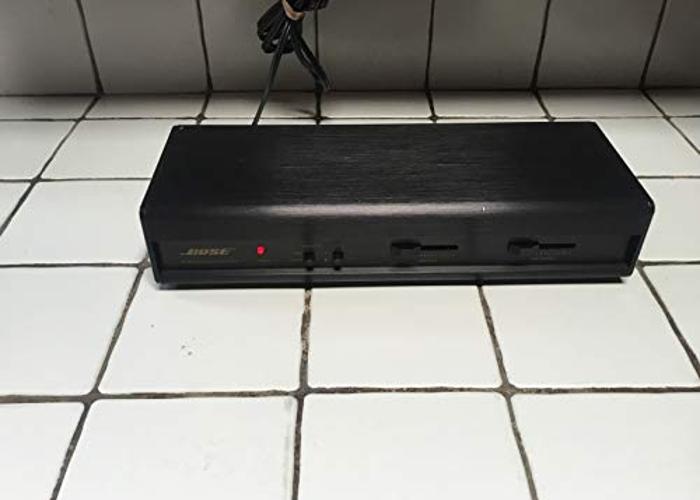
Bose 901 Series VI Active Equalizer | 8.8/10 | Check Price |
Top 5 Bose Equalizer Settings Detailed Reviews
1. Bose 901 Series VI Active Equalizer
Rating: 9.1/10
The Bose 901 Series VI Active Equalizer is a special piece of equipment. It’s designed to work with specific Bose speakers. This equalizer helps make your music sound its best. It adjusts the sound to give you a really clear and full listening experience. You can’t just buy this equalizer on its own, though. It’s part of a bigger system.
What We Like:
- It significantly improves the sound quality of the 901 Series VI loudspeakers.
- It delivers a more balanced and natural audio performance.
- The system creates an immersive soundstage.
- It’s a key component for unlocking the full potential of the speakers.
What Could Be Improved:
- It is not sold separately; you must buy it with two 901 Series VI loudspeakers.
- This makes it impossible to purchase the equalizer if you already own the speakers.
- The cost of the package might be higher than some users expect.
- Limited purchasing options can be frustrating for those who only need the equalizer.
If you are investing in the Bose 901 Series VI loudspeakers, this equalizer is an essential part of the package. It truly makes a difference in how your music sounds.
Unlocking Your Sound: A Guide to Bose Equalizer Settings
Why Equalizer Settings Matter for Your Bose Gear
Your Bose headphones or speakers are amazing, but did you know you can make them sound even better? That’s where equalizer (EQ) settings come in. Think of an EQ like a volume knob for different sound frequencies – the low bass, the clear mids, and the bright highs. By adjusting these, you can tailor the sound to your music, your ears, and even your mood!
Key Features to Look For
1. Customizable EQ Sliders
The best Bose products offer customizable EQ sliders. This means you can manually adjust the bass, mid-range, and treble to your liking. Some apps might even offer more detailed control over specific frequency bands.
2. EQ Presets
Many Bose devices come with pre-set EQ options. These are great for quick adjustments. You might find presets like “Bass Boost,” “Vocal Boost,” or “Balanced.” They offer a good starting point for different listening scenarios.
3. Adaptive EQ
Some advanced Bose headphones use adaptive EQ. This technology automatically adjusts the sound based on how your headphones fit your ears and the environment you’re in. It’s like having a personal sound engineer working for you!
4. EQ in the Bose Music App
Most modern Bose wireless headphones and speakers connect to the Bose Music app. This app is usually where you’ll find and control all your EQ settings. A well-designed app makes adjusting EQ easy and intuitive.
Important Materials (It’s All About the Sound!)
While you won’t be touching the “materials” of the EQ itself, the quality of your Bose hardware directly impacts how well those EQ adjustments translate. High-quality drivers (the little speakers inside your headphones) and good acoustic design in the earcups or speaker enclosure are crucial. These allow the EQ to make a noticeable difference.
Factors That Improve or Reduce Quality
What Improves Sound Quality:
- Well-Tuned EQ Presets: When Bose provides smart presets that genuinely enhance the listening experience for common genres.
- Intuitive App Interface: An easy-to-navigate app makes it simple to find and adjust EQ settings, even for beginners.
- Good Source Audio: Playing high-quality audio files (like FLAC or well-encoded MP3s) will always sound better, no matter your EQ settings.
- Understanding Your Music: Knowing what you want to hear – more bass in hip-hop, clearer vocals in podcasts – helps you use EQ effectively.
What Reduces Sound Quality:
- Over-Adjusting EQ: Pushing sliders too far can distort the sound or make it sound unnatural. Less is often more.
- Poorly Designed Presets: Some presets might make the sound muddy or tinny.
- Low-Quality Audio Files: Trying to fix bad audio with EQ is like putting lipstick on a pig – it won’t magically make it good.
- Ignoring the Source: If your music sounds bad before EQ, EQ can only do so much.
User Experience and Use Cases
Using Bose EQ settings is all about personalization. Here are some common ways people use them:
1. Music Lovers:
Adjusting bass for energetic beats, boosting mids for clear vocals in acoustic songs, or taming harsh treble in rock music.
2. Podcast & Audiobook Enthusiasts:
Boosting the mid-range frequencies to make voices clearer and easier to understand, especially in noisy environments.
3. Gamers:
Enhancing in-game sound effects. You might want to boost bass for explosions or enhance higher frequencies for subtle footsteps.
4. Home Theater/Living Room Audio:
Fine-tuning your Bose soundbar or speakers to match the acoustics of your room for a more immersive movie or TV watching experience.
Frequently Asked Questions (FAQ) about Bose Equalizer Settings
Q: What are the main Key Features of Bose EQ?
A: Key features include customizable EQ sliders, helpful EQ presets, and sometimes adaptive EQ technology. The Bose Music app is usually where you control these.
Q: How do I access the EQ settings on my Bose headphones?
A: You typically access EQ settings through the Bose Music app on your smartphone or tablet. Connect your headphones to the app, and you should find the EQ options there.
Q: Can I create my own EQ presets?
A: Yes, many Bose devices allow you to create and save your own custom EQ settings. This lets you tailor sound for specific songs or activities.
Q: What does “Bass Boost” do?
A: “Bass Boost” increases the volume of the low-frequency sounds, making the music sound deeper and more powerful. It’s great for genres like hip-hop or electronic music.
Q: What does “Vocal Boost” do?
A: “Vocal Boost” (or similar mid-range enhancements) increases the volume of the mid-frequency sounds. This makes voices, like those in podcasts or singers’ lyrics, sound clearer and more prominent.
Q: Is it better to use presets or manual EQ?
A: It depends! Presets are quick and easy. Manual EQ gives you more control to find exactly the sound you want. Many people start with presets and then tweak them manually.
Q: Can EQ settings fix bad audio quality?
A: EQ can help improve the sound of decent audio, but it can’t magically fix very poor-quality recordings. It’s best to start with good source material.
Q: How do I know if I’m using the EQ correctly?
A: Trust your ears! If the sound is more enjoyable and clearer to you after adjusting the EQ, you’re using it correctly. Avoid making the sound distorted or unnatural.
Q: Are EQ settings the same for all Bose products?
A: No, the EQ options can vary depending on the specific Bose headphones or speaker model and the version of the Bose Music app.
Q: Should I always use EQ?
A: Not necessarily. Many Bose products sound excellent with their default settings. EQ is a tool to further personalize your listening experience if you feel the need.
In conclusion, every product has unique features and benefits. We hope this review helps you decide if it meets your needs. An informed choice ensures the best experience.
If you have any questions or feedback, please share them in the comments. Your input helps everyone. Thank you for reading.