
Imagine the sound of a lone bluesman, his guitar crying out with a soulful, gritty tone that reaches right into your heart. That iconic sound, the very essence of blues guitar, doesn’t just come from the fingers on the fretboard. It’s born from the magic of the amplifier. But with so many amps out there, choosing the one that captures that perfect bluesy voice can feel like navigating a maze.
You want that warm, rich overdrive, that clear chime, that responsive feel that lets your guitar sing. Yet, the sheer number of brands, wattage levels, and tube types can leave you feeling overwhelmed. It’s easy to get lost in technical jargon and wonder if you’re making the right choice for your sound and your wallet. That’s where we come in.
This guide is your roadmap to finding the blues guitar amplifier that will truly inspire you. We’ll break down what makes an amp sound “bluesy,” explore the key features to look for, and help you understand the differences between popular choices. By the end, you’ll have the confidence to pick an amp that not only sounds fantastic but also feels like an extension of your own musical soul.
Our Top 5 Blues Guitar Amplifiers Recommendations at a Glance
Top 5 Blues Guitar Amplifiers Detailed Reviews
1. Fender Blues Junior Guitar Amplifier

Rating: 9.2/10
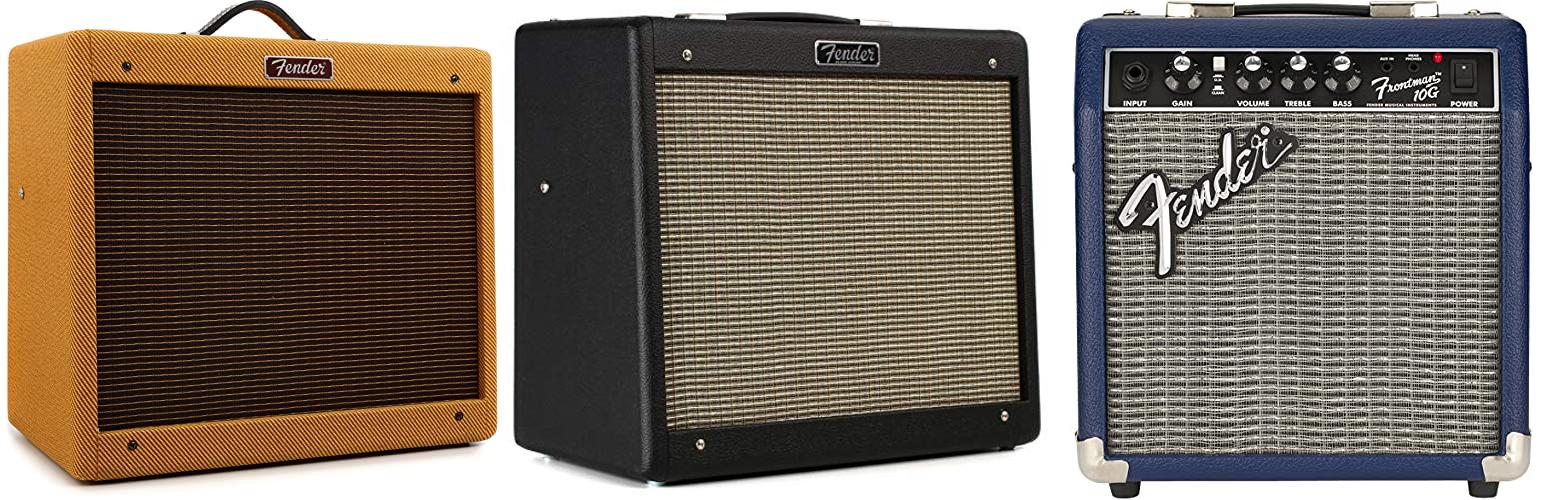
The Fender Blues Junior Lacquered Tweed amp brings classic tube sound to your fingertips. This amp is built for players who love warm, rich guitar tones. It’s a fantastic choice for practice, small gigs, or recording sessions. The special lacquered tweed finish not only looks cool but also adds to its lasting quality.
What We Like:
- It delivers that classic warm tube tone you hear on so many great records.
- The EL84 power tubes and 12AX7 pre-amp tubes work together to create amazing sound.
- The “FAT” switch is a neat feature. It makes your guitar sound thicker and adds a little extra grit when you want it.
- The built-in spring reverb sounds awesome. It gives your guitar a big, echoing sound like a concert hall.
- The lacquered tweed cabinet is tough and will last for years. It looks really stylish too.
- The Jensen P12N speaker sounds warm and clear. It makes every note sing.
- It comes with a 2-year warranty, which gives you peace of mind.
What Could Be Improved:
- Some players might want more volume for larger venues without needing extra gear.
- While the reverb is good, some might wish for more control over its sound.
This Fender Blues Junior amp is a reliable and great-sounding companion for any guitarist. It offers a blend of vintage charm and modern player-friendly features.
2. Fender Blues Junior IV Guitar Amplifier

Rating: 9.2/10
The Fender Blues Junior IV is a classic guitar amp that’s gotten even better. It’s a 15-watt amp, which is just right for practicing at home or playing small gigs. This amp has a great sound that many guitarists love. It comes in a sleek black finish and includes a 2-year warranty for peace of mind.
What We Like:
- The 15 watts of power are perfect for practice and small shows.
- It features a Celestion 12″ A-Type speaker that delivers a warm and clear tone.
- The preamp circuit was updated to sound fuller and richer.
- The spring reverb is now smoother, adding a nice ambiance to your playing.
- It includes a footswitch to easily activate a “fat Mid boost” for extra punch.
- The 2-year warranty offers good protection.
What Could Be Improved:
- For very loud band practices or larger venues, 15 watts might not be enough.
- While the reverb is smoother, some players might want even more control.
This amp offers a fantastic sound for its size and price. It’s a reliable choice for guitarists looking for that Fender tone.
3. Fender Frontman 10G Electric Guitar Amplifier – Midnight Blue

Rating: 8.9/10
The Fender Frontman 10G Electric Guitar Amplifier in Midnight Blue is a fantastic choice for beginner guitarists or anyone needing a compact practice amp. Its cool midnight blue finish looks great in any room. This amp delivers a solid 10 watts of power, which is plenty for practicing at home. It features a 6-inch Fender Special Design speaker that provides clear and punchy sound.
What We Like:
- The 10-watt power is just right for practicing at home without being too loud.
- The simple controls – gain, volume, treble, and bass – make it easy to dial in your sound.
- The overdrive switch lets you easily switch to a rockier, grittier tone.
- It has an auxiliary input, so you can plug in your phone or MP3 player and jam along to your favorite songs.
- The headphone jack is super handy for quiet practice sessions when you don’t want to disturb anyone.
- The closed-back construction helps give the sound a bit more punch.
- The Midnight Blue color is stylish and stands out.
What Could Be Improved:
- While great for practice, the 10 watts might not be enough for playing with a full band.
- A built-in tuner would have been a nice addition.
Overall, the Fender Frontman 10G is an excellent, user-friendly amplifier for its price. It’s a reliable companion for any guitarist looking to hone their skills.
4. JOYO Mini Guitar Amp 5W Portable – Rechargeable Bluetooth Combo Amplifier with Built-in Effects (Clean

Rating: 9.4/10
The JOYO Mini Guitar Amp 5W is a super handy little amp for guitar players. It’s small and easy to carry around, so you can practice your favorite songs anywhere. This amp comes with cool built-in effects like clean, overdrive, distortion, and reverb. You can also connect your phone or tablet with Bluetooth to play along with music or backing tracks. It’s rechargeable, giving you about 5 hours of playtime on a single charge. Plus, it works with most electric guitars and even some other instruments.
What We Like:
- Super compact and portable – you can take it anywhere!
- Comes with four useful built-in effects (clean, overdrive, distortion, reverb) to spice up your sound.
- Bluetooth 5.1 lets you easily play along with music from your phone or tablet.
- Rechargeable battery offers around 5 hours of practice time.
- Good compatibility with most electric guitars, and it even includes an extension plug for guitars with shorter output jacks.
- Simple plug-and-play design makes it easy to start playing right away.
What Could Be Improved:
- The 5W power might not be loud enough for jamming with a full band.
- Users need to be careful to use the correct charger (5V 2A) to avoid damaging the amp.
This JOYO amp is a fantastic option for anyone who wants a convenient and fun way to practice their guitar skills. It packs a lot of features into a tiny package.
5. Blue Book of Guitar Amplifiers

Rating: 8.6/10
The Blue Book of Guitar Amplifiers is a treasure trove for guitarists. It’s packed with information about all sorts of guitar amps. You’ll find details about classic amps and newer ones too. This book helps you understand different amp features. It’s a great resource for anyone wanting to learn more about the gear that shapes their sound.
What We Like:
- Covers a wide range of amplifiers, from vintage to modern.
- Provides helpful details about amp circuits and specifications.
- Great for identifying and valuing used guitar amps.
- This specific copy is in good condition, meaning it’s still very usable.
- The information is presented clearly, making it easy to understand.
What Could Be Improved:
- As a used book, it might have some minor signs of wear.
- It doesn’t include information on the very latest amplifier releases.
- Some of the older editions might not have as many brands covered.
This Blue Book of Guitar Amplifiers is a fantastic tool for any guitarist. It’s a smart buy for those looking to expand their amp knowledge without breaking the bank.
Choosing Your Sound: A Guide to Blues Guitar Amplifiers
Blues music needs a special kind of amplifier. It needs to sing. It needs to cry. It needs to have soul. Finding the right amp can make a huge difference in your playing. This guide will help you pick the perfect blues guitar amplifier.
Key Features to Look For
When you shop for a blues amp, some features stand out.
1. Tube Amplifiers
Most blues guitarists prefer tube amps. They use vacuum tubes to create their sound. Tubes give a warm, rich tone. They also get really responsive when you turn up the volume. This responsiveness is called “touch sensitivity.” It means the amp plays differently depending on how hard you strum.
2. Wattage
Wattage tells you how loud the amp can get. For home practice, 5-15 watts is usually enough. For playing with a band, you might need 20-40 watts. More watts mean more headroom, which is the point before the amp starts to distort.
3. Speaker Size and Type
The speaker is a big part of the amp’s sound. Common sizes are 10-inch and 12-inch speakers. Larger speakers often produce a fuller sound. Different speaker brands and types have unique voices. Many classic blues amps use Celestion speakers.
4. Simple Controls
Blues amps often have simple controls. You’ll usually find knobs for Volume, Tone, and maybe a Gain or Drive knob. This simplicity lets you focus on your playing and guitar.
Important Materials
The materials used in an amp affect its sound and how long it lasts.
1. Cabinet Wood
The wood used for the amplifier’s cabinet matters. Pine is common and gives a bright, lively sound. Solid woods like pine or birch are better than particleboard. They help the amp vibrate and produce a better tone.
2. Speaker Cone Material
The speaker cone is the part that moves to make sound. Paper cones are very common and offer a classic blues tone. They are light and responsive.
Factors That Improve or Reduce Quality
Good amps have certain qualities. Cheap amps often miss them.
1. Build Quality
A well-built amp sounds better and lasts longer. Look for sturdy construction. Check that the knobs feel solid and don’t wobble. Good soldering inside the amp is also important.
2. Circuit Design
The amp’s internal circuit design is crucial. Many great blues amps use simple, effective circuits. These circuits are often based on classic designs from the 1950s and 1960s.
User Experience and Use Cases
How you plan to use your amp will guide your choice.
1. Home Practice
For practicing at home, a lower-wattage tube amp is ideal. You can get that classic blues breakup sound without making your neighbors angry. Small combos (amp and speaker in one unit) are perfect.
2. Gigging and Live Performance
If you play with a band, you need more power. A 20-40 watt amp is a good starting point. You want enough volume to keep up with drums and bass. Some players use head and cabinet setups for more flexibility.
3. Recording
Many blues players love how tube amps sound when recorded. They capture a special warmth. Even at lower volumes, a good tube amp can deliver fantastic recorded tones.
Frequently Asked Questions (FAQ)
Q: What is the most important feature for a blues amp?
A: Most blues players agree that a warm, responsive tone is the most important feature. Tube amplifiers are known for this.
Q: Are solid-state amps bad for blues?
A: Not necessarily. While tube amps are preferred, some modern solid-state amps can produce great blues tones. They are often more affordable and reliable.
Q: How loud should my blues amp be?
A: For home practice, 5-15 watts is usually loud enough. For gigs, 20-40 watts is a good range.
Q: What does “headroom” mean in an amplifier?
A: Headroom is the amount of volume an amp has before it starts to distort or “break up.” More headroom means a cleaner sound at higher volumes.
Q: Should I get a combo amp or a separate head and cabinet?
A: A combo amp is an all-in-one unit and is simpler. A head and cabinet setup offers more flexibility in speaker choice and sound.
Q: What kind of effects are common with blues amps?
A: Blues players often use simple effects like overdrive pedals for more crunch and reverb for a sense of space.
Q: Is a vintage amp better than a new one?
A: Vintage amps can have amazing tone, but they can also be expensive and require more maintenance. Modern amps often offer great tone with more reliability.
Q: How important is the speaker for blues tone?
A: The speaker is very important. It shapes the overall sound of the amplifier.
Q: Can I get a good blues tone at low volumes?
A: Yes, especially with tube amps. Many amps are designed to sound good even when not played at full volume.
Q: What is “tube breakup”?
A: Tube breakup is the natural distortion that happens when a tube amp is pushed hard. This is a highly sought-after sound in blues music.
In conclusion, every product has unique features and benefits. We hope this review helps you decide if it meets your needs. An informed choice ensures the best experience.
If you have any questions or feedback, please share them in the comments. Your input helps everyone. Thank you for reading.