
Ever feel like your Spotify music is missing that deep, rumbling bass that makes your favorite songs truly come alive? You’re not alone. So many of us crank up the volume, hoping for that satisfying thump, only to be met with a thin, tinny sound. It can be frustrating when you just want to enjoy your music to its fullest potential.
Finding the perfect bass equalizer settings in Spotify can feel like navigating a maze. There are so many sliders and options, and it’s tough to know which ones will give you the sound you’re looking for. Do you want a subtle boost, or a powerful punch? This confusion can stop you from getting the best listening experience possible.
But what if we told you that unlocking that powerful bass is easier than you think? In this post, we’ll break down how to find the best bass equalizer settings for Spotify. You’ll learn how to make your music sound richer, fuller, and more exciting. Get ready to feel the music in a whole new way!
Our Top 5 Bass Equalizer Settings Spotify Recommendations at a Glance
Top 5 Bass Equalizer Settings Spotify Detailed Reviews
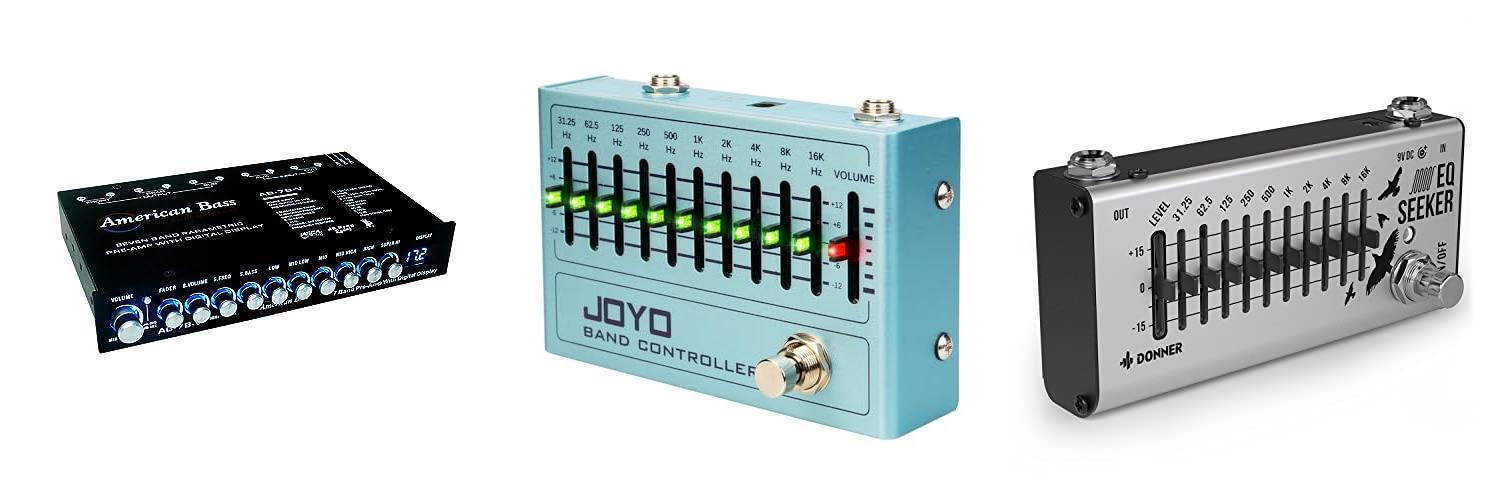
1. American Bass High End 7 Band Equalizer Voltage Display

Rating: 9.1/10
Get ready to take your car’s sound system to the next level with the American Bass High End 7 Band Equalizer Voltage Display. This awesome gadget lets you fine-tune your music exactly how you want it. You can control seven different sound frequencies: 50Hz, 125Hz, 315Hz, 750Hz, 2.2KHz, 6KHz, and 12KHz. It also gives you a powerful 7 V preamp output, two RCA inputs, and a fader control. Plus, you can adjust your subwoofer’s frequency from 30 to 300Hz and control its volume. The equalizer’s dimensions are 9″L x 8″W x 2″H, fitting nicely into your dashboard.
What We Like:
- Offers precise control over seven different sound frequencies for a custom listening experience.
- The 7 V preamp output provides a strong signal for your amplifiers.
- Includes a fader control to balance sound between front and rear speakers.
- Dedicated subwoofer frequency and volume controls let you dial in the perfect bass.
- The built-in voltage display helps you monitor your car’s electrical system.
What Could Be Improved:
- The 2 RCA inputs might be limiting if you have many audio sources.
- For some users, finding the exact right spot for the 7 frequency steps could take a little practice.
This American Bass equalizer is a fantastic tool for any serious music lover who wants to sculpt their car audio. It empowers you to craft a sound that truly rocks.
2. JOYO EQ Pedal 10 Band Equalizer (31.25Hz-16kHz) for Electric Guitar

Rating: 9.3/10
Shape your sound with the JOYO EQ Pedal 10 Band Equalizer (R-12). This versatile pedal lets you fine-tune your guitar or bass tone with ten different frequency sliders. It works for everything from a 4-string bass to a 7-string guitar. Plus, it has a handy volume knob to boost or cut your overall signal. The cool LED lights make it look awesome on your pedalboard.
What We Like:
- It gives you precise control over ten different sound frequencies.
- The pedal works for both electric guitars and basses, even ones with extra strings.
- You can easily adjust your overall volume with the separate knob.
- The futuristic and retro look with ambient lighting is really neat.
- JOYO is a trusted brand with lots of popular gear.
What Could Be Improved:
- To get the best sound and avoid noise, you’ll need a separate power supply.
This JOYO EQ pedal is a powerful tool for any musician wanting to dial in their perfect sound. It’s a great addition to any pedalboard, offering both sonic flexibility and a cool visual flair.
3. Donner EQ Pedal

Rating: 8.6/10
The Donner EQ Pedal, also known as the EQ Seeker, is a powerful tool for guitar and bass players. It’s a compact 10-band equalizer that helps you shape your sound. This pedal works well for any kind of music you play. It uses good parts to make sure your sound is clear and the pedal lasts a long time on the road.
What We Like:
- It’s small and easy to carry around.
- It works for all music styles.
- It has 10 bands to control your sound precisely.
- You can boost or cut each sound band by 15 dB.
- The whole pedal is made of strong aluminum.
- It has true bypass, so your original sound stays pure.
- It doesn’t add any extra noise to your signal.
What Could Be Improved:
- The power adapter is not included with the pedal.
This Donner EQ pedal is a solid choice for musicians who want to fine-tune their tone. Its strong build and clear sound make it a reliable addition to any pedalboard.
4. AZOR 5 Band Bass Guitar EQ Pedal Equalizer Effects Pedal for Electric Bass True Bypass Aluminium-Alloy

Rating: 9.1/10
The AZOR 5 Band Bass Guitar EQ Pedal is a powerful tool for any bassist looking to shape their sound. This pedal gives you precise control over five different sound frequencies, letting you dial in exactly the tone you want for any musical situation. Its sturdy build means it can handle the rigors of gigging and practice.
What We Like:
- Achieve Your Perfect Tone: The five frequency bands (62.5Hz, 125Hz, 500Hz, 1KHz, 4KHz) and 18dB range let you sculpt your bass sound with great detail. You can easily find the perfect tone for your playing style.
- Versatile Level Control: The level slider adds another layer of control. You can boost your natural sound or push your amplifier for more power.
- Durable and Portable Design: Made from tough aluminum alloy, this pedal is built to last. Its small size makes it easy to carry around for jam sessions or gigs.
- Great Gift for Guitarists: It’s an excellent gift for any guitarist, regardless of their skill level.
- Worry-Free Warranty: All AZOR Pedals come with a one-year maintenance service, so you can buy with confidence.
What Could Be Improved:
- While the pedal offers great control, some users might desire even finer adjustments or more specialized frequency bands for extremely niche tonal shaping.
- The “true bypass” feature is excellent for signal integrity, but it’s always worth noting for those who might prefer buffered bypass for very long pedal chains.
Overall, the AZOR 5 Band Bass Guitar EQ Pedal is a solid choice for bassists seeking greater tonal control and a reliable piece of gear. Its blend of features, durability, and warranty makes it a worthy addition to any pedalboard.
5. 7 Band Sound Equalizer

Rating: 9.1/10
Take control of your audio with the 7 Band Sound Equalizer. This powerful little box helps you fine-tune your sound for recording, streaming, or podcasting. It lets you adjust different sound frequencies, like bass and treble, to make everything sound just right. Plus, it works with your headphones and even your phone.
-
What We Like:
- It’s built tough with an aluminum alloy body, so it will last a long time.
- You get seven different bands to adjust your sound, giving you lots of control.
- The 12dB boost for bass makes your low sounds really punchy.
- It has a 3.5mm jack that works with most headphones, even ones with a microphone.
- The 4580 op amp provides a strong 5 times gain for your audio signal.
- It’s powered by DC5V or 12V, making it easy to plug in.
- The instructions for setting it up might be a bit tricky for beginners.
- While it has a headphone amplifier, it might not be powerful enough for very high-impedance headphones.
- The “digital equalizer” part of the name might be a little misleading as the core equalization is analog.
What Could Be Improved:
This 7 Band Sound Equalizer is a solid choice for anyone wanting to improve their audio quality. It offers great flexibility for its price.
Get Ready to Feel the Bass: Your Spotify Equalizer Guide
Want to make your music sound amazing on Spotify? The equalizer is your secret weapon. It lets you tweak the sound, making the bass boom or the treble sparkle. This guide will help you understand Spotify’s equalizer and find the best settings for your ears.
1. Key Features to Look For
When you dive into Spotify’s equalizer, you’ll see different sliders. These sliders control different parts of the sound, like the low notes (bass) and the high notes (treble).
- Frequency Bands: These are the sliders themselves. Each one controls a specific range of sound frequencies.
- Preset Options: Spotify gives you some ready-made settings for different music styles like “Rock,” “Pop,” or “Hip-Hop.”
- Custom Settings: You can move the sliders yourself to create your own unique sound.
2. Important Materials (For Your Ears!)
While there aren’t “materials” you buy for the equalizer itself, the quality of your headphones or speakers matters a lot.
- Headphones: Good headphones can reproduce bass sounds clearly. Cheap ones might make the bass sound muddy.
- Speakers: If you’re listening through speakers, the size and quality of the speaker drivers affect how well you hear the bass.
Think of it like this: A fancy oven (equalizer) can make a great cake, but you still need good ingredients (headphones/speakers) for the best result.
3. Factors That Improve or Reduce Quality
What makes your bass sound awesome or just… meh?
Factors That Improve Bass Quality:
- Good Headphones/Speakers: As we said, this is key!
- Correct EQ Settings: Finding the right balance of bass for your music.
- Clean Audio Source: Spotify’s streaming quality also plays a role.
Factors That Reduce Bass Quality:
- Poor Quality Headphones/Speakers: They can’t reproduce deep bass well.
- Over-boosting Bass: Too much bass can make music sound distorted and unclear.
- Bad EQ Settings: Settings that don’t match the music genre.
4. User Experience and Use Cases
Using Spotify’s equalizer is pretty straightforward. You usually find it in the app’s settings.
How to Use It:
On most devices, you’ll go to Settings, then “Playback,” and you should see an “Equalizer” option. Tap it, and you’ll see the sliders and presets.
Use Cases:
- Making Bass Pop in Hip-Hop: Boost the lower frequency sliders.
- Adding Clarity to Rock: You might want to slightly reduce the super-low bass and boost mid-range frequencies.
- Enjoying Electronic Music: Many electronic genres benefit from a strong, clear bass presence.
- Personal Preference: Simply making music sound the way *you* like it best!
Experimenting is the best way to find what sounds good to you.
Frequently Asked Questions (FAQ)
Q: What are the main Key Features of Spotify’s equalizer?
A: The main features are the frequency sliders that let you adjust different sound levels, and the preset options for common music genres.
Q: How do I find the equalizer in the Spotify app?
A: Go to Settings, then find “Playback,” and you should see the “Equalizer” option there.
Q: Can I save my custom equalizer settings?
A: Yes, you can create your own settings and Spotify will usually remember them for you.
Q: Does Spotify’s equalizer work on all devices?
A: It’s available on most mobile devices (phones and tablets). Desktop versions might have different audio settings.
Q: What is “bass boost” on an equalizer?
A: “Bass boost” means increasing the volume of the low-frequency sounds, which makes the bass feel stronger.
Q: Can the equalizer fix bad sound quality from a song?
A: It can help make the music sound better by adjusting frequencies, but it can’t fix a recording that was poorly made.
Q: Should I always use a preset equalizer setting?
A: Presets are a good starting point, but adjusting them yourself or creating custom settings can give you a more personalized sound.
Q: How much should I boost the bass?
A: Start with small adjustments. Too much bass can make music sound muddy and distorted.
Q: Does the equalizer use more battery?
A: Actively processing sound with an equalizer can use a little more battery power than playing music without it.
Q: Can I hear the difference the equalizer makes with any headphones?
A: You’ll notice the biggest difference with decent quality headphones or speakers that can reproduce a wide range of sounds, including deep bass.
In conclusion, every product has unique features and benefits. We hope this review helps you decide if it meets your needs. An informed choice ensures the best experience.
If you have any questions or feedback, please share them in the comments. Your input helps everyone. Thank you for reading.