
Imagine this: you’ve finally got that perfect bass riff down, but when you plug into your amp, it sounds… small. Muddy. Like it’s whispering instead of roaring. It’s a common frustration for bass players, and choosing the right amplifier combo can feel like navigating a maze. So many knobs, so many brands, so many watts! It can leave you scratching your head and wondering if you’ll ever find that killer tone.
But don’t worry, fellow musicians! We’ve all been there, staring at rows of gleaming amps, trying to figure out which one will truly bring your bass lines to life. This post is here to cut through the confusion. We’ll break down what makes a great bass amp combo and what you should be looking for, whether you’re just starting out or looking to upgrade.
By the time you finish reading, you’ll have a clearer picture of the features that matter most. You’ll feel more confident in your choices and ready to find an amp that not only sounds fantastic but also fits your budget and your playing style. Let’s dive in and discover the perfect amp combo to make your bass truly sing!
Our Top 5 Bass Amplifier Combo Recommendations at a Glance
| Image | Product | Rating | Links |
|---|---|---|---|
 |
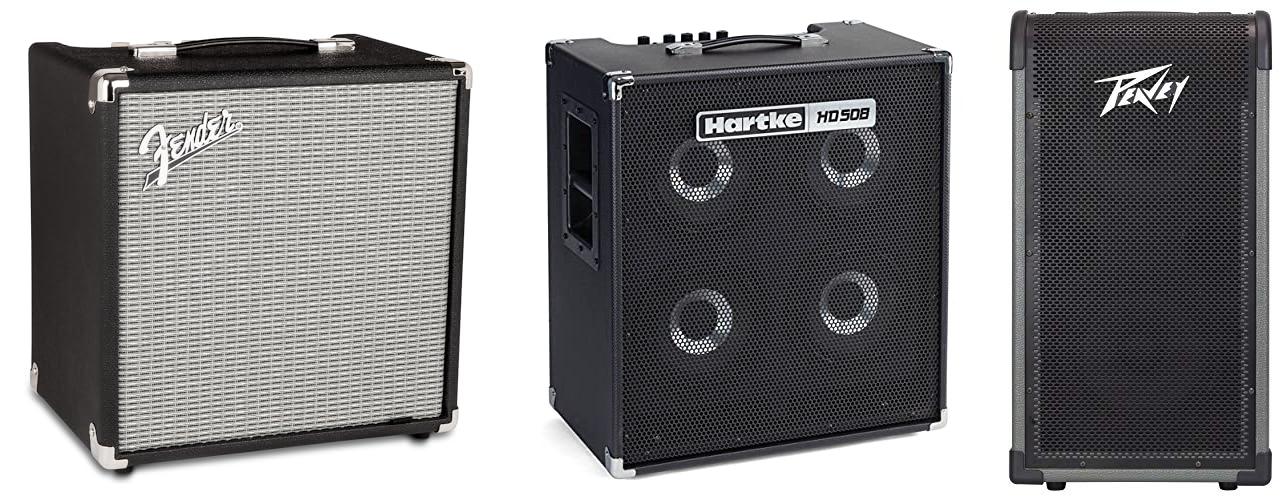
Fender Rumble 25 V3 Bass Amplifier | 8.8/10 | Check Price |
 |
Hartke Bass Combo Amplifier (HD508) | 8.6/10 | Check Price |
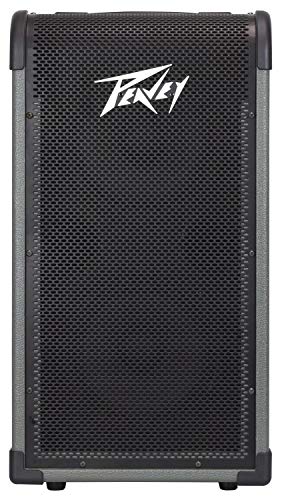 |
Peavey MAX 208 200-Watt Bass Amp Combo | 9.1/10 | Check Price |
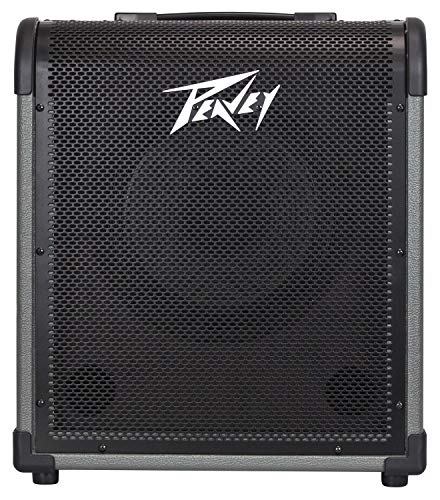 |
Peavey MAX 100 100-Watt Bass Amp Combo | 9.4/10 | Check Price |
 |
BOSS Katana-110 Bass Amplifier (KTN110B) | 8.8/10 | Check Price |
Top 5 Bass Amplifier Combo Detailed Reviews
1. Fender Rumble 25 V3 Bass Amplifier
Rating: 8.9/10
The Fender Rumble 25 V3 Bass Amplifier is a fantastic choice for bass players looking for a versatile and reliable practice amp. This compact combo amp packs 25 watts of power, making it loud enough for practice sessions and small jams. It features an 8-inch speaker that delivers a full, rich bass sound. Plus, it comes with a 2-year warranty from Fender, so you can buy with confidence.
What We Like:
- Explore tons of bass tones, from gritty growls to punchy modern sounds, thanks to the new overdrive circuit.
- Easily dial in your desired sound with the switchable mid-scoop contour control.
- Enjoy big volume and deep bass response from the 25-watt power amp and ported speaker enclosure.
- Practice quietly without disturbing others using the 1/4″ headphone output, which also turns off the speaker.
- Jam along to your favorite songs by plugging in your MP3 player to the 1/8″ auxiliary input.
- Rest easy knowing your amp is protected by a 2-year limited warranty from Fender.
What Could Be Improved:
- While great for practice, the 25-watt output might not be enough for larger gigs or louder bands.
- The 8-inch speaker is good, but bassists seeking a more powerful or nuanced low-end might prefer a larger speaker size.
The Fender Rumble 25 V3 is a solid, feature-packed amplifier for any bassist wanting to improve their playing. Its blend of tone-shaping options and practice-friendly features makes it an excellent value.
2. Hartke Bass Combo Amplifier (HD508)
Rating: 9.2/10
The Hartke Bass Combo Amplifier (HD508) delivers powerful sound for bass players. Its 500 watts of power will fill any room. It features four 8-inch Hydride paper/aluminum hybrid cone drivers. These special cones help create a rich and clear bass tone. The top-mounted control panel makes it easy to adjust your sound. You can shape your tone with the Hartke Shape EQ knob. It also has a 3-band EQ for bass, mid, and treble. This amp is ready for the stage or studio.
What We Like:
- It boasts a massive 500 watts of power, so you’ll be heard.
- Four 8-inch Hydride drivers produce a full and punchy bass sound.
- The Hartke Shape EQ knob offers unique tonal shaping possibilities.
- It includes an XLR direct output for easy connection to mixers or recording gear.
- A headphone output is perfect for quiet practice sessions.
- The effects loop lets you add your favorite pedals.
- It comes with four removable casters, making it easy to move around.
What Could Be Improved:
- While powerful, the four 8-inch speakers might not offer the same deep low-end as larger speakers for some players.
- The hybrid cone drivers, while good, might not appeal to players seeking a purely traditional paper cone sound.
The Hartke HD508 is a robust and versatile bass amplifier. It offers great features for practice and performance.
3. Peavey MAX 208 200-Watt Bass Amp Combo
Rating: 8.9/10
The Peavey MAX 208 200-Watt Bass Amp Combo packs a serious punch for bass players. It delivers up to 200 watts of power, making it suitable for practice, small gigs, and even some studio work. With two premium 8-inch speakers, it handles your low end with clarity and authority. This amp also includes helpful features like DDT speaker protection to keep your speakers safe and a versatile EQ section to shape your sound.
What We Like:
- It offers a powerful 200 watts of sound.
- The two 8-inch speakers produce a rich bass tone.
- DDT speaker protection keeps your speakers safe from damage.
- The TransTube gain boost adds a cool, gritty overdrive option.
- You get lots of tone-shaping with the three-band EQ and special switches like Mid-Shift and Kosmos-C.
What Could Be Improved:
- It might be a bit heavy for some players to move around easily.
- While versatile, some advanced players might want even more detailed EQ control.
For bassists seeking a robust and feature-rich combo amp, the Peavey MAX 208 is a fantastic option. It offers great sound and plenty of control for its price point.
4. Peavey MAX 100 100-Watt Bass Amp Combo
Rating: 9.2/10
The Peavey MAX 100 is a powerful bass amp combo. It delivers 100 watts of sound. This amp is great for practice and small gigs. It has a 10-inch speaker that sounds really good. Peavey’s DDT protection keeps the speaker safe.
What We Like:
- It has 100 watts of power, which is plenty for most situations.
- The premium 10-inch speaker provides a rich and full bass sound.
- DDT speaker protection helps prevent speaker damage.
- The Pre-gain control with TransTube gain boost lets you get a variety of tones.
- It offers a three-band EQ with useful switches like Overdrive, Contour, Mid-Shift, Bright, and Kosmos-C for shaping your sound.
- The controls are easy to understand and use.
What Could Be Improved:
- While it’s powerful, some very experienced players might want even more headroom for larger venues.
- The Kosmos-C switch, while cool, can be a bit much if not used carefully.
The Peavey MAX 100 is a fantastic option for bassists looking for a versatile and reliable amp. It offers a great balance of power, features, and tone shaping for its price point.
5. BOSS Katana-110 Bass Amplifier (KTN110B)
Rating: 9.1/10
The BOSS Katana-110 Bass Amplifier (KTN110B) is a versatile combo amp that gives you a powerful, stage-ready sound. It’s packed with advanced features to help you dial in your perfect bass tone.
What We Like:
- It has a 60-watt power amp that makes your bass sound big and punchy.
- The Shape switch lets you easily change your tone with three different options.
- You get four different effect sections: compressor, drive, and two FX sections with lots of choices.
- The four-band EQ is really good and lets you fine-tune your sound with adjustable mid frequencies.
- The Blend section helps you mix in your dry signal for a fatter and clearer sound.
- You can save six of your favorite sound settings to recall later.
- The Power Control lets you get that loud amp sound at any volume.
- You can use the BOSS Tone Studio editor on your computer to change settings and organize your sounds.
- It has USB and headphone outputs with a cool mic’d cabinet sound.
What Could Be Improved:
- While it offers a lot, some users might want even more amp models to choose from.
- The sheer number of options could be a little overwhelming for absolute beginners.
The BOSS Katana-110 Bass Amplifier offers a fantastic range of tones and features for any bassist. It’s a great amp for practice, recording, and even smaller gigs.
Your Guide to Awesome Bass Amp Combos
Finding the right bass amp combo makes your bass sound its best. This guide helps you pick the perfect one. We’ll cover what to look for, what makes them good or not so good, and who they are for.
1. Key Features to Look For
Power (Wattage)
This tells you how loud the amp can get. For quiet practice, 20-50 watts is fine. For playing with a band, you’ll want 100 watts or more. More watts mean more headroom, so your sound stays clear even when you play loud.
Speaker Size
Bigger speakers move more air. This gives you a fuller, richer bass sound. Common sizes are 10-inch, 12-inch, and 15-inch. A 10-inch speaker is good for practice. A 12-inch or 15-inch speaker is better for gigs.
EQ Controls
These let you shape your sound. Look for knobs for Bass, Mid, and Treble. Some amps have more detailed EQ, like a graphic EQ, which gives you even more control over your tone.
Built-in Effects
Some combos have effects like compression, overdrive, or chorus built-in. These can add cool sounds to your playing. It’s nice to have these so you don’t need extra pedals.
Connectivity
Check for an aux-in jack to play along with music from your phone or MP3 player. A headphone jack is great for practicing without disturbing others. Some amps have an XLR DI out to connect to a soundboard for live shows.
2. Important Materials
The cabinet, or the box of the amp, is usually made of wood. Plywood is strong and durable. Particleboard is cheaper but not as tough. The speaker cone is often made of paper or a special composite material. These materials affect the sound and how long the amp lasts.
3. Factors That Improve or Reduce Quality
What Makes It Good
- Solid Cabinet Construction: A well-built cabinet stops buzzing and vibrations. This makes your bass sound clean.
- Quality Speaker: A good speaker reproduces low notes accurately. It gives you a punchy sound.
- Reliable Electronics: Good internal parts mean the amp works well for a long time. It won’t break down easily.
- Plenty of Power: Enough wattage means your amp won’t distort when you play loud.
What Makes It Not So Good
- Flimsy Cabinet: A cheap cabinet can buzz and rattle. This makes your sound muddy.
- Poor Speaker: A bad speaker can’t handle low bass notes. It might sound weak or distorted.
- Cheap Electronics: Low-quality parts can fail. This can lead to the amp not working.
- Not Enough Power: An amp that’s too small for your needs will sound strained. It will distort easily.
4. User Experience and Use Cases
For Beginners
A smaller, lighter amp (20-50 watts) with a 10-inch speaker is perfect. Simple controls and maybe a headphone jack are helpful. These amps are easy to use and move.
For Practice
Amp combos with aux-in and headphone jacks are ideal. They let you play along with songs and practice quietly. A bit more power helps you hear yourself better.
For Gigging Musicians
You’ll need more power (100+ watts) and a larger speaker (12-inch or 15-inch). Features like an XLR DI out are very useful for live sound systems. Durability is also important.
For Recording
Amps with a DI out are great for recording. You can send a clean signal to your recording gear. Some amps also have USB outputs for direct recording.
Choosing the right bass amp combo depends on how you plan to use it. Think about where you’ll play, who you’ll play with, and what kind of sound you want. With this guide, you’re ready to find an amp that rocks!
Frequently Asked Questions (FAQ)
Q: What is a bass amp combo?
A: A bass amp combo is an all-in-one unit. It has the amplifier and the speaker in one box. This makes it easy to carry and set up.
Q: How much wattage do I need?
A: For practice, 20-50 watts is usually enough. For playing with a band, aim for 100 watts or more. More wattage means more volume and clarity.
Q: What’s the difference between a 10-inch and a 15-inch speaker?
A: A 15-inch speaker is larger and moves more air. It provides a deeper, fuller bass sound compared to a 10-inch speaker.
Q: Do I need an amp with built-in effects?
A: It’s not required, but built-in effects like overdrive or compression can be handy. They save you from buying extra pedals.
Q: Can I use a bass amp combo for guitar?
A: While you can technically plug a guitar into a bass amp, it’s not recommended. Bass amps are designed for low frequencies and might not sound good for guitar. Guitar amps are made for higher frequencies.
Q: How important is the cabinet material?
A: The cabinet material is important for sound and durability. Plywood is generally better than particleboard because it’s stronger and vibrates less.
Q: What is a DI out?
A: A DI (Direct Input) out is a connection that sends your bass signal directly to a mixing board or audio interface. It’s useful for live shows and recording.
Q: Should I buy a combo or separate amp head and cabinet?
A: A combo is simpler and more portable. Separate heads and cabinets offer more flexibility and power options, but they are heavier and more expensive.
Q: How can I make my bass amp sound better?
A: Use the EQ controls to shape your tone. Experiment with different settings. Also, ensure your speaker is in good condition and the cabinet is sturdy.
Q: Are expensive bass amp combos always better?
A: Not always. While higher prices often mean better components and more features, you can find excellent sounding and reliable amps at various price points. Focus on your needs and budget.
In conclusion, every product has unique features and benefits. We hope this review helps you decide if it meets your needs. An informed choice ensures the best experience.
If you have any questions or feedback, please share them in the comments. Your input helps everyone. Thank you for reading.