
Imagine the roar of a chainsaw cutting through the night sky, or the thunderous crash of a tidal wave. That’s the kind of power and intensity we crave when we talk about metal music. But what makes that sound so huge? It’s not just the guitar; it’s the amplifier that unleashes its full fury. Choosing the right amp for metal can feel like navigating a maze in the dark. You want something that screams with aggression, punches with low-end power, and stays clear even when you crank it up. The wrong amp can leave your riffs sounding weak and muddy, a far cry from the sonic assault you’re aiming for.
This guide is your roadmap to finding that perfect metal-making machine. We’ll break down what really matters when you’re looking for an amp that can handle the demands of heavy riffs and blistering solos. You’ll learn what features to look for and how to avoid common pitfalls. By the end, you’ll have the knowledge to make a confident choice and finally get the killer tone you’ve been dreaming of.
Our Top 5 Amplifier For Metal Recommendations at a Glance
Top 5 Amplifier For Metal Detailed Reviews
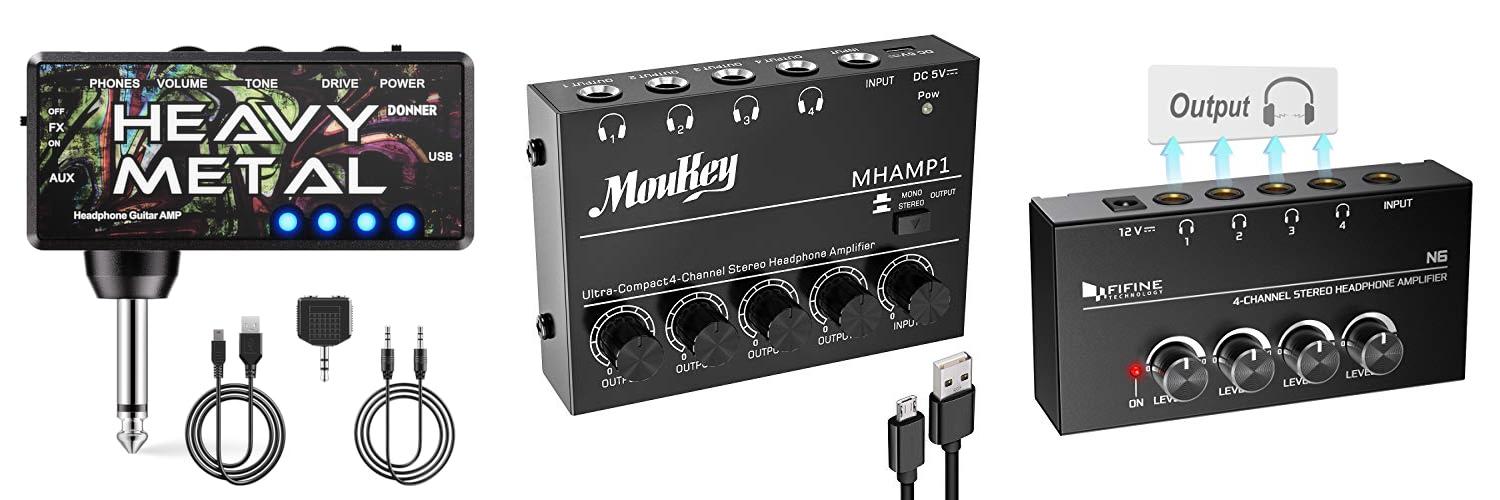
1. Donner Guitar Headphone Amp Heavy Metal USB Rechargeable Mini Pocket Headphone Amplifier for Electric Guitar

Rating: 9.0/10
Unleash your inner rockstar without annoying the neighbors! The Donner Guitar Headphone Amp Heavy Metal USB Rechargeable Mini Pocket Headphone Amplifier is your ticket to silent, awesome guitar practice anytime, anywhere. This little powerhouse packs a punch, delivering killer heavy metal tones and a smooth playing experience.
What We Like:
- Great for Silent Practice: You can shred to your heart’s content without disturbing anyone.
- Awesome Heavy Metal Sound: It’s based on the legendary Soldano SLO100 sound and even has reverb!
- Easy to Use Controls: You can adjust volume, tone, and drive to get the perfect sound for any style.
- Long Battery Life: The rechargeable battery lasts up to 5 hours, and it’s easy to charge with USB.
- Super Portable: It’s small and light, so you can take it with you wherever you go.
- Plug and Play: Just plug in your headphones and guitar, and you’re ready to rock.
- Share Your Music: The headphone splitter lets you listen with a friend or connect to speakers.
- Durable Build: It’s made with good quality materials to last a long time.
What Could Be Improved:
- Limited Effects: While the reverb is nice, more effect options would be a bonus.
- Basic Tone Control: The tone control is good, but some might want more detailed EQ.
This Donner amp is a fantastic and affordable tool for any guitarist who wants to practice seriously or just jam out. It offers a high-quality playing experience in a super convenient package.
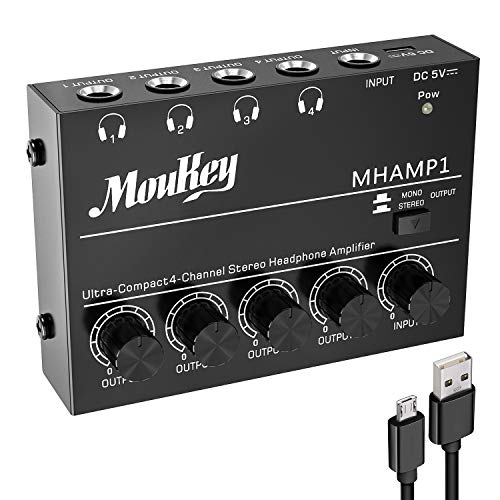
2. Moukey Headphone Amp Amplifier 4 Channels Metal Stereo Audio Amplifier
Rating: 9.1/10
The Moukey MHAMP1 is a compact and powerful headphone amplifier designed to let multiple people listen to the same audio source clearly. It features four independent headphone outputs, each with its own volume control. This makes it ideal for band practice, home recording sessions, or any situation where several people need to monitor audio simultaneously.
What We Like:
- It delivers clear stereo sound, even when all four headphone outputs are in use.
- Each channel has its own volume knob, so everyone can set their preferred listening level.
- The amplifier lets you switch between mono and stereo sound, which is helpful for different audio sources.
- It has a sturdy metal casing, making it durable for use on stage or in the studio.
- The compact size and DC 5V power supply make it very portable and easy to set up anywhere.
What Could Be Improved:
- The product doesn’t include the necessary TRS or TS cables for connecting your audio source and headphones.
This Moukey headphone amplifier is a fantastic tool for anyone needing to share an audio mix. It offers great sound quality and individual control for a truly collaborative listening experience.
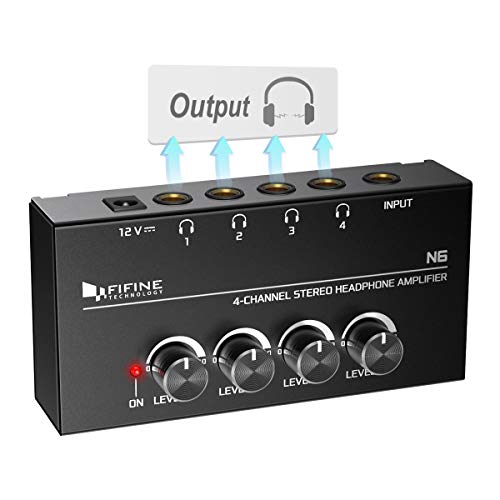
3. Fifine Headphone Amplifier 4 Channels Metal Stereo Audio Amplifier
Rating: 8.8/10
The Fifine N6 is a handy little device that lets up to four people share one stereo sound source. It’s built tough with a metal case and has separate volume controls for each headphone. This makes it great for sharing music or monitoring audio without any annoying crackling or sound loss. Whether you’re in a band, working in a studio, or just want to listen to something while someone else does, this amplifier is a solid choice.
What We Like:
- You can share one stereo sound source with up to four people.
- Each person gets their own volume knob to control their sound.
- The sound quality is great, with no crackling or distortion, even at loud volumes.
- It’s made of metal, so it feels strong and durable.
- It’s small and easy to carry around.
- It works well for listening to music, watching TV, or monitoring audio mixes.
What Could Be Improved:
- The package does not include the necessary 1/4” TRS or TS stereo audio cables.
- It’s important to know this is an amplifier with one input and four outputs, not a mixer with multiple inputs.
This amplifier is a great solution for sharing audio with multiple people. It delivers clear sound and is built to last.
4. LZSIG Headphone Amplifier 4 Channel

Rating: 8.6/10
The LZSIG Headphone Amplifier 4 Channel is a compact and powerful audio solution for anyone needing to share audio or monitor sound with multiple headphones. This metal stereo audio amplifier acts as a mini earphone splitter, connecting to your audio source and allowing up to four pairs of headphones to listen simultaneously. It comes with a power adapter and works with both 1/4″ and 1/8″ headphone jacks, eliminating the need for extra adapters.
What We Like:
- It delivers superior audio quality with ultra-low noise.
- You can power up to four pairs of headphones independently.
- Each headphone output has its own volume control for personalized listening.
- It works with both 1/8 inch (3.5MM) and 1/4 inch (6.35MM) headphones.
- The Stereo/Mono switch lets you adjust to your audio source.
- Its metal construction makes it durable for studio or stage use.
- It’s designed to prevent crosstalk interference for clear sound.
What Could Be Improved:
- It’s important to remember this is a 4-channel amplifier, not a mixer.
- It’s best suited for headphones with 50mm drivers and impedance between 32~100Ω.
This LZSIG headphone amplifier is a fantastic tool for sharing audio clearly and with individual control. It’s a solid choice for musicians, podcasters, or anyone needing multiple headphone outputs.
5. Pyle Heavy Metal EG Fire Electric Guitar Axe w/ Amplifier Kit

Rating: 9.2/10
Unleash your inner rockstar with the Pyle Heavy Metal EG Fire Electric Guitar Axe w/ Amplifier Kit. This all-in-one package is designed for aspiring musicians who want to dive headfirst into the world of electric guitar, especially if heavy rock and metal are your jam. The striking flame design on the guitar is sure to turn heads, and the kit provides everything you need to start playing right out of the box.
What We Like:
- The “Heavy Metal Flame Style” electric guitar looks awesome with its glossy black finish and cool flame graphics.
- It has dual humbucker pickups, which are perfect for getting that thick, powerful sound needed for rock and metal music.
- The kit includes a practice amplifier with a drive switch, so you can experiment with different sounds right away.
- You get a full starter package with all the essential accessories like a guitar cable, gig bag, spare strings, strap, and picks.
- The guitar is made with solid wood for the body and Canadian maple for the neck, giving it a good feel and sound.
What Could Be Improved:
- While it’s a great starter kit, experienced players might find the amplifier’s 10W output a bit limited for larger practice sessions or gigs.
- The fretboard is made from a high-density man-made wood, which might not appeal to everyone compared to traditional rosewood or ebony.
This Pyle kit is a fantastic starting point for anyone eager to explore electric guitar. Grab it and start making some noise!
Unleash the Roar: Your Guide to the Best Amplifiers for Metal
Are you ready to crank up the volume and feel the thunder of heavy riffs? Choosing the right amplifier for metal is crucial. It’s the heart of your sound. This guide will help you find the perfect amp to make your guitar sing (or scream!).
Key Features to Look For
When you’re hunting for a metal amp, certain features make a big difference.
High Gain Prowess
Metal music needs serious crunch and distortion. Look for amps that offer plenty of “gain” or “overdrive.” This is what gives your guitar that thick, powerful, and aggressive sound. High-gain amps have controls that let you dial in everything from a gritty edge to a screaming, saturated tone.
Tone Shaping Controls
Beyond just gain, you need to shape your sound.
EQ Knobs
Most amps have Bass, Mid, and Treble knobs. These let you boost or cut certain frequencies. For metal, you often want to scoop the mids a bit for that classic, punchy sound.
Presence and Resonance
Some amps have extra knobs like “Presence” and “Resonance.” Presence adds sparkle and bite to your high-end. Resonance controls the low-end punch and tightness. These are great for fine-tuning your tone.
Channel Switching
Many modern amps come with multiple channels. This means you can have different sound settings for different parts of a song.
Clean Channel
A good clean channel is useful for intros or softer passages.
Overdrive/Distortion Channels
These are your go-to channels for heavy riffs and solos. Having separate channels lets you switch between a clean sound and a high-gain sound with just a foot pedal.
Power Output (Wattage)
The wattage tells you how loud the amp can get. For gigging musicians, higher wattage (50W and up) is usually better. For practice at home, lower wattage (15W-30W) is often plenty. Remember, a louder amp often sounds better, even at lower volumes.
Important Materials
The materials used in an amp’s construction can affect its sound and durability.
Tubes vs. Solid State vs. Digital
- Tube Amps: These use vacuum tubes to create sound. They are famous for their warm, rich tone and natural overdrive. Many metal players swear by tube amps for their authentic sound. However, they can be heavier and require more maintenance.
- Solid State Amps: These use transistors. They are generally more affordable, lighter, and require less upkeep. Modern solid-state amps can produce great distortion, but some players feel they lack the “feel” of tubes.
- Digital/Modeling Amps: These use computer technology to mimic the sounds of various amps. They are incredibly versatile and can offer many different amp sounds and effects. They are often the most budget-friendly and portable option.
Speaker Cabinet Construction
If you’re buying a head and cabinet, the cabinet matters. Closed-back cabinets tend to provide more focused, punchy bass, which is great for metal. Open-back cabinets can offer a wider, more dispersed sound.
Factors That Improve or Reduce Quality
Several things can make an amp sound fantastic or fall flat.
Build Quality
A well-built amp will last longer and sound more consistent. Look for sturdy construction, good quality knobs, and reliable components.
Speaker Quality
The speaker is a vital part of your sound. A good speaker will reproduce the amp’s tone accurately and with power. Cheap speakers can sound thin or buzzy.
Component Quality
High-quality tubes, transformers (in tube amps), and electronic components contribute to a better overall sound and reliability.
User Experience and Use Cases
How you plan to use your amp will guide your choice.
Home Practice
For practicing at home, you don’t need a super-powerful amp. A 15W-30W tube amp or a versatile modeling amp is often ideal. Look for features like headphone jacks and built-in effects to keep practice sessions interesting.
Gigging and Live Performance
If you play live shows, you need an amp that can compete with drums and bass. A 50W-100W tube amp or a powerful solid-state amp is usually necessary. Channel switching is a must for quick sound changes on stage.
Recording Studio
For recording, you have more flexibility. Even a lower-wattage tube amp can sound amazing when miked properly. Modeling amps are also excellent for recording, offering a wide range of tones without needing multiple physical amps.
Frequently Asked Questions (FAQ)
Q: Do I really need a tube amp for metal?
A: Not necessarily! While many metal guitarists love tube amps for their classic sound, modern solid-state and digital amps can produce excellent metal tones. It depends on your budget and personal preference.
Q: How much wattage do I need for playing gigs?
A: For most gigs, especially with a drummer, a 50W tube amp or a higher-wattage solid-state amp is recommended. This gives you enough volume and headroom.
Q: What is “scooping the mids” and why is it popular in metal?
A: “Scooping the mids” means turning down the mid-range frequencies on your EQ. This creates a punchy, aggressive sound that cuts through a mix and is a hallmark of many metal guitar tones.
Q: Are modeling amps good enough for serious metal playing?
A: Yes, absolutely! High-end modeling amps can offer incredibly realistic and versatile metal tones. They are a great option for beginners and experienced players alike due to their flexibility and affordability.
Q: What’s the difference between an amp head and a combo amp?
A: An amp head is just the amplifier itself. You need to connect it to a separate speaker cabinet. A combo amp is an all-in-one unit with the amplifier and speaker built into the same cabinet.
Q: Should I look for an amp with built-in effects?
A: Built-in effects can be convenient, especially for practice. However, many serious metal players prefer to use external effect pedals for more control and sound quality. Consider your budget and how much you rely on effects.
Q: How important is the speaker for a metal amp?
A: The speaker is very important! It’s what actually makes the sound you hear. A good speaker can make a decent amp sound great, and a bad speaker can ruin an otherwise good amp’s tone.
Q: What kind of distortion is best for metal?
A: Metal typically uses high-gain distortion. This means a lot of gain is dialed in, creating a thick, saturated, and aggressive sound. You want an amp that can achieve this without sounding muddy or fizzy.
Q: Can I use a small practice amp for recording metal?
A: Yes! Even a small practice amp can sound great when recorded with a good microphone. The key is often the microphone technique and the room you’re recording in.
Q: What are the pros and cons of tube amps for metal?
A: Pros: Warm, rich tone, natural overdrive, great feel. Cons: Can be expensive, heavier, require more maintenance (replacing tubes).
In conclusion, every product has unique features and benefits. We hope this review helps you decide if it meets your needs. An informed choice ensures the best experience.
If you have any questions or feedback, please share them in the comments. Your input helps everyone. Thank you for reading.