
Ever plug in your acoustic guitar and hear… well, not much? That tiny sound can be frustrating! You want your beautiful acoustic tone to fill the room, but sometimes, it just gets lost. It’s like trying to whisper your favorite song in a noisy crowd – no one hears you!
Choosing the right acoustic amplifier can feel like navigating a maze. There are so many brands, features, and price tags! You might worry about buying something that doesn’t sound good, or one that’s too complicated to use. These worries can stop you from enjoying your music to its fullest.
But don’t worry! This post is here to help. We’ll break down the confusing world of acoustic amps so you can find the perfect match for your guitar and your needs. You’ll learn what really matters and what to look for. Get ready to unlock your acoustic’s true voice!
Our Top 5 Acoustic Amplifiers Recommendations at a Glance
| Image | Product | Rating | Links |
|---|---|---|---|
 |
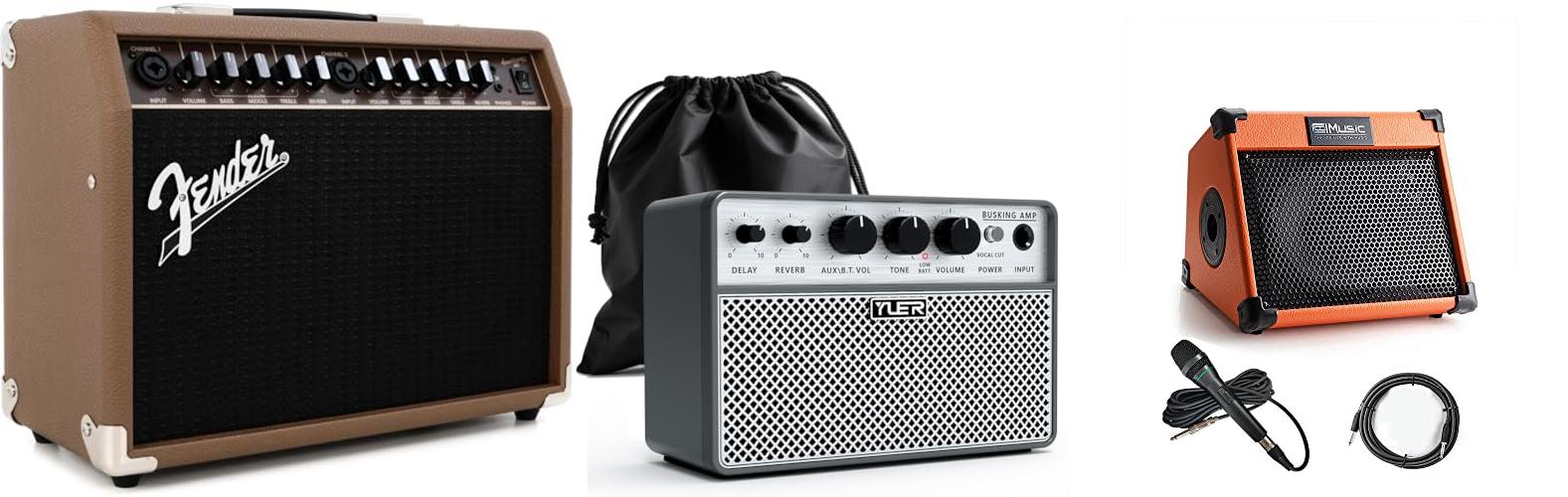
Fender Acoustasonic Guitar Amp for Acoustic Guitar | 8.8/10 | Check Price |
 |
Yuer BA-10Pro 10W Acoustic Guitar Amp | 9.0/10 | Check Price |
 |
Acoustic Guitar Amplifier | 9.3/10 | Check Price |
 |
Fishman Loudbox Micro 40-watt 1 x 5.25-inch Acoustic Guitar Amplifier | 8.9/10 | Check Price |
 |
Acoustic Guitar Amplifier | 9.3/10 | Check Price |
Top 5 Acoustic Amplifiers Detailed Reviews
1. Fender Acoustasonic Guitar Amp for Acoustic Guitar
Rating: 9.2/10
The Fender Acoustasonic Guitar Amp is a fantastic choice for acoustic guitar players. It delivers 40 watts of power, making it loud enough for small gigs or practice sessions. This amp stands out with its unique “whizzer” cone, which adds extra sparkle to your sound. Plus, it has a built-in reverb for a touch of ambiance. You can even plug in a microphone alongside your guitar, which is super handy for singers who play.
What We Like:
- Powerful 40-watt output is great for various settings.
- The “whizzer” cone adds a special crispness to the sound.
- Built-in reverb creates a nice, spacious tone.
- Dual inputs allow you to connect both a guitar and a microphone.
- Comes with a solid 2-year limited warranty for peace of mind.
- Compact size (9.8Dx17.6Wx15.5H inches) makes it easy to transport.
What Could Be Improved:
- Some players might wish for more advanced effects beyond chorus and reverb.
- The 6.5-inch speakers, while effective, may not satisfy those seeking extremely deep bass response.
This Fender Acoustasonic amp offers a great blend of features and performance for any acoustic musician. It’s a reliable and versatile amp that you’ll enjoy playing through.
2. Yuer BA-10Pro 10W Acoustic Guitar Amp
Rating: 8.8/10
The Yuer BA-10Pro 10W Acoustic Guitar Amp is a small, portable powerhouse designed for musicians on the go. It lets you sing and play your guitar anywhere, thanks to its dual input ports. This amp packs a punch with its high-performance audio chip and professional algorithms, delivering a balanced sound between your guitar and vocals, even with its compact dual 1.75″ speakers.
What We Like:
- Dual Input Ports: Easily plug in both your guitar and a dynamic microphone to sing and play at the same time.
- Great Vocal Effects: High-quality reverb for your voice makes you sound your best, and the vocal cut feature helps you improve your singing.
- Inspiring Guitar Effects: Digital reverb and delay effects are built-in to make your guitar playing more creative and fun.
- Easy Recording & Wireless: Record your guitar and vocals directly to your phone or laptop using OTG function. Stream music wirelessly from your devices with 5.3 Bluetooth.
- Super Portable: It’s small (6x3x3.9in) and light (1.32 lbs), making it easy to carry anywhere in the included bag.
- Long Battery Life: The 4000mAh battery lasts 4-8 hours, so you can practice or perform for a long time.
- Headphone & AUX Ready: Practice silently with headphones or connect other audio devices through the AUX input.
- Reliable Support: Yuer offers a 12-month guarantee and 24/7 customer service.
What Could Be Improved:
- Charging Cable Confusion: The black USB-C cable is only for recording, not charging. You need the white one for charging.
- Microphone Compatibility: The microphone input only works with dynamic microphones.
This Yuer BA-10Pro amp is a fantastic option for anyone who wants to practice, record, or perform their music anywhere. Its blend of portability, features, and ease of use makes it a valuable tool for musicians.
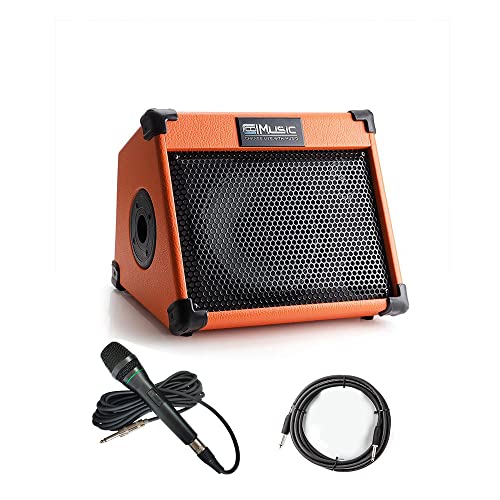
3. Acoustic Guitar Amplifier
Rating: 9.2/10
Unleash your acoustic sound with the 20 Watt Bluetooth Acoustic Guitar Amplifier! This amp is designed to make your guitar and microphone sound amazing, whether you’re practicing at home or playing for friends. It’s packed with features that give you lots of control over your music.
What We Like:
- This amp has two channels, so you can plug in your guitar and a microphone at the same time.
- The 3-band EQ (Bass, Mid, High) lets you fine-tune your sound for any music style.
- Built-in reverb adds a natural echo to your playing.
- Bluetooth connectivity offers easy wireless streaming from your phone or other devices.
- It also has other input options like phone, CD/MP3, and USB.
- The 20-watt power with an 8-inch woofer and 2-inch tweeter delivers a full, clear sound.
- It’s powerful enough for small gigs and practice sessions.
- The amp includes a chorus effect for added texture.
- Its midsize and manageable weight make it easy to carry around.
- It comes with a microphone and audio cable, so you’re ready to go right away.
What Could Be Improved:
- While great for practice and small gigs, it might not be loud enough for larger venues.
- The chorus effect could be more robust for those seeking complex sound shaping.
This amplifier offers great versatility and sound quality for its size and price. It’s a solid choice for any acoustic musician looking to expand their sonic possibilities.
4. Fishman Loudbox Micro 40-watt 1 x 5.25-inch Acoustic Guitar Amplifier
Rating: 9.0/10
The Fishman Loudbox Micro is a small but mighty acoustic guitar amplifier. It packs 40 watts of power, which is enough for practice sessions and small gigs. This amp is designed for acoustic instruments, so it makes your guitar sound natural and clear. It also has a special input for a microphone, so you can sing along or have a duet.
What We Like:
- It has two channels, so you can plug in your guitar and a microphone at the same time.
- The built-in effects add cool sounds to your playing, like reverb and chorus.
- Feedback suppression is a handy feature that stops annoying buzzing noises.
- The 5.25-inch speaker delivers surprisingly good sound for its size.
- It’s compact and easy to carry around to different places.
What Could Be Improved:
- While it’s loud enough for small gigs, it might not be powerful enough for larger venues.
- More advanced effects options could be a nice addition for some players.
The Fishman Loudbox Micro is a fantastic option for any acoustic musician looking for a portable and versatile amplifier. It offers great sound quality and useful features for practice and performance.
5. Acoustic Guitar Amplifier
Rating: 9.5/10
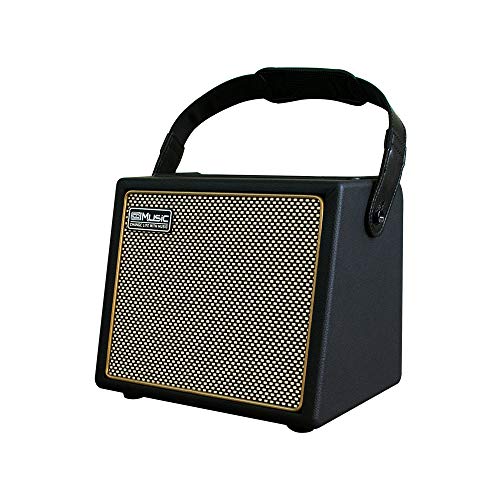
The Acoustic Guitar Amplifier, 30 Watt Bluetooth Speaker Rechargeable Portable Acoustic Guitar Amp with Reverb Chorus Effect, 3 Inputs, Black is a versatile and powerful tool for any guitarist. It’s designed to deliver excellent sound quality and offer a range of features for practice, performance, and just plain fun.
What We Like:
- Powerful Sound: The 30-watt output and 6.5-inch speaker bring your guitar to life with clear and strong sound. It really captures the true tone of your acoustic guitar.
- Versatile Inputs: You can plug in two things at once! This means you can connect your guitar and a microphone. The microphone channel even has controls for bass and treble, plus reverb, which is great for making your voice sound even better.
- Built-in Bluetooth: Connect your phone, tablet, or laptop easily. This lets you play along with backing tracks or just listen to music while you play. It makes practicing more enjoyable.
- Super Portable: It’s not heavy and has a nice wooden look. The strap makes it easy to carry around, so it’s perfect for taking to jam sessions or on trips.
- Long-lasting Battery: Once charged for about 5 hours, you get 5 to 8 hours of playtime. You can also just plug it in to keep playing.
- Worry-Free Warranty: The company offers a three-year warranty, meaning if anything goes wrong, they’ll replace it with a new one.
What Could Be Improved:
- Effect Options: While it has reverb and chorus, more effect options might appeal to some players looking for greater sonic exploration.
This amp is a fantastic choice for acoustic guitar players who need portability, good sound, and useful features. It’s ready for practice sessions, small gigs, or just enjoying music anywhere.
Your Guide to Finding the Perfect Acoustic Amplifier
Picking the right acoustic amplifier can make a huge difference in how your music sounds. It’s like choosing the right microphone for your voice. This guide will help you understand what to look for so you can find an amp that makes your guitar sing.
What to Look For: Key Features
Several things make an acoustic amplifier great:
- Wattage: This is how loud the amp can get. For playing at home or in small rooms, 20-50 watts is usually enough. For bigger gigs or playing with a loud band, you might need 100 watts or more.
- Channels: Most amps have at least one channel. Some have two or more. This lets you plug in more than one instrument or a microphone and instrument at the same time.
- EQ Controls: These let you shape the sound of your guitar. Look for Bass, Mid, and Treble controls. Some amps also have Presence or Shape controls for even more tweaking.
- Effects: Many amps come with built-in effects like Reverb (makes your sound echo) or Chorus (makes your sound richer). These can add a lot to your performance.
- DI Output: This lets you connect your amp directly to a soundboard or recording equipment. It’s very useful for live shows and recording.
- Inputs/Outputs: Check for headphone jacks for quiet practice and auxiliary inputs to play music from your phone or other devices.
Important Materials That Matter
The materials used in an amplifier affect its sound and how long it lasts.
- Speaker Cone Material: The speaker cone is what makes the sound. Common materials include paper, which gives a warm sound, and polypropylene, which is durable and clear.
- Cabinet Construction: The box the amp is in is called the cabinet. Plywood cabinets are strong and sound good. Particleboard is cheaper but not as sturdy or good sounding.
What Makes an Amp Great (or Not So Great)
Several things can make an acoustic amplifier sound better or worse.
- Sound Quality: A good amp reproduces the natural sound of your acoustic guitar clearly. It should sound warm and full, not thin or buzzy.
- Feedback Control: Acoustic guitars can sometimes create unwanted squealing (feedback). Amps with good feedback suppression help keep your sound clean.
- Durability: A well-built amp can handle being moved around for gigs and practice. Look for strong corners and sturdy knobs.
- Portability: If you move your amp a lot, its weight and size are important. Some amps are designed to be lightweight and easy to carry.
User Experience and Use Cases
How you plan to use your amplifier is a big part of choosing the right one.
- Home Practice: If you just want to play at home and hear yourself better, a smaller, less powerful amp (20-50 watts) with a headphone jack is perfect.
- Coffee Shop Gigs: For playing in small venues like coffee shops, a 50-100 watt amp with a DI output is a good choice. This lets the sound person easily control your sound.
- Band Practice/Small Gigs: If you play with other musicians, you’ll need a louder amp, maybe 100 watts or more, to cut through the mix.
- Recording: Many acoustic amps can be used for recording. The DI output is especially helpful here.
Choosing an acoustic amplifier is exciting! By understanding these features, materials, and how you plan to use it, you’ll be able to find an amp that brings your music to life.
Frequently Asked Questions (FAQ)
Q: What is wattage and why is it important?
A: Wattage tells you how loud an amplifier can get. More watts mean a louder amp. It’s important for matching the amp’s volume to where you’ll be playing.
Q: What does “channels” mean on an amplifier?
A: Channels are like separate inputs on the amp. One channel might be for your guitar, and another could be for a microphone.
Q: What are EQ controls?
A: EQ stands for Equalization. These controls let you adjust the bass, middle, and treble sounds of your instrument. They help you get the perfect tone.
Q: Is a DI output necessary for an acoustic amplifier?
A: A DI (Direct Input) output is not always necessary, but it’s very helpful for live performances and recording. It sends your sound directly to a mixer or recording device.
Q: What is the difference between a paper and a polypropylene speaker cone?
A: Paper speaker cones usually produce a warmer, more natural sound. Polypropylene cones are often clearer and more durable.
Q: How do I prevent feedback with my acoustic amplifier?
A: Some amplifiers have built-in feedback control features. You can also try adjusting your guitar’s position relative to the amp or using a soundhole cover.
Q: Can I plug a microphone into an acoustic amplifier?
A: Yes, many acoustic amplifiers have channels that can accept microphone signals, allowing you to amplify vocals or other instruments.
Q: Should I buy an amplifier with built-in effects?
A: It depends on your needs. Built-in effects like reverb can be convenient, but some players prefer to use external effect pedals for more control.
Q: How important is the cabinet material?
A: The cabinet material affects the amp’s sound and durability. Plywood cabinets generally sound better and last longer than particleboard.
Q: What is the best wattage for playing gigs?
A: For small gigs, 50-100 watts is usually good. For larger venues or playing with loud bands, you might need 100 watts or more.
In conclusion, every product has unique features and benefits. We hope this review helps you decide if it meets your needs. An informed choice ensures the best experience.
If you have any questions or feedback, please share them in the comments. Your input helps everyone. Thank you for reading.