
Yes! You can absolutely extend your lease on your car, and there are several lease extension options available to consider.
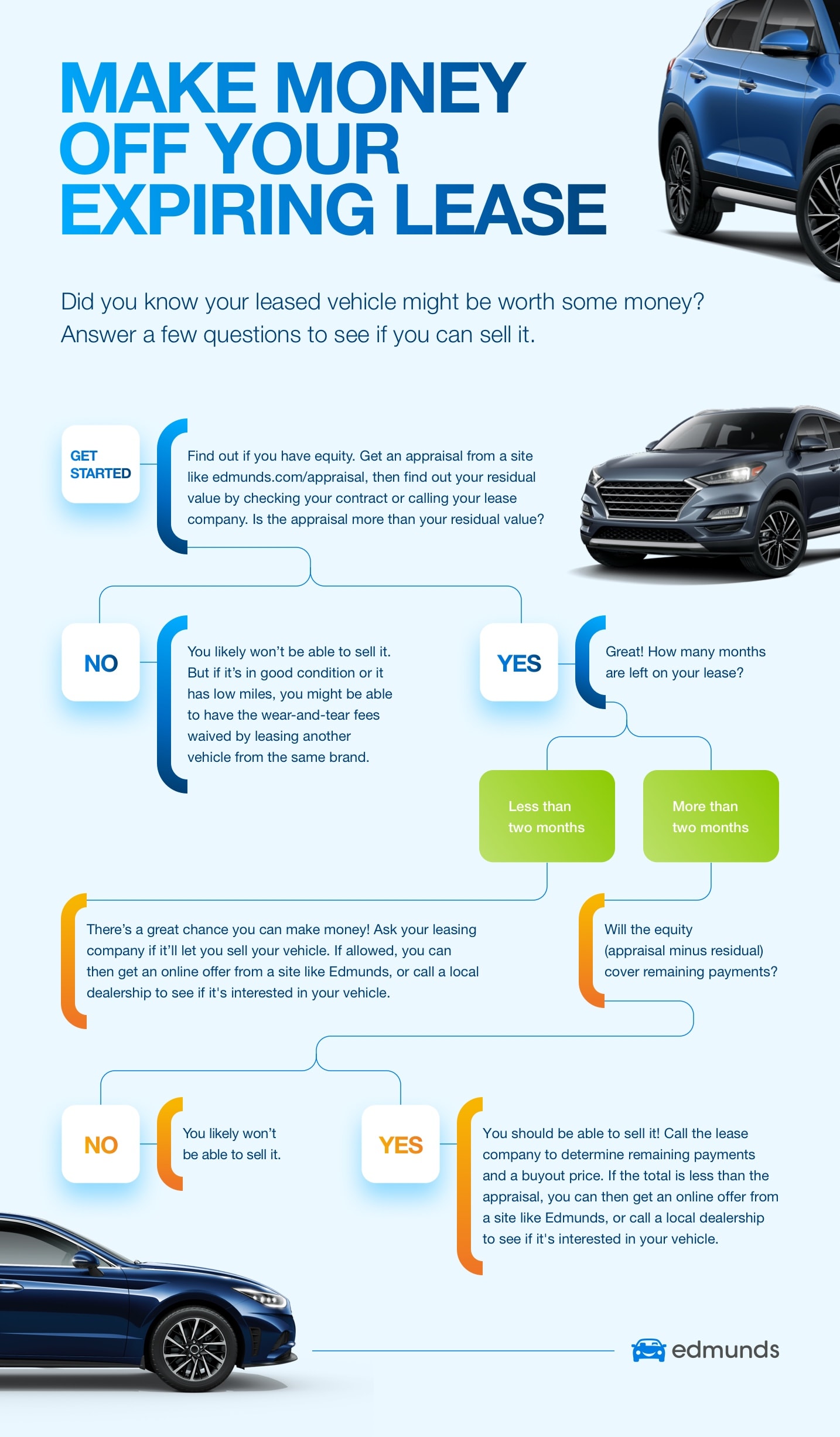
Image Source: static.ed.edmunds-media.com
Can I Extend My Lease On My Car?
The short answer is yes, you often can extend your lease on your car. Many manufacturers and dealerships offer the possibility of a lease contract extension, allowing you to keep your current vehicle for a longer period beyond the original vehicle lease agreement end date. This is a common and often convenient solution for drivers who are happy with their current car but aren’t ready to commit to a new purchase or lease. However, the specifics of how to do it, the terms involved, and the potential costs will vary depending on your leasing company and the particular contract you signed. It’s not always a guaranteed option, and there might be limitations or specific procedures you need to follow.
Why Consider a Lease Extension?
Life happens, and sometimes your circumstances change between signing your initial vehicle lease agreement and its scheduled end date. A lease extension can be a lifesaver in several scenarios:
- You love your current car: Perhaps you’ve grown attached to your vehicle, its features, and how it performs. You might not be ready to go through the process of shopping for a new car or dealing with a different lease.
- Financial reasons: You might be saving up for a down payment on a house, dealing with unexpected expenses, or simply want to avoid the upfront costs associated with a new lease or purchase. Extending your current lease might offer more financial flexibility.
- Waiting for new models: If a new model year of your preferred car is just around the corner, and you want to wait for the latest features or designs, a lease extension can bridge the gap.
- Uncertainty about future needs: Maybe your family size is changing, or your commute is about to change significantly. You might want more time to figure out what kind of vehicle will best suit your future needs before committing to a new agreement.
- You’re approaching your lease end mileage options: If you’ve driven more than anticipated and are worried about exceeding your mileage limit at lease-end, a short extension might give you time to adjust your driving habits or consider other lease end mileage options.
Exploring Your Lease Extension Options
When you start thinking about extending your lease, it’s important to know what kind of options might be available. These aren’t universally the same, so checking with your specific leasing company is key.
Short-Term Lease Extensions
This is the most common type of extension. Many leasing companies offer short-term extensions, often for a few months at a time, such as 6 or 12 months.
- How it works: You typically contact your leasing company a few months before your lease is due to end. They will review your account and offer an extension based on your payment history and the vehicle’s condition.
- Payment adjustments: Your monthly payments might stay the same, or they could be slightly adjusted. This is usually based on the residual value of the car at the end of the original lease term and the extension period. You might also need to re-evaluate your lease end mileage options for the extension period.
- Mileage: Be aware that the mileage allowance for the extension period will be prorated. For example, if you extend for 6 months, you’ll typically get 6/24ths or 6/36ths of your original annual mileage allowance added on. This is crucial if you’re already close to your limit.
- Wear and Tear: The leasing company will still assess the car for excessive wear and tear at the end of the extended term. It’s important to continue maintaining the vehicle as you did during the original lease.
Lease Buyout
A car lease buyout is another popular option, and it’s technically a way to “extend” your use of the car, although it’s more of a purchase.
- How it works: At the end of your lease term, you have the option to buy the car for a predetermined price, known as the residual value, which is usually stated in your original vehicle lease agreement.
- Benefits: This allows you to own the car outright and avoid further lease payments. You can keep it for as long as you want without mileage restrictions.
- Financing: If you don’t have the cash to buy it outright, you can often secure car financing options, such as an auto loan, from your bank, credit union, or even the dealership to cover the buyout price. This is a form of extending your payments, just in a different way.
- Negotiating: Sometimes, you can negotiate the buyout price, especially if the car is worth more than its residual value.
Early Lease Termination
While not technically an extension, early lease termination is a way to exit your lease if you need to before the end date. This is relevant because if you’re considering an extension, you might also be considering if ending it early and getting something else is a better move.
- How it works: You contact your leasing company to inquire about ending your lease before the scheduled date. You’ll typically be charged a penalty fee, and you may also have to pay any outstanding payments, depreciation, and other charges.
- When it makes sense: This might be an option if you’ve driven significantly fewer miles than expected, the car has depreciated less than anticipated, or if you’re willing to pay a premium to get out of the lease for a new vehicle or a different situation.
- Compared to extension: It’s generally more expensive than a lease extension.
The Lease Renewal Terms and What to Expect
When you inquire about extending your lease, the leasing company will outline their specific lease renewal terms. These terms are crucial for making an informed decision.
- Monthly Payments: As mentioned, your monthly payment might stay the same or change. This often depends on the depreciation of the vehicle during the extension period. If the car has depreciated significantly, your payments might increase. Conversely, if it’s held its value well, they might stay relatively stable. It’s like extending your car payments, but the terms can differ.
- Mileage Limits: You’ll need to discuss and agree on new mileage limits for the extension period. If you anticipate driving more, you’ll need to ensure your extension accommodates that, or you could face significant overage charges. Carefully review your lease end mileage options for the extended term.
- Lease End Condition: The leasing company will still inspect the vehicle at the end of the extension. Any excess wear and tear beyond normal usage will likely result in charges.
- End of Extension: What happens when the extension period is over? Typically, you’ll have the same options as at the end of your original lease: you can purchase the vehicle (a car lease buyout), return it, or potentially extend again if the company allows.
Negotiating Your Lease End
The end of your lease, whether it’s the original end or after an extension, is a prime time for negotiating lease end terms.
- Buyout Price: Always inquire about the buyout price early. Research the market value of your car independently to see if the residual value is fair. If it’s significantly lower than the market price, a buyout is very attractive.
- Excess Mileage: If you’re close to your mileage limit, see if there’s any flexibility. Sometimes, leasing companies will allow a small amount of overage if you’re buying the car or signing a new lease.
- Wear and Tear: Be prepared to discuss any charges for wear and tear. If you feel a charge is unfair, have documentation (like repair receipts) to support your case.
- Trade-in Value: If you’re trading in the car for a new one, understand its trade-in value separately from your lease-end options.
Factors Affecting Lease Extension Possibilities
Not every lease can be extended, and some situations make it more or less likely.
- Leasing Company Policy: This is the biggest factor. Some manufacturers or leasing companies have strict policies against extensions or only allow them under very specific circumstances. Always check your vehicle lease agreement or contact your leasing provider directly.
- Vehicle Age and Mileage: Very old cars or those with extremely high mileage might not be eligible for extensions because the leasing company doesn’t want to hold onto them for longer.
- Vehicle Condition: Significant damage or excessive wear and tear can make a leasing company hesitant to extend the lease, as it increases their risk.
- Market Conditions: In a strong used car market, leasing companies might be more willing to extend leases because the cars are holding their value well. In a weak market, they might prefer to get the cars back sooner to sell them.
- Your Payment History: A strong history of on-time payments will always make a leasing company more amenable to working with you on an extension.
The Process of Extending Your Lease
If you’ve decided an extension is the right move for you, here’s a general breakdown of the steps involved:
- Review Your Current Lease Agreement: Check the original vehicle lease agreement for any clauses related to extensions. It might mention if extensions are permitted and under what conditions.
- Contact Your Leasing Company: Reach out to your leasing company (often found on your monthly statement or their website) several months before your lease is due to expire. Many companies require notification at least 30-60 days in advance.
- Inquire About Options: Ask specifically about their lease extension options and the terms associated with them. Be clear about how long you’d like to extend for.
- Discuss Terms and Costs: Carefully review the proposed monthly payment, any mileage adjustments for the extension period, and the end-of-lease procedures. Pay close attention to how your lease end mileage options are being adjusted.
- Get It in Writing: If you agree to an extension, ensure you receive a new addendum or amendment to your existing vehicle lease agreement that clearly outlines all the new terms. Do not rely on verbal agreements.
- Continue Car Maintenance: Keep up with regular maintenance and address any minor issues to avoid excessive wear and tear charges at the end of the extended term.
Alternative to Lease Extension: Other Car Financing Options
If a lease extension isn’t ideal or available, consider these other car financing options:
- Lease Buyout: As discussed, buying the car at the end of the lease is a direct way to keep it. You can finance this purchase through various means.
- Purchasing a New Vehicle: If you’re ready for a new car, explore current lease deals or purchase options. You might find attractive incentives on new models.
- Used Car Purchase: Consider purchasing a reliable used car. This can be a cost-effective way to get a vehicle without the commitment of a new purchase or the limitations of a lease. Many dealerships offer certified pre-owned vehicles with warranties.
- Personal Loan: For a car lease buyout, you could use a personal loan if you have excellent credit. This offers more flexibility than an auto loan but might come with a higher interest rate.
Frequently Asked Questions About Lease Extensions
Q1: Can I extend my lease if I’ve gone over my mileage limit?
Generally, if you’ve significantly exceeded your mileage limit, a lease extension might be difficult, or the terms could be very unfavorable. You might be better off exploring a car lease buyout or early lease termination. It’s best to discuss your specific situation with your leasing company.
Q2: Will my monthly payments change if I extend my lease?
Your monthly payments may stay the same, or they could increase or decrease depending on the leasing company’s policies, the car’s depreciation, and the terms of the extension. Always clarify this before agreeing.
Q3: What happens to my insurance if I extend my lease?
You will need to inform your insurance provider about the lease extension and update your policy accordingly. Most leases require full coverage insurance, and this requirement will likely continue through the extension period.
Q4: Can I negotiate the terms of a lease extension?
While some flexibility might exist, it often depends on the leasing company. It’s always worth asking about potential adjustments to mileage or other terms, but don’t expect significant negotiation room, especially on the monthly payment. However, negotiating lease end for a buyout might have more leverage.
Q5: What if I want to extend my lease for longer than a year?
Some leasing companies allow multiple extensions, but this is less common and often requires specific approval. A longer extension might also involve a significant recalculation of payments and residual values. If you need a car for a significantly longer period, a car lease buyout or purchasing a vehicle outright might be a more practical solution.
Q6: Are there mileage restrictions on a lease extension?
Yes, there are almost always mileage restrictions on a lease extension. The allowance will typically be prorated for the extension period based on your original annual mileage allowance. Carefully review your lease end mileage options for the extension.
Q7: What are the best options if I want to keep my car long-term?
If you love your car and want to keep it for many years, a car lease buyout at the end of the lease term is usually the most sensible option. This allows you to own the vehicle outright and avoid future lease restrictions.
Q8: How far in advance should I contact my leasing company about an extension?
It’s best to contact your leasing company at least 60-90 days before your lease is scheduled to end. This gives them time to process your request and allows you to explore all your lease extension options without pressure.
Q9: What if my lease agreement doesn’t mention extensions?
If your vehicle lease agreement is silent on extensions, it doesn’t necessarily mean it’s impossible. However, you must contact your leasing company directly to inquire about their policies. They may have a standard procedure or be willing to make an exception.
Q10: Is a lease extension a good financial decision?
Whether a lease extension is a good financial decision depends entirely on your individual circumstances and the terms offered. If the extended payments are reasonable, you avoid excess mileage charges, and it fits your budget better than a new lease or purchase, it can be a smart move. However, if the extended payments are high or you’re paying for a car that has significantly depreciated, it might be more financially sound to explore other car financing options like a buyout or a new vehicle.