
Yes, generally, a passenger can legally consume alcohol in a car in Pennsylvania, provided the driver is not impaired and the vehicle is being operated legally. However, there are crucial distinctions and exceptions to be aware of regarding PA open container laws and Pennsylvania DUI laws.
Navigating the nuances of alcohol consumption in vehicles in Pennsylvania can be a bit confusing. Many drivers and passengers alike wonder about the legality of enjoying a beverage while on the road. This guide aims to clarify PA open container laws and their implications for passengers, specifically addressing the question: Can a passenger drink in a car in PA? We will delve into the specifics of Pennsylvania DUI laws, passenger consumption vehicle PA, and the broader context of drinking and driving PA.
Pennsylvania’s approach to alcohol in vehicles is multifaceted, balancing individual freedoms with public safety. Understanding these laws is paramount to avoiding legal trouble. The core principle often revolves around the driver’s sobriety and the operation of the vehicle. For passengers, the rules can differ significantly from those applicable to drivers, but ignorance of the law is never a valid defense.
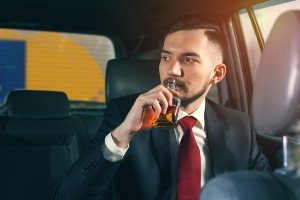
Image Source: www.rgsglaw.com
Deciphering Pennsylvania’s Open Container Laws
Pennsylvania’s open bottle law Pennsylvania is central to this discussion. This law broadly prohibits the possession of an open alcoholic beverage container in the passenger area of a vehicle, whether it’s moving or not. However, there’s a critical distinction for passengers.
Key Provisions of PA Open Container Laws:
- Driver Prohibition: It is illegal for the driver of a vehicle to have an open alcoholic beverage container in the passenger area of their vehicle. This applies even if the driver is not drinking. The mere presence of an open container, accessible to the driver, constitutes a violation.
- Passenger Permitted Consumption: For passengers, the situation is generally more permissible. A passenger can legally possess and consume an alcoholic beverage in a vehicle, provided they are not the driver and the driver is not under the influence.
However, this permission comes with important caveats. The container must not be readily accessible to the driver, and the driver must not be impaired by alcohol or drugs.
The Passenger’s Role and Responsibility
While passengers might have more leeway, they are not entirely absolved of responsibility. The actions of a passenger can indirectly impact the driver and the legality of the situation. For instance, providing alcohol to a minor or encouraging the driver to drink could lead to legal consequences.
Can a Passenger Drink in a Car in PA? A Closer Look
The straightforward answer to “Can a passenger drink in a car in PA?” is yes, under specific circumstances. The key is that the vehicle passenger alcohol PA must not be the driver, and the driver must remain sober and in control of the vehicle.
When Passenger Consumption is Permitted:
- Driver is Sober: The most critical factor is the driver’s sobriety. If the driver is under the influence of alcohol or drugs, any consumption of alcohol by anyone in the vehicle can be problematic, as it may indicate a higher risk of impaired driving.
- Passenger is of Legal Drinking Age: Naturally, the passenger must be of legal drinking age (21 or older) to consume alcohol.
- Container Not Accessible to Driver: While the passenger can hold an open container, it should ideally be kept in a way that it’s not easily accessible to the driver. This is to avoid the appearance or reality of the driver having immediate access to alcohol.
- Vehicle is Not Being Operated Illegally: This might seem obvious, but the vehicle itself must be operating within the bounds of traffic laws.
What Constitutes an “Open Container” for Passengers?
An “open container” typically refers to a bottle, can, or other receptacle that has been opened, and from which some of the contents have been consumed. For a passenger, holding a can of beer or a glass of wine is permissible as long as they are not the driver and the driver is sober.
Pennsylvania DUI Laws and Their Impact
Pennsylvania DUI laws are strict and designed to prevent impaired driving. While these laws primarily target drivers, they can have indirect implications for passengers and the overall situation within a vehicle.
Understanding DUI Laws for Drivers:
- Impaired Driving: It is illegal for any person to drive a vehicle in Pennsylvania while under the influence of alcohol or a controlled substance to a degree that renders them incapable of safe driving.
- Blood Alcohol Content (BAC): The legal BAC limit in Pennsylvania is 0.08%. For commercial drivers, it’s 0.04%, and for drivers under 21, it’s 0.02%.
How Passenger Consumption Relates to DUI
If a driver is stopped for a traffic violation and it’s discovered that a passenger is consuming alcohol, it might raise suspicion, especially if there are multiple open containers or if the driver appears to be influenced. Law enforcement officers will assess the driver’s condition regardless of who is drinking.
The concept of DUI open container PA primarily applies to the driver. However, if a passenger is contributing to the driver’s impairment, for instance, by actively encouraging them to drink or providing them with alcohol, this could lead to additional charges.
Passenger Drinking and Driving PA: The Interplay
The phrase “passenger drinking and driving PA” highlights a critical area of concern. While a passenger can drink, their actions must not compromise the driver’s ability to operate the vehicle safely.
Scenario Breakdown:
- Passenger Consuming Alcohol, Driver Sober: This is generally legal, as long as the driver is not impaired and adheres to all traffic laws.
- Passenger Consuming Alcohol, Driver Impaired: This is illegal for the driver due to DUI. The passenger’s consumption, in this context, further exacerbates the dangerous situation.
- Passenger Providing Alcohol to Driver: This is illegal and can lead to charges for the passenger, even if the driver is the one ultimately caught for DUI.
- Passenger Encouraging Driver to Drink: This can also result in legal repercussions for the passenger, depending on the circumstances.
Vehicle Passenger Alcohol PA: Legal Boundaries
When considering vehicle passenger alcohol PA, it’s important to remember that the focus remains on the safe operation of the vehicle and the driver’s sobriety.
Limitations for Passengers
- No Driver Involvement: Passengers cannot facilitate or encourage the driver’s intoxication.
- No Minors: Passengers under 21 cannot possess or consume alcohol in a vehicle.
- Respecting Open Container Laws: While passengers can hold open containers, they should be mindful of the spirit of the law, which aims to reduce alcohol-related risks in vehicles.
DUI Open Container PA: Driver’s Responsibility
The DUI open container PA laws place the primary responsibility on the driver. The driver is legally obligated to ensure no open containers are accessible to them and that they are not driving under the influence.
Exceptions to the Open Container Law
There are specific exceptions to Pennsylvania’s open container law that are important to note:
- Passengers in Limousines, Taxis, or Ride-Sharing Vehicles: In vehicles designed to transport passengers for hire, such as limousines, taxis, or registered ride-sharing vehicles, passengers are generally permitted to consume alcohol, even from an open container. This is because these vehicles are often seen as extensions of hospitality or public transport where such activities are implicitly permitted within defined boundaries.
- Passengers in RVs or Campers: Occupants in the living quarters of recreational vehicles (RVs) or campers may be allowed to possess open containers, as these are considered temporary living spaces rather than the primary driving compartment of a standard vehicle.
- Containers in Trunk or Rear Compartment: The open container prohibition typically applies to the “passenger area” of the vehicle. Therefore, an open container stored in the trunk or a locked glove compartment, or any other area not accessible to the driver during operation, is generally not considered a violation for the driver.
However, for passengers, the primary restriction is their own status (not being the driver) and ensuring their consumption doesn’t lead to the driver’s impairment.
Pennsylvania Driving Under Influence Passenger: Indirect Liability
While the term Pennsylvania driving under influence passenger might suggest direct liability for the passenger, it usually refers to indirect responsibility or the passenger’s role in enabling the DUI.
Situations Where a Passenger Might Face Consequences:
- Providing Alcohol to a Minor: If a passenger provides alcohol to another passenger who is underage, they can face criminal charges.
- Contributing to the Driver’s Impairment: As mentioned earlier, actively encouraging or facilitating the driver’s intoxication can lead to passenger liability.
- Interfering with a DUI Stop: If a passenger obstructs law enforcement during a traffic stop or DUI investigation, they can be charged with separate offenses.
Key Takeaways for Passengers
To summarize the most critical aspects regarding passenger consumption vehicle PA:
- Driver Sobriety is Paramount: Always ensure the driver is sober and capable of driving safely.
- Legal Drinking Age: You must be 21 or older to consume alcohol.
- Respect Open Container Rules: While you can drink, avoid actions that could implicate the driver with open container violations or DUI charges.
- Know the Exceptions: Understand where consumption is more permissible (e.g., taxis, limos).
Frequently Asked Questions (FAQ)
Q1: Can I drink alcohol in a car in Pennsylvania if I’m a passenger?
A1: Yes, you can generally drink alcohol as a passenger in Pennsylvania if you are 21 or older, and the driver is sober and not impaired. The driver must also not have any open containers accessible to them.
Q2: What if the driver is not drinking, but there’s an open container next to me as a passenger?
A2: As long as you are the passenger, are of legal drinking age, and the driver is not impaired, having an open container near you is typically permissible. However, it’s best to keep it within your own space and not easily accessible to the driver.
Q3: Is it illegal for a passenger to have an open beer can in the car in PA?
A3: No, it is not illegal for a passenger to possess an open beer can in the car in PA, provided they are 21 or older and the driver is sober and not under the influence. The open container law’s primary restriction is on the driver’s access.
Q4: What are the penalties for a passenger caught with an open container in Pennsylvania?
A4: For a passenger, there are typically no penalties for possessing an open container if they are of legal drinking age and the driver is not impaired. The penalties for open container violations are generally directed at the driver for having accessible open containers.
Q5: Can a passenger drink in a taxi or Uber in Pennsylvania?
A5: Yes, in vehicles for hire like taxis, limousines, and registered ride-sharing vehicles, passengers are generally permitted to consume alcohol from an open container.
Q6: What if I’m a passenger and the driver gets pulled over for speeding?
A6: If the driver is pulled over for speeding, and you are a passenger who has been consuming alcohol, the officer will first assess the driver for impairment. If the driver is sober and not violating any laws, your consumption as a passenger should not be an issue, provided you are of legal drinking age.
Q7: Can a passenger under 21 drink in a car in PA?
A7: No, it is illegal for any passenger under 21 years of age to possess or consume alcohol in any vehicle in Pennsylvania. This is strictly prohibited by law.
Q8: What is the difference between passenger consumption and the driver’s responsibility regarding open containers?
A8: The driver has a strict prohibition against having accessible open containers of alcohol in the passenger area of their vehicle. Passengers, however, can generally possess and consume alcohol, as long as they are of legal drinking age and do not contribute to the driver’s impairment or violate other laws. The focus of PA open container laws regarding possession is on the driver’s control.
Q9: If a passenger hands the driver a drink, can the passenger be charged?
A9: Yes, if a passenger hands the driver a drink, and the driver is either impaired or has consumed alcohol, the passenger could face charges for facilitating the offense, especially if it contributes to the driver’s DUI. This falls under the umbrella of passenger drinking driving PA where the passenger enables illegal activity.
Q10: How does Pennsylvania’s strict DUI policy affect passengers?
A10: Pennsylvania’s strict Pennsylvania DUI laws mean that law enforcement will be vigilant in checking for impairment. While passengers can drink, their actions should not draw attention that could lead to a stop or, if stopped, should not contribute to any suspicion of the driver’s impairment. The overall goal is to prevent any activity that compromises road safety.