
If your car heater is blowing cold air, it’s a frustrating problem, especially during colder months. The most common reasons for a car heater not working or blowing cold air include low coolant levels, a faulty thermostat, a clogged heater core, or a failing blower motor.
Driving in the cold without a working heater can be more than just uncomfortable; it can be dangerous, leading to visibility issues as your windshield fogs up and a significant drop in cabin comfort. This guide aims to decipher the common culprits behind your car heater blowing cold air and what you can do about it.
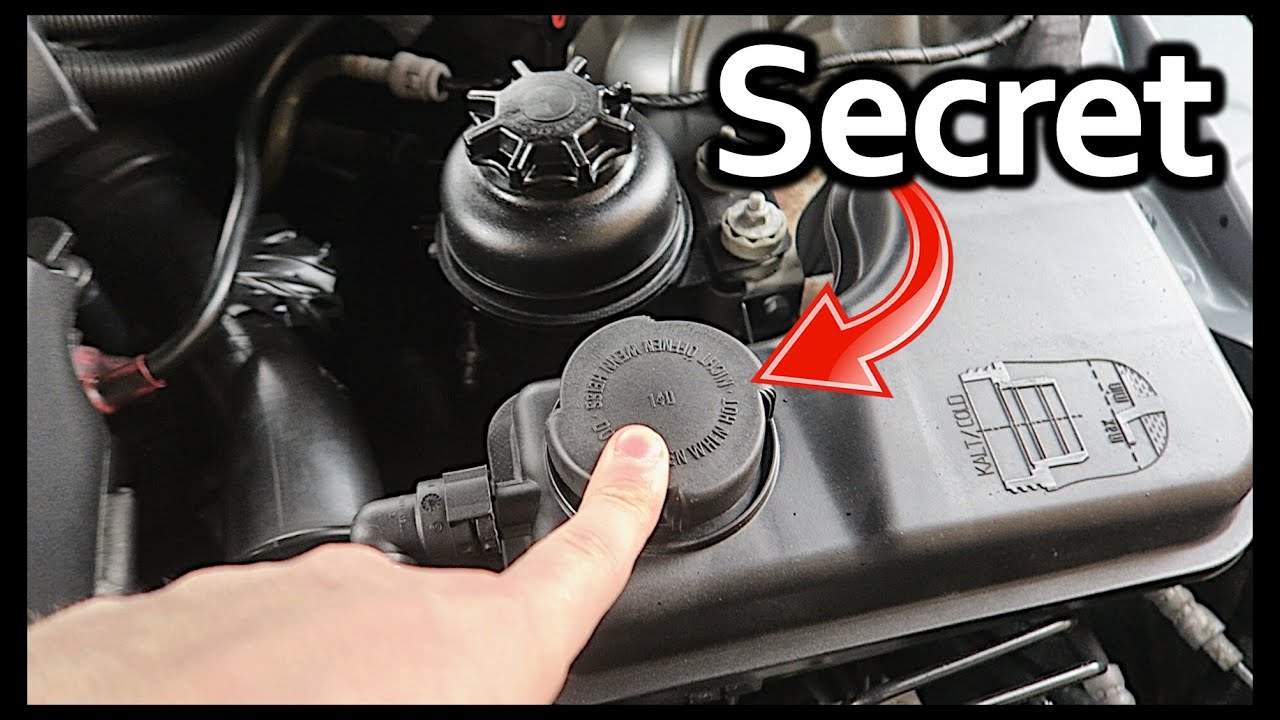
Image Source: i.ytimg.com
The Core Components of Your Car’s Heating System
Before diving into why your heater might be blowing cold air, let’s quickly explore how it works. Your car’s heating system is ingeniously linked to its engine. When the engine runs, it generates a lot of heat. This heat is transferred to the engine’s coolant, a mixture of antifreeze and water.
This hot coolant then circulates through hoses to a small radiator-like device located behind your dashboard, known as the car heater core. As the coolant flows through the heater core, it releases heat.
The car blower motor then pushes air across the hot heater core, warming the air. This warmed air is then directed through your car’s vents, providing warmth to the cabin. Meanwhile, your car AC blowing hot air is a completely separate system, though sometimes people confuse the two when troubleshooting.
Common Reasons Your Car Heater Blows Cold Air
There are several interconnected reasons why your car heater blowing cold air can occur. Each part of the system needs to function correctly for you to enjoy a warm ride. Let’s break down the most frequent issues.
1. Low Coolant Level
What is it? The coolant in your car is essential for regulating engine temperature. It absorbs excess heat from the engine and carries it to the radiator to be cooled. A portion of this hot coolant is also what heats your cabin.
Why it causes cold air: If your coolant level is low, there simply isn’t enough hot coolant circulating to the heater core. This means the heater core won’t get warm enough to heat the air blown by the blower motor. A low coolant level can also indicate a leak somewhere in the cooling system.
Signs of low coolant:
* The temperature gauge on your dashboard reads higher than normal.
* You see puddles of colored liquid (usually green, orange, or pink) under your car.
* You might smell a sweet odor when the engine is running.
* The heater starts blowing cold air, especially during extended periods of driving or when the engine is under load.
What to do: Check your coolant reservoir. If it’s low, you’ll need to add the correct type of coolant (check your owner’s manual) to the reservoir. However, if the level drops again quickly, it signifies a leak that needs professional attention.
2. Faulty Thermostat
What is it? The thermostat is a valve that controls the flow of coolant between the engine and the radiator. It remains closed when the engine is cold to help it warm up faster. Once the engine reaches its optimal operating temperature, the thermostat opens, allowing coolant to flow to the radiator.
Why it causes cold air: If your thermostat gets stuck in the closed position, coolant cannot flow to the radiator. While this might initially cause the engine to overheat, it also prevents hot coolant from reaching the heater core. Conversely, if the thermostat is stuck open, the engine may never reach its optimal operating temperature, meaning the coolant flowing to the heater core might not be hot enough.
Signs of a faulty thermostat:
* The engine temperature gauge fluctuates wildly or stays very low.
* The heater blows cold air, even when the engine seems to be running fine.
* The engine takes an unusually long time to warm up.
* In some cases, an overheating engine.
What to do: A faulty thermostat typically needs to be replaced. This is a relatively inexpensive part, but the labor to access and replace it can vary depending on the vehicle’s make and model.
3. Clogged Heater Core
What is it? The heater core is a miniature radiator situated inside your dashboard. Hot engine coolant flows through it, and the blower motor pushes air across its fins to heat the cabin.
Why it causes cold air: Over time, the heater core can become clogged with rust, sediment, or mineral deposits from the coolant. This blockage restricts the flow of hot coolant, preventing it from reaching the temperatures needed to effectively heat the air. Even if coolant is flowing, a severely clogged core might not be able to transfer enough heat.
Signs of a clogged heater core:
* No heat from car vents or only lukewarm air.
* The temperature of the air fluctuates.
* You might notice a persistent sweet smell inside the car, indicating a coolant leak from the heater core itself.
* Fogging or moisture on the inside of your windshield.
What to do: Sometimes, a clogged heater core can be flushed by a mechanic. This involves running a cleaning solution through the core to dissolve the blockages. However, if the clogging is severe or the core is leaking, it will need to be replaced, which can be a labor-intensive and costly repair as it often requires removing parts of the dashboard.
4. Car Heater Core Issues (Beyond Clogging)
While clogging is the most common heater core problem, other car heater core issues can arise:
- Leaking Heater Core: A cracked or corroded heater core can develop leaks. This leads to a loss of coolant and can result in a sweet, syrupy smell inside the car, foggy windows, and ultimately, a lack of heat as the coolant level drops.
- Air in the Cooling System: Air pockets in the cooling system can prevent hot coolant from reaching the heater core. This is often a consequence of improper coolant filling after maintenance or a leak that has allowed air to enter.
What to do: Leaks require immediate attention. If you suspect a leak from the heater core, it needs to be replaced to prevent further damage and restore your heating system. Air pockets can sometimes be bled from the system by a mechanic.
5. Malfunctioning Blend Door Actuator
What is it? This is a small electric motor that controls a flap (or door) inside your HVAC system. This flap directs the airflow either through the heater core (for heat) or past it (for AC or fresh air).
Why it causes cold air: If the blend door actuator fails or gets stuck in the “cold” position, the air will bypass the heater core, even if the coolant is hot. You might be able to hear clicking noises from behind the dashboard when you try to adjust the temperature.
Signs of a faulty blend door actuator:
* You can’t switch between hot and cold air at all, or the temperature only changes in one direction.
* You hear clicking or grinding sounds from the dashboard when changing temperature settings.
* The car heater blowing cold air problem might be intermittent or specific to certain temperature settings.
What to do: Replacing a blend door actuator usually involves removing parts of the dashboard to access it. The part itself is typically inexpensive, but labor costs can add up.
6. Car Blower Motor Problems
What is it? The blower motor is the fan that pushes air through your car’s ventilation system and out of the vents.
Why it causes cold air: If the blower motor isn’t working, or is working weakly, you won’t get any airflow, or you’ll get very little. Even if the heater core is hot and the coolant is circulating, if the air isn’t being pushed across it and into the cabin, you’ll feel no heat. While this is a car blower motor problems, it often manifests as no heat from car vents, which is a symptom people associate with their heater not working.
Signs of blower motor problems:
* No air coming from the vents at any speed.
* Air only comes out of certain vents, or at very low speeds.
* You might hear a humming or rattling noise from the fan.
* The fan speed control might be unresponsive or only work on certain settings.
What to do: A faulty blower motor will need to be replaced. Sometimes, the blower motor resistor can also fail, which controls the fan speed. If the resistor fails, the blower motor might only work on the highest setting or not at all.
7. Low Engine RPMs or Idle Issues
What is it? Your car’s engine needs to generate enough heat to warm the coolant. This heat generation is directly tied to engine RPMs.
Why it causes cold air: If your engine is not reaching or maintaining a proper operating temperature (perhaps due to a stuck-open thermostat or a coolant leak), it won’t produce enough heat. Additionally, if your engine is idling very low or the idle is unstable, it might not be generating enough heat to warm the coolant sufficiently for the heater to work effectively.
Signs:
* Heater blows cold or lukewarm air when the car is idling but improves when driving.
* The engine temperature gauge sits lower than usual.
What to do: Address any underlying engine performance issues. Ensure your engine is reaching its normal operating temperature.
8. Air Lock in the Cooling System
What is it? An air lock is a pocket of air trapped within the cooling system, preventing proper coolant circulation.
Why it causes cold air: As mentioned earlier, if air pockets are preventing hot coolant from reaching the heater core, you’ll experience cold air. This is a common issue after the cooling system has been opened for repairs or if there’s a leak allowing air to enter.
Signs:
* Intermittent heating or no heat at all.
* The engine temperature might fluctuate.
* Gurgling noises from the dashboard area.
What to do: The cooling system needs to be properly bled to remove air pockets. This is a task best left to a qualified mechanic.
9. External Factors and Car Temperature Control Issues
Sometimes, the problem might not be a direct car heater malfunction but rather an issue with the overall car temperature control issues that manage the mix of air and its destination.
- Blocked Air Intakes: Leaves or debris can sometimes block the external air intake for your HVAC system, reducing the amount of air that can be drawn into the cabin and heated.
- Faulty Temperature Sensor: While less common for a “cold air only” scenario, a faulty temperature sensor could potentially confuse the climate control system, leading to incorrect air mixing.
What to do: Check and clear any debris from external air intakes. If you suspect a sensor issue, a diagnostic scan by a mechanic can identify this.
Troubleshooting Steps for a Car Heater Blowing Cold Air
When faced with no heat from car vents, here’s a systematic approach to pinpoint the problem:
Step 1: Check Coolant Level and Condition
- Safety First: Ensure your engine is cool before opening the radiator cap or checking the coolant reservoir.
- Visual Inspection: Look at the coolant level in the overflow reservoir. It should be between the “MIN” and “MAX” lines.
- Color and Consistency: Note the color and texture of the coolant. It should be clean and free of debris, oil, or a sludgy appearance.
Step 2: Monitor Engine Temperature Gauge
- Drive your car for at least 15-20 minutes.
- Observe the temperature gauge on your dashboard. It should settle at a normal operating temperature (usually around the halfway mark).
- If the gauge stays very low or fluctuates significantly, it could indicate a thermostat problem. If it climbs rapidly into the red zone, it suggests a more serious cooling system issue, possibly related to coolant flow or a leak.
Step 3: Listen for the Blower Motor
- Turn your car on and try adjusting the fan speed.
- Can you hear the blower motor working? Do you feel air coming from the vents, even if it’s cold?
- If there’s no airflow at all, the blower motor or its resistor might be the culprit.
Step 4: Check for Airflow at Different Settings
- With the engine running and warm, try switching between different vent selections (defrost, face, floor).
- Does the airflow change? If you get strong airflow from some vents and weak or no airflow from others, it might point to a blend door issue or a blockage in the ductwork.
Step 5: Observe for Leaks or Smells
- Periodically check under your car for any coolant leaks.
- Be aware of any unusual sweet or burning smells inside or outside the car. A sweet smell often indicates a coolant leak, possibly from the heater core.
Step 6: Consider Professional Diagnosis
If you’ve gone through these steps and are still unsure, or if the problem seems complex, it’s time to consult a professional mechanic. They have the tools and expertise to accurately diagnose car temperature control issues and perform necessary repairs.
Can I Fix a Car Heater Blowing Cold Air Myself?
Some issues, like topping up low coolant or clearing external air intakes, are simple DIY tasks. However, more complex problems involving the thermostat, heater core replacement, blend door actuators, or blower motor replacement often require specialized tools and knowledge. Attempting these repairs without experience can lead to further damage and costly mistakes.
What If My Car AC is Blowing Hot Air Instead?
If your car AC blowing hot air is the problem, the causes are usually different. This typically involves issues with the AC system itself, such as low refrigerant, a faulty compressor, a clogged condenser, or issues with the AC clutch. While both are climate control problems, the underlying mechanisms are distinct. The car heater not working is specifically about the lack of heat generation or transfer, while AC issues relate to the cooling cycle.
Table: Common Symptoms and Potential Causes
| Symptom | Potential Cause(s) |
|---|---|
| Heater blows cold air only | Low coolant, stuck thermostat (open), clogged heater core, air in system |
| Heater blows lukewarm air | Low coolant, partially clogged heater core, weak blower motor |
| No air from vents | Blower motor failure, blown fuse for blower motor, faulty blower motor resistor |
| Air only from some vents | Blend door actuator failure, blocked ductwork |
| Sweet smell inside the car, foggy windows | Leaking heater core |
| Engine overheats AND heater blows cold air | Stuck thermostat (closed), severely restricted coolant flow |
| Heater works at high RPM but not at idle | Low idle speed, engine not reaching optimal temp |
Frequently Asked Questions (FAQ)
Q1: How much does it cost to fix a car heater blowing cold air?
A1: The cost can vary significantly. Topping up coolant might cost only a few dollars for the fluid. Replacing a thermostat is usually in the $150-$300 range. A blower motor or blend door actuator replacement can be $300-$600. Replacing a heater core is often the most expensive, potentially costing $700-$1500 or more due to the labor involved in dashboard removal.
Q2: Can driving with a car heater blowing cold air damage my engine?
A2: If the reason for the cold air is a lack of coolant or a thermostat stuck open, your engine might not be reaching its optimal operating temperature, which can lead to less efficient fuel combustion and potentially increased wear over time. However, the more immediate danger is from a thermostat stuck closed or a significant coolant leak, which can lead to severe engine overheating and catastrophic damage.
Q3: How often should I check my coolant level?
A3: It’s a good practice to check your coolant level monthly and also before any long road trips. Always check when the engine is cool.
Q4: My car heater sometimes works and sometimes doesn’t. What could be the cause?
A4: Intermittent issues can be tricky. They often point to electrical problems like a failing blower motor resistor, a loose connection, or a blend door actuator that is starting to fail. It could also be a coolant flow issue that’s affected by engine vibration or temperature.
Q5: Is it safe to drive with a foggy windshield caused by a heater issue?
A5: No, it is not safe to drive with significantly reduced visibility due to a foggy windshield. You should pull over to a safe location and try to clear the fog. If your defroster isn’t working because of the heater problem, this can become a serious safety hazard.
Conclusion
Experiencing your car heater blowing cold air is a common automotive issue with several potential causes. From simple coolant level checks to more complex repairs of the heater core or blend door, each component plays a vital role in delivering warmth to your cabin. By understanding the function of your car’s heating system and recognizing the signs of common malfunctions, you can better address the problem and ensure a comfortable and safe driving experience, no matter the weather outside. If in doubt, always consult a trusted mechanic to diagnose and repair your car heater not working issue.