
A headache after a car accident is a common complaint. Can I treat a headache from a car accident myself? While some mild headaches might improve with home care, it’s crucial to see a doctor to rule out serious injuries. What is the best way to treat a headache from a car accident? The best approach involves a thorough medical evaluation followed by a personalized treatment plan tailored to the specific cause of your headache.
Car accidents can cause a range of injuries, and headaches are frequently among them. These aren’t just ordinary headaches; they can stem from various physical and neurological responses to the trauma of a collision. This comprehensive guide will explore the causes of headaches following car accidents and provide expert-backed strategies for headache management after collision. We’ll delve into whiplash headache treatment, how to address post-traumatic headache after car crash, and recognizing concussion symptoms and headache. We’ll also cover car accident neck pain relief, the possibility of migraine from car accident, identifying traumatic brain injury headache, managing nerve pain after auto accident, spotting head injury symptoms, and navigating auto accident recovery headache.
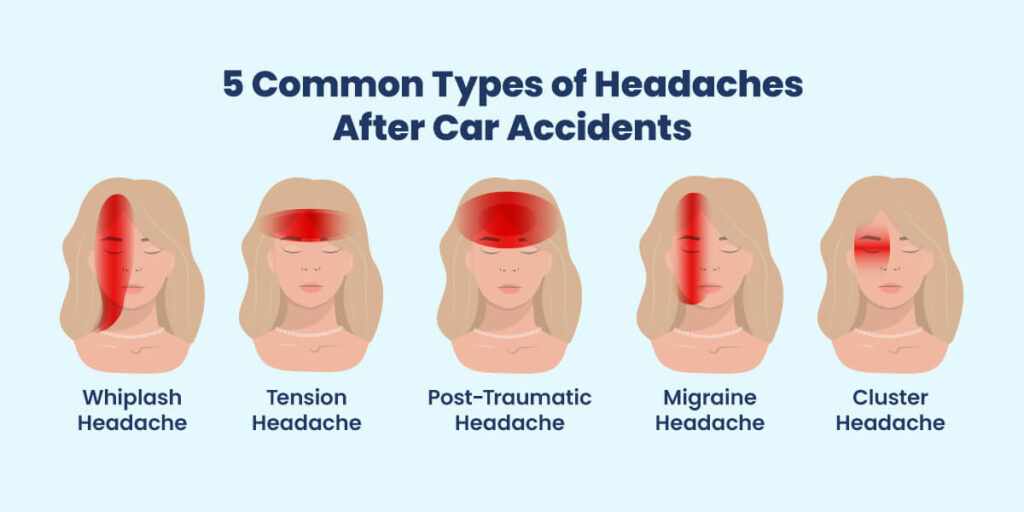
Image Source: complete-care.com
Deciphering the Causes of Headaches Post-Collision
The force of a car accident can jolt your body in ways that trigger persistent headaches. It’s not just about hitting your head; the sudden acceleration and deceleration can have widespread effects.
Whiplash and Headaches
Whiplash headache treatment often starts with recognizing the connection between neck injury and head pain. Whiplash occurs when the head is suddenly and forcefully thrown backward and then forward. This rapid movement can strain the muscles, ligaments, and nerves in the neck.
- Muscle Strain: Overstretched or torn neck muscles can become inflamed and painful, radiating pain to the head.
- Nerve Compression: Swelling or misalignment in the neck vertebrae can compress nerves that travel to the head, causing various types of head pain.
- Joint Dysfunction: The small joints in the cervical spine can be injured, leading to pain that refers to the head.
Traumatic Brain Injury (TBI) and Headaches
A more serious cause of headaches after a car accident is a traumatic brain injury. Even a mild TBI, often called a concussion, can result in significant head pain. A traumatic brain injury headache can be a primary symptom of the injury itself.
- Concussion Symptoms and Headache: Headaches are a hallmark of concussion. They can range from mild to severe and may be accompanied by other symptoms like dizziness, nausea, sensitivity to light and sound, and memory problems.
- Severity Matters: The intensity and persistence of a headache after a crash can be an indicator of TBI severity. A severe or worsening headache, especially with neurological changes, requires immediate medical attention.
Other Contributing Factors
Beyond direct trauma to the head or neck, other factors can contribute to headaches following a car accident:
- Stress and Anxiety: The emotional distress of a car accident can trigger or exacerbate tension headaches.
- Muscle Tension: The body tenses up in anticipation of or during an impact, leading to widespread muscle tightness, including in the head and neck.
- Blood Vessel Changes: The sudden shock can affect blood flow and nerve signals in the brain, leading to headaches.
- Pre-existing Conditions: If you have a history of migraines or other headache disorders, the stress of an accident can trigger these. A migraine from car accident is not uncommon.
Recognizing the Signs: Identifying Your Headache Type
Accurate diagnosis is key to effective auto accident recovery headache management. Headaches can manifest in different ways, each pointing to a potential underlying issue.
Common Headache Presentations After Accidents
| Headache Type | Description | Potential Causes |
|---|---|---|
| Tension-Type Headache | A dull, aching pain, often felt as a band around the head. | Muscle tension in the neck and scalp, stress, anxiety. |
| Migraine | Intense, throbbing pain, often on one side of the head, with nausea and sensitivity. | Can be triggered by head trauma, neck issues, stress, or underlying predisposition. |
| Cervicogenic Headache | Pain that originates in the neck and refers to the head. | Whiplash, neck injury, poor posture. |
| Cluster Headache | Severe, piercing pain around one eye, often occurring in cycles. | Less common but can be triggered or worsened by trauma. |
Neurological Symptoms to Watch For
Beyond just pain, a headache can be a sign of more significant head injury symptoms. Be aware of these red flags:
- Sudden onset of severe headache.
- Headache accompanied by confusion or disorientation.
- Vomiting or nausea that doesn’t stop.
- Difficulty speaking or understanding speech.
- Weakness or numbness on one side of the body.
- Vision changes (blurred vision, double vision, blind spots).
- Loss of consciousness, even brief.
- Seizures.
- Increasingly severe or persistent pain.
If you experience any of these, seek immediate medical attention.
Expert-Recommended Treatment Strategies for Post-Accident Headaches
Effective headache management after collision relies on a multi-faceted approach, addressing both the symptoms and their root causes.
Medical Evaluation: The Crucial First Step
Before attempting any self-treatment, a professional medical diagnosis is paramount.
- Initial Assessment: A doctor will review your accident details, symptoms, and medical history. They will perform a physical and neurological examination.
- Diagnostic Imaging: Depending on the assessment, imaging tests like X-rays, CT scans, or MRIs may be ordered to check for fractures, bleeding, or other structural damage.
- Specialist Referrals: If a TBI or complex neck injury is suspected, you might be referred to a neurologist, physiatrist, or pain management specialist.
Addressing Whiplash Headache Treatment
For headaches linked to neck injuries, whiplash headache treatment often focuses on restoring normal neck function and reducing inflammation.
Physical Therapy
Physical therapy is a cornerstone of car accident neck pain relief and its associated headaches. A therapist will design exercises to:
- Improve Range of Motion: Gentle stretching and mobilization exercises to regain flexibility in the neck.
- Strengthen Muscles: Exercises to strengthen the supporting muscles of the neck and upper back, providing better stability.
- Correct Posture: Guidance on maintaining proper posture to reduce strain on the neck and head.
- Manual Therapy: Techniques like massage, mobilization, and manipulation to relieve muscle tension and improve joint mobility.
Medications for Pain and Inflammation
Your doctor may prescribe medications to manage pain and inflammation.
- Over-the-Counter (OTC) Pain Relievers: Acetaminophen (Tylenol) or NSAIDs like ibuprofen (Advil, Motrin) or naproxen (Aleve) can help with mild to moderate pain.
- Prescription Medications: For more severe pain, stronger NSAIDs, muscle relaxants, or specific headache medications might be prescribed.
- Nerve Pain Medications: If you are experiencing nerve pain after auto accident, medications like gabapentin or pregabalin may be used to manage this specific type of discomfort.
Managing Post-Traumatic Headaches
Post-traumatic headache after car crash requires careful management. Treatment will depend on whether it’s a migraine, tension headache, or another type.
Lifestyle Modifications
Simple changes can significantly impact headache frequency and intensity.
- Sleep Hygiene: Aim for 7-9 hours of quality sleep per night. Maintain a consistent sleep schedule.
- Stress Management: Practice relaxation techniques such as deep breathing, meditation, or yoga.
- Diet and Hydration: Eat regular meals and stay well-hydrated. Avoid known headache triggers like caffeine or alcohol if they affect you.
- Regular Exercise: Low-impact exercise, as recommended by your doctor or physical therapist, can improve circulation and reduce stress.
Headache Management Techniques
Specific techniques can offer relief.
- Cold/Heat Therapy: Applying a cold pack to the forehead or the back of the neck can numb pain. A warm compress or shower can relax tense muscles.
- Massage Therapy: Targeted massage of the neck, shoulders, and scalp can release muscle knots that contribute to headaches.
- Acupuncture: Some individuals find relief from chronic headaches through acupuncture.
Addressing Migraines from Car Accidents
If a migraine from car accident is diagnosed, treatment will focus on migraine-specific strategies.
- Migraine Medications: This can include triptans, CGRP inhibitors, or preventative medications depending on the frequency and severity of migraines.
- Trigger Identification: Working with your doctor to identify and avoid personal migraine triggers is crucial.
Navigating Head Injury Symptoms and Recovery
When concussion symptoms and headache are present, a gradual and carefully monitored return to activities is essential.
Rest and Gradual Return to Activity
- Cognitive Rest: Initially, limit mentally demanding activities like reading, computer work, and schoolwork.
- Physical Rest: Avoid strenuous physical activity until cleared by a healthcare professional.
- Gradual Reintroduction: As symptoms improve, slowly reintroduce cognitive and physical activities, monitoring for any worsening of symptoms. This phased approach is vital for auto accident recovery headache.
Specialized Treatments
For persistent or severe headaches, more specialized interventions may be necessary.
- Botox Injections: For chronic migraines, Botox injections can be an effective treatment.
- Nerve Blocks: In cases of persistent nerve pain after auto accident or specific types of headaches, nerve blocks can provide temporary or long-term pain relief.
- Chiropractic Care: For some, gentle chiropractic adjustments can help with spinal alignment and relieve tension headaches associated with neck issues.
Table: Symptom Management and When to Seek Help
| Symptom Category | Key Symptoms | Self-Care Measures (When Appropriate) | When to Seek Medical Help |
|---|---|---|---|
| Headache | Dull ache, throbbing, band-like, sharp pain, dizziness, nausea | OTC pain relievers, rest, hydration, cold/hot packs, relaxation techniques | Severe, sudden, worsening headache; headache with fever, stiff neck, confusion; headache unresponsive to OTC treatment; headache accompanied by neurological symptoms. |
| Neck Pain | Stiff neck, limited range of motion, pain radiating to shoulders | Gentle stretching, heat therapy, pain relievers | Inability to move the neck, radiating pain down the arm, numbness or tingling in the arm, severe pain. |
| Neurological | Blurred vision, double vision, confusion, memory loss, weakness, numbness | Rest, avoid screens, quiet environment | Any of the “red flag” symptoms mentioned earlier, especially difficulty speaking, facial drooping, loss of balance, or sudden changes in consciousness. |
Frequently Asked Questions (FAQ)
Q1: How long do headaches typically last after a car accident?
A1: The duration varies greatly. Mild headaches might resolve within days or weeks, while headaches related to TBI or chronic whiplash can persist for months or even longer without proper treatment.
Q2: Can I drive with a headache after a car accident?
A2: It depends on the severity of the headache and its impact on your concentration and vision. If your headache is causing dizziness, blurred vision, or significant discomfort, it’s best to avoid driving until you feel better or have been cleared by a doctor.
Q3: What if my headache started a few days after the accident?
A3: This is not uncommon. Some injuries and their symptoms can manifest days or even weeks after the initial trauma. It’s still important to get a medical evaluation to determine the cause.
Q4: Are there any long-term effects of headaches from car accidents?
A4: Yes, without adequate treatment, headaches can become chronic. This can significantly impact your quality of life, ability to work, and overall well-being. Prompt and appropriate medical care is key to preventing long-term issues.
Q5: Who should I see for a headache after a car accident?
A5: Start with your primary care physician. They can perform an initial assessment and refer you to specialists like neurologists, physiatrists (rehabilitation doctors), or physical therapists as needed. In cases of suspected neck injury, a chiropractor or physical therapist specializing in spine care can also be very helpful.
Conclusion
Headaches following a car accident are a serious concern that should not be ignored. From whiplash headache treatment to addressing post-traumatic headache after car crash, a systematic approach involving medical evaluation and tailored therapies is essential. Recognizing concussion symptoms and headache, understanding car accident neck pain relief, and knowing when nerve pain after auto accident is a factor are all critical components of auto accident recovery headache. By seeking professional help promptly and adhering to a comprehensive treatment plan, individuals can effectively manage their pain and work towards a full recovery. Prioritizing your health after a collision is the most important step you can take.