
Image Source: thepearcelawfirm.com
Your Guide: Can I File a Police Report After a Car Accident?
Yes, you can almost always file a police report after a car accident. In many jurisdictions, it’s legally required to report an accident if there are injuries or significant property damage. Even if it’s not mandatory, filing a police report is highly recommended as it provides crucial documentation for insurance claims and potential legal proceedings.
The aftermath of a car accident can be a confusing and stressful time. Amidst the chaos, one of the most critical steps you can take is to ensure a police report after crash is filed. This document serves as an official record of what happened, detailing facts like the date, time, location, involved parties, vehicles, and any initial statements. It’s a vital piece of evidence that can significantly impact your ability to make a filing a claim after accident or resolve disputes with other drivers and insurance companies.
When to Call Police After Accident
Deciding when to call police after accident is a crucial decision. While minor fender-benders might seem insignificant, calling the authorities is generally a good idea in several situations:
- Injuries: If anyone involved, including yourself, has sustained any form of injury, no matter how minor it may seem at first, call the police immediately. Injuries can worsen over time, and official documentation is essential.
- Significant Property Damage: If the cost of damage to any vehicle or property exceeds a certain threshold (often around $500 or $1,000, depending on the state), reporting is usually required.
- DUI Suspicions: If you suspect the other driver is under the influence of alcohol or drugs, prompt reporting is vital for public safety.
- Uncooperative Drivers: If the other driver refuses to exchange information or becomes aggressive, call the police.
- Hit-and-Run: If the other driver flees the scene, you must report it to the police.
- Commercial Vehicles Involved: Accidents involving trucks, buses, or other commercial vehicles often require police involvement and a formal report.
- Road Obstructions: If the accident has caused significant debris or is blocking traffic lanes, police assistance is needed to manage the situation safely.
- Disputes: If there’s a disagreement about fault or the details of the incident, a police report can help clarify the situation.
Even in minor accidents, having an official record can prevent future disputes. It’s often better to be safe than sorry when it comes to reporting a collision.
The Role of the Police Report
A car accident report is more than just a piece of paper; it’s an official narrative of the incident. Police officers are trained to gather information objectively at the scene of an accident. Their report typically includes:
- Date and Time of Accident: Precise details of when the incident occurred.
- Location: Specific address or intersection where the crash took place.
- Involved Parties: Names, addresses, contact information, and insurance details of all drivers and passengers.
- Vehicle Information: Make, model, license plate numbers, and registered owners of all vehicles involved.
- Accident Description: A narrative of how the accident happened, based on the officer’s observations and statements from those involved.
- Diagram: A visual representation of the accident scene, showing vehicle positions, road layout, and points of impact.
- Traffic Conditions: Information about weather, road conditions, and lighting at the time of the crash.
- Citations Issued: If any traffic laws were violated, the report will note any citations given.
- Preliminary Assessment of Fault: While not always definitive, the officer may include their initial assessment of who may be at fault.
- Witness Information: Contact details of any individuals who witnessed the accident.
- Injuries or Fatalities: Details about any injuries sustained and their severity.
This information is crucial for insurance adjusters, lawyers, and even for your own records. The importance of police report cannot be overstated when it comes to processing claims and determining liability.
How to File a Police Report
When the police arrive at the scene, they will typically initiate the process of creating a police report after crash. You will be asked to provide your account of what happened. It’s important to be calm, honest, and as detailed as possible.
Providing a Police Statement Car Accident:
When speaking with the officer, remember to:
- Be Truthful: Stick to the facts and avoid speculation or exaggeration.
- Be Clear and Concise: Explain what you saw and experienced directly.
- Provide Accurate Information: Have your driver’s license, registration, and insurance information readily available.
- Listen Carefully: Make sure you understand the officer’s questions before answering.
- Don’t Admit Fault: Even if you feel partially responsible, it’s best to let the investigation and insurance companies determine fault. Focus on describing the events.
- Ask for a Report Number: Obtain the report number from the officer. This will be essential when you later request a copy of the car accident report.
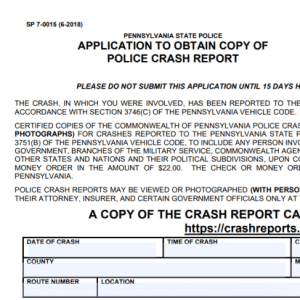
If the police do not come to the scene, you may need to file a report yourself. This usually involves visiting the local police station or filing online, depending on the jurisdiction and the severity of the accident.
Obtaining a Copy of Your Police Report
Once the police report after crash is filed, it may take a few days or even weeks for it to become officially available. The process for obtaining a copy varies by police department and state. Generally, you will need:
- The Report Number: As mentioned, this is critical.
- Your Identification: A driver’s license or other government-issued ID.
- A Fee: Most departments charge a small fee for copies.
You can usually obtain a copy in person at the police station, by mail, or sometimes online through the department’s website.
Table: Steps to Obtain Your Car Accident Police Report
| Step | Description |
|---|---|
| Get the Report Number | Ask the responding officer for the incident or report number at the scene. |
| Check Availability | Contact the police department (non-emergency line) to confirm when the report is ready. This can take several days or even weeks. |
| Visit or Request | Go to the police station in person with your ID and report number, or check if the department offers mail or online request options. |
| Provide Information | You’ll likely need to fill out a request form and show your identification. |
| Pay the Fee | Be prepared to pay a fee, which varies by department. |
| Receive the Report | You will be given a physical copy or an electronic file of the car accident report. |
Having this official document is invaluable for filing a claim after accident with your insurance company.
Evidence for Police Report and Beyond
The evidence for police report is gathered by the responding officer, but you also play a role in collecting important information at the scene. This includes:
- Photographs and Videos: Take pictures of the accident scene from multiple angles, including vehicle damage, road conditions, skid marks, traffic signals, and any injuries.
- Witness Contact Information: If there are witnesses, get their names and phone numbers. Their independent accounts can be crucial.
- Personal Notes: Jot down everything you remember about the accident, including the sequence of events, speed of vehicles, and any conversations.
- Dashcam Footage: If you have a dashcam, preserve the footage immediately.
This collected evidence for police report and your personal records helps ensure accuracy and provides a comprehensive overview of the incident. This documentation is vital for insurance adjusters to assess the damage and liability.
The Importance of Police Report in Insurance Claims
The importance of police report is paramount when it comes to filing a claim after accident. Insurance companies heavily rely on these reports for several reasons:
- Validation: The report validates that an accident occurred and provides an official account.
- Liability Assessment: The officer’s observations and statements can help determine fault, which is critical for assigning responsibility for damages and injuries.
- Damage Documentation: The report often includes descriptions of vehicle damage, which assists adjusters in estimating repair costs.
- Injury Confirmation: Details about injuries can support claims for medical expenses.
- Fraud Prevention: An official report helps deter fraudulent claims by providing an objective record.
Without a police report, or with an incomplete one, your insurance claim process could be significantly delayed or even denied, especially if the other party disputes your account.
What Happens if No Police Report is Filed?
If no police report is filed, especially for an accident where one is required, you could face legal repercussions. More commonly, it can create significant hurdles for your insurance claim.
- Difficulty Proving Your Case: Without an official document, it can be challenging to prove your version of events, especially if the other driver denies responsibility or provides a conflicting account.
- Insurance Company Skepticism: Insurers might be less inclined to process your claim without official documentation, leading to delays or disputes.
- Higher Out-of-Pocket Costs: You might end up paying for repairs or medical bills yourself if you can’t establish liability or prove the extent of the damages.
- Legal Complications: In cases involving serious injuries or fatalities, the lack of a police report can complicate any potential legal action.
It’s always better to have a police report after crash, even for minor incidents, as it establishes a baseline of facts.
Filing a Claim After Accident: How the Police Report Helps
Once you have the car accident report, the next step is typically filing a claim after accident. Here’s how the report aids this process:
- Contact Your Insurance Company: As soon as possible after the accident, contact your insurance provider.
- Provide Report Details: Give your insurance adjuster the police report number and a copy of the report itself.
- Give Your Statement: Provide your statement, referencing the details in the police report.
- Insurance Investigation: The adjuster will use the report, along with other gathered evidence, to investigate the claim.
- Settlement: Based on the findings, the insurance company will offer a settlement for repairs, medical bills, and other covered damages.
The police statement car accident forms a critical part of this process, offering an unbiased perspective that can streamline the investigation and lead to a fair settlement.
Different Types of Accident Reports
It’s important to note that not all agencies create the same type of report. You might encounter:
- Crash Report: A general term for the document detailing a traffic accident.
- Incident Report: Some agencies may categorize traffic accidents under a broader “incident” category, especially if it’s minor.
- Traffic Accident Report: A more specific designation for reports focused solely on road collisions.
Regardless of the name, its purpose is the same: to document the facts of the accident.
Legal Requirements for Reporting Accidents
Laws regarding reporting a collision vary by state and often by the severity of the accident. Most states have laws that mandate reporting accidents involving:
- Injuries or Fatalities: Always report these incidents.
- Property Damage Exceeding a Threshold: This threshold is set by each state, often between $500 and $1,000.
Failure to report an accident when legally required can result in fines or other penalties. It’s always best to err on the side of caution and report the incident if there’s any doubt.
When to Consider Legal Counsel
While a police report is a crucial document, it’s not the final word on fault. In complex cases, or when facing significant injuries or damages, consulting with a personal injury attorney is advisable. They can help you:
- Navigate Insurance Companies: Lawyers understand the tactics insurance companies might use and can protect your rights.
- Gather Further Evidence: They can assist in obtaining additional evidence for police report and other crucial documentation.
- Negotiate Settlements: They can negotiate with insurance adjusters to ensure you receive fair compensation.
- Represent You in Court: If a settlement cannot be reached, an attorney can represent you in legal proceedings.
The initial car accident report is just one piece of the puzzle in the overall process of seeking fair compensation after an accident.
Frequently Asked Questions (FAQ)
Q1: Can I file a police report if the accident happened on private property?
A1: While police jurisdiction can be more complex on private property, many departments will still respond and file a report, especially if there are injuries or significant damage. However, some may consider it a civil matter unless specific laws apply. It’s best to call the non-emergency police line to inquire.
Q2: What if the other driver left the scene?
A2: If it’s a hit-and-run, you must call the police immediately. The police report after crash will document this fact, which is critical for your insurance claim, especially if you have uninsured motorist coverage.
Q3: How long does it take to get a copy of the police report?
A3: This varies greatly. It can range from a few business days to several weeks. Contact the police department that responded to the accident to check on its availability and the process for obtaining a copy.
Q4: What if the police officer makes a mistake in the report?
A4: If you find factual errors in the car accident report, contact the police department that issued it. They may have a process for amending or correcting the report. Be prepared to provide evidence for police report to support your correction.
Q5: Is a police report required to file a claim?
A5: While not always strictly required by every insurance company for every claim, a police report significantly strengthens your case, especially when filing a claim after accident. It provides an objective, official record that aids in determining liability and damages.
Q6: What should I do if the police don’t come to the scene?
A6: If the accident is minor and the police do not respond, and you feel it’s safe and necessary, you can go to the nearest police station to file a report. Document everything yourself in the meantime. However, always call 911 or the non-emergency number if you believe police presence is warranted.
Q7: How does a police statement car accident affect my insurance rates?
A7: The police report itself doesn’t directly affect your rates. Your rates are influenced by the outcome of the claim, which is often informed by the report. If the report indicates you were at fault, it could lead to higher premiums. If it shows you were not at fault, your rates are less likely to be impacted.
In conclusion, knowing when to call police after accident and the subsequent steps for reporting a collision is vital for a smooth process of filing a claim after accident. The car accident report serves as the bedrock of your claim, providing essential evidence for police report and validating your experience during the stressful aftermath of a car accident. Always prioritize obtaining this document to protect your interests.