
Yes, in many situations, you can sleep in your car in Illinois legally, but it comes with important caveats and depends heavily on where you park. This guide will help you navigate the nuances of sleeping in your car in Illinois, covering Illinois overnight car parking, sleeping in car Illinois laws, and providing insights into legal car camping Illinois.
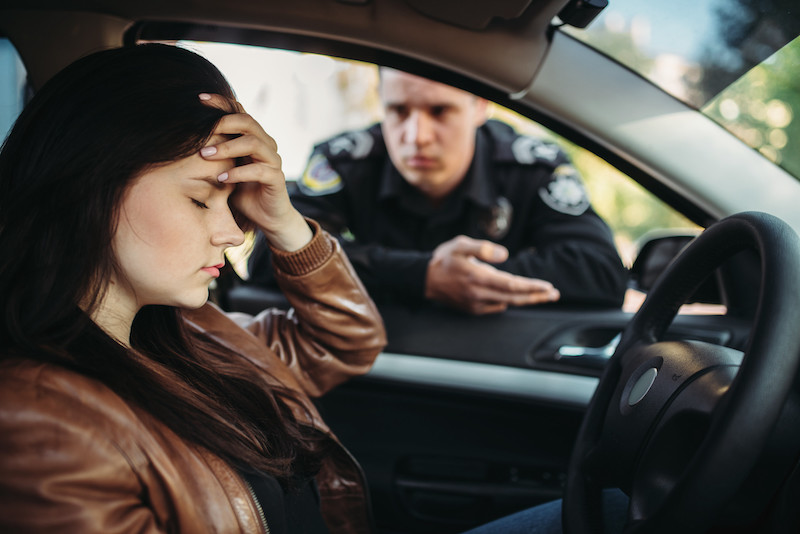
Image Source: jmqlaw.com
The Basics of Vehicle Dwelling in Illinois
Vehicle dwelling Illinois, or simply sleeping in your car in Illinois, isn’t explicitly outlawed statewide with a single, blanket law. However, local ordinances and specific parking regulations can make it illegal in many places. The key is to be in a location where overnight parking is permitted and where sleeping in your vehicle is not prohibited. Think of it as a patchwork of rules rather than a straightforward yes or no.
Where Can You Legally Park Overnight in Illinois?
Finding a legal spot for Illinois overnight car parking is your first and most crucial step. Not all parking lots are created equal when it comes to allowing people to rest.
Designated Rest Areas
Illinois rest stops are generally designed to offer a safe place for travelers to take a break. While not explicitly advertised as car camping regulations Illinois, many people use them for short periods of rest.
- Illinois Tollway Rest Stops: These are usually well-maintained and safe. While you can pull over and rest, staying for an extended period or setting up camp is generally discouraged. The primary purpose is a short-term break, not overnight living.
- State-Funded Rest Areas: Many state highway rest areas along interstates and major roads allow for overnight parking. However, it’s wise to look for posted signs. Some may have time limits or prohibit sleeping.
Truck Stops and 24-Hour Businesses
Certain truck stops and businesses that operate 24/7 might permit overnight parking, especially if you patronize their establishment.
- Pilot Flying J, Love’s Travel Stops: These are common havens for travelers needing to rest. They often have designated parking areas for trucks and RVs, and car dwellers are usually tolerated, provided they are discreet and don’t cause issues. It’s always a good idea to check with the management first.
- Walmart Supercenters: Many Walmarts allow overnight parking in their lots, but this is a store-by-store policy. It’s essential to call ahead and confirm. They often have specific rules about how long you can stay and where you can park.
Campgrounds and RV Parks
For a more legitimate form of legal car camping Illinois, consider designated campgrounds or RV parks.
- State Parks and National Forests: Illinois has numerous state parks and national forests that offer campgrounds. These are ideal for car camping regulations Illinois as they provide designated spots, amenities, and a legal framework for staying overnight. You’ll typically need to reserve a spot and pay a fee.
- Private Campgrounds: These often offer more amenities than state or national parks and can be a good option if you’re looking for a comfortable temporary car accommodation Illinois.
What Are the Laws and Ordinances to Consider?
The legality of sleeping in your car in Illinois hinges on several factors, primarily local ordinances and general public conduct laws.
Local Ordinances
Cities and towns across Illinois have their own rules. These can include:
- No Overnight Parking: Many municipalities prohibit parking on public streets between certain hours (e.g., overnight).
- Prohibiting Camping or Loitering: Some ordinances specifically forbid camping or sleeping in vehicles on public property, even if parking is allowed.
- Zoning Laws: Certain zones may restrict the type of activity that can occur in parking lots.
State Laws and Misdemeanors
While there isn’t a state law against vehicle dwelling Illinois outright, you could still face charges if your actions are interpreted as something else.
- Trespassing: If you park on private property without permission, you can be charged with trespassing.
- Disorderly Conduct/Loitering: If you are perceived as loitering or causing a disturbance, authorities might cite you under these general statutes. This is more likely if your setup is obvious, you’re attracting attention, or you’re in a sensitive area.
- Public Nudity/Indecent Exposure: This is a serious offense. You must be discreet and avoid any actions that could be construed as public indecency, such as changing clothes outside your vehicle in view of others.
Vehicle Parking Rules in Illinois
Beyond sleeping, general Illinois vehicle parking rules still apply. Ensure your vehicle is legally parked, insured, and registered. You can’t sleep in a car that’s parked illegally, like in a no-parking zone or blocking a driveway.
Navigating “Roadside Sleeping Illinois” Responsibly
If you find yourself needing to sleep in your car, especially during a long journey, here’s how to do it responsibly and minimize the risk of legal trouble.
Tips for Discreet and Safe Sleeping
- Choose Your Location Wisely: As discussed, rest areas and 24-hour businesses are generally better bets than residential streets or dark, secluded areas where you might be seen as suspicious.
- Be Subtle: Keep your windows tinted or use sunshades to block the view into your car. Avoid bright lights inside your vehicle.
- Don’t Set Up Camp: Avoid putting out chairs, tables, or making your car look like a permanent residence. This is vehicle dwelling Illinois in its most basic form – sleeping.
- Keep it Short: Plan to stay for a few hours to get necessary rest, not for an entire night or multiple nights, unless you are in a designated camping area.
- Respect Property: Never park on private property without explicit permission.
- Maintain Cleanliness: Keep your car tidy and dispose of any trash properly. You don’t want to give anyone a reason to investigate.
- Be Prepared to Move: If approached by law enforcement or property owners, be polite, explain you are just resting due to fatigue, and be prepared to leave without argument.
Understanding “Legal Car Camping Illinois”
Legal car camping Illinois implies a more structured and permissible approach to sleeping in your vehicle, usually in designated areas.
State Parks and Campgrounds
These are the prime locations for legal car camping Illinois.
- Reservations: Many popular state parks require advance reservations, especially during peak seasons. Check the Illinois Department of Natural Resources (IDNR) website for specific park regulations and booking information.
- Fees: Expect to pay a camping fee, which varies by park and the type of site.
- Amenities: Most campgrounds offer restrooms, and some have showers, picnic tables, and fire rings.
- Rules: Familiarize yourself with the campground rules regarding quiet hours, campfires, and pet policies.
Dispersed Camping
While less common in Illinois compared to Western states, some federal lands or private properties might allow dispersed camping, which is camping outside designated campgrounds.
- Permissions: This almost always requires explicit permission from the landowner or land management agency.
- Leave No Trace: If allowed, adhere strictly to Leave No Trace principles to minimize your impact.
What to Pack for Overnight Stays in Your Car
When planning for temporary car accommodation Illinois, having the right gear can make a significant difference in comfort and safety.
Essential Items
- Sleeping Bag or Blanket: For warmth and comfort.
- Pillow: For better sleep quality.
- Sunshades/Window Covers: To block light and maintain privacy.
- Reusable Water Bottles: Stay hydrated.
- Snacks: Non-perishable food items.
- Portable Charger/Power Bank: To keep your phone and devices charged.
- Headlamp or Flashlight: For navigating in the dark.
- Basic Toiletries: For hygiene.
- Trash Bags: To keep your space clean.
- First-Aid Kit: For minor injuries.
- Optional: A small cooler, books or entertainment, car jack and spare tire (always good to have).
Specific Illinois Locations and Considerations
While this guide covers general principles, specific locations might have unique nuances for Illinois overnight car parking.
Major Cities (Chicago, Springfield, Peoria)
Sleeping in your car in Illinois in major urban centers is generally more challenging and riskier due to stricter parking enforcement and a higher chance of being perceived as loitering.
- Chicago: Parking is highly regulated, and overnight street parking is often prohibited or requires permits. Private parking lots are usually patrolled. Your best bet would be a 24-hour business with explicit permission or a campground outside the city.
- Other Cities: Smaller cities and towns might have less stringent rules, but always check local ordinances.
Rural Areas
Rural areas might offer more opportunities for discreet roadside sleeping Illinois, but you need to be mindful of private property and ensure you’re not in a location that could be mistaken for something suspicious. State parks and forests are excellent options here.
Illinois Rest Stop Sleeping: Rules and Etiquette
Illinois rest stop sleeping is a common practice for many travelers. However, understanding the implicit rules is crucial.
- Purpose: Rest stops are for taking a break, not for extended stays. Most have a time limit for how long you can park.
- Discretion: Keep your activity private. Avoid loud noises or drawing attention.
- No Camping: Setting up a tent or making a camp-like environment is usually prohibited.
- Safety: While generally safe, be aware of your surroundings. Park in well-lit areas if possible.
Car Camping Regulations Illinois: A Deeper Dive
When we talk about car camping regulations Illinois, we’re primarily referring to the rules governing sleeping in your vehicle within designated camping areas or properties where it’s permitted.
Key Aspects of Car Camping Regulations
- Permitted Zones: Designated campgrounds within state parks, national forests, or private campgrounds are the safest bet.
- Vehicle Size Restrictions: Some campgrounds have limits on the size of vehicles that can be accommodated.
- Campfire Regulations: Always check for fire bans, especially during dry seasons.
- Waste Disposal: Proper disposal of human waste and trash is mandatory.
- Quiet Hours: Respecting designated quiet hours is essential for everyone’s enjoyment.
FAQs About Sleeping in Your Car in Illinois
Q1: Is it legal to sleep in your car on a public street in Illinois?
A1: It depends on the specific city or town’s ordinances. Many municipalities prohibit overnight street parking or sleeping in vehicles on public streets. It’s generally not recommended without checking local laws.
Q2: Can I sleep in my car at an Illinois rest stop?
A2: Yes, for a limited time to rest. However, these are not designated camping areas, and extended stays or making it look like a campsite is usually frowned upon and may be prohibited by posted signs.
Q3: Where can I find legal overnight parking in Illinois for my car?
A3: Legal options include designated rest areas, truck stops (often with permission), some 24-hour businesses like Walmart (check store policy), and formal campgrounds/RV parks, including those in state parks.
Q4: Are there specific laws against “vehicle dwelling Illinois”?
A4: There isn’t a single state law that broadly prohibits vehicle dwelling Illinois. However, you can be cited for trespassing, disorderly conduct, or violating local ordinances if you park illegally or are perceived as causing a disturbance.
Q5: What are the best practices for “roadside sleeping Illinois”?
A5: Be discreet, park in well-lit and permissible locations, don’t draw attention, keep your vehicle clean, and be prepared to move if asked. Prioritize safety and respect local rules.
Q6: What’s the difference between sleeping in my car and “legal car camping Illinois”?
A6: Legal car camping Illinois typically refers to sleeping in your vehicle within designated campgrounds where you have a permit or reservation, often with associated fees and amenities. Sleeping in your car in other locations might be tolerated for short rests but isn’t formally “camping” and carries more legal ambiguity.
Q7: Can I sleep in my car in a Walmart parking lot in Illinois?
A7: Many Walmarts allow overnight parking, but this is a store-specific policy. You should always call the individual store before arriving to confirm their policy.
Q8: What should I do if a police officer approaches me while I’m sleeping in my car?
A8: Remain calm, be polite, and explain that you are simply resting due to fatigue. Have your driver’s license and vehicle registration ready. Do not argue, and be prepared to move if instructed.
Q9: Are there any specific state parks in Illinois that are known for good car camping?
A9: Many state parks offer excellent camping facilities. Parks like Starved Rock State Park, Pere Marquette State Park, and Giant City State Park are popular choices, but it’s always best to check the IDNR website for current availability and reservation needs.
Q10: What are the implications of “Illinois vehicle parking rules” for sleeping in my car?
A10: You must adhere to all posted parking restrictions. This includes no-parking zones, time limits, and street sweeping schedules. Parking illegally will negate any legality of sleeping in your car.
Conclusion
Navigating the legality of sleeping in your car in Illinois requires careful planning and an awareness of local rules. While not explicitly banned statewide, it’s often restricted by municipal ordinances and property rules. Prioritize safety, discretion, and respect for the law by choosing permissible locations like designated rest areas for short breaks or formal campgrounds for a more legitimate temporary car accommodation Illinois. By following these guidelines, you can find safe and legal ways to rest on your travels across the Prairie State.