
Yes, you absolutely can get your car washed after the windows have been tinted, but there’s a crucial waiting period and specific guidelines to follow to ensure your new tint job lasts and stays looking its best.
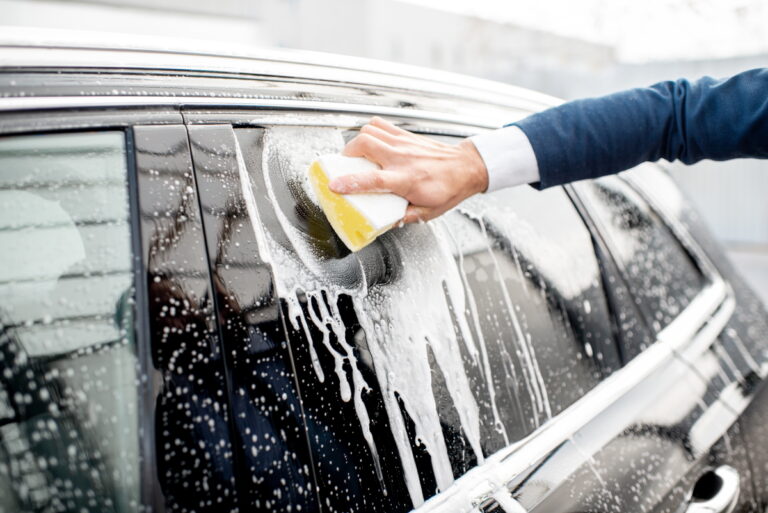
Image Source: qualityautoglasstint.com
The Crucial Waiting Period: How Long to Wait to Wash Car After Tint
The most important question on your mind after getting your car’s windows tinted is likely, “How long do I have to wait before I can wash it?” The short answer is: you should wait at least 24 to 72 hours, but some professional installers recommend waiting even longer, up to a week. This waiting period is absolutely vital for several reasons.
During the installation process, a special adhesive is used to bond the tint film to your car’s windows. This adhesive needs time to cure properly. If you expose the newly tinted windows to water too soon, especially under pressure, you risk:
- Peeling: The edges of the tint film might lift.
- Bubbling: Water trapped under the film can create unsightly bubbles.
- Adhesive Breakdown: The bonding agent may not set correctly, leading to premature failure of the tint.
Factors Influencing the Waiting Time
While 24-72 hours is a good general guideline, several factors can influence how long you should wait:
- Type of Tint: Different types of window films and adhesives may have slightly varying curing times.
- Environmental Conditions: Temperature and humidity play a significant role. In colder or more humid conditions, the adhesive may take longer to cure fully. Conversely, hot and dry weather can speed up the process.
- Installer Recommendations: Always follow the specific advice given by your professional tint installer. They know the products they use and the conditions under which they were applied.
Washing Your Car with Tinted Windows: A Gentle Approach
Once the recommended waiting period has passed, you can safely wash your car. However, washing a car with tinted windows requires a gentler approach than you might be used to. The goal is to clean your vehicle without damaging the delicate tint film or its adhesive.
Safest Car Wash for Tinted Windows: What to Choose
When it comes to selecting the safest car wash for tinted windows, you have a few options, each with its own pros and cons.
Professional Car Wash After Tint: The Best Bet?
A professional car wash after tint can be an excellent choice, provided you go to a reputable establishment that is aware of your tinted windows.
- Touchless Car Washes: These are generally the safest option. They use high-pressure water and mild cleaning solutions without any physical contact with your car’s surface. This significantly reduces the risk of scratching or snagging the tint.
- Full-Service Car Washes (with caution): If you opt for a full-service wash that includes hand drying or interior cleaning, ensure they are careful around the tinted windows. Explicitly inform the staff that your windows are tinted and request they avoid using harsh chemicals or abrasive cloths on the tint.
Table 1: Professional Car Wash Options for Tinted Windows
| Car Wash Type | Pros | Cons | Recommendation |
|---|---|---|---|
| Touchless Car Wash | Minimal risk of damage; uses water pressure and cleaning agents. | May not remove heavy dirt or grime as effectively as other methods. | Highly Recommended for maintaining tint integrity. |
| Automatic Brush Wash | Convenient; can be effective at cleaning. | High risk of scratching and snagging tint; brushes can be abrasive. | Avoid at all costs. |
| Full-Service Detailer | Thorough cleaning; professional care. | Depends heavily on the detailer’s skill and awareness of tint needs. | Recommended if you trust the detailer. Communicate your tint needs clearly. |
Hand Washing Car Tinted Windows: The Ultimate Control
Hand washing a car with tinted windows gives you the most control over the process and is often the preferred method for car enthusiasts who want to ensure their tint is well-maintained.
DIY Car Wash Tinted Windows: Your Step-by-Step Guide
When you embark on a DIY car wash for tinted windows, focus on gentle techniques and appropriate products.
Preparing Your Cleaning Supplies
Before you start, gather these essential items:
- Two buckets (one for soapy water, one for rinsing your wash mitt)
- A pH-neutral car wash soap (avoid harsh detergents or degreasers)
- A soft microfiber wash mitt or a lambswool mitt
- Clean, soft microfiber towels for drying
- A gentle window cleaner specifically designed for tinted windows
- A spray bottle for the window cleaner
- A soft brush for wheels and tires (keep these separate to avoid transferring grit)
The Washing Process: Step-by-Step
- Rinse the Vehicle: Start by thoroughly rinsing the entire car with a gentle stream of water. This removes loose dirt and debris that could scratch the paint or tint during washing.
- Wash from Top to Bottom: Begin washing the roof and work your way down. This prevents dirt from lower parts of the car from being spread onto cleaner areas.
- Use the Two-Bucket Method: Dip your wash mitt into the soapy water, wash a section of the car, then rinse the mitt in the clean water bucket before dipping it back into the soap. This minimizes the transfer of dirt back onto the car, reducing the risk of scratches.
- Gentle Pressure: Apply only light pressure when washing. Let the wash mitt and soap do the work. Avoid scrubbing aggressively.
- Rinse Thoroughly: After washing each section, rinse it immediately with clean water to prevent soap from drying on the surface.
- Window Cleaning: This is where extra care is paramount.
- Interior Window Cleaning: For the inside of the windows, use a dedicated tint window car wash-friendly cleaner and a separate, clean microfiber towel. Spray the cleaner onto the towel, not directly onto the window, to prevent overspray from reaching the tint edges. Gently wipe the window in a consistent pattern (e.g., side-to-side or up-and-down).
- Exterior Window Cleaning: Use a standard car glass cleaner for the exterior, but still opt for a microfiber towel.
- Drying: Use clean, soft microfiber towels to dry the car. Gently blot the surfaces instead of rubbing. For windows, ensure you use a dry, clean microfiber towel to avoid streaks.
What to Avoid When Washing Tinted Windows
There are several things you must strictly avoid when cleaning your car after tinting:
Pressure Washing Tinted Windows: A Risky Proposition
Pressure washing tinted windows is generally not recommended, especially within the first few weeks of tint installation.
- High Pressure: The intense water pressure from a pressure washer can easily lift the edges of the tint film, introduce water under the film, and even damage the adhesive.
- Nozzle Proximity: Even if you use a pressure washer on a lower setting, holding the nozzle too close to the tinted windows can cause damage.
If you absolutely must use a pressure washer for the rest of your car, keep it a significant distance from the tinted windows and use a wide spray pattern. Never aim the direct stream at the edges of the tint.
Harsh Chemicals and Abrasive Materials
- Ammonia-Based Cleaners: Many standard glass cleaners contain ammonia, which can break down the adhesive and damage the tint film over time. Always opt for ammonia-free products.
- Abrasive Sponges or Brushes: Never use rough sponges, steel wool, or stiff brushes on your tinted windows. These will scratch the film.
- Degreasers and Solvents: Strong chemicals designed to remove grease or tar can also strip away the tint’s protective layers or weaken the adhesive.
Scrubbing or Rubbing Too Hard
The tint film, while durable, is not as robust as glass. Aggressive scrubbing, whether with a wash mitt or a drying towel, can cause:
- Scratches: Fine scratches that may not be immediately visible can dull the appearance of the tint.
- Edge Lifting: Repeated, firm pressure along the edges can encourage the tint to peel away from the glass.
Specific Considerations for Auto Wash After Tint
When you plan your first auto wash after tint, keep these points in mind:
Interior Cleaning
The interior requires just as much care.
- Avoid Spraying Directly: Never spray cleaning solutions directly onto the tinted windows. Always spray onto your cleaning cloth.
- Gentle Wiping: Use soft microfiber cloths and avoid pressing too hard against the film when cleaning the inside.
- Steam Cleaning: Avoid using steam cleaners on or near the tinted windows, as the heat and moisture can damage the tint and adhesive.
Exterior Cleaning
- Avoid High Pressure Jets: Even on the exterior, be mindful of high-pressure water jets around the window edges.
- Bug and Tar Removal: For stubborn spots like bug splatter or tar, use a dedicated bug and tar remover approved for use on automotive glass and tinted films. Apply it to a microfiber cloth first, then gently wipe the affected area.
Car Wash Tinting Guidelines: A Summary
To ensure your window tint stays in pristine condition, adhere to these car wash tinting guidelines:
- Wait Patiently: Respect the recommended curing time (24-72 hours, or as advised by your installer).
- Choose Wisely: Opt for touchless car washes or meticulously clean your car by hand.
- Gentle Cleaning Agents: Use pH-neutral car wash soaps and ammonia-free glass cleaners.
- Soft Materials: Always use soft microfiber wash mitts and drying towels.
- Minimal Pressure: Wash and dry with a gentle touch, avoiding aggressive scrubbing.
- No Pressure Washers: Steer clear of pressure washers directly on or near tinted windows.
- Interior Care: Spray cleaners onto towels, not directly onto windows, and wipe gently.
Frequently Asked Questions (FAQ)
Q1: Can I use my regular car wash soap on tinted windows?
A1: Yes, as long as it’s a pH-neutral car wash soap. Avoid harsh detergents or degreasers that could potentially damage the tint.
Q2: Is it safe to use window cleaner on my tinted windows?
A2: Only use ammonia-free window cleaners specifically designed for tinted windows. Ammonia can break down the adhesive and damage the tint film. Always spray the cleaner onto a microfiber cloth, not directly onto the window.
Q3: I see a small bubble on my tinted window. What should I do?
A3: Small bubbles might appear initially as the tint dries. Most will disappear on their own within a few days. If they persist or are large, contact your tint installer. Do not try to pop them yourself, as this can cause more damage.
Q4: How should I clean the inside of my tinted windows?
A4: Use a separate, clean microfiber cloth and an ammonia-free glass cleaner. Spray the cleaner onto the cloth first, then gently wipe the inside of the window.
Q5: Can I wax my car with tinted windows?
A5: Yes, you can wax your car. However, avoid getting wax directly on the tinted windows, as it can leave a hazy residue that is difficult to remove. Apply wax carefully to the paintwork and wipe off any excess that might get on the glass.
By following these detailed guidelines, you can confidently wash your car and keep your newly tinted windows looking sharp and protected for years to come. Remember, patience and gentle care are key to maintaining the quality of your tint job.