
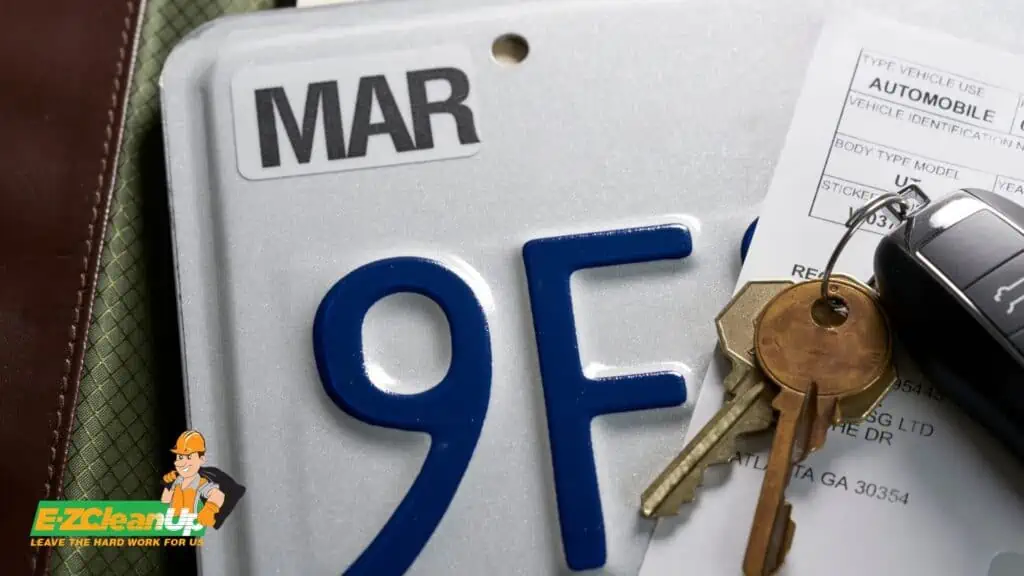
Image Source: ezcleanup.com
Can I Sell My Car If The Registration Is Expired? Yes!
Yes, you can sell your car if the registration is expired. While it might seem complicated, selling a car with expired registration is possible, and many people navigate this process successfully. This guide will help you understand the ins and outs, the legalities, and the best ways to handle an expired car registration sale.
The Basics of Selling a Car with Lapsed Plates
When your car’s registration expires, it means you haven’t renewed your vehicle’s legal right to be driven on public roads. This doesn’t automatically make the car unsellable. You can still proceed with a selling car with expired registration transaction. However, the way you do it, and the price you can expect, will differ from selling a currently registered vehicle.
Deciphering the Legalities of Selling an Expired Registration Car
The core of the issue lies in understanding the legalities of selling an expired registration car. In most states, there isn’t a direct law preventing you from selling a vehicle with expired registration to a private buyer or a dealership. The responsibility for renewing the registration typically shifts to the new owner. However, there are nuances and potential pitfalls to be aware of.
State-Specific Regulations
It’s crucial to remember that vehicle registration laws are determined at the state level. While the general principle holds true across most of the United States, there can be variations.
- Transfer of Ownership: The process of transferring ownership usually involves a bill of sale and a signed-over title. The expiration of the registration doesn’t invalidate the title itself.
- Buyer’s Responsibility: Generally, the buyer will be responsible for getting the vehicle inspected (if required by the state) and then renewing the registration and paying any associated fees and penalties.
- “As-Is” Sales: When selling a car with expired registration, it’s often done on an “as-is” basis. This means the buyer accepts the vehicle in its current condition, including the expired registration.
Your Responsibilities as a Seller
Even though the buyer will likely handle the renewed registration, you still have certain responsibilities to ensure a smooth and legal transaction.
- Honesty and Transparency: It is paramount to be upfront with potential buyers about the expired registration. Hiding this information can lead to legal trouble and damage your reputation.
- Proper Paperwork: Ensure you have the vehicle’s title and any other required documentation. The title is the legal proof of ownership.
- Bill of Sale: A bill of sale is essential. It should clearly state the vehicle’s make, model, VIN, the sale price, the date of sale, and the names and addresses of both buyer and seller. Crucially, it should also mention that the registration is expired and that the buyer is responsible for its renewal.
How to Sell a Car with Expired Tags: A Step-by-Step Approach
Selling a car with expired tags requires a slightly different approach than selling one that is currently registered. Here’s a breakdown of how to go about it effectively.
Step 1: Assess the Car’s Condition and Value
Before you list your car, evaluate its overall condition. An expired registration often means the car hasn’t been driven regularly or maintained as it should have been.
- Mechanical Issues: Are there any obvious mechanical problems? Buyers will factor these into their offer.
- Cosmetic Condition: Look at the exterior and interior. Dents, scratches, or interior wear can lower the value.
- Market Value: Research the car’s current market value using online resources like Kelley Blue Book (KBB), Edmunds, or NADA Guides. Remember to adjust your expectations downward due to the expired registration and any necessary repairs.
Step 2: Gather Necessary Documents
Having all your paperwork in order is critical for a smooth sale.
- Vehicle Title: This is the most important document. Make sure it’s in your name and free of any liens.
- Maintenance Records (if available): Any records of past maintenance can add value and build trust with potential buyers.
- Bill of Sale Template: Prepare a bill of sale form that includes all necessary details, especially the clause about the expired registration.
Step 3: Advertise Your Car Effectively
When advertising an expired car registration sale, be clear and upfront in your listing.
- Honest Description: In your advertisement (online listings, signs, etc.), clearly state: “Registration Expired.” Mention the year, make, model, mileage, and any known issues.
- Pricing: Price your car competitively, reflecting its condition and the fact that the buyer will need to pay for registration renewal and potentially inspections.
- Photos: Post clear, well-lit photos of the car from all angles, including the interior.
Step 4: Prepare for Showings and Negotiations
When potential buyers come to see the car, be ready to answer their questions honestly.
- Test Drives: For a test drive, you might consider accompanying the buyer, especially if the car is not legally drivable. Alternatively, the buyer might arrange for temporary plates or tow the vehicle if they are serious.
- Negotiation: Be prepared for buyers to negotiate the price, considering the cost and effort involved in getting the registration up to date.
Step 5: Complete the Sale and Transfer Ownership
Once you have a buyer and an agreed-upon price, it’s time to finalize the transaction.
- Bill of Sale: Both parties should sign the bill of sale. Keep a copy for your records.
- Title Transfer: Sign the title over to the buyer in the designated areas.
- Notification of Sale: In some states, you need to notify the Department of Motor Vehicles (DMV) or equivalent agency that you have sold the vehicle to avoid liability for future tickets or incidents. This is often done by submitting a “Notice of Transfer and Release of Liability.”
Selling an Unregistered Vehicle: Potential Buyers and Scenarios
When you’re selling an unregistered vehicle, your pool of potential buyers might be more specific.
Dealerships
- Pros: Dealerships are often willing to buy cars with expired registration, especially if they see potential for profit after repairs and registration renewal. The process can be quicker.
- Cons: You will likely receive a lower offer than you would from a private buyer because the dealership needs to factor in their costs and profit margin.
Private Buyers
- Pros: Private buyers might be looking for a project car, a parts car, or a vehicle they plan to restore. They might be willing to pay more if they are getting a good deal.
- Cons: Private buyers may be wary of the extra work and cost involved in dealing with expired registration and potential mechanical issues. They will definitely require a thorough inspection.
Scrap Yards and Parts Dealers
- Pros: If your car is old, in poor condition, or has significant mechanical problems, a scrap yard or parts dealer might be your best option. They typically buy vehicles based on their weight or the value of their usable parts.
- Cons: The payout will be significantly lower than selling a functional vehicle.
The Consequences of Selling an Expired Registration Car (If Not Handled Properly)
While you can sell a car with expired registration, there are consequences of selling an expired registration car if you don’t handle it correctly.
Legal Ramifications
- Fines and Penalties: If you were to drive the car to a buyer and get stopped by law enforcement, you could face fines for driving with expired registration.
- Misrepresentation: If you deliberately conceal the fact that the registration is expired, the buyer could potentially take legal action against you for misrepresentation.
Financial Pitfalls
- Loss of Value: A car with expired registration is generally worth less. The longer it has been expired, the more it depreciates.
- Liability for Unpaid Fees: In some jurisdictions, if the registration fees and penalties are not settled, they might be attached to the vehicle, and the new owner could be responsible for them, potentially leading to disputes.
Buying a Car with Expired Registration: What the Buyer Needs to Know
For those considering buying a car with expired registration, it’s essential to be prepared.
Buyer’s Checklist for Purchasing a Car with Expired Registration
- Inspect Thoroughly: This is non-negotiable. Hire a mechanic to inspect the car thoroughly. Check for mechanical issues, body damage, and any signs of neglect.
- Check the Title: Ensure the seller has a clear title in their name.
- Inquire About Back Fees: Ask the seller if there are any outstanding registration fees or penalties. While you might not be legally obligated to pay them (depending on the state), it’s good to be aware of them.
- Factor in Renewal Costs: Get an estimate from your local DMV about the cost of renewing the registration, including any late fees and potential inspection costs.
- Arrange for Transport: You cannot legally drive the car home without renewed registration. You’ll need to arrange for a tow truck or obtain temporary transit plates if your state allows.
Selling Car Past Due Registration: The Importance of Disclosure
When you are selling car past due registration, transparency is your best friend.
- Be Honest: State the registration status clearly in your advertisement and verbally to all interested parties.
- Provide Documentation: Have the vehicle title and any service records ready.
- Bill of Sale Clarity: Ensure the bill of sale explicitly states the vehicle is sold with expired registration and that the buyer assumes responsibility for its renewal.
Tips for a Successful Expired Registration Car Private Sale
A private sale can often yield a better price, but requires more effort and careful execution.
- Price Appropriately: Research similar vehicles in good running condition and then deduct a reasonable amount for the expired registration, any necessary repairs, and the hassle factor for the buyer.
- Be Patient: You might not get as many inquiries as you would for a currently registered car. Be patient and wait for the right buyer.
- Screen Buyers: Try to gauge the seriousness of potential buyers. Ask questions about their plans for the car.
- Secure the Transaction: When meeting buyers, choose a public, safe location. Accept payment in a secure manner (e.g., cashier’s check, money order, or secure electronic transfer). Avoid carrying large amounts of cash.
How to Sell a Car with Expired Tags: Key Takeaways
| Aspect | Details |
|---|---|
| Legality | Generally legal to sell, but buyer must handle renewal. State laws vary. |
| Disclosure | Crucial to inform buyers about expired registration. |
| Paperwork | Clear title, bill of sale specifying expired registration are essential. |
| Pricing | Expect a lower price due to expired registration and potential repairs. |
| Buyer Types | Private buyers, dealerships, scrap yards, parts dealers. |
| Buyer Risks | Need to factor in renewal costs, inspections, and potential repairs. |
| Seller Risks | Liability for unpaid fees (in some states) if not handled correctly; legal issues if dishonest. |
| Recommendation | Renew registration if possible, or be fully transparent and factor costs into the sale price. |
When Should You Renew Registration Before Selling?
While this guide confirms you can sell with expired registration, there are situations where renewing it first might be beneficial:
- Maximizing Sale Price: A car with current registration and passed inspections will almost always fetch a higher price.
- Wider Buyer Pool: You can attract a broader range of buyers, including those who don’t want the hassle of immediate registration renewal.
- Avoiding Hassle: If the renewal fees and inspection costs are minimal, it might be simpler to just get it done and sell a ready-to-go vehicle.
- Selling to Out-of-State Buyers: If you’re selling to someone in another state, they will have to deal with their own state’s registration process. Having your current registration can simplify their process.
However, if the cost of renewal or repair to pass inspection outweighs the potential increase in sale price, then proceeding with the expired registration is often the more practical approach.
Frequently Asked Questions (FAQ)
Q1: Can I legally drive my car to sell it if the registration is expired?
A1: No, you generally cannot legally drive a car with expired registration on public roads. Doing so can result in tickets and fines. You would need to arrange for towing or obtain temporary transit plates if permitted by your state.
Q2: What happens if the registration has been expired for a long time?
A2: If the registration has been expired for a significant period, your state may require you to pay back registration fees, penalties, and possibly even a new vehicle inspection before you can renew it. This is information you must disclose to potential buyers.
Q3: Do I need to inform the DMV when I sell my car with expired registration?
A3: In most states, yes. You should file a “Notice of Transfer and Release of Liability” or similar document with your state’s DMV. This informs them that you no longer own the vehicle and protects you from liability for any violations that occur after the sale.
Q4: Can I sell my car for parts if the registration is expired?
A4: Yes, you can sell a car for parts regardless of its registration status. Buyers looking for parts are typically not concerned with roadworthiness or registration.
Q5: What if my state requires an inspection before registration renewal?
A5: If your state requires an inspection, and the car won’t pass as-is, you’ll need to disclose this to potential buyers. They will then need to factor in the cost of repairs and the inspection into their offer.
Q6: Will a dealership buy my car with expired tags?
A6: Yes, most dealerships will buy cars with expired tags, but they will typically offer you less money than they would for a vehicle with current registration. They will deduct the estimated cost of renewal, inspection, and any necessary repairs from their offer.
Q7: How much lower will the price be for a car with expired registration?
A7: The reduction in price can vary greatly depending on the car’s make, model, condition, age, and the specific state’s renewal fees and penalties. It’s reasonable to expect a discount of several hundred to over a thousand dollars, depending on these factors.
Q8: Is it safe to sell my car to a private buyer if the registration is expired?
A8: Yes, it can be safe, provided you are transparent, have all the proper paperwork, and follow safe transaction practices. A private sale can sometimes yield a better price than selling to a dealership.
In conclusion, selling a vehicle with lapsed plates is a viable option. By being informed about the legalities of selling an expired registration car, transparent with your buyers, and pricing your vehicle appropriately, you can successfully navigate the process of an expired car registration sale and move on to your next vehicle.