
Yes, you can wash your car after getting your windows tinted, but there’s a crucial waiting period and specific guidelines you need to follow to ensure the longevity and quality of your new tint. Rushing the washing process or using improper techniques can damage the tint, leading to peeling, bubbling, or reduced clarity.
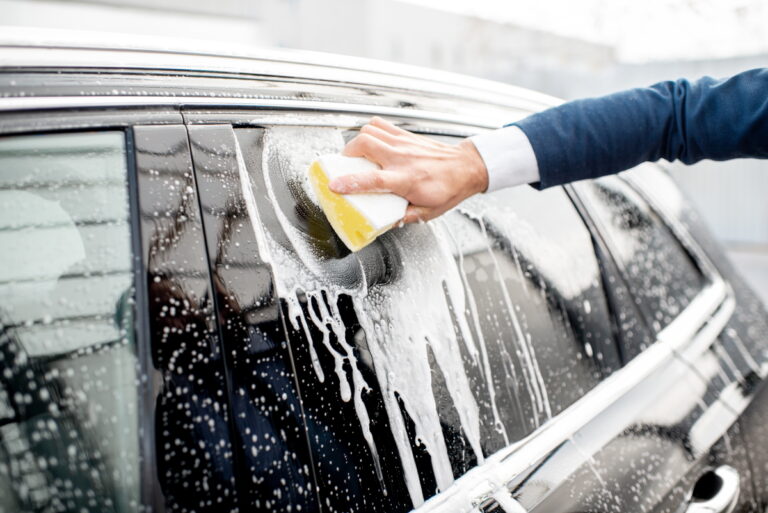
Image Source: qualityautoglasstint.com
The Waiting Game: How Long Before You Can Wash?
The most important factor after getting your windows tinted is patience. There’s a tinting drying time that’s essential for the adhesive to fully cure and bond with the glass. This period is critical for successful window tinting aftercare.
Tint Curing Period: What’s Happening?
Window tint is applied using a water-based solution. While the film appears dry on the surface shortly after application, there’s still moisture trapped between the film and the glass. This moisture needs to evaporate completely for the tint to adhere properly. This process is known as tint curing period.
During the curing period, you might notice:
- Apparent Fogging or Bubbles: These are often small water pockets. As the water evaporates, they should disappear. If they don’t disappear after the full curing period, contact your installer.
- Slight Haze: A mild haziness can also be present as the adhesive sets.
Recommended Waiting Times:
The exact tint curing period can vary based on several factors, including:
- Type of Tint: Different tint materials might have slightly different curing times.
- Climate: Humidity and temperature play a significant role. Hot, dry weather speeds up drying, while cool, humid weather slows it down.
- Installer’s Method: Some installers might use different solutions or techniques that can affect drying.
However, a general guideline for new tint washing is:
- Minimum 48-72 Hours: Most professional installers will recommend waiting at least 48 to 72 hours before washing your car.
- Up to 7 Days (or more): For optimal results and complete peace of mind, waiting up to 7 days, or even longer in cooler, more humid conditions, is highly recommended. Always check with your tint installer for their specific recommendations.
Always ask your tint installer for their exact post-tinting advice. They know the specific products they used and the conditions under which they were applied.
Washing Your Tinted Car: The Right Way
Once the initial curing period is over, you can wash your car. However, washing tinted windows requires a gentle approach. This is where tint safe washing practices come into play to ensure tint protection.
What You Need for Tint Safe Washing:
- Two Buckets: One for soapy water and one for rinsing your wash mitt. This prevents dirt from being redeposited onto the paint or tint.
- pH-Neutral Car Wash Soap: Avoid harsh detergents, degreasers, or dish soaps, as these can break down the tint adhesive.
- Microfiber Wash Mitt: A soft mitt will minimize the risk of scratching the tint.
- Clean Microfiber Towels: For drying.
- Hose with a Gentle Spray Nozzle: Avoid high-pressure washers initially.
Step-by-Step Guide to Washing Tinted Windows:
- Pre-Rinse: Gently rinse the windows with water to remove loose dirt and debris. This is crucial for preventing scratches during the washing process.
- Wash: Dip your microfiber wash mitt into the bucket of soapy water. Gently wash the tinted windows from top to bottom. Use light pressure.
- Rinse: Rinse the wash mitt in the second bucket of clean water. Then, dip it back into the soapy water for the next section. Rinse the windows thoroughly with your hose.
- Dry: Gently pat or wipe the windows dry with a clean, soft microfiber towel. Avoid aggressive rubbing.
What to Absolutely Avoid When Washing Tinted Windows
Even after the curing period, certain things can damage your new tint. Knowing what to avoid is as important as knowing what to do for effective tint protection.
Prohibited Washing Methods and Products:
- High-Pressure Washers: The intense pressure can force water under the edges of the tint or even lift it, especially during the early stages of curing.
- Abrasive Materials: Avoid paper towels, rough cloths, sponges with abrasive sides, or scrubbing brushes. These will scratch the tint.
- Ammonia-Based Cleaners: Many standard glass cleaners contain ammonia. Ammonia can dry out and damage the tint adhesive, leading to peeling or cloudiness. Always check the ingredients.
- Scraping or Razor Blades: Never use razor blades, scrapers, or any sharp objects on tinted windows to remove stickers or debris. This will instantly scratch or tear the tint film.
- Pressure Washing Too Close: If you must use a pressure washer, keep it at a safe distance and use a wide fan nozzle. Never aim directly at the edges of the tint.
- Interior Window Cleaning Too Soon: Similar to exterior washing, allow the tint to fully cure before cleaning the inside of the windows. The gentle wiping of a microfiber cloth can still dislodge fresh tint.
The Importance of Professional Installation and Aftercare
The quality of your window tinting aftercare starts with the installation. A professional installation ensures the tint is applied correctly, minimizing the risk of premature failure.
Choosing a Reputable Installer:
- Experience: Look for installers with a proven track record.
- Warranty: A good warranty on both the product and the installation is a sign of confidence.
- Cleanliness: A clean shop environment suggests attention to detail, which is crucial for tint application.
- Reputation: Check online reviews and ask for recommendations.
What Your Installer Should Tell You:
A good installer will provide detailed post tinting advice, including:
- The exact recommended waiting period before washing.
- Specific cleaning products to use or avoid.
- Any special considerations for your vehicle.
- Information about the warranty.
Signs Your Tint Needs Attention:
- Bubbles that Don’t Disappear: If small bubbles remain after the curing period, they might indicate a poor installation or trapped moisture.
- Peeling Edges: This is a clear sign of improper adhesion.
- Discoloration or Fading: Some lower-quality tints can change color over time.
- Scratches or Damage: Visible marks on the tint surface.
If you notice any of these issues, contact your tint installer promptly.
Frequently Asked Questions (FAQ) about Washing Tinted Cars
Here are some common questions people have about washing their cars after tinting:
Can I use a car wash with brushes after tinting?
It’s best to avoid car washes with automated brushes, especially in the first few weeks after tinting. These brushes can be abrasive and may snag on the edges of the tint, causing damage. Hand washing is always the safest bet.
What kind of glass cleaner is safe for tinted windows?
You can use specialized automotive glass cleaners that are specifically labeled as “tint safe” or “ammonia-free.” Alternatively, a simple mixture of distilled water and a very small amount of baby shampoo or a mild dish soap can be used. Always use a clean microfiber cloth to apply and wipe.
How do I clean the inside of my tinted windows?
The same rules apply to the interior. Wait for the recommended curing period. When you do clean them, use an ammonia-free glass cleaner and a clean microfiber cloth. Gently wipe in one direction, then use a second clean, dry microfiber cloth to remove any streaks. Avoid abrasive cleaners or paper towels on the inside as well.
What if I accidentally touched or pressed on the tint before it was fully cured?
If you accidentally touched or pressed on the tint, don’t panic, but try to avoid doing it again. Minor contact might not cause damage, but significant pressure or rubbing could disrupt the adhesive. Monitor the area for any signs of damage like bubbles or lifting.
Can I use a squeegee on tinted windows?
It’s generally advisable to avoid squeegees on tinted windows, especially if they are old or have hardened rubber edges, as they can potentially scratch or lift the tint. A clean, dry microfiber cloth is the safest option for drying.
How long does it take for window tint to fully cure?
The tint curing period typically ranges from 3 to 7 days, but can extend up to 14 days in cooler or more humid environments. The film will feel dry to the touch much sooner, but the adhesive underneath is still setting.
Is there any special care for tinted windows in winter?
In winter, the curing process can be slower. Avoid washing your car or using ice scrapers on the tinted windows until the warmer months or until you are certain the tint is fully cured. Defrosting your car should be done by letting the defrosters run rather than scraping the inside of the windows.
What is “window tinting aftercare”?
Window tinting aftercare refers to the practices and precautions taken after the tint film is installed to ensure its longevity, appearance, and performance. This includes proper washing techniques, avoiding harsh chemicals, and respecting the curing period.
How can I tell if my tint is damaged?
Signs of damaged tint include peeling edges, bubbling that doesn’t disappear, visible scratches, discoloration, or delamination (where the tint film separates from the glass).
What are the benefits of proper tint protection?
Proper tint protection ensures your window tint lasts longer, maintains its clarity, prevents peeling or bubbling, and continues to provide benefits like UV rejection and glare reduction. It also preserves the aesthetic appeal of your vehicle.
Conclusion: Patience and Proper Care for Lasting Tint
Getting your windows tinted can significantly enhance your car’s appearance and comfort. However, the key to enjoying those benefits for years to come lies in diligent window tinting aftercare. By respecting the tint curing period, employing tint safe washing methods, and avoiding abrasive materials or harsh chemicals, you can ensure your new tint washing experience is successful and your tint protection is maximized. Always err on the side of caution, and when in doubt, consult your professional installer for their specific post tinting advice. A little patience and care will go a long way in preserving the quality and beauty of your newly tinted windows.