
Can you get a car wash after tinting? Yes, you absolutely can, but timing is everything! Properly caring for your newly tinted windows is crucial for their longevity and appearance. This guide will walk you through everything you need to know about a car wash after tint to ensure your tint stays looking sharp for years to come.
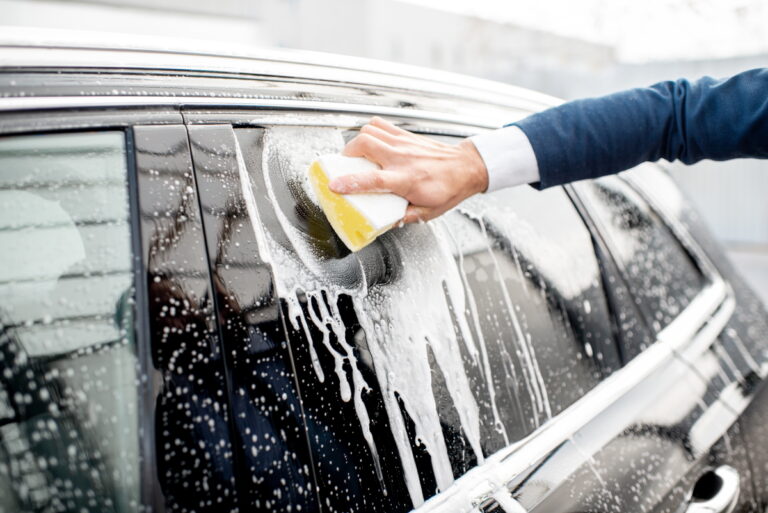
Image Source: qualityautoglasstint.com
The Waiting Game: When Can You Wash Your Car After Tinting?
The most critical factor when it comes to a tinting car wash is the drying and curing time of the window film. Tint film is applied with a special solution, and this moisture needs to evaporate completely for the adhesive to bond properly to the glass. Rushing this process can lead to a host of problems, from peeling edges to water bubbles.
How Long Should You Wait?
Most professional window tint installers will recommend a specific waiting period. This is typically between 24 to 72 hours, but it’s always best to confirm with your installer. Factors influencing this timeframe include:
- Type of Tint Film: Different films have varying adhesive properties and curing times.
- Environmental Conditions: Humidity and temperature play a significant role. Higher humidity and cooler temperatures can extend the drying time.
- Amount of Solution Used: Installers strive to use just the right amount of solution, but variations can occur.
Why the Wait is So Important:
During the initial curing period, the adhesive is still setting. Any disturbance, like high-pressure water spray or aggressive cleaning, can dislodge the film or trap moisture. This can manifest as:
- Bubbles or Streaks: Water trapped under the film can create unsightly blemishes.
- Peeling Edges: Aggressive washing can lift the delicate edges of the tint.
- Reduced Adhesion: The film might not bond as strongly to the glass, leading to premature failure.
Your installer will provide specific instructions, so always defer to their guidance.
Washing Your Car After Tint: The Gentle Approach
Once the recommended waiting period has passed, you can proceed with washing tinted windows. However, the way you wash your car should be significantly different from how you might have washed it before tinting. A gentle, meticulous approach is key to care for tinted windows.
What to Avoid During a Post Tint Car Wash
There are several things to steer clear of when it comes to a post tint car wash:
- High-Pressure Washers: The intense spray can force water under the tint or damage the edges.
- Abrasive Materials: Stiff brushes, scrub pads, or dirty sponges can scratch or tear the tint film.
- Ammonia-Based Cleaners: These harsh chemicals can break down the adhesive and damage the tint. Many standard glass cleaners contain ammonia, so always check the label.
- Aggressive Wiping: Rubbing too hard can also cause damage.
The Best Way to Wash Your Car After Tinting: A Step-by-Step Guide
To effectively clean your car while protecting your new tint, follow these steps for a car wash after window tint:
H4: Hand Washing is Your Best Friend
For a tinting car wash, a hand wash is the safest and most effective method.
-
Gather Your Supplies:
- Two buckets (one for soapy water, one for rinsing your wash mitt).
- A pH-neutral car wash soap.
- A soft microfiber wash mitt.
- Clean, high-quality microfiber drying towels.
- A soft, lint-free cloth or squeegee specifically designed for window cleaning (for interior cleaning).
-
Step 1: Rinse Thoroughly:
Start by rinsing your entire car with a gentle stream of water. This removes loose dirt and debris, preventing them from being ground into the paint or the tint during washing. -
Step 2: Wash the Body:
Using your wash mitt and the two-bucket method, wash the car’s body panels. Start from the top and work your way down, rinsing your mitt frequently in the rinse bucket before dipping it into the soapy water. This prevents transferring dirt back onto the car, which could cause scratches. -
Step 3: Gentle Window Cleaning:
When it comes to washing tinted windows, be exceptionally gentle.- Use a separate, clean wash mitt or a soft sponge for the windows.
- Dampen the windows with soapy water.
- Wash the windows with light, sweeping motions. Avoid scrubbing.
- Rinse the windows thoroughly with clean water.
-
Step 4: Drying:
- Immediately after rinsing, dry the windows with a clean, soft microfiber towel.
- Blot the windows rather than rubbing aggressively.
- For the edges of the tint, use a separate dry microfiber towel to gently wick away any remaining moisture.
- Avoid letting the car air dry, as this can lead to water spots.
H4: Cleaning the Interior Tinted Windows
Cleaning tinted car interiors requires similar care.
-
Step 1: Dust Gently:
Start by gently dusting the tinted windows with a clean, dry microfiber cloth. -
Step 2: Use the Right Cleaner:
For tougher grime or fingerprints, use a glass cleaner that is ammonia-free. Many manufacturers recommend a mixture of isopropyl alcohol and distilled water (e.g., 50/50). Always spray the cleaner onto the cloth, not directly onto the window. This prevents overspray onto other interior surfaces. -
Step 3: Wipe Carefully:
Using a clean microfiber cloth, wipe the tinted window in a consistent direction (e.g., horizontal on one pass, vertical on the next) to minimize streaks. Avoid pressing too hard. -
Step 4: Squeegee (Optional but Recommended):
A dedicated window squeegee can help achieve a streak-free finish. Ensure the squeegee blade is clean and free of nicks. Work from top to bottom, overlapping strokes slightly. Wipe the squeegee blade with a clean cloth after each pass.
What to Do If You See Bubbles or Edges Lifting
Even with the best care, sometimes minor issues can arise with new tint. If you notice small water bubbles or slightly lifted edges within the first few days or weeks, don’t panic.
- Small Bubbles: Tiny water bubbles often disappear on their own as the remaining moisture evaporates. Resist the urge to poke or press them.
- Larger Bubbles or Lifting Edges: If the problem persists or is significant, contact your tint installer. They are the best resource for addressing any installation issues. Trying to fix it yourself could void your warranty or worsen the problem.
Maintaining Your Tinted Windows Long-Term
Beyond the initial after car tinting wash, proper maintenance will extend the life and clarity of your window tint.
Regular Cleaning Routine
- Frequency: Clean your tinted windows as needed, but avoid overly frequent washing if the car isn’t dirty.
- Daily Grime: For dust and light smudges, a quick wipe with a dry microfiber cloth is often sufficient.
- Deeper Cleaning: When a more thorough cleaning is needed, follow the gentle hand-washing and ammonia-free cleaning steps outlined above.
What to Avoid for Long-Term Tint Care
- Never use abrasive cleaners or tools. This includes scouring powders, steel wool, or stiff brushes.
- Avoid harsh chemicals. Stick to pH-neutral soaps and ammonia-free glass cleaners.
- Don’t park under dripping trees. Sap and bird droppings can be difficult to remove without damaging the tint if left for too long.
- Be cautious with interior electronics. When cleaning the inside of your car, avoid spraying cleaners directly onto dashboard electronics or speakers.
The Role of Professional Tint Installers
Choosing a reputable professional tint installer is the first step in ensuring a high-quality tint job that is easier to maintain. They use premium films and have the expertise to apply them correctly.
What to Ask Your Installer
When you go in for your tinting service, don’t hesitate to ask questions:
- “What is the recommended waiting period before washing the car?”
- “What cleaning products do you recommend for my specific tint?”
- “Are there any specific areas of the tint I should be extra careful with?”
- “What is your warranty policy on the tint?”
A good installer will be happy to provide this information and guide you on the best care for tinted windows.
Common Scenarios and Their Tint-Friendly Solutions
Let’s address some common cleaning needs and how to handle them with tinted windows.
H5: Dealing with Road Grime
After driving on dusty or muddy roads, a gentle hand wash is the best solution. Focus on rinsing and washing with a soft mitt.
H5: Removing Bug Splatters
Bug splatters can be stubborn. For washing tinted film, it’s best to let the soapy water soak for a minute to soften the residue. Then, gently wipe with your microfiber wash mitt. Avoid scraping.
H5: Bird Droppings
Similar to bug splatters, bird droppings need a gentle approach. Soak with soapy water and then gently wipe. If dried on, a dedicated bug and tar remover (ensure it’s safe for tinted windows) can be used sparingly on a cloth, followed by a thorough rinse.
H5: Interior Smudges and Fingerprints
For a cleaning tinted car interior, ammonia-free cleaners and microfiber cloths are your go-to.
The Science Behind Tint Curing
Window tint film is a multi-layered product, typically consisting of:
- Scratch-Resistant Coating: Protects the film from minor abrasions.
- Dye or Metal Layer: Provides the color and UV protection.
- Adhesive Layer: Bonds the film to the glass.
- Release Liner: Protects the adhesive until installation.
When the film is applied, a solution (often water with a bit of baby shampoo) is used to lubricate the glass and allow the film to be positioned. This solution gets trapped between the film and the glass. The after car tinting wash waiting period allows this solution to evaporate through the micro-channels of the adhesive.
Table: Tint Curing Process Stages
| Stage | Description | What to Expect | What to Avoid |
|---|---|---|---|
| Immediate | Film applied with solution. | Film appears wet. | Any pressure or wiping that can dislodge edges. |
| 1-3 Days | Initial drying. Moisture begins to evaporate. Small water bubbles may appear. | Tint looks hazy or has trapped water. | Washing, aggressive cleaning, rolling down windows. |
| 1-2 Weeks | Primary curing. Most moisture evaporates. Film adheres firmly to the glass. Minor bubbles should disappear. | Tint looks clear and fully adhered. | High-pressure washing or harsh chemicals. |
| 3-4 Weeks | Full curing. Adhesive reaches maximum strength. | Tint is fully bonded and stable. | Generally safe for all but the most aggressive cleaning methods. |
Frequently Asked Questions About Car Wash After Tint
FAQ Section
-
Can I use a squeegee on my tinted windows?
Yes, but only after the tint has fully cured (usually 3-4 weeks) and use a clean squeegee with a sharp, nick-free blade. Always use ammonia-free cleaners, and spray the cleaner onto the cloth, not the window. -
What happens if I wash my car too soon after tinting?
Washing too early can lead to bubbles, streaks, peeling edges, and reduced adhesion, potentially ruining the tint and requiring reapplication. -
Can I use a car wash subscription service that uses brushes?
It’s generally not recommended to use automatic car washes with brushes after tinting. The brushes can be too abrasive and may damage the tint film, especially at the edges. Touchless automatic car washes might be safer, but hand washing is always the preferred method for care for tinted windows. -
Is it okay to leave my windows down after tinting?
No, you should keep your windows up during the initial curing period to prevent the edges from peeling away from the glass due to air movement. -
What’s the best way to clean the rear window tint, especially around the defroster lines?
Be extremely careful around defroster lines. Use a gentle wiping motion with a microfiber cloth and an ammonia-free cleaner. Never scrub or use sharp objects near these lines, as they can be easily damaged. -
Can I use window cleaner spray directly on the tinted glass?
It is strongly recommended to spray the cleaner onto your microfiber cloth first and then wipe the glass. This prevents excess liquid from seeping into the edges of the tint or onto other interior surfaces.
By following these guidelines for washing tinted windows and general care for tinted windows, you can ensure your car’s tint remains clear, vibrant, and functional for many years to come. Remember, patience and a gentle touch are your greatest allies when it comes to a car wash after tint.