
A car heater stops working for many reasons, most commonly due to a low coolant level, a faulty thermostat, or a malfunctioning blower motor.
When the biting cold seeps into your bones and you expect a warm embrace from your car’s heating system, only to be met with a chilly blast, it’s a frustrating experience. Why would the heater in a car stop working? The answer isn’t always a single culprit; rather, it’s often a cascade of potential issues within the complex car heating system problems. From simple fixes to more involved repairs, a variety of factors can leave you out in the cold.
Grasping the Fundamentals of Your Car’s Heating System
Before we dive into the common reasons for no heat in car, it’s essential to grasp how your car’s heater actually works. It’s a surprisingly ingenious system that uses your engine’s waste heat.
- Engine Heat Generation: As your engine runs, it generates a significant amount of heat. This heat is crucial for its operation, but it needs to be managed.
- Coolant’s Role: A mixture of antifreeze and water, known as coolant, circulates through the engine. This coolant absorbs the excess heat.
- The Heater Core: This hot coolant then flows through a small radiator-like component located behind your dashboard, called the car heater core issues.
- Airflow and Heat Transfer: When you turn on your car’s heater, a fan (the blower motor car heater) draws air from outside or inside your cabin. This air then passes over the hot fins of the heater core, picking up the heat.
- Warm Air Delivery: Finally, this warmed air is directed through your car’s vents, providing the comforting warmth you expect.
This intricate dance of coolant, air, and mechanical components means that a failure at any single point can disrupt the entire process.
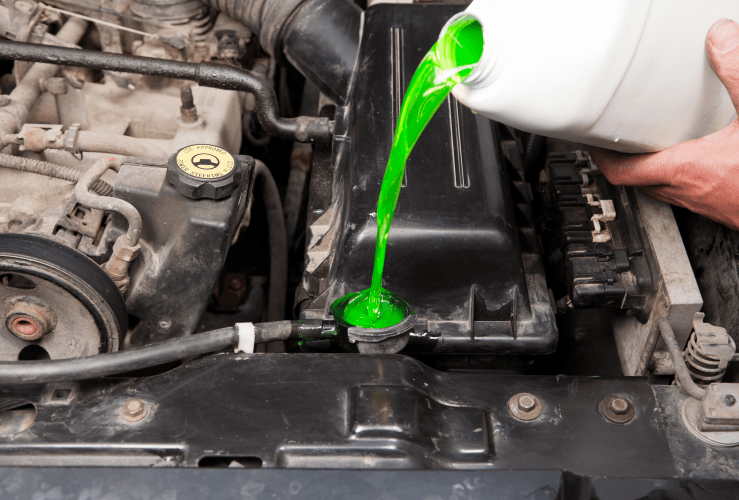
Image Source: www.startrescue.co.uk
Common Culprits for a Non-Functional Heater
Let’s break down the most frequent reasons why your car’s heater might decide to take a vacation during winter.
1. Low Coolant Level
This is arguably the most common reason for a lack of heat. The coolant is the lifeblood of your heating system.
- Why it Matters: If your coolant level is too low, there simply isn’t enough hot fluid circulating through the heater core to warm the air.
-
Causes of Low Coolant:
- Leaks: The most prevalent cause. These can occur anywhere in the cooling system: hoses, radiator, water pump, heater core itself, or even a faulty head gasket. An antifreeze leak car heater is a direct indicator of this problem.
- Evaporation: While less common, some coolant can evaporate over time, especially if the system isn’t perfectly sealed.
- Recent Repairs: If the cooling system was recently serviced, it might not have been refilled to the correct level.
-
Signs to Watch For:
- The temperature gauge on your dashboard might read lower than usual, or fluctuate.
- You might see a “low coolant” warning light.
- Steam or puddles under your car (especially after it’s been parked) can indicate a leak.
2. Faulty Thermostat
The thermostat acts like a gatekeeper for your engine’s coolant. It regulates the temperature by controlling when coolant flows into the radiator.
- Why it Matters: If the thermostat gets stuck in the open position, coolant will continuously circulate through the radiator, even when the engine is cold. This prevents the engine (and therefore the coolant) from reaching the optimal temperature needed to provide heat.
- Symptoms:
- Your engine may take a very long time to warm up.
- The temperature gauge might stay at the lower end of the scale, even after a long drive.
- You experience a lack of heat, especially during colder weather or at highway speeds.
3. Clogged Heater Core
The heater core, like any part of the cooling system, can become clogged over time.
- Why it Matters: If the small passages within the heater core become blocked by rust, sediment, or debris, hot coolant cannot effectively flow through it. This prevents heat transfer to the air passing over it.
-
Causes of Clogging:
- Using the Wrong Coolant: Using tap water instead of a proper coolant mixture can lead to mineral deposits and corrosion.
- Not Flushing the System: Regular coolant flushes are essential to remove contaminants and prevent build-up.
- Age and Wear: Over many years, internal components can break down and create debris.
-
Indications of a Clogged Heater Core:
- You get some heat, but it’s weak or inconsistent.
- The defroster might not work effectively.
- A sweet, musty smell inside the car, often accompanied by fogged windows, can indicate a leak from the heater core itself.
4. Malfunctioning Blower Motor
The blower motor is the fan that pushes the heated air through your vents. If it’s not working, no amount of heat from the heater core will reach you.
- Why it Matters: If the car heater fan not working, you won’t feel any airflow from the vents, even if the system is producing heat. This is a common issue when the car heater not blowing any air at all.
-
Common Blower Motor Problems:
- Burned-out Motor: The motor simply wears out and stops functioning.
- Faulty Resistor: The blower motor resistor controls the fan speed. If it fails, the fan might only work on one speed (usually the highest) or not at all.
- Wiring Issues: Damaged or corroded wiring can prevent power from reaching the blower motor.
-
Symptoms:
- No air coming from the vents, regardless of the fan speed setting.
- The fan only works on certain speed settings.
- Strange noises (whining, grinding) coming from behind the dashboard when the fan is on.
5. Issues with the Car’s Temperature Control System
The controls on your dashboard—whether manual knobs or automatic climate control—direct the flow of air and set the desired temperature. Problems here can mimic other issues.
- Why it Matters: A malfunctioning car temperature control not working system could mean the blend doors (which direct air through the heater core or bypass it) aren’t moving correctly, or the sensors that read cabin temperature are providing incorrect data. A car climate control malfunction can be complex to diagnose.
- Potential Failures:
- Blend Door Actuator: Electric motors (actuators) control the blend doors. If an actuator fails, the door might get stuck in one position, either blocking hot air or allowing only hot air.
- Control Panel Failure: The electronic control panel itself could be faulty, not sending the correct signals to the system.
- Sensor Issues: Temperature sensors within the cabin might be giving false readings, causing the system to think the cabin is already warm enough.
6. Problems with the Radiator or Cooling System Components
While directly related to engine cooling, issues with the radiator or other cooling system parts can indirectly impact your heater.
- Why it Matters: If your car radiator issues no heat are severe enough to cause significant coolant loss or poor circulation, the heater will suffer. For example, a radiator leak means low coolant. A clogged radiator can also impede coolant flow.
- Specific Issues:
- Radiator Leaks: As mentioned with low coolant, leaks from the radiator reduce the amount of hot coolant available.
- Clogged Radiator: If the radiator is severely clogged internally, it can restrict coolant flow throughout the entire system, including the heater core.
- Faulty Water Pump: The water pump is responsible for circulating coolant. If it’s failing, coolant won’t move efficiently, leading to both engine overheating and a lack of heat.
7. Air in the Cooling System
Air pockets in the cooling system are a common and frustrating problem that can significantly affect heating performance.
- Why it Matters: Air doesn’t transfer heat as efficiently as coolant. If air bubbles get trapped in the heater core, they can block the flow of hot coolant, preventing effective heat transfer.
-
How Air Gets In:
- Coolant Leaks: When the system loses coolant, air can enter to fill the void.
- Improper Refilling: If the cooling system isn’t properly “bled” after a coolant change or repair, air can remain trapped.
-
Symptoms:
- Intermittent or weak heat.
- Gurgling sounds from the dashboard area.
- The engine temperature may fluctuate erratically.
Diagnosing the Problem: A Step-by-Step Approach
When your car heater isn’t working, a systematic approach is key to identifying the root cause.
Initial Checks (Things You Can Do)
- Check Coolant Level: Open the hood when the engine is cold. Locate the coolant reservoir (usually a translucent plastic tank). If the level is below the “MIN” or “LOW” mark, this is a primary suspect. Never open the radiator cap when the engine is hot.
- Inspect for Leaks: Look under your car for any puddles or drips, especially around hoses, the radiator, and the water pump. The color of the fluid (usually green, orange, or pink) can help identify it as coolant.
- Test the Blower Motor: Turn your car on and try setting the fan speed to different levels. Do you hear anything? Does any air come out of the vents, regardless of temperature? If there’s car heater not blowing air, the blower motor or its circuit is a likely culprit.
- Observe Temperature Gauge: Does your car’s temperature gauge behave normally? If it stays cold, it points towards a thermostat issue or low coolant. If it overheats, it signals a broader cooling system problem.
More Involved Checks (May Require a Mechanic)
- Check Heater Hoses: Feel the two rubber hoses that go into the firewall (where the heater core is located). If one is hot and the other is cold, it can indicate a blockage in the heater core or a thermostat issue.
- Test the Thermostat: A mechanic can test the thermostat by checking the coolant temperature and coolant flow.
- Flush and Refill Cooling System: If a clog is suspected, a professional flush can clear out debris. Proper refilling and bleeding of the system are crucial.
- Inspect Blower Motor and Resistor: A mechanic can test the electrical current to the blower motor and check the resistor for faults.
- Scan for Diagnostic Trouble Codes (DTCs): Modern cars have complex computer systems. A car climate control malfunction might trigger a code that a mechanic can read using an OBD-II scanner.
- Pressure Test the Cooling System: This is a definitive way to find even small leaks that might not be apparent otherwise.
Table: Common Heater Problems and Their Likely Causes
| Symptom | Likely Cause(s) |
|---|---|
| No heat at all | Low coolant, faulty thermostat, clogged heater core, blower motor failure |
| Weak or inconsistent heat | Air in the system, partially clogged heater core, low coolant |
| Only hot air comes out | Blend door stuck open, faulty climate control |
| Only cold air comes out | Blend door stuck closed, low coolant, faulty thermostat |
| Blower motor not working | Blown fuse, faulty blower motor, bad resistor, wiring issue |
| Blower works on some speeds but not others | Faulty blower motor resistor |
| Musty smell or fogged windows | Leaking heater core |
| Engine overheating and no heat | Very low coolant, faulty water pump, clogged radiator |
Maintaining Your Car’s Heating System
Preventative maintenance is your best defense against winter woes.
- Regular Coolant Checks: Top off coolant as needed and check for leaks periodically.
- Coolant Flushes: Follow your car manufacturer’s recommendations for flushing and replacing coolant. This removes contaminants and prevents corrosion.
- Inspect Hoses and Belts: Look for cracks, bulges, or wear in hoses and drive belts (which can power the water pump).
- Address Warning Lights Promptly: Don’t ignore coolant level warnings or the engine temperature gauge.
- Listen for Unusual Noises: Gurgling, whining, or grinding sounds could indicate an issue.
Frequently Asked Questions (FAQ)
Q: Can I drive my car if the heater isn’t working?
A: Yes, you can typically drive your car if the heater isn’t working, but it’s not ideal, especially in very cold weather. The main concern is that the underlying issue (like low coolant) could also lead to engine overheating, which can cause severe damage. It’s best to get it diagnosed and repaired as soon as possible.
Q: How much does it cost to fix a car heater?
A: The cost varies greatly depending on the problem. A simple fix like refilling coolant might only cost a few dollars for the fluid. Replacing a thermostat is generally affordable, around $100-$200. However, replacing a blower motor, heater core, or dealing with complex climate control issues can range from several hundred to over a thousand dollars.
Q: My car heater used to work fine, but now it blows cold air. What happened?
A: This common scenario often points to a sudden coolant loss due to a leak, or the thermostat failing and getting stuck open. It could also be an air pocket in the system.
Q: Is it safe to drive with a leaking heater core?
A: While you might still get some heat, driving with a leaking heater core is not recommended. The leaking coolant can cause damage to other engine components, create a slippery fire hazard inside the cabin, and lead to a significant loss of coolant, potentially causing the engine to overheat.
Q: What is the difference between a heater core and a radiator?
A: Both are small radiators that use coolant to transfer heat. The main engine car radiator issues no heat is responsible for dissipating excess engine heat into the outside air. The car heater core issues is located inside the vehicle’s cabin and transfers engine heat to the air that circulates through the vents to warm the interior.
By understanding these potential issues and performing regular maintenance, you can significantly reduce the chances of experiencing a disappointing no heat in car situation and keep your vehicle’s heating system running smoothly and reliably. If you’re ever in doubt, consulting a qualified mechanic is always the best course of action.