
Does your concrete look dull and grimy, like it’s seen better days? Over time, driveways, patios, and walkways can gather dirt, oil stains, and even moss. Cleaning them can feel like a huge chore, and figuring out which pressure washer will actually get the job done right can be confusing. There are so many choices out there, it’s tough to know where to start.
Choosing the wrong pressure washer can mean wasted money and a lot of frustration. You might end up with a machine that’s too weak to tackle tough stains or too powerful and risks damaging your concrete. But imagine your outdoor spaces looking brand new again, sparkling clean and inviting!
In this guide, we’ll break down everything you need to know to find the perfect pressure washer for your concrete cleaning needs. We’ll talk about what makes a pressure washer good for concrete, what features to look for, and how to avoid common mistakes. Get ready to transform your concrete and make your home look its best!
Our Top 5 Pressure Washer For Cleaning Concrete Recommendations at a Glance
Top 5 Pressure Washer For Cleaning Concrete Detailed Reviews
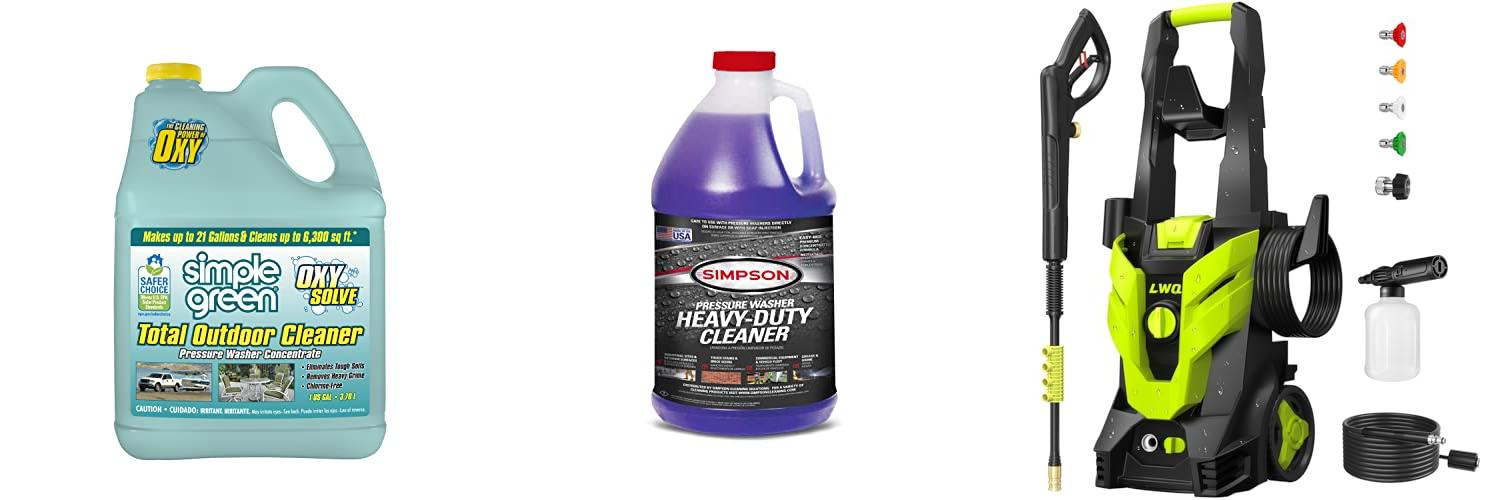
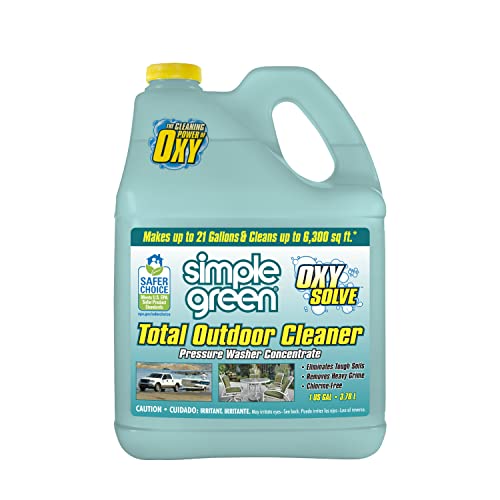
1. Simple Green Oxy Solve Total Outdoor Pressure Washer Cleaner – 1 Gal
Rating: 8.7/10
Tired of tough outdoor messes? The Simple Green Oxy Solve Total Outdoor Pressure Washer Cleaner is your new best friend. This powerful cleaner tackles dirt, grime, and stubborn stains like mold, mildew, moss, and algae. It works on almost any outdoor surface, making your deck, patio, siding, and pathways look like new.
What We Like:
- It cleans many different surfaces: wood, composite, vinyl, metal, fabric, plastic, wicker, concrete, stone, brick, and asphalt.
- It lifts away dirt, grime, and stains from mold, mildew, moss, and algae.
- It uses the power of peroxide, so it’s tough on grime but doesn’t use harsh chemicals.
- This concentrate cleans a huge area, up to 6,400 square feet.
- It’s easy to use with your pressure washer.
What Could Be Improved:
- The 1-gallon size might be a lot for very small jobs.
- Some users might prefer a ready-to-use spray for quicker touch-ups.
This cleaner makes outdoor chores much easier. Get ready to enjoy a sparkling clean outdoor space with minimal effort.
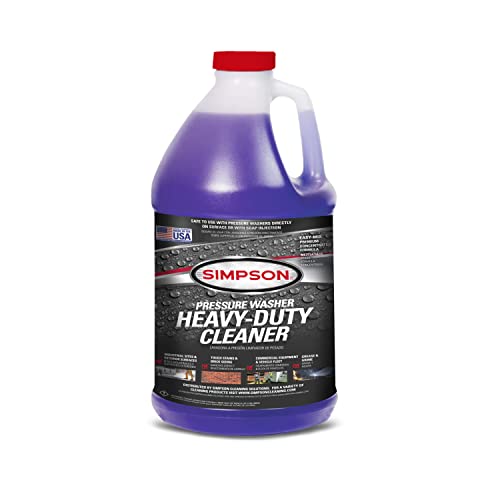
2. Simpson Cleaning 88282 Cleaner
Rating: 9.4/10
Tired of a messy garage and a cluttered cleaning cabinet? The Simpson Cleaning 88282 Cleaner is a powerful, concentrated soap solution designed to tackle your toughest cleaning jobs. This versatile purple cleaner comes in a 1-gallon jug, making it a smart choice for a variety of surfaces and cleaning tools. It works wonders on concrete, vinyl siding, appliances, windows, cars, fences, and decks. Get ready for a cleaner, brighter space with less effort!
What We Like:
- It’s a heavy-duty cleaner that cuts through tough grease and oil.
- You can use it with pressure washers, spray bottles, or for manual cleaning like mopping and wiping.
- It’s very concentrated, so a little goes a long way, saving you money.
- It’s safe to use on many different surfaces and in various cleaning equipment.
- You don’t need many different cleaners; this one does it all.
What Could Be Improved:
- The scent might be strong for some users.
- It’s important to follow the instructions carefully, especially when using with pressure washers.
This Simpson Cleaning 88282 Cleaner is an excellent all-in-one solution for anyone looking to simplify their cleaning routine. It offers powerful cleaning performance and impressive versatility at a great value.
3. Pressure Washer

Rating: 9.1/10
Tired of scrubbing stubborn dirt and grime? This Pressure Washer, Power Washer with 4 Quick Connect Nozzles, High Pressure Cleaning Machine with Foam Cannon is your solution for a sparkling clean home and belongings. It delivers powerful cleaning action for everything from your car to your patio.
What We Like:
- It has a powerful cleaning ability with up to 2.5 GPM water flow.
- It comes with four different quick-connect metal spray nozzles for various cleaning jobs.
- A foam cannon is included to help you apply soap easily.
- The machine is easy to move around thanks to its two rollers and has a stable design.
- You can get water from a faucet or a bucket.
- It has handy storage spots for the power cord and nozzles.
- It’s an eco-friendly way to clean, saving water and energy.
- The cleaner doesn’t go through the pump, making cleanup simpler.
What Could Be Improved:
- The description doesn’t mention the exact PSI (pounds per square inch) which is a common measurement for pressure washers.
- While it mentions cleaning various surfaces, specific details on how well it handles very delicate surfaces are not provided.
This pressure washer offers a strong and versatile cleaning experience for many household tasks. It makes tough cleaning jobs much easier and more efficient.
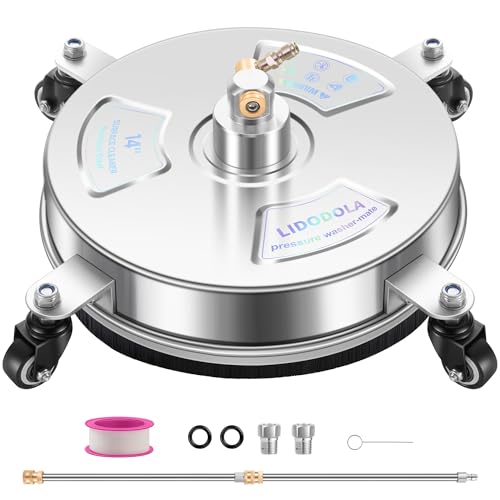
4. 14″ Pressure Washer Surface Cleaner with 4 Wheels – Stainless Steel Surface Cleaner for Pressure Washer Attachment for Concrete
Rating: 8.9/10
Tired of spending hours scrubbing stubborn grime off your outdoor surfaces? The 14″ Pressure Washer Surface Cleaner with 4 Wheels (PWS14) is here to make your life easier. This stainless steel attachment for your pressure washer tackles large flat areas like patios, driveways, and sidewalks with impressive speed and efficiency. It even works on vertical surfaces like brick walls. Say goodbye to dirt, mildew, and mold without needing harsh chemicals – just the power of water!
What We Like:
- Cleans large flat surfaces quickly and easily.
- The 14-inch size is great for home use.
- Four wheels make it super easy to move around.
- Tough bristles stop water from splashing everywhere.
- Durable all-metal construction means it will last a long time.
- Saves you a lot of time and effort.
- Works well with pressure washers of 2500 PSI or higher.
What Could Be Improved:
- The wand has a 1/4″ quick connect plug; you might need to buy an adapter if it doesn’t fit your pressure washer gun.
This surface cleaner is a solid tool that gets the job done efficiently. It’s a worthwhile investment for anyone looking to keep their outdoor spaces looking their best.
5. Kärcher Multi Purpose Pressure Washer Detergent

Rating: 9.2/10
Tired of scrubbing stubborn dirt and grime? Kärcher’s Multi Purpose Pressure Washer Detergent is your secret weapon. This powerful cleaner tackles tough messes on a wide variety of surfaces, from your dirty driveway to your grimy fence. It’s specially made to work with your pressure washer, making cleaning faster and easier. You can trust Kärcher to get the job done right.
What We Like:
- It cleans fences, siding, patios, driveways, sidewalks, and concrete really well.
- It works with most pressure washers, so it’s very versatile.
- One gallon makes up to 20 gallons of cleaner, which saves you money.
- It’s made in the USA.
- It cleans your RVs, cars, boats, and homes effectively.
What Could Be Improved:
- The bottle could be easier to pour from.
- More scent options would be nice.
This Kärcher detergent is a fantastic choice for anyone looking to simplify their outdoor cleaning tasks. Get ready to see your surfaces sparkle!
Choosing the Right Pressure Washer for Your Concrete
Concrete surfaces like driveways, patios, and sidewalks can get really dirty. They can have oil stains, mud, and even moss. A pressure washer is a powerful tool that can blast away this grime and make your concrete look new again. But with so many options, how do you pick the best one?
Key Features to Look For
When you’re shopping for a pressure washer for concrete, keep these important features in mind:
- PSI (Pounds per Square Inch): This tells you how strong the water spray is. For concrete, you’ll want at least 1500 PSI. Higher PSI means more cleaning power for tough stains.
- GPM (Gallons Per Minute): This tells you how much water the machine uses. More GPM means you can clean a larger area faster. Aim for 1.5 GPM or more for efficient concrete cleaning.
- Engine Type: Pressure washers come with gas or electric engines. Gas engines are usually more powerful and better for large areas or very tough jobs. Electric ones are quieter, lighter, and easier to use for smaller jobs.
- Nozzle Types: Different nozzles create different spray patterns. You’ll want a variety. A 0-degree nozzle is very powerful but can damage concrete if used too close. A 25-degree or 40-degree nozzle is safer for general cleaning. Some machines come with a turbo nozzle, which is great for stubborn stains.
- Hose Length: A longer hose gives you more reach. This is helpful so you don’t have to move the pressure washer as often.
- Detergent Tank: Some pressure washers have a tank to mix soap with the water. This helps break down greasy stains.
Important Materials and Durability
The materials used in a pressure washer affect how long it lasts and how well it works. Look for machines with:
- Brass Fittings: Brass is strong and resists rust. It’s better than plastic for connections.
- Durable Hoses: A reinforced hose can handle high pressure without bursting.
- Sturdy Frame: A metal frame will protect the engine and pump.
Factors That Improve or Reduce Quality
Several things can make a pressure washer better or worse for cleaning concrete.
What Improves Quality:
- Higher PSI and GPM: As mentioned, more power means better cleaning.
- Adjustable Pressure Settings: This lets you control the spray for different jobs.
- Good Brand Reputation: Well-known brands often make more reliable machines.
- Easy Maintenance: Some models are designed for simple oil changes or filter cleaning.
What Reduces Quality:
- Low PSI/GPM: These won’t be effective on tough concrete stains.
- Plastic Pump: Plastic pumps are not as durable as metal ones.
- Short Hose: This makes cleaning much harder.
- Poorly Designed Nozzles: If the nozzles don’t spray evenly, it can leave streaks.
User Experience and Use Cases
How easy is the pressure washer to use? This is important. Electric models are often lighter and easier to start. Gas models usually require more effort to start but offer more power.
Common Use Cases for Concrete Cleaning:
- Driveways: Remove oil spots, tire marks, and general dirt.
- Patios and Decks: Clean off algae, moss, and food spills.
- Sidewalks: Get rid of grime and stains.
- Fences and Walls: Wash away dirt and mildew.
Think about the size of the area you need to clean and how often you’ll use the pressure washer. For occasional, small jobs, an electric model might be perfect. For large driveways or very dirty surfaces, a gas-powered unit will serve you better.
Frequently Asked Questions (FAQ)
Q: What is the best PSI for cleaning concrete?
A: For most concrete cleaning, a pressure washer with at least 1500 PSI is recommended. For tougher stains, 2000 PSI or higher is even better.
Q: Do I need different nozzles for concrete?
A: Yes, having a few different nozzles is very helpful. A 25-degree or 40-degree nozzle is good for general cleaning, and a turbo nozzle can tackle stubborn stains.
Q: Can I use a pressure washer on painted concrete?
A: Be very careful when cleaning painted concrete. Use a lower PSI and a wider spray nozzle (like 40 degrees) to avoid damaging the paint.
Q: How far away should I hold the nozzle from the concrete?
A: Start about 12-18 inches away from the surface. You can move closer for tougher spots, but always test in an inconspicuous area first.
Q: Is a gas or electric pressure washer better for concrete?
A: Gas pressure washers are generally more powerful and better for large concrete areas or tough stains. Electric ones are good for smaller jobs and are easier to use.
Q: How do I remove oil stains from concrete with a pressure washer?
A: You can use a degreaser detergent with your pressure washer. Apply the degreaser, let it sit for a few minutes, and then use the pressure washer to rinse it away.
Q: Can I use a pressure washer to clean moss off concrete?
A: Yes, a pressure washer is great for removing moss and algae. Use a moderate PSI and a fan-tip nozzle.
Q: How often should I maintain my pressure washer?
A: Follow the manufacturer’s instructions. Generally, you’ll want to check the oil, clean filters, and store it properly after each use.
Q: What is the difference between PSI and GPM?
A: PSI measures the force of the spray, while GPM measures how much water comes out. You need both for effective cleaning. High PSI breaks down dirt, and high GPM rinses it away quickly.
Q: Can a pressure washer damage my concrete?
A: Yes, if used improperly. Using a nozzle that’s too narrow (like 0-degree) or holding it too close can etch or damage the concrete. Always start with lower pressure and a wider nozzle.
In conclusion, every product has unique features and benefits. We hope this review helps you decide if it meets your needs. An informed choice ensures the best experience.
If you have any questions or feedback, please share them in the comments. Your input helps everyone. Thank you for reading.