
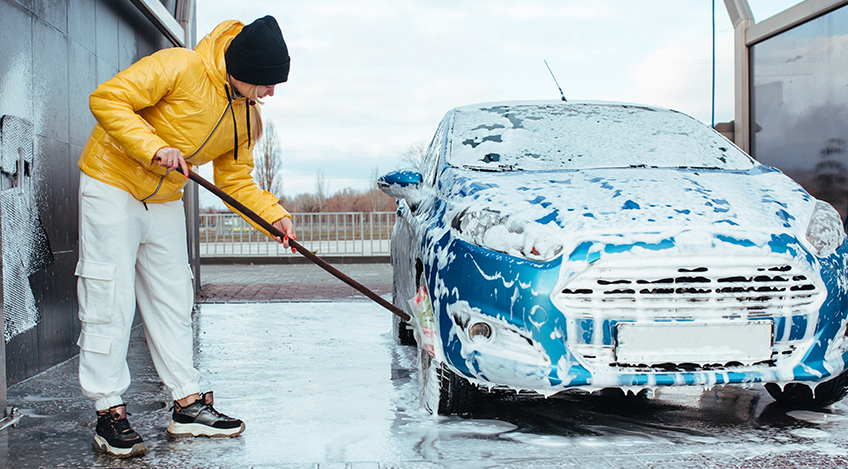
Image Source: blog.napacanada.com
Can You Wash Your Car in Freezing Temps? How Cold Can You Wash Your Car?
Yes, you can wash your car in freezing temperatures, but with significant precautions and considerations to avoid damage. The absolute coldest you should consider washing your car is when the ambient temperature is above 32°F (0°C), and even then, you need to be extra careful.
Winter brings unique challenges for car owners, and one of the most common questions is whether or not it’s safe to wash your car when the mercury drops. Many people shy away from it, fearing that water and freezing temperatures are a recipe for disaster. However, keeping your car clean during the colder months is crucial for protecting its finish from salt, sand, and other corrosive materials that are often spread on roads to combat ice and snow. This guide will delve into the specifics of car washing in freezing temperatures, explaining how cold is too cold and offering essential winter car washing tips.
The Dangers of Washing Your Car in the Cold
The primary concern when washing car in sub-zero temperatures or just below freezing is the potential for water to freeze on your car’s surfaces. This can lead to several problems:
- Frozen Door Locks and Seals: Water trapped in door locks, around window seals, or in door handles can freeze, making it impossible to open your car. This can also cause damage to rubber seals.
- Ice Formation on Paint: If water is left to sit and freeze on your car’s paint, it can create ice sheets that can potentially chip or damage the clear coat when you try to remove it.
- Damage to Car Wash Equipment: In automated car washes, frozen water can damage spray nozzles, brushes, and other equipment.
- Slippery Conditions: Ice can form on the ground around self-service car washes, creating a hazard for you and your vehicle.
- Freezing Water Lines: If you’re washing your car at home, water left in hoses or pumps can freeze and cause them to burst.
Determining Safe Car Wash Temperatures
So, what are the safe car wash temperatures? As a general rule, it’s best to wash your car when the temperature is above 32°F (0°C). However, even in this range, the risk of freezing exists, especially if temperatures are expected to drop quickly after washing.
Table 1: Temperature Considerations for Car Washing
| Temperature Range | Safety Level | Precautions |
|---|---|---|
| Above 40°F (4°C) | High | Ideal for washing. Plenty of time for water to evaporate. Still, dry thoroughly to prevent water spots. |
| 32°F – 40°F (0°C – 4°C) | Moderate | Possible, but requires significant care. Choose a sunny, calm day. Dry the car immediately and thoroughly. Avoid letting water sit in crevices or on surfaces. Use a de-icer spray if available after washing. |
| Below 32°F (0°C) | Not Recommended | High risk of freezing. Water can freeze on paint, locks, seals, and windows. Can cause damage to the car and equipment. Car washing in snow conditions is also discouraged for similar reasons, as melted snow can refreeze. |
The Best Time to Wash Your Car in Winter
When considering best time to wash car in winter, timing is everything.
- Midday Sun: The ideal time is during the warmest part of the day, typically between 11 AM and 3 PM, when the sun is highest and temperatures are at their peak. This allows for quicker drying.
- Mild Winter Days: Look for days where the forecast predicts temperatures to stay above freezing for several hours after you plan to wash your car.
- After a Snowfall (with caution): While car washing in snow itself is problematic, after a snowfall, when temperatures are still above freezing and you can get to a wash facility, it can be beneficial. The key is to remove the salt and grime from the snow before it has a chance to do further damage.
Navigating a Winter Car Wash: At Home vs. Commercial
The approach to car washing in freezing temperatures differs significantly depending on whether you’re doing it at home or using a commercial facility.
Washing Your Car at Home in the Cold
Washing your car at home in freezing temperatures is possible, but it’s a more involved process and requires meticulous attention to detail to avoid issues like preventing water freeze on car.
Essential Supplies for a Cold Weather Home Wash:
- Warm Water: Use as warm a water as you can safely handle and as your system can provide.
- pH-Neutral Car Wash Soap: A good quality soap that won’t strip existing wax or protection.
- Multiple Buckets: The two-bucket method (one for soapy water, one for rinsing) is even more critical in cold weather to keep dirt from being redeposited.
- High-Quality Microfiber Drying Towels: Lots of them! You need to dry the car immediately and thoroughly.
- Leaf Blower or Air Compressor: Excellent for blowing water out of door jambs, mirrors, and other crevices.
- Silicone Spray or Protectant: For rubber seals to prevent them from freezing shut.
- De-Icer Spray: For locks and windows.
- Wheel Cleaner: Specifically designed for winter grime.
Steps for a Safe Home Wash:
- Choose Your Location Wisely: If possible, wash your car in a garage or a sheltered area that’s out of direct wind.
- Prepare Your Water: Fill your buckets with warm water. If using a hose, run hot water through it for a few minutes to warm the hose and reduce the chance of freezing.
- Pre-Rinse: Thoroughly rinse the car with warm water to remove loose dirt and salt. This also helps to slightly warm the vehicle’s surface.
- Wash with Caution: Use the two-bucket method. Wash in small sections, rinsing your wash mitt frequently.
- Rinse Thoroughly: Ensure all soap is removed.
- Immediate and Thorough Drying: This is the most critical step.
- Use plush microfiber towels to dry the entire car.
- Use a leaf blower or compressed air to blast water out of door seams, mirror housings, around windows, and in the grille. Pay special attention to door handles and locks.
- Protect Seals: Apply a silicone spray or a protectant specifically designed for rubber seals to door edges, window seals, and trunk seals. This creates a barrier against moisture and freezing.
- Lubricate Locks: Spray a de-icer or lock lubricant into your door locks.
- Clean Windows: Use a good glass cleaner and ensure no residue is left that could freeze.
Using Commercial Car Washes in Winter
Commercial car washes offer a convenient option, especially when the weather is harsh. However, you still need to be aware of certain factors.
- Touchless vs. Brush Washes: Touchless washes are generally safer for your car’s paint in cold weather as they minimize physical contact. However, they might not be as effective at removing heavy winter grime. Brush washes can sometimes freeze water onto your car if the equipment isn’t properly maintained.
- Drive-Through Washes: These are often the most practical. The process is quick, and the heat generated from the car’s engine can help with drying.
- Self-Service Bays: These can be risky. If the water pressure is low or the water isn’t warm enough, you can still end up with frozen water on your vehicle. Ensure the bay is well-maintained and not excessively icy on the ground.
- Drying: Even after a commercial wash, it’s a good idea to dry off any remaining water, especially in door jambs and around mirrors, using a towel or a leaf blower if you have one.
Car Wash Solutions for Cold Weather
When dealing with the challenge of car washing in freezing temperatures, specific products and techniques can make a significant difference.
- Winter-Specific Car Wash Soaps: Some car wash soaps are formulated with additives that can help prevent water from freezing immediately. These often contain a small amount of alcohol or other freeze-point depressants.
- Waterless or Rinseless Washes: These are excellent car wash solutions for cold weather.
- Rinseless Washes: You use a small amount of concentrated product mixed with water in a bucket. You then use a wash mitt or drying towel, wipe a section, and immediately dry it with a separate towel. There’s no need for a final rinse from a hose, significantly reducing the amount of water left on the car.
- Waterless Washes: These are typically spray-on products. You spray the product onto a section of the car, then wipe it away with a microfiber towel. They are best for light dirt and dust, not heavy winter grime.
- De-Icer Sprays: Keep a can of de-icer spray handy for door locks and windows. You can also spray it onto door seals after washing to help prevent them from freezing shut.
- Interior Cleaning: Don’t forget the inside! Mud and salt tracked into the car can also cause issues. Use floor mats and protectants to keep the interior in good condition.
Preventing Water Freeze on Your Car: The Golden Rules
The core of successful winter car washing is about preventing water freeze on car. This boils down to a few golden rules:
- Dry, Dry, Dry: Never underestimate the importance of drying. Use high-quality microfiber towels and a leaf blower or compressed air for those hard-to-reach areas.
- Seal Protection: Apply a protectant to rubber seals. This is a proactive step against freezing.
- Lock Lubrication: Treat your locks with a lubricant or de-icer before the cold sets in, and reapply after washing.
- Avoid Standing Water: Make sure no water is left pooling in crevices, around trim, or on the glass.
Washing Car in Snow: A Special Case
Car washing in snow is a more direct interaction with frozen precipitation. While you might be tempted to wash off fresh snow, it’s generally not advisable to do so with a full wash cycle when temperatures are hovering around or below freezing.
- Melted Snow Refreezes: Snow itself is mostly ice crystals. When you wash it with water, you’re essentially creating a slush. If temperatures drop, this slush can refreeze, potentially worse than before.
- Salt and Grime Under Snow: The real enemy is the salt and grime that snow often hides. The best approach is to remove this directly.
- Best Practice for Snow: If you must deal with snow-covered car, use a soft brush or a mitt with warm water only to gently remove the snow. Then, if the temperature allows, proceed with a proper wash and thorough drying. If the temperature is well below freezing, it’s better to wait for a warmer day.
Cold Weather Car Care: Beyond the Wash
Cold weather car care extends beyond just washing. Protecting your car during winter involves several aspects:
- Tire Pressure: Cold air causes tire pressure to drop. Check your tire pressure regularly.
- Fluids: Ensure your coolant is at the proper level and has the correct antifreeze mixture.
- Wiper Blades: Replace worn wiper blades and consider winter-specific blades that are more robust.
- Battery: Cold weather is hard on car batteries. If your battery is old, consider getting it tested.
- Waxing/Protection: Applying a quality wax or ceramic coating before winter can provide a protective layer against salt and grime, making cleaning easier.
Frequently Asked Questions (FAQ)
Q1: Can I wash my car if the temperature is 30°F (-1°C)?
A1: It’s highly discouraged. The risk of water freezing on your car’s surfaces, in door locks, and on seals is very high. It’s best to wait until the temperature is consistently above freezing.
Q2: What’s the quickest way to dry my car in winter?
A2: The quickest and most effective way is to use a combination of high-quality microfiber drying towels for the bulk of the water and a leaf blower or compressed air to blast water out of crevices, door jambs, and mirrors.
Q3: Are automatic car washes safe in winter?
A3: Most are designed to operate in winter, but be mindful of potential issues. Touchless washes are generally safer. If using a brush wash, ensure the facility is well-maintained, as frozen water on brushes can cause damage. Always dry critical areas like door seals and locks afterwards if possible.
Q4: How do I prevent my car doors from freezing shut after a wash?
A4: After washing and thoroughly drying your car, apply a silicone spray or a specialized rubber seal protectant to the door seals, window seals, and trunk seals. Also, use a de-icer spray in your door locks.
Q5: Is it okay to use hot water to wash my car in freezing temperatures?
A5: Yes, using warm or hot water is actually beneficial as it helps to melt away ice and grime and reduces the likelihood of immediate refreezing compared to cold water. However, be careful not to use excessively hot water on very cold surfaces, as extreme temperature changes can potentially cause stress.
Q6: What are the best car wash solutions for cold weather?
A6: For heavy winter grime, a traditional wash with warm water and a good soap is often necessary, followed by meticulous drying. For lighter dirt, rinseless or waterless wash products are excellent car wash solutions for cold weather, minimizing the amount of water left on the vehicle.
By following these guidelines and staying informed about the risks, you can keep your car clean and protected, even when battling the challenges of car washing in freezing temperatures. Remember, preparation and thorough drying are your best allies in cold weather car care.