
Yes, you can typically turn on an electric car while it is charging. Most electric vehicles (EVs) allow occupants to access and operate various systems, including the infotainment and climate control, while the car is plugged in and the battery is receiving a charge. This capability is a common feature designed for convenience and to enhance the user experience.
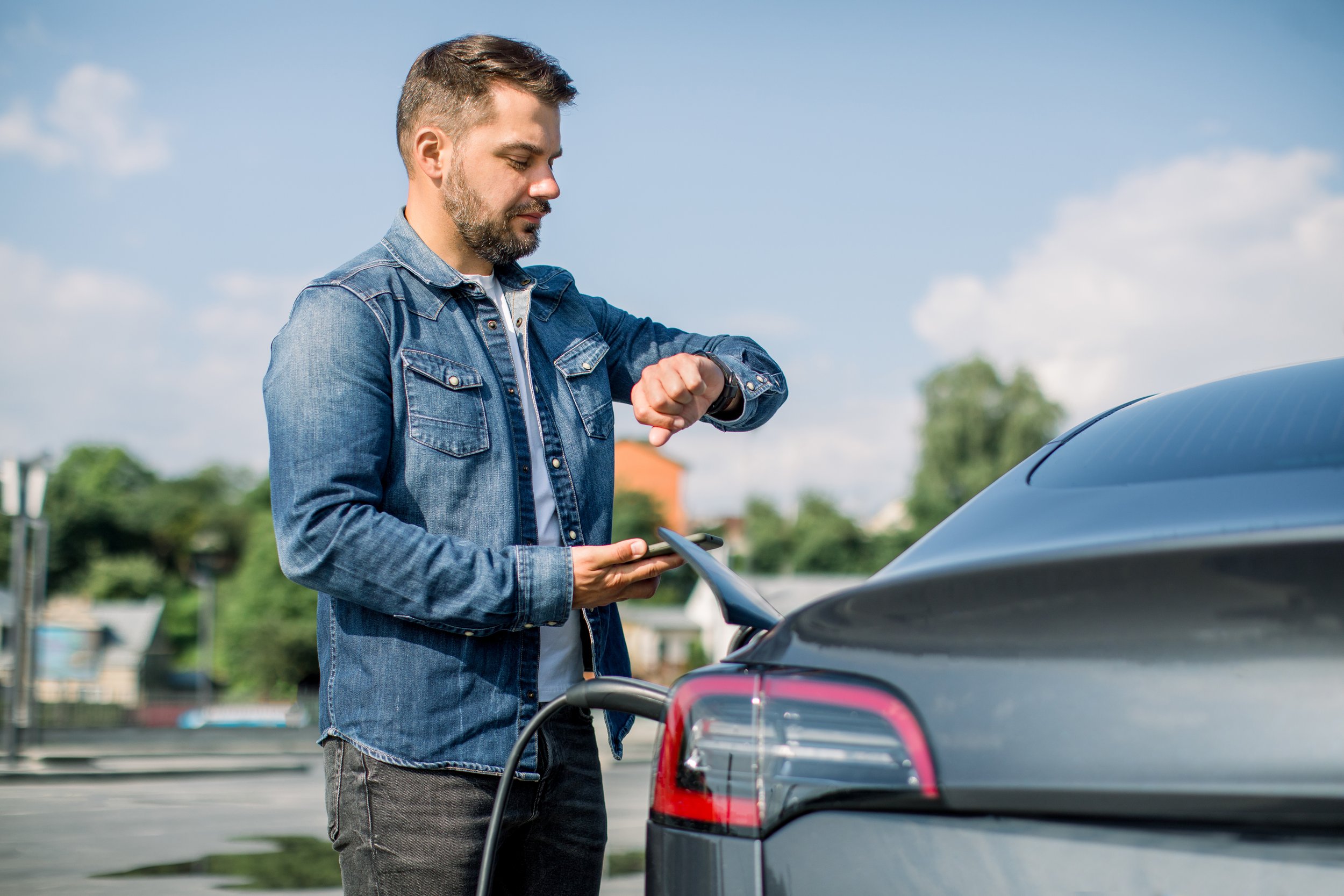
Image Source: images.squarespace-cdn.com
Exploring Stationary EV Operation While Plugged In
The question of whether you can turn on an electric car while it’s charging is a common one for new EV owners and those considering the switch. The short answer is yes, and it’s a testament to the thoughtful design of modern electric vehicles. This functionality allows for a range of activities, from pre-conditioning the cabin temperature to enjoying entertainment systems, all while the charging car battery is replenished. This capability is a significant departure from some older gasoline-powered cars where certain operations might be restricted while refueling.
The Mechanics of Charging and Powering Systems
When an EV is plugged into a charging station, the electricity flows from the grid, through the charging cable, into the vehicle’s charging port safety system, and then to the battery management system EV. The battery management system (BMS) is a sophisticated electronic system that monitors and controls the charging and discharging of the battery pack. It ensures the battery operates within safe voltage, current, and temperature limits.
Even when the car is “off” in the traditional sense, many of its internal systems remain in a low-power standby mode. When you “turn on” an EV while charging, you’re essentially waking up these systems. The car draws power from two sources simultaneously: the external charging supply to charge the high-voltage battery, and the high-voltage battery itself to power the internal 12-volt auxiliary systems (like lights, infotainment, windows, and climate control).
Powering Electric Car Systems While Charging
The ability to power electric car systems while charging is a deliberate design choice. It leverages the readily available electricity from the charging source without solely relying on the car’s battery. This is particularly useful for:
- Climate Control: Pre-heating or pre-cooling the cabin before you need to drive. This is a huge benefit as it uses grid power, not your driving range.
- Infotainment and Connectivity: Listening to music, browsing the internet (if the car has Wi-Fi), or using navigation systems.
- Accessory Usage: Operating power windows, seats, and other amenities.
The car’s internal systems are designed to manage these power demands. The BMS plays a crucial role here, ensuring that the power drawn for cabin functions doesn’t negatively impact the charging process or the battery’s health. It intelligently balances the power flow.
Electric Vehicle Charging Modes: A Deeper Dive
Understanding how EVs charge also sheds light on why stationary operation is possible. Electric vehicle charging is typically categorized into different modes, each with varying power outputs and connector types.
- Level 1 Charging: Uses a standard household outlet (120V in North America). It’s the slowest form of charging but convenient for overnight charging without special equipment.
- Level 2 Charging: Uses a higher voltage outlet (240V in North America), often installed in homes or public charging stations. This provides significantly faster charging than Level 1.
- DC Fast Charging (Level 3): Utilizes direct current (DC) at high voltages and currents for very rapid charging. This is typically found at public charging hubs.
Regardless of the charging level, the car’s internal systems can usually remain active. The EV charging safety protocols are robust, ensuring that the connection between the car and the charging station is secure and that power is only supplied when it’s safe to do so.
Regenerative Braking During Charging
A common question arises: can you experience regenerative braking during charging? Generally, no. Regenerative braking is a system where the electric motor acts as a generator during deceleration or braking, converting kinetic energy back into electrical energy and sending it to the battery. However, when the battery is already full or close to full, or when the charging system is actively limiting the charge rate due to battery temperature or state of charge, the regenerative braking system will typically be deactivated or limited. This is a safety feature to prevent overcharging the battery.
Therefore, while the car is plugged in and actively charging, especially at higher states of charge, you won’t experience regenerative braking. The braking force will come from the traditional friction brakes.
Hybrid Car Charging Behavior: A Different Approach
It’s important to distinguish between pure electric vehicles (EVs) and hybrid electric vehicles (HEVs) or plug-in hybrid electric vehicles (PHEVs). While PHEVs can be charged externally, their behavior while charging can differ.
- HEVs (Hybrid Electric Vehicles): These vehicles have a gasoline engine and an electric motor. The battery is primarily charged through regenerative braking and by the gasoline engine. They cannot be plugged in to charge.
- PHEVs (Plug-in Hybrid Electric Vehicles): These vehicles have a larger battery than HEVs, allowing for a significant all-electric range. They can be plugged in to charge. Some PHEVs may have restrictions on driving or operating certain systems while plugged in, depending on the manufacturer’s design and the charging status. However, most modern PHEVs allow for cabin climate control to be managed while charging, similar to EVs.
The context of “turning on an electric car while charging” primarily refers to battery electric vehicles (BEVs).
Battery Management System EV: The Brain of the Operation
The battery management system EV is central to ensuring that operating the car while charging is safe and efficient. The BMS constantly monitors:
- State of Charge (SoC): How full the battery is.
- State of Health (SoH): The overall condition and lifespan of the battery.
- Temperature: Both battery pack temperature and ambient temperature.
- Voltage and Current: Of individual cells and the entire pack.
When you turn on the car while charging, the BMS ensures that the power drawn by the internal systems does not interfere with the incoming charge. It might adjust charging rates or even temporarily pause charging if the demands of the cabin systems, combined with the charging current, would exceed safe operating parameters.
Charging Port Safety: Ensuring a Secure Connection
The charging port safety mechanisms are critical. Most EV charging ports have interlocks that prevent the charging cable from being detached while charging is in progress and the vehicle is energized. Similarly, the charging station typically won’t energize the cable until it has successfully communicated with the car and confirmed a safe connection. This prevents electrical hazards for the user and damage to the equipment.
When the vehicle is turned on while charging, these safety protocols remain active. The car’s internal computers are constantly communicating with the charging station, managing the flow of electricity.
Operating EV While Plugged In: Practical Considerations
The ability to operate an EV while plugged in offers several practical benefits beyond just convenience:
- Reduced Range Anxiety: Knowing you can pre-condition your cabin without using battery range can alleviate concerns about reaching your destination, especially in extreme weather.
- Comfort and Convenience: Arriving at your parked car on a hot day and turning on the air conditioning remotely, or having a warm car on a cold morning, is a significant comfort factor. Many EVs offer smartphone apps that allow you to control charging and cabin climate remotely, further enhancing this.
- Entertainment and Productivity: For those who might wait in their car during charging sessions, having access to entertainment systems or even a mobile workspace is a valuable amenity.
However, it’s worth noting that drawing significant power for cabin systems while charging might slightly increase the overall time it takes to reach a full charge, as some of the incoming electricity is being diverted. The impact is usually minimal, especially with Level 2 charging, but it’s a factor to consider if you’re always aiming for the fastest possible charge.
Stationary EV Operation vs. Driving
It’s important to distinguish between stationary EV operation while charging and attempting to drive the car while it’s plugged in. Driving while plugged in is generally not possible or advisable. The charging cable is designed to be disconnected before the vehicle is put into drive mode. There are physical and electronic interlocks to prevent this, ensuring EV charging safety.
When you turn the car on while charging, you are engaging its auxiliary systems, not preparing to drive. The car is effectively in a “parked” state, but with power available for cabin functions.
Frequently Asked Questions (FAQs)
Q1: Can I drive my electric car while it’s charging?
A1: No, you cannot and should not drive your electric car while it is plugged into a charging station. The charging cable must be disconnected before putting the car in drive. Safety interlocks prevent this.
Q2: Does turning on my electric car while charging use up battery power?
A2: When your electric car is plugged in, it draws power from the charging source. The systems you turn on while charging will primarily use this external power, rather than depleting the charging car battery. The battery management system EV ensures this power is managed correctly.
Q3: Will operating the car while charging slow down the charging speed?
A3: Yes, to a small extent. If you use significant power for cabin climate control or infotainment, some of the incoming electricity will be diverted to power these systems, meaning less electricity goes directly to charging the battery. However, the impact is usually minor, especially with Level 2 charging.
Q4: Is it safe to use my electric car’s features (like air conditioning) while charging?
A4: Yes, it is generally safe. Modern EVs are designed with EV charging safety in mind, and their battery management system EV ensures that auxiliary power demands are managed without compromising the charging process or battery health.
Q5: What happens if my electric car’s battery is already full and I’m still charging?
A5: The battery management system EV will automatically stop the charging process once the battery reaches its target state of charge. It prevents overcharging. If you are operating systems while the battery is full, the car will continue to draw power from the external source to power those systems as long as it is plugged in.
Q6: Does regenerative braking work while charging?
A6: Generally, regenerative braking during charging is limited or disabled. This is because the battery may already be at a high state of charge, or the charging rate may be restricted. The system prioritizes safe charging and prevents overcharging.
Q7: What are the different electric vehicle charging modes?
A7: The primary modes are Level 1 (standard outlet), Level 2 (higher voltage, faster), and DC Fast Charging (direct current, very fast). Each mode has different charging speeds and connector types.
Q8: Are there any safety concerns with the charging port?
A8: Charging port safety is paramount. EVs have sophisticated interlocking mechanisms to ensure the charging cable is securely connected and energized only when it is safe. This prevents electrical shock and damage.
In conclusion, the ability to turn on and operate various systems in an electric car while it is plugged in and charging is a standard and convenient feature. It highlights the advanced technology and safety considerations built into modern EVs, allowing users to enjoy comfort and functionality without interrupting the essential task of replenishing their vehicle’s battery.