
Can you get more than policy limits in a car accident settlement? Yes, it is possible to recover damages exceeding the at-fault driver’s insurance policy limits. This is often achieved through legal action against the at-fault party’s personal assets or by utilizing your own insurance coverages.
A car accident can be a devastating event, not just physically and emotionally, but financially as well. When you’ve been injured due to someone else’s negligence, the road to recovery can be paved with medical bills, lost income, and immense pain. While the at-fault driver’s insurance policy usually covers the damages, what happens when the costs of your injuries and losses far exceed those limits? This is a common and often distressing situation for accident victims. Thankfully, there are avenues to explore that can help you secure compensation beyond the standard policy limits. This in-depth guide will walk you through the strategies and legal considerations involved in pursuing a settlement that goes beyond the at-fault driver’s insurance coverage.
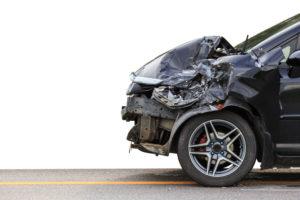
Image Source: www.morrisbart.com
When Insurance Isn’t Enough: Navigating Beyond Policy Limits
Insurance policies have limits, which represent the maximum amount the insurance company will pay for a covered claim. These limits can be structured in various ways, such as per-person bodily injury, per-accident bodily injury, and per-accident property damage. When the full extent of your damages – encompassing medical expenses, lost income (lost wages), and pain and suffering – surpasses these caps, you face a shortfall. This is where strategic legal and insurance navigation becomes crucial.
Deciphering Policy Limits and Damages
Before you can even think about exceeding policy limits, it’s essential to accurately assess your total damages. This involves a meticulous accounting of all costs and losses incurred due to the accident.
- Medical Expenses: This includes everything from ambulance rides and emergency room visits to ongoing physical therapy, medications, surgeries, and future medical care. Keep meticulous records of every bill, receipt, and co-payment.
- Lost Wages: If your injuries prevent you from working, you’re entitled to compensation for the income you’ve lost. This also extends to future earning capacity if your injuries result in long-term disability or a reduced ability to earn.
- Pain and Suffering: This is a more subjective category that accounts for the physical pain, emotional distress, mental anguish, and loss of enjoyment of life caused by the accident and your injuries.
- Property Damage: This covers the cost of repairing or replacing your vehicle and any other personal property damaged in the crash.
- Other Out-of-Pocket Expenses: This can include things like transportation costs to medical appointments, modifications to your home or vehicle for accessibility, and even household help if you’re unable to perform daily tasks.
The Role of a Personal Injury Attorney
Navigating the complexities of insurance claims and legal recourse can be daunting, especially when dealing with significant damages. This is where a skilled personal injury attorney becomes invaluable. An experienced attorney will:
- Thoroughly investigate the accident to establish fault and gather evidence.
- Accurately calculate the full extent of your damages, including future anticipated costs.
- Handle all communication with insurance adjusters, who are often trained to minimize payouts.
- Negotiate aggressively on your behalf to achieve a fair settlement.
- File a lawsuit and represent you in court if a settlement cannot be reached.
- Identify and pursue all potential avenues for compensation, including those beyond the at-fault driver’s policy limits.
Strategies to Recover Damages Exceeding Policy Limits
When the at-fault driver’s insurance policy limits are insufficient to cover your losses, several strategies can be employed to pursue additional compensation.
1. Pursuing the At-Fault Driver’s Personal Assets
If the at-fault driver has significant personal assets, such as savings accounts, investments, or other property, you may be able to pursue a claim directly against them personally. This typically involves filing a lawsuit that goes beyond the insurance company and targets the individual.
What is a Third-Party Liability Claim?
A third-party liability claim is precisely what it sounds like: a claim against a party other than yourself or your own insurer. In a car accident context, the at-fault driver is the third party whose liability you are seeking to establish and recover damages from. If their insurance coverage is inadequate, you can seek to satisfy your judgment by attaching their personal assets.
Steps to Pursuing Personal Assets:
- Filing a Lawsuit: Your attorney will file a lawsuit against the at-fault driver.
- Discovery: This phase involves exchanging information and evidence between parties, including financial disclosures from the at-fault driver.
- Obtaining a Judgment: If you win your case, the court will issue a judgment for the total amount of your damages.
- Asset Seizure: If the judgment isn’t paid voluntarily, your attorney can work with the court to seize assets like bank accounts or property to satisfy the debt.
Important Consideration: The success of this strategy depends heavily on the at-fault driver’s financial situation. If they have no significant assets, this avenue may yield limited results.
2. Utilizing Your Own Insurance Coverages
You might be surprised to learn that your own car insurance policy could provide additional coverage when the at-fault driver is underinsured.
a) Underinsured Motorist (UIM) Coverage
Underinsured motorist (UIM) coverage is a vital part of your auto insurance policy that protects you if you are involved in an accident with a driver who does not have enough insurance to cover your damages. This coverage acts as a safety net.
- How UIM Works: If the at-fault driver’s liability policy limits are exhausted, and you still have unreimbursed damages, you can then file a claim under your own UIM coverage. Your UIM coverage will pay the difference up to your policy’s UIM limits.
- Types of UIM: UIM coverage can apply to both bodily injury and property damage.
- UIM Bodily Injury (UIMBI): Covers medical expenses, lost wages, and pain and suffering when the at-fault driver’s bodily injury liability limits are insufficient.
- UIM Property Damage (UIMPD): Covers damage to your vehicle when the at-fault driver’s property damage liability limits are insufficient.
b) Uninsured Motorist (UM) Coverage
Uninsured motorist (UM) coverage is similar to UIM but applies specifically when the at-fault driver has no insurance at all. If the at-fault driver is uninsured, you can file a claim under your UM coverage for your damages.
- How UM Works: This coverage is triggered when the at-fault driver has no liability insurance. Your UM coverage will pay for your medical expenses, lost wages, and pain and suffering up to your policy limits.
- Why It’s Important: UM coverage is crucial because a significant number of drivers on the road are uninsured.
Crucial Note: In many states, UIM and UM coverage are often bundled together and may have different limits. It is essential to review your policy documents or speak with your insurance agent to understand the extent of your UIM/UM coverage.
3. Filing a Claim Against Other Liable Parties
In some car accidents, fault may not lie solely with the driver of the other vehicle. Other parties could also share responsibility, opening up additional avenues for compensation.
- Negligent Maintenance or Repair Shops: If a mechanical failure, such as faulty brakes or tires, contributed to the accident, the mechanic or repair shop responsible for that work could be held liable.
- Government Entities: If road defects, such as large potholes, poorly maintained traffic signals, or inadequate signage, played a role in the accident, a government entity responsible for road maintenance might be liable. Claims against government entities often have strict deadlines and specific procedures.
- Vehicle Manufacturers: In cases where a manufacturing defect in a vehicle (e.g., a faulty airbag, steering system issue) caused or contributed to the accident, the manufacturer could be held liable through a product liability claim.
- Drunk Driving or Reckless Driving By Another Driver: If another vehicle’s actions, like cutting you off or causing a chain reaction, contributed to your accident, you might have claims against them as well, even if they weren’t the initial point of impact.
4. Seeking Punitive Damages
While most car accident settlements focus on compensating victims for their actual losses, in certain egregious cases, punitive damages may be awarded. These are not meant to compensate the victim but to punish the at-fault party for exceptionally reckless or malicious behavior and to deter others from similar conduct.
What are Punitive Damages?
Punitive damages are awarded in cases where the defendant’s conduct was particularly willful, wanton, malicious, or fraudulent. For example, a driver who was highly intoxicated and driving at excessive speeds, leading to a severe accident, might face a claim for punitive damages in addition to compensatory damages.
- When They Apply: Punitive damages are not awarded in every case. They are reserved for situations where the at-fault party’s actions go beyond simple negligence and demonstrate a conscious disregard for the safety of others.
- Challenges in Pursuing: Proving entitlement to punitive damages can be challenging and requires substantial evidence of the defendant’s extreme misconduct. These claims are typically pursued through litigation rather than negotiation, and their availability and limits vary significantly by state.
The Demand Letter: Your First Step in Negotiation
Once you have a clear understanding of your damages and potential legal avenues, your personal injury attorney will typically draft and send a formal demand letter to the at-fault party’s insurance company.
What is a Demand Letter?
A demand letter is a comprehensive document that outlines the facts of the accident, establishes the at-fault party’s liability, details your injuries and losses, and states the amount of compensation you are demanding to settle the claim.
Key Components of a Demand Letter:
- Introduction: Clearly states the purpose of the letter – to demand settlement for a car accident.
- Facts of the Accident: A chronological account of how the accident occurred, supported by police reports and witness statements.
- Liability: Explains why the at-fault driver is legally responsible for the accident, citing traffic laws or negligent actions.
- Injuries and Treatment: A detailed description of your injuries and the medical treatment you have received and are expected to receive. This section often includes medical records and bills.
- Damages: Itemizes all your losses, including:
- Past and future medical expenses.
- Lost wages and potential future earning capacity.
- Pain and suffering.
- Property damage.
- Any other applicable expenses.
- Settlement Demand: States the specific dollar amount you are seeking to settle the case. This amount is often higher than the initial insurance offer to allow room for negotiation.
- Deadline for Response: Typically provides a timeframe (e.g., 30 days) for the insurance company to respond.
The demand letter is a critical tool in the negotiation process. A well-crafted letter, backed by strong evidence and legal expertise, can significantly influence the outcome of your settlement negotiations.
Negotiating for a Fair Settlement
The initial response to your demand letter might be a lowball offer or a complete denial of liability. This is where the negotiation skills of your personal injury attorney come into play.
Negotiation Tactics and Strategies
- Backing Up Your Demand with Evidence: Every claim made in the demand letter must be supported by solid evidence – police reports, medical records, expert opinions, photos of the accident scene and vehicle damage, and proof of lost income.
- Highlighting the Risks of Litigation: An attorney can subtly or directly inform the insurance company that if a fair settlement isn’t reached, you are prepared to file a lawsuit. The cost and uncertainty of litigation often make insurers more willing to negotiate.
- Understanding the “Soft Tissue” Defense: Insurance companies often try to devalue claims for soft tissue injuries (like whiplash) by arguing they are subjective and easily exaggerated. Your attorney can counter this by presenting strong medical evidence and expert testimony.
- Patience and Persistence: The negotiation process can be lengthy. It requires patience and a persistent approach to ensure your rights are protected and your compensation is fair.
When Negotiations Fail: Taking Your Case to Court
If negotiations stall and the insurance company or at-fault party refuses to offer a fair settlement, the next step is often to file a lawsuit.
The Litigation Process
- Filing a Complaint: Your attorney files a formal complaint with the court, initiating the lawsuit.
- Discovery: This phase involves extensive information exchange through interrogatories, requests for production of documents, depositions (sworn testimony outside of court), and expert witness examinations.
- Mediation or Arbitration: Many jurisdictions require or encourage parties to attempt mediation or arbitration to resolve disputes outside of court.
- Trial: If settlement is not reached, the case proceeds to trial, where evidence is presented, witnesses testify, and a judge or jury decides the outcome.
Trial Considerations
- Presentation of Evidence: This is where all the gathered evidence – medical expenses, lost wages, photos, police reports, and expert testimony – is presented to the court.
- Witness Testimony: You, your doctors, accident reconstruction specialists, and economic experts may testify.
- Jury Deliberation: In a jury trial, the jury will consider the evidence and arguments to determine fault and award damages.
Securing compensation beyond policy limits can be a complex and challenging undertaking, but it is often achievable with the right legal guidance and a comprehensive understanding of your rights and options.
Frequently Asked Questions (FAQ)
Q1: What happens if the at-fault driver has no insurance?
A1: If the at-fault driver has no insurance, you can file a claim under your own uninsured motorist (UM) coverage, if you have it. This coverage is designed to protect you in such situations.
Q2: How do I prove “pain and suffering”?
A2: Proving pain and suffering involves presenting evidence such as medical records detailing your pain levels, doctor’s notes on your prognosis, your testimony about how the injuries affect your daily life, and testimony from friends or family who can attest to your suffering. Expert testimony from psychologists or pain management specialists can also be crucial.
Q3: Is it always possible to get more than policy limits?
A3: No, it’s not always possible. Recovering beyond policy limits depends on factors like the at-fault driver’s assets, your own underinsured motorist coverage, and the willingness of other potentially liable parties to settle or be found responsible.
Q4: What is the difference between UIM and UM coverage?
A4: Uninsured motorist (UM) coverage applies when the at-fault driver has no insurance at all. Underinsured motorist (UIM) coverage applies when the at-fault driver has insurance, but their policy limits are not high enough to cover your damages.
Q5: How long does it take to resolve a claim that goes beyond policy limits?
A5: The timeline can vary significantly. Negotiating a settlement may take several months. If a lawsuit is filed, it can take a year or more to reach a resolution through trial or a later settlement.
Q6: Can I settle with the at-fault driver’s insurance company and still pursue their personal assets?
A6: Generally, once you settle with an insurance company for their policy limits, you release the insurance company and often the insured (the at-fault driver) from further liability related to the policy. To pursue personal assets, you would typically need to avoid settling with the insurance company until you have explored all options, including litigation. It’s crucial to discuss this with your attorney before agreeing to any settlement.
Q7: What are “punitive damages” and when are they awarded?
A7: Punitive damages are awarded to punish a defendant for egregious conduct (like drunk driving or extreme recklessness) and deter similar behavior in the future. They are not meant to compensate for your losses but to punish the wrongdoer. They are awarded only in cases of malicious, willful, or grossly negligent behavior, and their availability and amount are subject to state laws.
Q8: What information should I gather after a car accident?
A8: After an accident, gather the other driver’s name, contact information, and insurance details. Also, get the names and contact information of any witnesses, take photos of the accident scene and vehicle damage, note the time and location, and obtain a copy of the police report. Keep all medical bills and records related to your injuries.
Q9: Do I need a lawyer to get more than policy limits?
A9: While you can attempt to handle such claims yourself, hiring a personal injury attorney significantly increases your chances of success. They have the expertise to navigate complex insurance laws, deal with insurance adjusters, accurately assess damages, and pursue all available legal avenues, including claims against personal assets or utilizing your own underinsured motorist coverage.
Q10: What is a “demand letter” and why is it important?
A10: A demand letter is a formal document sent by your attorney to the at-fault party’s insurance company. It details the accident, liability, your injuries, and all damages, and proposes a settlement amount. It’s a critical step in the negotiation process and clearly communicates your case’s strength.