
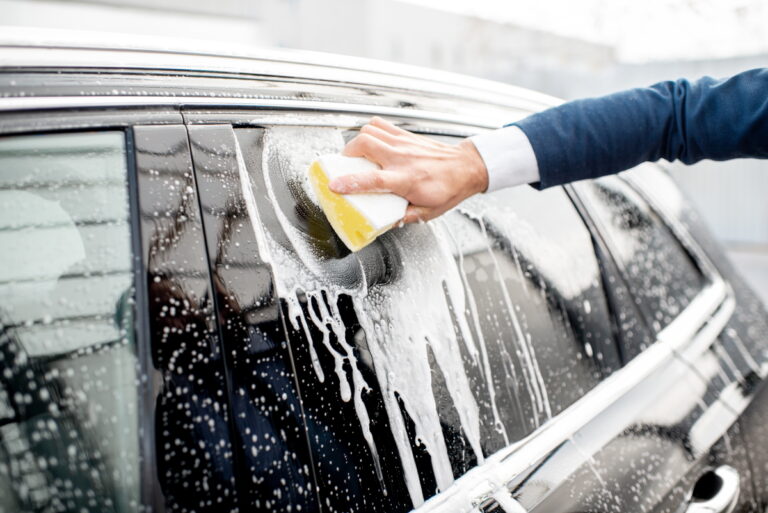
Image Source: qualityautoglasstint.com
Can You Get A Car Wash After Tints? The Truth
Yes, you can generally get a car wash after your window tints have been professionally applied, but there’s a crucial waiting period and specific practices to follow to ensure the longevity and integrity of your automotive window film. It’s essential to know when and how to clean your newly tinted windows to avoid damage.
The Crucial Waiting Period for Tinted Windows
The most critical factor when considering a car wash after tinting is the curing time of the window film. Automotive window film is applied using a special solution, and this moisture needs to evaporate completely for the tint to adhere properly to the glass. If you wash your car too soon, the water pressure or even the soap and water itself can seep under the edges of the tint, causing it to peel, bubble, or lose its adhesive bond.
How Long Should You Wait?
The general recommendation from most professional tinting services is to wait at least 24 to 72 hours before exposing your tinted windows to water. However, some installers might suggest a longer period, even up to a week, depending on the specific type of window tinting product used and the environmental conditions (like humidity and temperature). Always ask your tint installer for their specific recommendations. They are the best source of information for the products they use and their application methods.
Why the Waiting Period Matters: The Tinting Process Explained
To truly grasp why you need to wait, it’s helpful to briefly explore the tinting process itself.
- Preparation: The windows are meticulously cleaned and prepped. Any dirt or debris left on the glass can get trapped under the film, causing imperfections. This is why car wash before tinting is vital for a flawless finish.
- Cutting the Film: The automotive window film is precisely cut to match the shape of your vehicle’s windows.
- Application: A special solution (usually a mixture of water and a mild soap or additive) is sprayed onto the glass and the adhesive side of the film. This solution allows the film to be maneuvered into place and helps in squeegeeing out excess water and air bubbles.
- Squeegeeing: A series of squeegees are used to push out the solution and air from between the film and the glass. This is a critical step in creating a smooth, bubble-free finish.
- Curing: After squeegeeing, there is still residual moisture trapped under the film. This moisture needs to evaporate naturally through the film’s adhesive layer and out the edges. This is the curing process.
During curing, the adhesive creates a strong, permanent bond. If this process is interrupted by excessive moisture or aggressive cleaning, the bond can be weakened.
What Kind of Car Wash is Safe After Tinting?
Once the waiting period has passed, you have several options for washing your car, but car wash safety is paramount.
Hand Washing: The Safest Option
A gentle hand wash is the safest and most recommended method for cleaning your newly tinted vehicle.
- Gentle Soap: Use a mild, non-abrasive car soap. Avoid harsh detergents or cleaning solutions that contain ammonia or alcohol, as these can degrade the adhesive and the tint itself over time.
- Soft Mitts and Cloths: Use a clean wash mitt made of microfiber or lamb’s wool. Avoid brushes or sponges with abrasive surfaces that could scratch the film or dislodge the edges of the tint.
- Lukewarm Water: Use lukewarm water. Avoid extremely hot or cold water, which can cause thermal shock to the glass and film.
- Gentle Technique: Wash in straight lines, not circles. Rinse the mitt frequently to remove grit and dirt.
- Drying: Pat the windows dry with a clean, soft microfiber towel. Avoid rubbing aggressively. You can also let the windows air dry, but be mindful of water spots.
Touchless Automatic Car Washes: Use with Caution
Touchless automatic car washes might seem like a good alternative to avoid direct contact, but they still pose some risks.
- High-Pressure Water: The high-pressure sprayers used in these washes can force water under the edges of the tint, especially if the tint isn’t fully cured or if the edges weren’t perfectly sealed during application.
- Chemicals: Some automatic car washes use strong cleaning chemicals that may not be compatible with window tint.
If you opt for an automatic car wash, it’s best to wait at least a few weeks after tinting, and even then, choose a touchless option and avoid any wax or sealant treatments that might come into contact with your windows. It’s still preferable to avoid these altogether for the first month.
What to Absolutely Avoid
There are certain cleaning methods and products that you must steer clear of, especially in the initial months after tinting.
- Abrasive Cleaners: Any cleaner containing harsh chemicals like ammonia, bleach, or alcohol.
- Abrasive Tools: Stiff brushes, scouring pads, or dirty cloths.
- Pressure Washers (Close Range): While gentle rinsing is okay, direct, high-pressure spraying on the edges of the tint should be avoided.
- Scraping: Never use razor blades or scrapers on tinted windows. This will undoubtedly damage the film.
- Window Cleaning Sprays (Most Commercial Ones): Unless specifically labeled as tint-safe, avoid most common glass cleaners.
Maintaining Your Tinted Windows: Long-Term Care
Proper care extends beyond the initial curing period. Regular, gentle cleaning will help your automotive window film last for years.
Best Practices for Daily/Weekly Cleaning
- Use a Tint-Safe Glass Cleaner: Look for products specifically formulated for tinted windows. These are typically ammonia-free and alcohol-free.
- Microfiber Cloths are Your Friends: Always use clean microfiber cloths. One for applying the cleaner and another for drying.
- Gentle Squeegee Use: If you choose to use a squeegee, ensure it has a soft, rubber blade and that it’s kept clean. Always start from the top and work your way down, overlapping strokes.
- Avoid Interior Cleaning Harshness: Be just as careful when cleaning the inside of your windows. The film on the inside is even more susceptible to damage if exposed to harsh chemicals or abrasive materials.
Understanding Your Tint Warranty
When you invest in professional tinting, it usually comes with a tint warranty. It’s crucial to know what your warranty covers and any conditions that might void it.
- Common Warranty Coverage: Most warranties cover defects in the film, such as peeling, bubbling, cracking, or color change/fading over time.
- Voiding the Warranty: Improper care is a common reason for a warranty to be voided. This can include:
- Using harsh chemicals.
- Scraping the film.
- Aggressively cleaning the windows before the curing period.
- Damage caused by third-party applications (like improperly installed accessories).
Always keep your invoice and any warranty documentation from your installer. If you notice any issues, contact your tint installer promptly.
Can You Tint Windows After a Car Wash?
This is the flip side of the question. If you’re planning to get your windows tinted, it’s imperative to have a clean car.
- Why a Clean Car is Essential: As mentioned earlier, the tinting process requires absolute cleanliness of the glass. Any dirt, dust, or residue on the windows will be trapped under the film, leading to a poor finish with visible specks and potentially compromising the adhesive.
- What to Expect from a Professional Installer: A reputable professional tinting service will always start by thoroughly cleaning your windows. They will degrease the glass, remove any stickers or adhesive residue, and ensure a perfectly clean surface before beginning the tint application.
- The Importance of ‘Car Wash Before Tinting’: This step is non-negotiable for a high-quality result. If your car isn’t clean, the installer might refuse to tint, or you’ll end up with a subpar job that won’t be covered by warranty. Some installers even offer a basic wash or detail service as part of their package or as an add-on if your car is exceptionally dirty.
Common Tinting Chemicals and Their Effects
The chemicals used during the tint application and for cleaning are important considerations.
- Application Solution: Typically a mixture of purified water and a small amount of a mild, pH-neutral soap or a specialized tinting additive. These additives help the film slide into place and allow for better squeegeeing.
- Cleaning Chemicals (Tint-Safe): These are ammonia-free and alcohol-free. They are designed to clean the glass without damaging the film or its adhesive.
- Cleaning Chemicals (Unsafe): Ammonia-based cleaners (like Windex), alcohol-heavy cleaners, and abrasive chemicals are the main culprits that can cause damage. Ammonia can break down the adhesive and cause the film to cloud or peel, while alcohol can dry out the film and make it brittle.
Deciphering Tint Film Types and Care
Different types of automotive window film may have slightly different care requirements, though the core principles remain the same.
Types of Window Tint
- Dyed: The least expensive, dye is embedded into the film during manufacturing. It offers minimal UV protection and can fade over time.
- Carbon: Uses carbon particles to provide tint. It’s durable, resists fading well, and blocks a good amount of heat.
- Ceramic: The most advanced, using ceramic particles that don’t interfere with electronic signals. Ceramic tints offer excellent heat rejection, UV protection, and durability. They are often the most expensive but offer the best performance and longevity.
- Metalized: Contains tiny metal particles that reflect heat and light. Can sometimes interfere with radio or GPS signals.
Regardless of the type, the general rule of gentle cleaning and avoiding harsh chemicals always applies. Ceramic and carbon tints are generally more robust and less prone to issues from minor cleaning errors than dyed films, but it’s always best to err on the side of caution.
Frequently Asked Questions (FAQ)
Here are some common questions people have about washing their cars after getting window tints.
Q1: How soon can I wash my car after getting window tints?
A1: It is generally recommended to wait at least 24 to 72 hours, but up to a week is often advised by professional installers for optimal curing. Always consult your installer for their specific recommendations.
Q2: Can I use regular Windex on my tinted windows?
A2: No, you should avoid Windex or any cleaner containing ammonia. Ammonia can damage the tint and its adhesive. Use only tint-safe, ammonia-free cleaners.
Q3: What is the best way to clean my tinted windows?
A3: The best method is a gentle hand wash using mild soap and water, followed by drying with a clean microfiber cloth. For interior cleaning, use a tint-safe glass cleaner and microfiber towels.
Q4: What if I see small bubbles after tinting?
A4: Small water bubbles or pockets might be present immediately after tinting. These are typically due to residual application solution and will often disappear on their own as the film cures over the first few days to weeks. If they persist or grow, contact your installer.
Q5: Can I use a pressure washer on my car after tinting?
A5: It’s best to avoid pressure washers, especially near the edges of the tinted windows, for at least the first month. High pressure can force water under the film and cause it to peel. If you must use one, keep a significant distance and avoid direct spray on the tint edges.
Q6: Does the type of tint affect how soon I can wash my car?
A6: While all tints require a curing period, some premium films (like ceramic) might bond slightly faster. However, it’s always safer to adhere to the installer’s recommended waiting period regardless of the film type.
Q7: My installer mentioned a tint warranty. What does that usually cover?
A7: Tint warranties typically cover manufacturing defects such as peeling, bubbling, cracking, or delamination. They usually do not cover damage caused by improper cleaning or accidents. Always review your specific warranty document.
Q8: Is it okay to use a squeegee on my tinted windows?
A8: Yes, but only after the tint has fully cured and only with a clean, soft-rubber squeegee. Always clean the squeegee blade before use and use a tint-safe cleaner.
Q9: What happens if I wash my car too soon after tinting?
A9: Washing too soon can lead to the tint peeling at the edges, bubbling, or the adhesive losing its bond. This can result in costly repairs or the need for re-tinting, and it may void your tint warranty.
Q10: Can I drive through an automatic car wash after tinting?
A10: It’s best to avoid automatic car washes for at least the first month. If you must use one, opt for a touchless wash and be aware of the potential risks associated with high-pressure water and chemicals.
Conclusion
Getting your car professionally tinted is a fantastic way to enhance its appearance, improve comfort, and protect against UV rays. However, the tint application is just the first step. Proper aftercare, especially regarding washing, is crucial for the longevity of your automotive window film. By respecting the curing period, choosing the right cleaning methods, and using appropriate products, you can ensure your window tinting looks great and performs well for years to come, keeping your tint warranty valid and your vehicle’s windows protected. Remember, patience and gentle care are key to enjoying your freshly tinted windows.