
Yes, you can get cigarette smell out of leather car seats, and it often involves a multi-step cleaning process and the use of specific odor-eliminating products. The lingering scent of smoke in leather car seats can be notoriously stubborn, permeating the porous material and becoming deeply embedded. However, with the right approach, you can effectively remove it and restore a fresh smell to your vehicle.
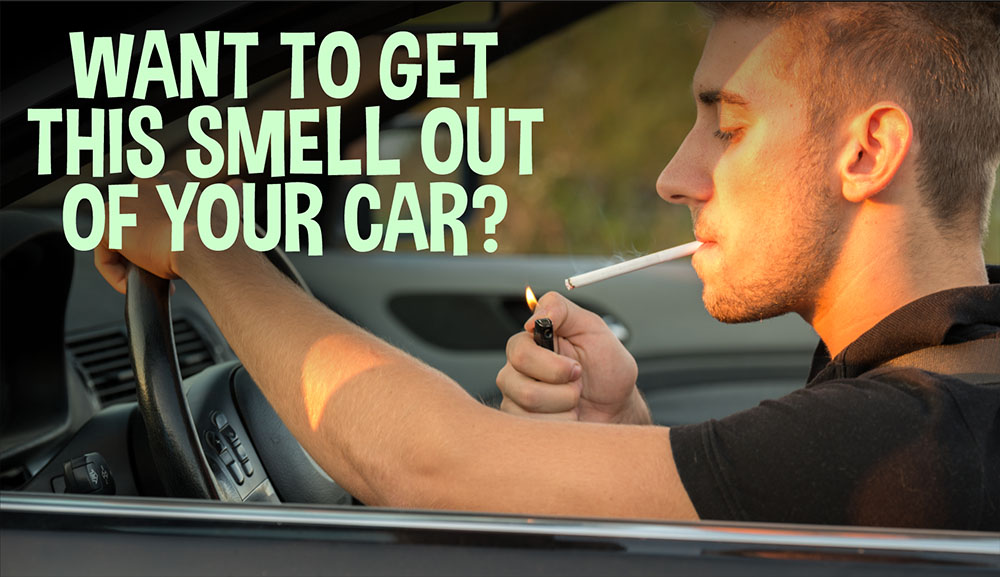
Image Source: b2274312.smushcdn.com
Fathoming the Persistence of Smoke Odors in Leather
Cigarette smoke is composed of thousands of chemicals, many of which are microscopic particles that readily adhere to surfaces. Leather, with its natural grain and pores, acts like a sponge, absorbing these odor-causing compounds. Over time, this absorption leads to a persistent and often unpleasant smell that is difficult to eradicate. The heat from the sun and the airflow within a car can further bake these odors into the leather, making them even more challenging to remove.
Step-by-Step Guide to Removing Cigarette Smell
Successfully tackling the cigarette smell requires patience and a systematic approach. We’ll cover various methods, from basic cleaning to more advanced techniques.
Initial Cleaning and Surface Preparation
Before diving into odor removal, a thorough initial cleaning is crucial. This removes loose particles and prepares the leather for deeper treatment.
1. Vacuum Thoroughly
- Purpose: To remove loose ash, tobacco particles, and dust that can contribute to the smell.
- Method: Use a vacuum cleaner with a brush attachment. Pay close attention to seams, crevices, and under the seats. A crevice tool is invaluable for reaching tight spots.
2. Wipe Down Surfaces
- Purpose: To remove surface grime and any visible residue.
- Method: Lightly dampen a clean microfiber cloth with distilled water. Wipe down all leather surfaces. Avoid soaking the leather.
Deep Cleaning the Leather
This is where the real work of extracting the odor begins. We’ll explore different cleaning agents and techniques.
Using a Dedicated Leather Cleaner
A high-quality leather cleaner is designed to gently lift dirt and grime without damaging the delicate leather surface.
- How it works: These cleaners often contain mild detergents that break down oils and embedded particles.
- Application:
- Test the cleaner in an inconspicuous area first to ensure it doesn’t discolor the leather.
- Apply a small amount of the leather cleaner to a clean microfiber cloth.
- Gently wipe the leather seats in sections, using circular motions.
- Use a separate, clean, damp microfiber cloth to wipe away any cleaner residue.
- Allow the leather to air dry completely.
The Power of Vinegar Solution
A vinegar solution can be surprisingly effective at neutralizing odors, including smoke.
- How it works: Vinegar is acidic and can break down the alkaline compounds in smoke that cause odors.
- Preparation: Mix equal parts white vinegar and distilled water in a spray bottle.
- Application:
- Lightly mist a section of the leather. Do not saturate.
- Gently wipe the area with a clean microfiber cloth.
- Follow up with a clean, damp cloth to remove the vinegar solution.
- Allow to air dry. The vinegar smell will dissipate as it dries.
Spot Cleaning with Upholstery Cleaner
While the focus is on leather, if you have fabric elements within the car that have absorbed smoke, an upholstery cleaner might be needed for those areas.
- Consideration: Ensure the upholstery cleaner is safe for automotive interiors.
- Application: Follow the product instructions carefully. Typically, you spray it on, gently agitate with a soft brush or cloth, and then blot dry.
Odor Elimination Techniques
Once the leather is clean, it’s time to tackle the embedded odors.
Harnessing the Absorbency of Baking Soda
Baking soda is a well-known natural odor absorber.
- How it works: Baking soda absorbs and neutralizes odor molecules.
- Application 1 (Sprinkle Method):
- Ensure the car interior is completely dry.
- Lightly sprinkle a generous amount of baking soda directly onto the leather seats.
- Allow it to sit for at least 24-48 hours.
- Vacuum the baking soda thoroughly using a brush attachment.
- Application 2 (Paste Method):
- Mix baking soda with a small amount of water to create a thick paste.
- Apply the paste to stained or heavily affected areas of the leather.
- Let it dry completely.
- Gently brush off the dried paste and then vacuum the residue.
Utilizing an Odor Eliminator
Specialized odor eliminator products are formulated to break down and neutralize smells rather than just masking them.
- Types: Look for products specifically designed for automotive interiors and leather. Some are sprays, while others are absorbents that can be left in the car.
- Application:
- Follow the product’s instructions precisely.
- Some sprays are applied directly to the leather (after testing), while others are meant to be sprayed into the air and allowed to settle.
- Ensure good ventilation when using these products.
Advanced Odor Removal Methods
For stubborn odors, more intensive methods might be necessary.
Steam Cleaning
Steam cleaning can be a powerful tool for deep cleaning and deodorizing.
- How it works: The heat and moisture from steam can help loosen embedded odor molecules and kill bacteria that might contribute to smell.
- Caution: When steam cleaning leather, it’s crucial to use a steamer designed for upholstery and to follow specific guidelines for leather.
- Temperature: Use a low to medium heat setting.
- Distance: Keep the steamer nozzle a safe distance from the leather (e.g., 6-10 inches).
- Movement: Move the steamer continuously to avoid overheating or oversaturating any one area.
- Drying: Immediately after steaming a section, wipe it dry with a clean microfiber cloth.
- Conditioning: After steam cleaning and drying, apply a leather conditioner to replenish moisture and protect the leather.
Ozone Generator Treatment
An ozone generator is one of the most effective methods for eliminating strong, persistent odors.
- How it works: Ozone (O3) is a highly reactive gas that breaks down odor-causing molecules at a molecular level. It essentially oxidizes the odor.
- Process:
- Preparation: Remove all people, pets, and plants from the vehicle. Ensure the interior is clean and dry.
- Placement: Place the ozone generator inside the car.
- Operation: Close all doors and windows, and run the generator for a specified time (usually a few hours, depending on the severity of the odor and the generator’s power).
- Ventilation: Crucially, after the treatment, the vehicle must be thoroughly ventilated for at least 2-3 hours (or longer) with all doors and windows open. Ozone is harmful to breathe.
- Final Wipe: After airing out, you might want to wipe down all surfaces with a damp cloth.
Post-Cleaning Care for Leather
After removing the smell, it’s vital to care for the leather to maintain its condition.
Applying Leather Conditioner
Leather conditioner is essential to replenish the natural oils in the leather that may have been stripped during the cleaning process.
- Benefits: It keeps the leather supple, prevents cracking, and protects it from future damage.
- Application:
- Ensure the leather is completely dry.
- Apply a small amount of leather conditioner to a clean microfiber applicator pad.
- Gently rub the conditioner into the leather in a thin, even layer, using circular motions.
- Allow the conditioner to penetrate for the time recommended on the product label.
- Buff off any excess conditioner with a clean, dry microfiber cloth.
Using a Fabric Refresher (for non-leather parts)
If you used an upholstery cleaner or notice any lingering smells on fabric components (carpets, headliner), a fabric refresher can be used.
- Application: Spray lightly into the air or directly onto fabric surfaces, following product instructions. Avoid oversaturating.
Addressing Persistent Odors: A Deeper Dive
Sometimes, the smoke smell is so deeply ingrained that a single cleaning session isn’t enough. Here’s how to approach those stubborn cases.
The Importance of a Deep Clean
A deep clean involves more than just surface wiping. It targets the pores and underlying layers of the leather.
- Multi-Pass Cleaning: You may need to repeat the leather cleaner or vinegar solution steps multiple times. Allow the leather to dry completely between each cleaning session.
- Targeting Seams: Smoke particles often accumulate in the stitching and seams. Use a soft brush (like an old toothbrush) dipped in your cleaning solution to gently agitate these areas before wiping them clean.
Re-applying Odor Absorbers
If the initial baking soda treatment didn’t fully work, consider a longer application or using multiple absorbents.
- Activated Charcoal: Activated charcoal bags or containers are excellent at absorbing odors from the air. Place several throughout the car for a week or more.
- Coffee Grounds: While they impart their own scent, dry, unused coffee grounds in open containers can absorb strong odors. Ensure they are not spilled, as coffee can stain.
Professional Detailing Services
If DIY methods fail to completely eliminate the cigarette smell, professional detailing services offer more advanced solutions.
- Enzyme Cleaners: Professionals often use enzyme-based cleaners that break down organic odor compounds.
- Ozone Treatment: Most professional detailers offer ozone generator treatments, which are highly effective for severe smoke damage.
- Dry Cleaning: Some may use specialized dry cleaning methods for specific interior components.
Factors Influencing Odor Removal Success
Several factors can impact how easily you can get rid of cigarette smell:
- Duration of Smoking: The longer the car has been exposed to smoke, the deeper the odor will be embedded.
- Intensity of Smoking: How often and how much the car was smoked in makes a significant difference.
- Leather Type: While most leather will absorb odors, the finish and type of leather might influence the ease of removal.
- Ventilation: How well the car was ventilated during and after smoking can play a role.
Preventing Future Odor Infusion
Once you’ve successfully removed the smell, take steps to prevent it from returning.
- No Smoking Policy: The most effective prevention is to enforce a strict no-smoking rule within the vehicle.
- Ventilation: If smoking is unavoidable outside the vehicle, open doors and windows as much as possible afterward to air it out.
- Regular Cleaning: Periodically clean your leather seats with a quality leather cleaner and apply a leather conditioner to keep them in good condition and less prone to absorbing odors.
Frequently Asked Questions (FAQ)
Can I use household cleaners on leather car seats?
It’s generally not recommended to use generic household cleaners on leather car seats. Many contain harsh chemicals that can strip the leather’s natural oils, leading to dryness, cracking, and discoloration. Always opt for products specifically designed for automotive leather care, such as a dedicated leather cleaner.
How often should I condition my leather car seats?
You should condition your leather car seats every 3-6 months, or more frequently if you live in a very dry climate or if the leather appears dry. Conditioning helps maintain its suppleness and protects it from the elements.
Will the vinegar smell linger after cleaning?
The smell of vinegar is quite strong, but it is temporary. As the vinegar dries and evaporates, the smell will dissipate. Always follow up with a damp cloth wipe and allow the car to air out properly.
Is steam cleaning safe for all types of leather?
While steam cleaning can be effective, it must be done with caution. Overheating or oversaturating the leather can cause damage. Always use a low-heat setting, keep the steamer moving, and immediately dry the area. If you are unsure, it’s best to consult a professional detailer.
How long does an ozone treatment take?
The duration of an ozone treatment varies depending on the size of the vehicle and the severity of the odor. Typically, it can range from 2 to 8 hours, followed by a mandatory ventilation period of several hours to ensure the ozone dissipates safely.
By following these comprehensive steps, you can effectively tackle and remove even the most stubborn cigarette smells from your leather car seats, restoring a fresh and inviting interior to your vehicle. Remember, patience and the right products are key to achieving the best results.