
A typical 2 car garage door weighs between 140 to 350 pounds. This weight is a crucial factor when considering garage door openers, springs, and manual operation.
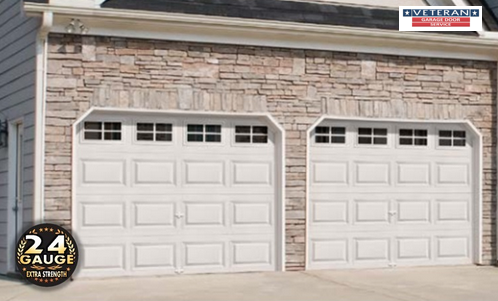
Image Source: veterangaragedoor.com
Fathoming Garage Door Weight: What You Need to Know
When you think about your garage door, you probably picture its smooth, silent operation. But behind that convenience is a significant amount of weight. Knowing the garage door weight is vital for proper installation, maintenance, and safety. This guide will break down how much a 2 car garage door typically weighs, what influences that weight, and why it matters.
The Factors Shaping Garage Door Weight
Several elements contribute to the overall mass of a 2 car garage door. These aren’t one-size-fits-all, which is why there’s a range rather than a single number.
Material Matters: A Look at Common Door Types
The material a garage door is made from is the biggest determinant of its weight.
- Steel Garage Doors: Steel is a popular choice for its durability and security. However, it’s also a heavier material. A single steel garage door weight can range from 150 to 350 pounds for a standard 2 car size. These doors often have multiple panels. The thickness of the steel and whether it’s single or double-layer steel will affect the final weight.
- Aluminum Garage Doors: Aluminum offers a lighter alternative to steel. It’s also resistant to rust and corrosion, making it a good option for coastal areas. The aluminum garage door weight typically falls between 120 to 250 pounds for a 2 car door. While lighter, aluminum can be more susceptible to dents than steel.
- Wood Garage Doors: Traditionally, wood garage doors are beautiful but also quite heavy. The type of wood (e.g., cedar, fir, oak) and the thickness of the panels significantly impact the weight. A solid wood 2 car garage door can easily weigh between 200 to 400 pounds or even more. Wood doors also require more maintenance.
- Composite/Vinyl Garage Doors: These doors often mimic the look of wood but are made from composite materials or vinyl. They are generally lighter than solid wood but can be heavier than aluminum. The garage door panel weight in these materials can vary, but a 2 car door might weigh between 130 to 280 pounds.
Insulation: Adding Bulk and Benefits
Many modern garage doors feature insulation. This adds to the overall weight but also provides significant benefits.
- Insulated Garage Door Weight: An insulated garage door weight will naturally be higher than its non-insulated counterpart. Insulation, often made of polystyrene or polyurethane foam, is sandwiched between layers of material (like steel or aluminum). This can add anywhere from 20 to 50 pounds or more to the door’s total weight. The type and density of the insulation play a role here.
Deciphering Sectional Garage Doors: The Usual Suspect
The vast majority of residential garage doors are sectional garage door weight types. These are made of multiple horizontal panels that bend as the door opens and closes, rolling up along tracks.
- Panel Weight: Each garage door panel weight contributes to the overall load. For a standard 2 car garage door (typically 16 feet wide by 7 or 8 feet tall), there are usually four to five panels. The weight is distributed across these panels, but when the door is fully open, the entire weight is supported by the tracks and spring system.
The Weight Spectrum: A Detailed Breakdown
Let’s put some typical weights into perspective.
| Door Material | Typical 2 Car Garage Door Weight (lbs) | Notes |
|---|---|---|
| Steel (single layer) | 150 – 250 | Lighter steel, can be less durable. |
| Steel (double layer) | 200 – 350 | More robust, better insulation potential. |
| Aluminum | 120 – 250 | Lighter, rust-resistant, good for humid climates. |
| Wood (solid) | 250 – 400+ | Heavier, requires regular maintenance. |
| Composite/Vinyl | 130 – 280 | Mimics wood, lighter than solid wood, durable. |
| Insulated Steel/Alum. | Add 20 – 50+ lbs to base material | Improves energy efficiency, adds to weight. |
It’s important to remember that these are typical weights. Custom-sized doors, doors with decorative elements, or those made with thicker materials will deviate from these averages.
Why Does Garage Door Weight Matter So Much?
The weight of your garage door is not just a number; it directly impacts the performance and lifespan of your entire garage door system.
The Role of Torsion Springs
Torsion spring weight capacity is directly tied to the garage door’s weight. Torsion springs are the heavy-duty coils mounted above the garage door that store and release energy to counterbalance the door’s weight.
- Matching Springs to Weight: For every garage door, there’s a specific torsion spring weight capacity requirement. If the springs are too weak for the door’s weight, they will fail prematurely, and the door will feel incredibly heavy to lift manually. If they are too strong, they can cause undue stress on other components and make the door difficult to balance. Professional installers meticulously calculate the necessary spring capacity based on the door’s exact weight.
Garage Door Openers: Handling the Load
The weight of the garage door is also a primary consideration when selecting a garage door opener weight limits.
- Opener Horsepower: Garage door openers are rated by horsepower (HP). For a typical 2 car garage door, a 1/2 HP or 3/4 HP opener is usually recommended. A heavier door will require a more powerful opener to lift and lower it smoothly and efficiently.
- Overloading the Opener: Exceeding the garage door opener weight limits can lead to motor burnout, stripped gears, or the opener struggling to operate. This can result in costly repairs and a shortened lifespan for the opener. Always check the manufacturer’s specifications for the opener’s maximum lifting capacity.
Manual Lifting and Safety
Even without an opener, the weight of the door is a critical safety factor.
- Ease of Operation: A properly balanced garage door should feel relatively light when lifted manually, typically requiring only about 10 pounds of force to lift. If your 2 car garage door lifting feels excessively heavy, it’s a strong indicator that the torsion springs are not functioning correctly or are improperly sized for the door’s weight.
- Risk of Injury: A heavy, unbalanced door can be dangerous. If the springs fail completely, the door can drop suddenly and with great force, posing a serious risk of injury or damage. Regular maintenance and inspection of the spring system are crucial.
Calculating Your Garage Door’s Weight
While you can find general ranges online, knowing your specific door’s weight is best for accurate opener selection and maintenance.
Methods for Estimation
- Check Manufacturer Specifications: If you know the brand and model of your garage door, you can often find its weight specifications on the manufacturer’s website or in the installation manual.
- Weigh a Single Panel: This is a more hands-on approach. If you have an older door or can safely remove one panel (with the door securely propped open, of course!), you could potentially weigh it. However, this is generally not recommended for DIYers due to safety concerns.
- Professional Assessment: The most reliable way to know your door’s precise weight is to have a qualified garage door technician measure and weigh it during a service call. They have the tools and expertise to do this safely.
The Importance of Precise Weight
When buying a new garage door opener, the manual will often list compatible door weights. Providing the exact weight ensures you get an opener that’s neither underpowered nor overpowered. Similarly, when replacing torsion springs, the technician will need the precise door weight to order springs with the correct torsion spring weight capacity.
Common Issues Related to Garage Door Weight
Ignoring the weight of your garage door can lead to several problems.
Opener Strain and Failure
- Straining Motor: An opener that’s too weak for the door will constantly strain, leading to overheating and premature motor failure.
- Chain/Belt Wear: The chain or belt drive system can stretch or break under excessive load.
- Opener Head Damage: Internal gears and components within the opener head can strip or break.
Spring System Problems
- Broken Springs: Springs that are consistently overloaded or underloaded will have a reduced lifespan and are more prone to snapping.
- Unbalanced Door: If springs are not matched to the door’s weight, the door will feel heavy or too light when manually operated.
- Track Damage: An unbalanced door can put sideways stress on the tracks, leading to bending or detachment.
Manual Operation Difficulties
- Heavy Lifting: If your door is hard to lift manually, it’s a clear sign of a problem, often with the springs.
- Door Slipping: An improperly balanced door might not stay open on its own, posing a safety hazard.
Maintaining Your Garage Door System
Regular maintenance is key to ensuring your garage door operates safely and efficiently, regardless of its weight.
What to Check Regularly
- Springs: Inspect torsion springs and extension springs for signs of wear, rust, or breakage.
- Cables: Check lifting cables for fraying or damage.
- Rollers: Ensure rollers are turning smoothly and are not damaged.
- Tracks: Keep tracks clean and aligned.
- Opener: Listen for unusual noises and ensure smooth operation.
- Balance Test: Manually lift the door (when the opener is disengaged). It should stay in place when halfway open. If it slams down or flies up, the springs need adjustment or replacement.
When to Call a Professional
- Spring Replacement: Garage door springs are under immense tension and can cause serious injury if handled improperly. Always have them replaced by a professional.
- Opener Repair: If your opener is struggling or malfunctioning, a technician can diagnose and fix the issue.
- Door Balance Issues: If the balance test fails, a professional can adjust or replace the springs.
Conclusion: The Weight of Importance
The garage door weight of your 2 car garage is a fundamental aspect of its design and operation. From the materials it’s made from to the insulation it contains, every factor contributes to its overall heft. This weight dictates the garage door opener weight limits you should consider, the necessary torsion spring weight capacity, and the general ease of 2 car garage door lifting.
By understanding the typical weights associated with different types of doors – whether it’s the robust steel garage door weight, the lighter aluminum garage door weight, the classic wood garage door weight, or the versatile composite/vinyl garage door weight – you can make informed decisions about installation, maintenance, and repairs. Always remember that a properly balanced and serviced garage door is a safe and efficient one. When in doubt, consult with a qualified garage door professional.
Frequently Asked Questions (FAQ)
Q1: Can I replace my garage door with a lighter one without changing the opener?
A1: It depends. If the new door is significantly lighter, your current opener might work fine, but it will strain less. However, if you are replacing a lighter door with a heavier one, you will almost certainly need a stronger opener. It’s always best to check the garage door opener weight limits against the new door’s weight.
Q2: What happens if my garage door opener is too powerful for the door?
A2: While it’s less common than an opener being too weak, an overpowered opener can still cause issues. It might operate too quickly, leading to jerky movements or damage to the door’s panels or track system. It can also be overly sensitive to safety obstructions. The goal is a balanced system.
Q3: How often should I have my garage door’s springs checked?
A3: It’s recommended to have your springs inspected annually by a professional. They can assess wear and tear and determine if they are still within their torsion spring weight capacity for your door.
Q4: Is an insulated garage door much heavier than a non-insulated one?
A4: Yes, an insulated garage door weight will be higher than its non-insulated counterpart. The insulation adds material and thickness, increasing the overall weight by an average of 20-50 pounds or more, depending on the insulation type and density.
Q5: If my door is hard to lift manually, does that mean the springs are bad?
A5: It usually indicates an issue with the spring system. The springs are designed to counterbalance the garage door weight so it’s easy to lift. If it’s heavy, the springs may be broken, weakened, or improperly adjusted. This is a critical safety issue that requires immediate professional attention.