
Yes, you can generally get a car wash when it’s cold, but there are important considerations and precautions to take to avoid potential problems. While the temptation to skip washing your car during winter might be strong, regular cleaning is actually crucial for its longevity and performance in harsh conditions. This article will delve into the nuances of a cold weather car wash, exploring when it’s safe, what to watch out for, and how to ensure your vehicle gets the care it needs, even when the mercury drops.
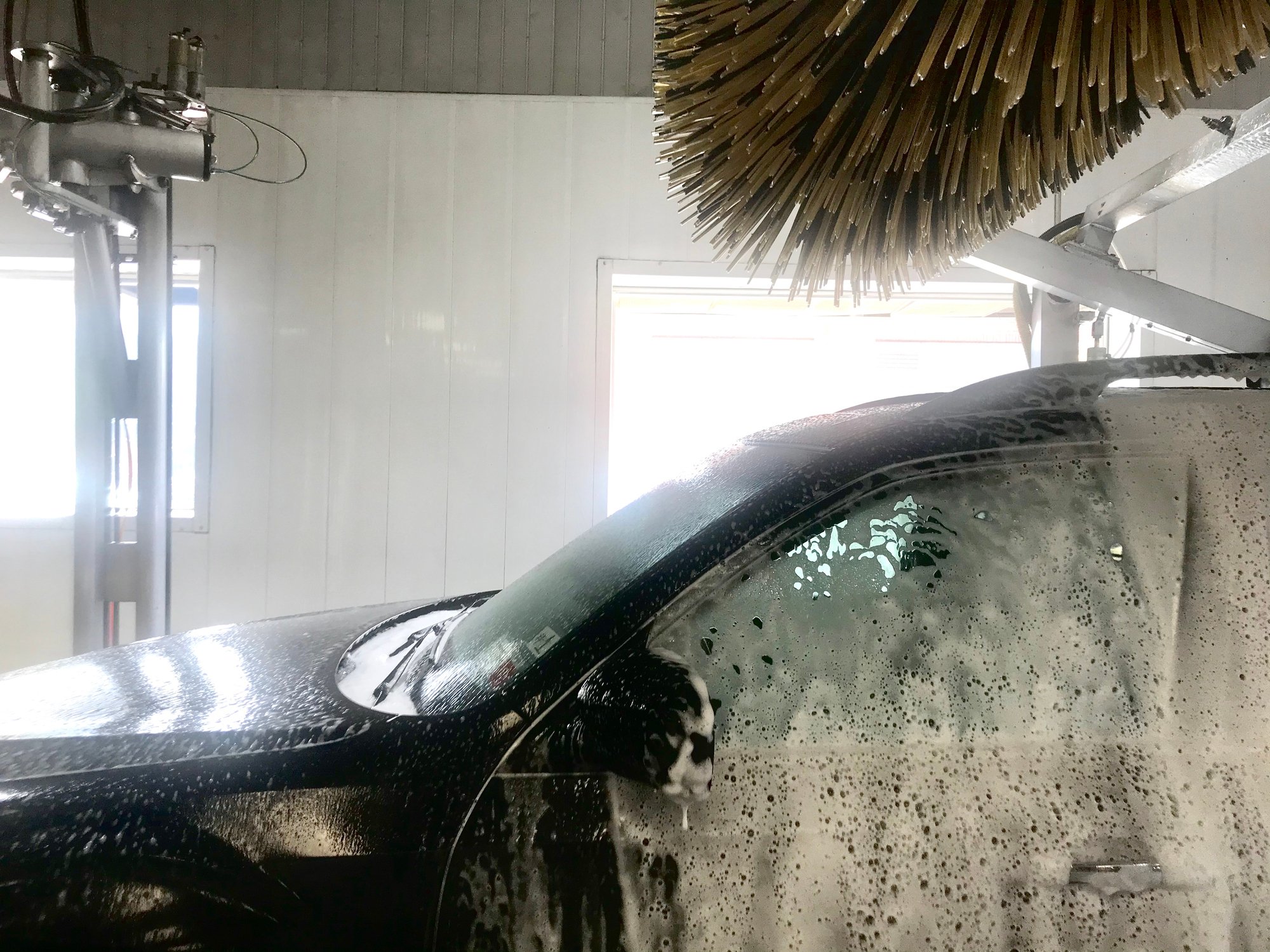
Image Source: www.thesilverlining.com
Why Washing Your Car in Winter Matters
Many car owners believe that a snowy or icy landscape makes washing their vehicle a futile effort. However, winter car care goes beyond just aesthetics. Road salt, sand, de-icing chemicals, and general grime can wreak havoc on your car’s paint, undercarriage, and various mechanical components if left to accumulate.
The Grimy Truth of Winter Roads
- Salt and Chemicals: The salt and chemical de-icers used on roads are highly corrosive. When they stick to your car, they can eat away at the paint, leading to rust and corrosion, especially on the body panels and undercarriage.
- Sand and Grit: While salt helps melt ice, sand is often used for traction. This sand, along with other road debris, can scratch your paintwork, particularly if it’s left to dry and harden on the surface.
- Mud and Slush: As snow melts and refreezes, it often mixes with dirt and grime, creating a thick layer of slush and mud that coats your vehicle. This can clog drainage points and trap moisture, contributing to rust.
Protecting Your Investment
A regular winter car wash can significantly extend the life of your vehicle and prevent costly repairs down the line. By removing these harmful contaminants, you’re actively protecting your car’s resale value and its structural integrity.
When Can You Actually Get A Car Wash in Cold Weather?
The primary concern with a car wash in winter revolves around the risk of freezing. Water is essential for cleaning, but if it freezes on your car, it can cause a multitude of problems.
The Freezing Point Factor
The general rule of thumb is to avoid washing your car when the ambient temperature is at or below freezing (32°F or 0°C) for an extended period. This is because any water left on the vehicle can freeze, potentially:
- Freezing Door Locks and Handles: Water trapped in locks or around handles can freeze, making it impossible to open your car.
- Causing Door Seals to Stick: The rubber seals around doors can freeze shut, and trying to force them open can tear them.
- Damaging Wipers and Washer Nozzles: Water can freeze in the mechanisms of your windshield wipers or clog the washer fluid nozzles.
- Trapping Water in Cracks and Crevices: Ice formation can expand and damage paint or trim.
Ideal Temperature Ranges
- Above Freezing: The safest bet is to wash your car when the temperature is consistently above 32°F (0°C).
- Warmer Days: Even if the overnight low is below freezing, a sunny afternoon where temperatures rise into the 40s or 50s (4-10°C) can be a good window for a car wash.
Types of Car Washes and Their Cold Weather Suitability
Not all car washes are created equal, especially when it comes to cold weather.
Automatic Car Washes
Automatic car washes, particularly the touchless variety, can be a convenient option during winter.
- Pros:
- Speed: They are quick and efficient, minimizing your exposure to the cold.
- High-Pressure Water: Often use high-pressure jets that can effectively remove salt and grime.
- Built-in Drying Systems: Most have powerful blowers that attempt to dry the car quickly.
- Cons:
- Potential for Freezing: If the equipment or the water temperature isn’t managed properly, there’s still a risk of freezing.
- Incomplete Cleaning: They may not reach all nooks and crannies, leaving salt residue in hidden areas.
- Brush Damage: Cars with older or damaged paint can be scratched by abrasive brushes.
Self-Service Car Wash Bays
Self-service bays offer more control but require more effort.
- Pros:
- Targeted Cleaning: You can focus on areas prone to salt and grime build-up, like the wheel wells and undercarriage.
- Control Over Water Pressure: You decide how to use the high-pressure wand.
- Cons:
- Exposure to Cold: You’ll be spending more time outdoors, increasing your exposure to low temperatures.
- Water Splashing: Water can splash onto you and the surrounding areas, potentially creating icy patches.
- Equipment Limitations: The water pressure and temperature might not be ideal.
Hand Washing at Home
Washing your car by hand at home in freezing temperatures is generally not recommended.
- Pros:
- Thoroughness: You can meticulously clean every part of your car.
- Cons:
- High Freezing Risk: Water will inevitably freeze on your car, your equipment, and the surrounding surfaces.
- Exposure to Extreme Cold: You’ll be standing outside for a prolonged period, risking frostbite and hypothermia.
- Water Runoff Issues: The water can create hazardous ice slicks on your driveway and sidewalk.
Navigating Freezing Temperatures Car Wash Challenges
When the temperature is hovering around or just above freezing, extra caution is necessary.
The Challenge of Frozen Car Wash Scenarios
A frozen car wash situation arises when water freezes before it can be properly removed from the vehicle. This can happen if:
- The car wash itself doesn’t have adequate heating for the water or the facility.
- You don’t dry your car thoroughly after a wash in near-freezing conditions.
- The ambient temperature drops significantly immediately after washing.
Precautions for Near-Freezing Washes
If you must wash your car when it’s cold, consider these steps:
- Choose the Warmer Part of the Day: Aim for midday when the sun is highest and temperatures are likely to be at their peak.
- Opt for Touchless Washes: These minimize contact with brushes that can hold onto water.
- Ensure a Thorough Dry: If you’re hand-drying or using a self-service bay, dry the car as much as possible. Pay attention to door jambs, locks, mirrors, and window seals. Use microfiber towels for best results.
- Use a Car Dryer or Blower: If available, a leaf blower or a dedicated car dryer can help remove residual water.
- Lubricate Locks: After washing, apply a silicone spray or graphite lubricant to your door locks to prevent them from freezing.
- Avoid Washing the Undercarriage with High-Pressure Water Only: While it removes salt, it can also drive water into areas that might not drain well, leading to freezing.
Best Time for a Car Wash in Winter
Determining the best time for a car wash in winter involves a bit of planning and monitoring the weather.
Seasonal Considerations
- Early Winter: Before the extreme cold sets in, give your car a good wash and wax to protect the paint.
- Mid-Winter: Focus on removing salt and grime. Choose warmer days and be extra diligent with drying.
- Late Winter/Early Spring: As the snow starts to melt and the weather improves, it’s a good time for a more thorough clean to remove the build-up of winter road treatments.
Weather Watch
- Temperature Fluctuations: Keep an eye on the forecast. A day with a high of 40°F (4°C) followed by a clear night with temperatures dipping to 30°F (-1°C) might still pose a risk. It’s better to wait for a period where temperatures will remain above freezing for at least 12-24 hours post-wash.
- Avoid Snowy or Icy Days: If it’s actively snowing or icy, it’s generally best to postpone the wash.
Washing Car in Cold: Specific Techniques and Tips
When you’re washing car in cold conditions, your approach needs to be more strategic.
Undercarriage Cleaning is Key
The undercarriage is the most vulnerable part of your car to salt and corrosion. Many automatic car washes offer an undercarriage spray, which is highly beneficial. If you’re using a self-service bay, make sure to use the high-pressure wand to thoroughly spray the undercarriage, wheel wells, and frame rails.
Door Seals and Locks
- Door Seals: After washing and drying, you can apply a silicone spray or rubber protectant to your door seals. This creates a barrier that helps prevent them from freezing to the car body.
- Door Locks: Use a lock lubricant (like graphite-based or silicone spray) to ensure your locks don’t freeze.
Mirrors and Wiper Blades
- Mirrors: Ensure your side mirrors are dry. Sometimes, they can collect water that might freeze.
- Wiper Blades: Lift your wiper blades off the windshield when not in use, especially during freezing conditions, to prevent them from freezing to the glass.
Car Wash Safety in Cold Weather
Car wash safety in cold extends to both your vehicle and yourself.
Personal Safety
- Dress Appropriately: If you’re going to a self-service wash, wear warm, waterproof clothing, gloves, and a hat.
- Watch Your Step: Surfaces around car washes can become icy and slippery. Be mindful of your footing.
- Avoid Overexposure: Don’t spend more time than necessary in the cold.
Vehicle Safety
- Listen for Unusual Noises: After a wash in freezing temperatures, listen for any creaking or grinding sounds that might indicate ice build-up in moving parts.
- Check Door Operation: Ensure your doors open and close smoothly after the wash.
Driving in Snow Car Wash Considerations
If you’ve been driving in snow, your car is likely coated in salt, sand, and grime. A wash is essential.
Post-Snow Wash Strategy
- Prioritize Undercarriage: The salt from melting snow is particularly damaging. Focus on removing this.
- Gentle Drying: Avoid aggressively rubbing the car if there’s any remaining frost or ice. Use blotting motions with clean microfiber towels.
What About a Frozen Car Wash?
If you arrive at a car wash and find the equipment frozen or the water is too cold, it’s best to turn back. Forcing a wash under these conditions is a recipe for disaster.
Recognizing a Risky Situation
- Frozen Equipment: If the spray nozzles or brushes appear frozen, it’s a clear sign to avoid it.
- Extremely Cold Water: If the water coming out feels frigid, even if it’s technically above freezing, it might still cause issues.
Alternatives When Stuck
If you find yourself in a situation where a proper wash isn’t possible due to freezing:
- Wipe Down Critical Areas: Use a damp cloth (not soaking wet) to wipe away immediate salt build-up from door handles, locks, and mirrors.
- Wait for Warmer Conditions: The best solution is often patience.
Common Scenarios and Solutions
Let’s address some typical questions about cold weather car washes.
Scenario 1: It’s 35°F (1.7°C) and Sunny. Can I Wash My Car?
Yes, this is generally a good temperature for washing your car. As long as the temperature is expected to stay above freezing for a few hours after the wash, and you ensure your car is dried properly, you should be fine.
Scenario 2: It’s 28°F (-2.2°C) but I Just Drove Through Heavy Road Salt. What Should I Do?
This is a tricky situation. While you want to remove the salt, the risk of freezing is high.
- Best Option: Find a heated, indoor automatic car wash if one is available. These facilities often have better temperature control.
- Second Best: Go to a self-service wash during the warmest part of the day, focus on a quick rinse to remove the bulk of the salt, especially from the undercarriage, and then dry the car thoroughly. Pay special attention to door seals and locks. If possible, have someone else dry while you operate the controls.
Scenario 3: My Car Wash App Says the Water Temperature is 40°F (4°C), but it’s 30°F (-1°C) Outside. Is It Safe?
Yes, if the car wash facility heats its water, it can be safe. The key is that the water used for washing is not freezing, and the car is dried effectively. The internal temperature of the car wash bay might be warmer than the outside, further reducing risk.
Frequently Asked Questions (FAQ)
Q1: Can I wash my car if the temperature is below freezing?
It is generally not recommended to wash your car if the temperature is consistently below freezing (32°F or 0°C) due to the risk of water freezing on your vehicle, causing damage to locks, doors, and paint. However, if the temperature is just slightly above freezing and you dry your car thoroughly, it can be manageable.
Q2: What is the safest temperature for a cold weather car wash?
The safest temperature for a cold weather car wash is when the ambient temperature is consistently above 32°F (0°C). Warmer days, even if the night is cold, are preferable for washing.
Q3: How do I prevent my car doors from freezing shut after a wash in winter?
After washing your car in cold weather, thoroughly dry all door seals and jambs with a microfiber towel. Applying a silicone spray or rubber protectant to the seals can create a barrier against freezing. Also, use a lubricant in your door locks.
Q4: What are the risks of washing my car in freezing temperatures?
The main risks include water freezing in door locks and handles, causing them to seize. Door seals can freeze to the car body, potentially tearing if forced open. Water can also freeze in the wiper mechanism or washer nozzles, and ice expansion can damage paint.
Q5: Is an automatic car wash safer than a self-service wash in winter?
Automatic car washes, especially touchless ones, can be quicker and may have better drying systems, potentially reducing the risk of water being left on the car. However, self-service washes allow you to focus on critical areas like the undercarriage and to dry the car more thoroughly yourself if you take the necessary precautions.
Q6: What are the benefits of a winter car wash?
A winter car wash is crucial for removing corrosive road salt, sand, and de-icing chemicals that can damage your car’s paint, undercarriage, and accelerate rust formation. Regular cleaning protects your vehicle’s longevity and resale value.
Q7: What should I do if my car wash is frozen?
If the car wash equipment or water is frozen, it’s best to find an alternative or wait for warmer conditions. Attempting to wash your car with frozen equipment or freezing water will likely cause more harm than good.
Q8: Is it safe to wash my car after driving in snow?
Yes, it’s highly recommended to wash your car after driving in snow to remove accumulated road salt and grime that can damage your vehicle. Just be sure to do so when temperatures are favorable and dry your car thoroughly.
Q9: What is the best way to dry my car after a winter wash?
Use clean, absorbent microfiber towels to blot and dry the vehicle. Pay extra attention to door jambs, mirrors, window seals, and around locks. If possible, use a car dryer or leaf blower to remove residual water from crevices.
Q10: Can I still get my car washed if it’s 30°F (-1°C)?
While possible, it requires extreme caution. Aim for the warmest part of the day, opt for a touchless wash, and dry your car meticulously. Ensure all potential water-trapping areas are completely dry. If there’s any doubt, it’s better to wait.
By following these guidelines, you can ensure your vehicle stays clean and protected, even when the weather outside is frightful. A little extra care during winter can save you a lot of trouble and expense in the long run.