
Can you sell a car without a title? Yes, you can, but it’s often a more complicated process. This guide will help you navigate selling a car with no title, whether it’s a complete vehicle, a junk car, a scrap car, a car with a lost title, a car with a damaged title, a vehicle without ownership papers, or even an abandoned car. We’ll cover titleless car disposal, selling a salvage car without a title, and how to donate a car without a title.
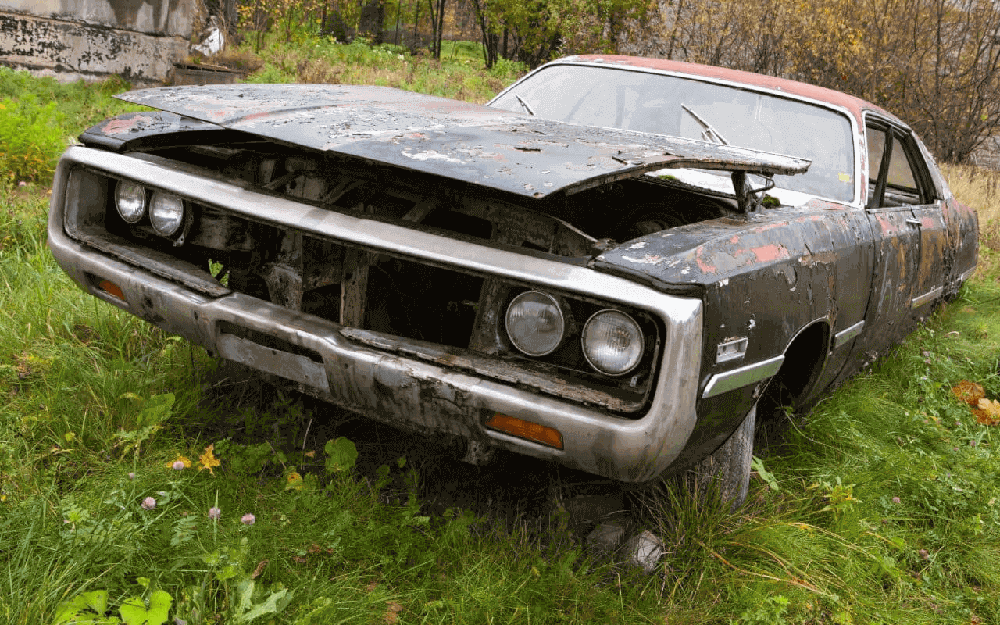
Image Source: www.vinaudit.com
Why Titles Matter
A car title, often called a “pink slip” or “title deed,” is proof of ownership. It’s a legal document that shows who legally owns the vehicle. It contains vital information like the vehicle identification number (VIN), make, model, year, and the owner’s name and address. Without a title, it’s challenging to prove you own the car, which makes selling it difficult. Lenders often hold the title until a loan is fully repaid.
When You Might Not Have a Title
There are several common situations where you might find yourself with a car but no title:
- Lost Title: This is one of the most frequent scenarios. You simply misplaced the physical title document.
- Damaged Title: The title might be torn, faded, or otherwise damaged to the point where it’s illegible or unusable.
- Inherited Vehicle: You may have inherited a car from a family member, but they didn’t transfer the title properly before their passing.
- Bought a Car Without a Title: In rare cases, someone might have sold you a vehicle without providing the title, which is a red flag.
- Salvage Title: If the car has been declared a total loss by an insurance company, it might have a salvage title, which has specific regulations for sale.
- Abandoned Vehicle: You might have an old car on your property that has been sitting for years, and the original title is long gone.
Steps to Sell a Car Without a Title
Selling a car without a title requires extra effort to ensure the transaction is legal and smooth for both parties. Here’s a breakdown of what you need to do.
1. Check if the Title is Truly Gone
Before you start the replacement process, do one last thorough search for the title. Look in all the usual places: filing cabinets, glove compartments, safety deposit boxes, and any place you might have stored important documents. Sometimes, a quick check can save you a lot of time and effort.
2. Obtain a Duplicate Title
This is the most crucial step. You will need to apply for a duplicate title from your state’s Department of Motor Vehicles (DMV) or equivalent agency. The exact process varies by state, but generally involves these steps:
- Gather Necessary Documents: You’ll likely need your driver’s license, proof of insurance, the car’s VIN, and possibly a bill of sale if you purchased the car but never received the title.
- Fill Out the Application: Most states have a specific form for applying for a duplicate title. You can usually download this from the DMV website.
- Pay the Fee: There will be a fee for a duplicate title. The amount varies by state.
- Wait for Processing: It can take several weeks for the DMV to process your application and mail you the new title.
Example of State DMV Requirements (Illustrative – Always check your specific state):
| State | Common Requirements for Duplicate Title | Estimated Processing Time |
|---|---|---|
| California | Application for Duplicate or Transfer of Title (REG 227), VIN verification | 4-6 weeks |
| Texas | Application for a Certified Copy of Title (Form VTR-398), ID, VIN inspection | 3-5 weeks |
| New York | Application for Duplicate Title Certificate (MV-38), proof of ownership | 2-4 weeks |
| Florida | Application for Duplicate Title (HSMV 82063), photo ID, proof of ownership | 3-5 weeks |
Tip: If the car is a junk car or scrap car no title, sometimes the process can be slightly different, or there might be specific regulations for disposal without a title, but obtaining a replacement title is usually the most legitimate route.
3. If You Can’t Get a Duplicate Title: Alternative Options
Sometimes, getting a duplicate title isn’t feasible. This can happen if you bought a car without a title from someone who wasn’t the legal owner, or if the vehicle is very old and records are unavailable. In these situations, you have limited, but still possible, options for titleless car disposal.
Selling a Car Without a Title (When Duplicate is Impossible)
This is where things get tricky. Selling a car without title can be difficult and legally ambiguous.
- Scrap Yards and Auto Recyclers: Many scrap yards will buy cars for parts or scrap metal, even without a title. They typically require proof of ownership, such as a bill of sale, your ID, and sometimes a VIN verification or an affidavit stating how you came to possess the vehicle. They are accustomed to dealing with vehicles that have lost their titles.
- Private Sale (with Caveats): You can try to sell it privately, but you must be upfront and honest with the buyer about the lack of a title. Many buyers will be hesitant due to the hassle of obtaining a title themselves. You might have to sell it for significantly less than its market value. A detailed bill of sale is essential, clearly stating the vehicle’s condition and that the title is missing.
- Vehicle Identification Number (VIN) Trace: Some states offer services where they can trace the VIN. If you can prove legitimate ownership through other means (like old registration documents, insurance records, or a detailed bill of sale), you might be able to get a bonded title.
The Bonded Title Process
A bonded title (also known as a “certificate of title notwithstanding”). This is a way to get a legal title for a vehicle when you don’t have the original. It involves purchasing a surety bond.
- What is a Surety Bond? A surety bond is a contract between three parties: the surety company (who issues the bond), the obligee (usually the state DMV), and the principal (you). The bond protects the state and potential future owners from any claims against the vehicle’s title.
- How it Works: You apply for a bonded title through your state DMV. They will assess your situation and may require you to obtain a surety bond for an amount typically equal to the vehicle’s value. If approved, you’ll get a title that is “branded” as a bonded title.
- Conditions: The bond is usually valid for a specific period (e.g., 3-5 years). If no one else claims ownership of the vehicle during that time, you can then apply for a clear title. If someone does claim ownership, the surety company might pay them, and you would then have to deal with the bond issuer.
This process is more common for vehicles where the title was lost, stolen, or destroyed, but can sometimes apply to situations involving vehicles without ownership papers.
4. Selling a Salvage Car No Title
If you have a selling salvage car no title, the situation is similar to selling a car with a lost title. Insurance companies often declare vehicles salvage after a major accident. The title is usually branded as “salvage.”
- Salvage Title Regulations: Be aware that selling a salvage vehicle has specific rules. You must disclose its salvage status to the buyer. In some states, a salvage vehicle must be rebuilt and inspected before it can be legally driven on the road again.
- Scrap Yards are Key: Again, scrap yards are often the easiest route for salvage cars, especially if the title is missing or the car is in very poor condition. They buy these cars for their metal content or usable parts.
5. Donating a Car Without a Title
Donate car no title can be challenging for charities. Most reputable charities require a clear title to process a vehicle donation.
- Contact the Charity First: Before you plan to donate, call the charity and explain your situation. Some might accept vehicles without a title if you can provide a bill of sale and proof of ownership, especially if they have a process for obtaining duplicate titles themselves.
- Consider a Paid Pickup Service: There are services that specialize in picking up unwanted cars. Some might buy cars even without a title, or they might facilitate the donation process for you, taking on the title-related paperwork.
6. Selling an Abandoned Car No Title
If you have an abandoned car no title on your property, the process often involves legal steps to establish ownership or declare it abandoned.
- Check Local Ordinances: Your city or county may have specific procedures for dealing with abandoned vehicles. This might involve notifying the previous owner (if known) and the DMV.
- Lien Sale: If the car was left on your property by someone else, you might be able to pursue a lien sale, which is a legal process to sell a vehicle to recover costs. This usually requires court involvement.
- Junking the Car: The simplest solution for an abandoned car with no title is often to take it to a scrap yard. They will likely need your ID and proof that the car has been on your property for a certain period, possibly with a sworn statement.
Selling Your Car Without a Title: Different Buyer Types
When you’re selling a car without a title, who you sell it to can significantly impact the process and the price you get.
Junk Yards and Auto Recyclers
- Pros: These buyers are often the most accommodating when you have a car with no title, especially if it’s a junk car or scrap car. They primarily buy based on the weight of the metal or the usable parts. They are used to dealing with title issues and often handle the paperwork for disposal.
- Cons: You will get the lowest price for your vehicle compared to selling it as a running car.
- What They Need: Typically, your ID, the car’s VIN, and a bill of sale. Some may require a notarized statement about the title’s loss.
Private Buyers
- Pros: Potential to get a higher price if the buyer is willing to go through the process of obtaining a title themselves.
- Cons: Many private buyers will be wary of purchasing a vehicle without a title due to the hassle and potential for legal complications. You need to be completely transparent about the title status.
- What They Need: They will need a clear bill of sale and will likely want to try and obtain a duplicate title themselves or a bonded title.
Dealerships
- Pros: Some dealerships might be willing to take a car without a title if it has significant value as a trade-in, especially if you have a clear bill of sale and other supporting documentation proving ownership.
- Cons: Many dealerships will refuse to buy a car without a title due to the risk and legal complexities involved. They have strict procedures for verifying ownership.
- What They Need: All available paperwork, including registration, insurance history, and a detailed bill of sale.
Key Documentation to Prepare
Even without a title, having other documents can significantly help your case when trying to sell or dispose of a car.
- Bill of Sale: This is crucial. A bill of sale should clearly state:
- Your name and address.
- The buyer’s name and address.
- The vehicle’s VIN, make, model, and year.
- The sale price.
- A statement that the vehicle is being sold “as-is” and that the title is currently unavailable or lost.
- Signatures of both parties.
- Old Registration Documents: If you have past registration papers, they can show a history of ownership.
- Insurance Records: Proof that you have insured the vehicle in the past can also serve as supporting evidence.
- Repair Receipts: A history of repairs can demonstrate your involvement with the vehicle.
- Affidavit of Loss/Ownership: In some cases, you might need to swear under oath that you are the rightful owner and that the title has been lost. This might need to be notarized.
Legal Considerations When Selling Without a Title
Selling a car without a title can have legal ramifications if not handled correctly.
- Fraud: Attempting to sell a vehicle without a title and misrepresenting its ownership status can be considered fraud. Always be honest with potential buyers.
- Buyer’s Rights: The buyer has the right to receive a clear title when purchasing a vehicle. If you cannot provide one, you are legally obligated to disclose this and ensure the buyer is aware of the potential title issues.
- State Laws: Title laws are state-specific. What might be permissible in one state could be illegal in another. Always familiarize yourself with your state’s DMV regulations.
- Vehicle Identification Number (VIN) Trace: The VIN is the car’s fingerprint. Law enforcement or title services can trace a VIN to identify the legal owner. If you are not the legal owner, you could face legal trouble.
Frequently Asked Questions (FAQ)
Q1: Can I sell a car if I lost the title?
A1: Yes, but it’s more difficult. You typically need to obtain a duplicate title from your state’s DMV. If that’s not possible, options like bonded titles or selling to a scrap yard are available, but require more documentation and transparency.
Q2: What happens if I sell a car without a title?
A2: You could face legal issues, especially if you don’t disclose the missing title. Buyers may be unwilling to purchase the car, or they might demand a significantly lower price. It can also lead to issues for the buyer when they try to register or resell the vehicle.
Q3: How do I get a title for a car I inherited but didn’t get a title for?
A3: You will likely need to go through your state’s DMV. You may need a death certificate, proof of heirship, and potentially a bill of sale from the estate. Some states have specific procedures for inherited vehicles.
Q4: Can I sell a car with a salvage title without a title?
A4: Selling a car with a salvage title requires full disclosure of its status. If you also lack the physical salvage title, you’ll need to obtain a duplicate salvage title from the DMV, following the same procedures as for a lost standard title.
Q5: What’s the easiest way to get rid of a junk car with no title?
A5: The easiest way is usually to sell it to a scrap yard or auto recycler. They are accustomed to buying vehicles without titles and will typically accept a bill of sale along with your ID and VIN.
Q6: Can I get a title for a car that has been abandoned on my property?
A6: This process varies greatly by state and local laws. You may need to follow specific legal procedures to claim ownership or dispose of an abandoned vehicle. This often involves notifying previous owners and the DMV.
Q7: What is a bonded title?
A7: A bonded title is a legal title issued by a state when the original title is lost, stolen, or was never properly transferred. It requires the owner to purchase a surety bond to protect against future claims on the vehicle’s ownership.
Q8: Is it legal to sell a car without a title in any state?
A8: While it’s often illegal to sell a car without providing a title to the buyer if you possess it, it is legal to sell a car where the title is missing, provided you follow the proper legal procedures for replacement or have a clear agreement with the buyer about how the title will be obtained. Transparency is key.
Conclusion
Selling a car without a title, whether it’s a car with a lost title, a car with a damaged title, or a vehicle without ownership papers, is definitely achievable. The key is diligence, honesty, and understanding the legal requirements in your state. Prioritizing obtaining a duplicate title is the most straightforward path. If that’s not possible, explore options like bonded titles or selling to specialized buyers like scrap yards who are equipped to handle these situations. Always ensure you have clear documentation, like a bill of sale, and be upfront with any potential buyer about the title status to ensure a legal and smooth transaction.