
Image Source: www.underwoodlawoffice.com
Can Hitting An Armadillo Damage Your Car? Impacts Explained
Yes, hitting an armadillo can absolutely damage your car. While it might seem like a small creature, the impact and the nature of an armadillo’s shell can lead to surprisingly significant car damage from armadillo impact. Understanding the potential consequences of an armadillo car collision is crucial for any driver who frequently travels through armadillo habitats. This blog post will delve into the various ways an armadillo fender bender can affect your vehicle, from minor cosmetic issues to more serious mechanical problems, and how to handle roadkill armadillo car situations.
The Surprising Strength of an Armadillo’s Shell
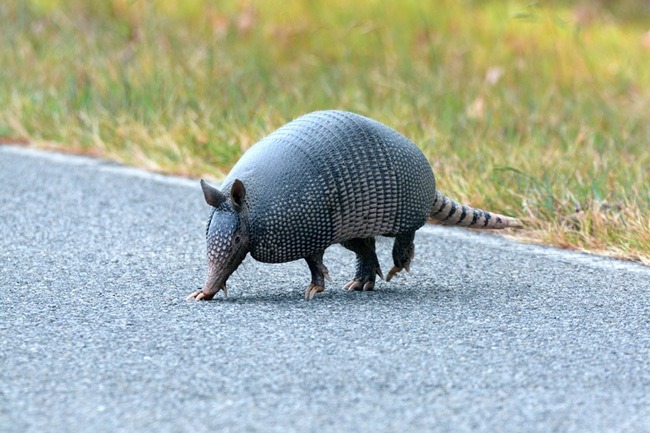
Armadillos are renowned for their protective bony shell, which is composed of interlocking plates called osteoderms. This shell, while not as impenetrable as a knight’s armor, is remarkably tough. When a car moving at speed strikes this shell, the force is concentrated. This is a key factor in hitting armadillo damage.
How the Impact Occurs
When you encounter an armadillo on the road, especially at night when they are most active, there are a few typical scenarios that lead to damage:
- Direct Impact: The most straightforward scenario is a direct collision. Your car’s bumper, grille, or even hood can make forceful contact with the armadillo.
- Deflection: Because of their tendency to jump when startled, an armadillo might leap upwards, potentially leading to an armadillo hitting windshield scenario. This is less common but can cause severe damage.
- Underside Strikes: Smaller armadillos or those that roll into a ball might slide underneath the vehicle, potentially causing armadillo undercarriage damage.
Types of Car Damage from Armadillo Impact
The extent of the damage from an armadillo car collision depends on several factors, including the speed of your vehicle, the size and species of the armadillo, and the specific point of impact on your car.
1. Cosmetic Damage
Often, the first signs of an armadillo fender bender are cosmetic:
- Scratches and Scuffs: The rough texture of the armadillo’s shell can cause armadillo causing car scratches on your paintwork, particularly on the bumper and lower body panels.
- Dents and Dings: Even a small armadillo can cause minor dents on the bumper, fenders, or hood due to the force of the impact.
- Broken Grilles and Trim: The impact can easily crack or break plastic grilles, fog light bezels, and other trim pieces.
2. Bumper and Fender Damage
The bumper is usually the first point of contact. An armadillo hitting bumper can result in:
- Cracked or Broken Bumpers: Plastic bumpers can crack or shatter upon impact, especially in cold weather.
- Detached Bumpers: In severe cases, the impact can dislodge bumper clips or mounting points, causing the bumper to sag or detach.
- Damaged Fenders: The fenders, especially the lower sections, can also be dented or creased by the force of the collision.
3. Hood and Windshield Damage
While less common, significant damage can occur to the front of your car:
- Hood Dents and Dings: A larger armadillo or a higher speed can cause noticeable dents on the hood.
- Windshield Cracks or Chips: An armadillo hitting windshield is a more serious concern. While the impact might not shatter the glass, it can cause chips or spiderweb cracks, compromising visibility and structural integrity. This is a particularly dangerous outcome of hitting an armadillo.
4. Undercarriage Damage
When an armadillo slides underneath the vehicle, it can lead to more complex issues:
- Damaged Splash Guards and Undercarriage Panels: These plastic components are designed to protect the engine and other vital parts from debris, but they can be ripped or broken by an armadillo undercarriage damage.
- Bent or Damaged Exhaust Components: The exhaust pipe or muffler could be struck, leading to dents or even leaks.
- Fluid Leaks: While rare from just an armadillo, a severe impact to the underside could potentially damage oil pans or transmission cases, leading to leaks.
5. Mechanical and Electrical Damage
The most serious consequences of an armadillo car collision involve damage to crucial mechanical and electrical systems:
- Radiator Damage: If the armadillo is propelled upwards and strikes the front of the car forcefully, it could potentially damage the radiator or air conditioning condenser, leading to overheating or AC failure.
- Cooling System Hoses: Impact to the front of the car could rupture coolant hoses, causing rapid fluid loss and engine damage.
- Sensors and Wiring: Modern cars have numerous sensors and wiring harnesses located in the front and underside. An armadillo undercarriage damage or a direct impact could sever or damage these, leading to various warning lights and system malfunctions.
Factors Influencing the Severity of Hitting an Armadillo
Several variables contribute to the outcome of an armadillo car collision:
- Vehicle Speed: This is arguably the most critical factor. The faster you are traveling, the greater the kinetic energy involved, and the more severe the potential damage.
- Armadillo Size and Species: Different armadillo species vary in size. A larger nine-banded armadillo will cause more damage than a smaller three-banded armadillo.
- Point of Impact: A direct hit to the bumper is different from an armadillo getting lodged under the car or an unfortunate armadillo hitting windshield event.
- Vehicle Type: A larger, heavier vehicle like an SUV or truck will generally absorb the impact better and might sustain less damage than a smaller car. However, the force transmitted can still be significant.
- Armadillo’s Reaction: If the armadillo jumps or tries to roll into a ball, it can change the dynamics of the impact, potentially leading to unexpected damage, such as an armadillo hitting windshield.
What to Do If You Hit an Armadillo
Encountering a roadkill armadillo car situation can be jarring. Here’s a breakdown of what you should do:
Immediate Steps:
- Pull Over Safely: If possible and safe to do so, pull your vehicle over to the side of the road, away from traffic.
- Assess the Situation: Check for any immediate dangers to yourself or your passengers.
- Inspect Your Vehicle: Carefully examine your car for any visible damage. Look for broken lights, damaged bumpers, leaks, or anything that seems out of place. Pay close attention to the front end, grille, and underside.
- Check for Warning Lights: If your car has any new warning lights illuminated on the dashboard, take note of them.
Dealing with the Armadillo:
- Do Not Touch: Armadillos can carry diseases, including leprosy. It’s best to avoid direct contact with the animal.
- Consider Reporting (Optional): In some areas, if you’ve hit wildlife and caused significant traffic disruption or if there’s potential for hazard to other drivers, you might consider reporting it to local animal control or highway authorities. However, for a small animal like an armadillo, this is usually not necessary unless the animal poses an immediate road hazard.
Post-Incident Actions:
- Document the Damage: Take clear photographs of all visible damage to your vehicle. Also, photograph the scene if it’s safe to do so, showing the location where the incident occurred.
- Consult Your Insurance: If the damage appears significant, you may need to contact your auto insurance provider. Damage from hitting an animal is typically covered under the comprehensive portion of your auto insurance policy. Be prepared to provide details of the incident.
- Seek Professional Repair: For anything beyond minor cosmetic scratches, it’s advisable to have your vehicle inspected by a qualified mechanic to ensure no underlying mechanical or safety issues were caused by the armadillo car collision.
Prevention: Can You Avoid Hitting an Armadillo?
Preventing car damage from armadillo impact is challenging, as these creatures are nocturnal and can appear suddenly. However, there are some strategies to minimize your risk:
Driving Habits:
- Be Extra Vigilant at Dusk and Dawn: Armadillos are most active during twilight hours and at night. Slow down and increase your awareness during these times, especially in rural or semi-rural areas.
- Scan the Road Ahead: Keep your eyes on the road and the shoulders, looking for any movement.
- Use High Beams When Appropriate: When driving on unlit roads, use your high beams to increase visibility, but remember to dim them for oncoming traffic.
- Reduce Speed in Known Habitats: If you know you are driving through an area known for armadillos, err on the side of caution by reducing your speed. This gives you more time to react and reduces the force of any potential impact.
Vehicle Maintenance:
- Maintain Proper Lighting: Ensure your headlights and taillights are clean and functioning correctly. This improves your ability to see and be seen.
- Keep Windshields Clean: A clean windshield is crucial for clear visibility, especially important if you need to spot a potential armadillo hitting windshield scenario early.
Armadillo Car Collision: Insurance and Costs
When discussing hitting an armadillo damage, the cost can range from a few hundred dollars for minor cosmetic repairs to several thousand for mechanical issues.
Insurance Coverage:
- Comprehensive vs. Collision: Damage from hitting an animal is typically covered under comprehensive auto insurance. Collision coverage usually applies to accidents involving other vehicles or fixed objects.
- Deductible: You will likely have to pay your comprehensive deductible. If the repair costs are less than your deductible, it might not be worth filing a claim.
- Claim Impact: Filing a claim, even for an animal strike, could potentially affect your insurance premiums, depending on your insurer and your claims history.
Estimating Repair Costs:
The cost of repairs can vary greatly. Here’s a rough breakdown for common types of car damage from armadillo impact:
| Type of Damage | Estimated Cost Range (USD) | Notes |
|---|---|---|
| Minor Scratches & Scuffs | $100 – $400 | Professional paint touch-up or buffing. |
| Cracked Bumper Cover | $300 – $800 | Replacement of the plastic bumper cover. |
| Detached Bumper/Fender Damage | $500 – $1,500 | Repair or replacement of bumper, fenders, and associated mounting hardware. |
| Broken Grille | $200 – $600 | Replacement of the front grille. |
| Windshield Chip/Crack | $75 – $300 | Windshield repair or replacement. |
| Radiator/Cooling System Damage | $500 – $1,500+ | Replacement of radiator, hoses, or other cooling system components. |
| Undercarriage Panel/Splash Guard | $100 – $400 | Replacement of plastic underbody protection. |
| Sensor/Wiring Damage | $300 – $1,000+ | Depending on the complexity and location of the damaged components. |
Note: These are estimates and actual costs can vary significantly based on vehicle make/model, labor rates, and geographic location.
Frequently Asked Questions (FAQ)
Q1: Will hitting an armadillo total my car?
While unlikely for most vehicles, it’s possible for an armadillo car collision to cause enough damage to total a car, especially if it involves critical components like the radiator or engine block, or if the car is a very small or older model with less robust construction. However, typically, the damage from an armadillo is limited to the bumper, fenders, or undercarriage.
Q2: Is it illegal to hit an armadillo?
Generally, no, it is not illegal to accidentally hit an armadillo while driving. The primary concern is driver safety and avoiding unnecessary damage to your vehicle.
Q3: Can hitting an armadillo cause damage to my tires?
It’s uncommon for an armadillo itself to directly damage a tire. However, if the armadillo is struck at a high speed and is thrown into the wheel well, or if it causes a larger piece of debris to be kicked up, it could potentially puncture a tire. More likely, if the impact causes the car to swerve and hit something else, that secondary impact could damage a tire.
Q4: What if an armadillo causes me to swerve and hit something else?
If attempting to avoid an armadillo causes you to swerve and hit another vehicle, a guardrail, or another object, the subsequent damage would be considered an accident. Your insurance would likely cover this under the appropriate coverage (collision for hitting another car or object, comprehensive for damage caused by swerving if it leads to an unavoidable incident). The initial armadillo strike might be a contributing factor but not the direct cause of the claim.
Q5: Do armadillos die if hit by a car?
Yes, sadly, an armadillo car collision at typical driving speeds is almost always fatal for the armadillo. Their physiology and tendency to jump can sometimes even exacerbate the impact.
Q6: Are there any special considerations for hitting an armadillo in different regions?
Armadillos are primarily found in the southern United States, Mexico, and parts of Central and South America. If you are driving in these regions, particularly in Texas, Louisiana, Florida, or other Gulf Coast states, you are more likely to encounter armadillos. Awareness and caution should be heightened in these areas, especially at night.
Conclusion
While the thought of an armadillo car collision might seem like a minor inconvenience, the potential for car damage from armadillo impact is real and can range from superficial scratches to significant mechanical failures. The robust nature of an armadillo’s shell, combined with the force of a moving vehicle, can lead to various types of damage, including armadillo causing car scratches, armadillo hitting bumper issues, armadillo undercarriage damage, and in unfortunate circumstances, even an armadillo hitting windshield incident.
By understanding the risks, adopting cautious driving habits, and knowing how to respond if you encounter a roadkill armadillo car, you can better protect yourself and your vehicle. Always prioritize safety, and if damage occurs, document it thoroughly and seek professional repair to ensure your car remains in good working order. Being prepared for these unexpected encounters is a key aspect of responsible driving in areas where wildlife is prevalent.