
Yes, you can jump a car from a Prius, but it’s not as straightforward as using a traditional gasoline-powered vehicle. Here’s what you need to know about jump-starting a car from a Toyota Prius.
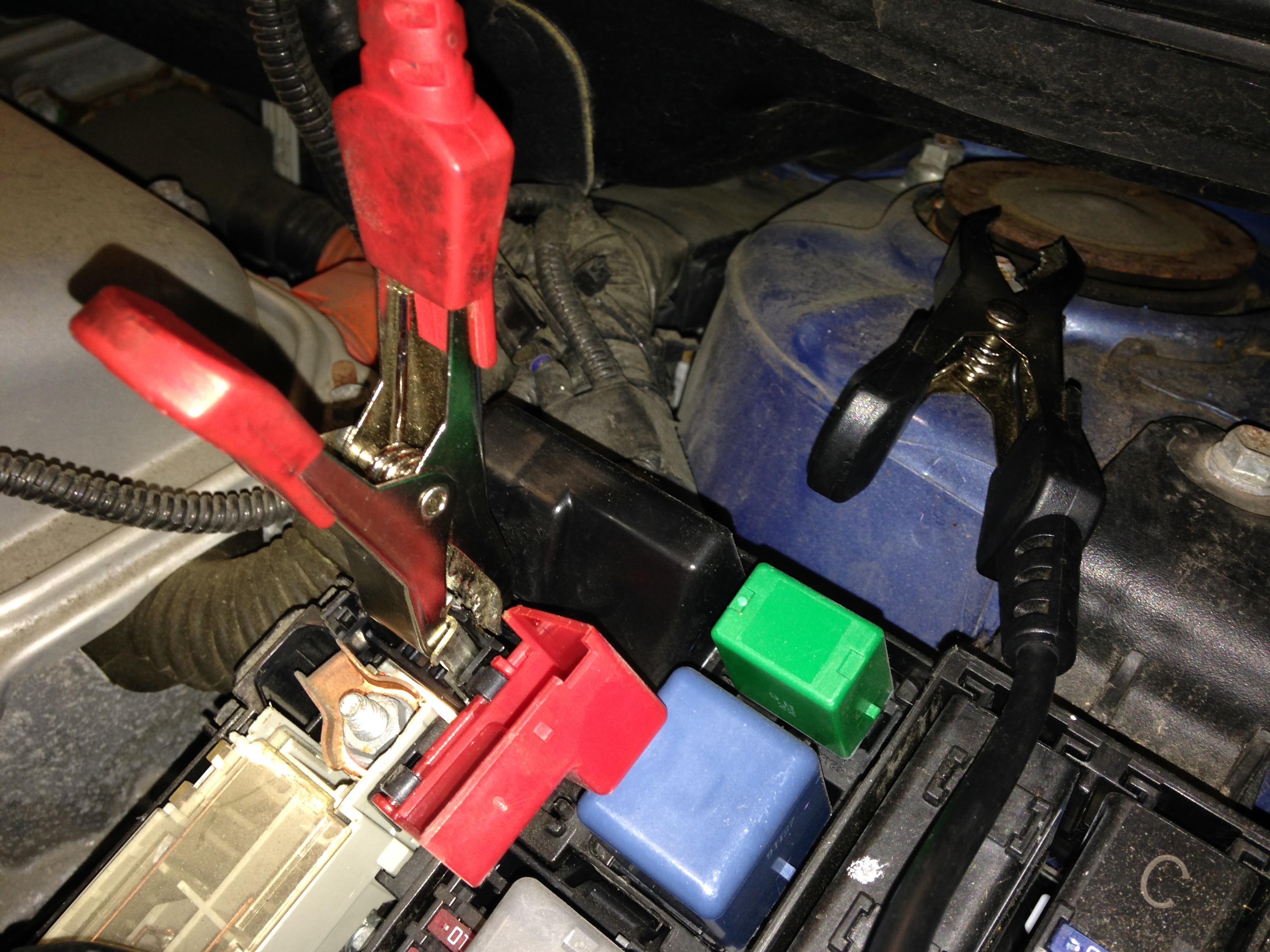
Image Source: writing.rocks
Can a Prius Be Jump-Started?
Before we discuss jump-starting from a Prius, let’s clarify if a Prius itself can be jump-started. Yes, a Prius can be jump-started, but it’s crucial to understand its unique hybrid system. Unlike conventional cars, a Prius has two batteries: a small 12-volt auxiliary battery and a much larger high-voltage hybrid battery. The 12-volt battery is what powers the car’s accessories and systems when it’s not in “ready” mode. If this 12-volt battery is dead, the car won’t start.
Jump Starting a Hybrid Car: The Basics
Jump starting a hybrid car, including a Prius, requires a different approach than jump starting a regular gasoline car. The primary concern is the 12-volt battery, which is used to power the car’s electronics and “wake up” the hybrid system. The high-voltage battery is used to power the electric motor and is not involved in a standard jump start.
Prius Battery Jump: What You Need
To successfully jump-start a car from a Prius, or to jump-start a Prius itself, you’ll need a few essential items:
- Jumper Cables: Ensure they are in good condition with no frayed wires.
- Another Vehicle (for jump-starting a Prius): This vehicle should have a working 12-volt battery.
- Gloves and Safety Glasses: For protection.
- Owner’s Manual: Always consult your Prius owner’s manual for specific instructions.
Jump Starting a Gasoline Car from a Prius
This is where things get a bit more complex. While a Prius has a 12-volt battery, it’s typically smaller than the battery in a comparable gasoline car. The main challenge is whether the Prius’s 12-volt system can provide enough power to crank a dead gasoline engine.
The Prius Power Source
The 12-volt battery in a Prius is primarily used to start the car’s computer systems and the internal combustion engine when needed. The hybrid system’s main power comes from the high-voltage battery. However, the 12-volt battery is the critical component for jump-starting.
Can a Prius Jump Start a Gasoline Car?
The general consensus and experience suggest that yes, a Prius can often jump-start a gasoline car, provided a few conditions are met:
- The Prius battery is healthy: The 12-volt battery in the Prius should not be weak or failing.
- The gasoline car’s battery isn’t completely drained: If the dead battery is severely discharged, even a healthy Prius might struggle.
- The gasoline car’s engine isn’t overly demanding: A small to medium-sized gasoline engine is more likely to be successfully jump-started than a large V8.
- Proper connection procedure is followed: This is paramount to avoid damage to either vehicle.
However, it’s important to note that while possible, it’s not always the most robust solution. A Prius’s 12-volt battery might be less powerful than that of a dedicated truck or SUV.
Prius Jump Start Procedure for a Gasoline Car
Here’s a step-by-step guide for how to jump-start a gasoline car from a Prius:
- Position the Vehicles: Park the Prius close enough to the dead gasoline car so that the jumper cables can reach both batteries. Make sure the vehicles are not touching.
- Turn Off Both Vehicles: Ensure both the Prius and the gasoline car are completely turned off. Engage the parking brake on both.
- Locate the Batteries and Jump Points:
- Prius: The 12-volt battery in most Toyota Priuses is located in the trunk or under the rear seat. Crucially, most Priuses have designated jump-start terminals under the hood, usually near the fuse box. These are designed for jump-starting and are the safe place to connect. Do NOT connect directly to the Prius’s 12-volt battery terminals if they are in an inaccessible location. Consult your owner’s manual to find these specific jump points.
- Gasoline Car: Locate the 12-volt battery. It’s usually under the hood, but can sometimes be in the trunk or under a seat. Identify the positive (+) and negative (-) terminals.
- Connect the Jumper Cables (The Critical Steps):
- RED Clamp 1: Connect one end of the red (positive) jumper cable to the POSITIVE (+) terminal of the dead battery in the gasoline car.
- RED Clamp 2: Connect the other end of the red (positive) jumper cable to the POSITIVE (+) terminal of the Prius’s jump-start terminal under the hood.
- BLACK Clamp 1: Connect one end of the black (negative) jumper cable to the NEGATIVE (-) terminal of the Prius’s battery (or its designated jump point if different from the positive terminal).
- BLACK Clamp 2: Connect the other end of the black (negative) jumper cable to an UNPAINTED METAL surface on the engine block or chassis of the gasoline car, away from the battery and any moving parts. This is the grounding point. Do NOT connect directly to the negative terminal of the dead battery. This is to prevent sparking near the battery, which could ignite hydrogen gas.
- Start the Prius: Turn on the Prius and let it run for a few minutes (5-10 minutes is usually sufficient). This allows the Prius’s 12-volt system to charge the dead battery.
- Start the Gasoline Car: Attempt to start the gasoline car. If it doesn’t start immediately, wait a few more minutes with the Prius running and try again.
- Remove the Jumper Cables (in reverse order):
- Disconnect the black (negative) cable from the gasoline car’s engine block/chassis.
- Disconnect the black (negative) cable from the Prius’s battery/jump point.
- Disconnect the red (positive) cable from the Prius’s jump point.
- Disconnect the red (positive) cable from the gasoline car’s battery.
- Keep the Gasoline Car Running: Once the gasoline car is started, let it run for at least 15-20 minutes to allow its alternator to charge its battery.
Important Note on Prius Jump Start Procedure: Always refer to your specific Prius model’s owner’s manual. Some models may have slightly different locations for the jump points or specific instructions regarding the hybrid system.
Jump Starting a Prius from Another Vehicle
This is generally more common and often easier. Here’s how to jump-start a Prius from a gasoline-powered car.
The Process of Jump Starting a Prius
- Position the Vehicles: Park the assisting gasoline car close enough to the Prius so the jumper cables can reach. Ensure the cars are not touching.
- Turn Off Both Vehicles: Turn off both the Prius and the gasoline car. Engage the parking brake on both.
- Locate the Batteries:
- Prius: As mentioned, the 12-volt battery is often in the trunk or under the rear seat. However, most Priuses have a dedicated positive jump terminal under the hood. This is usually a red plastic cover with a “+” symbol, often located near the fuse box. There will also be a designated negative ground point under the hood for connecting the black cable. Consult your owner’s manual for the exact location of these points. This is where you should connect.
- Gasoline Car: Locate its 12-volt battery and identify the positive (+) and negative (-) terminals.
- Connect the Jumper Cables:
- RED Clamp 1: Connect one end of the red (positive) jumper cable to the POSITIVE (+) terminal of the Prius’s 12-volt battery (or the designated jump terminal under the hood).
- RED Clamp 2: Connect the other end of the red (positive) jumper cable to the POSITIVE (+) terminal of the gasoline car’s battery.
- BLACK Clamp 1: Connect one end of the black (negative) jumper cable to the NEGATIVE (-) terminal of the gasoline car’s battery.
- BLACK Clamp 2: Connect the other end of the black (negative) jumper cable to the designated NEGATIVE ground point under the hood of the Prius. This is typically an unpainted metal surface on the engine block or chassis. Again, avoid connecting directly to the Prius’s 12-volt battery negative terminal if it’s in an awkward spot and use the designated ground point.
- Start the Gasoline Car: Turn on the gasoline car and let it run for a few minutes (5-10 minutes) to charge the Prius’s 12-volt battery.
- Start the Prius: Now, try to start the Prius. It might take a moment for the hybrid system to engage. You should see the “READY” indicator light up.
- Remove the Jumper Cables (in reverse order):
- Disconnect the black (negative) cable from the Prius’s ground point.
- Disconnect the black (negative) cable from the gasoline car’s battery.
- Disconnect the red (positive) cable from the gasoline car’s battery.
- Disconnect the red (positive) cable from the Prius’s jump terminal.
- Keep the Prius Running: Once started, allow the Prius to run for at least 15-20 minutes to ensure its own 12-volt battery receives sufficient charge. Driving it is ideal.
Prius Jump Start: Why Use Designated Terminals?
Using the designated jump-start terminals under the hood of a Prius (or any modern hybrid) is crucial for several reasons:
- Safety: The 12-volt battery in a Prius is often located in a hard-to-reach place, sometimes surrounded by high-voltage components. Direct access could be dangerous. The under-hood terminals are designed to be accessible and safe for jump-starting.
- Protecting Components: Hybrid vehicles have complex electronic systems. Connecting jumper cables directly to the main battery in an unsafe location could short-circuit sensitive electronics, leading to expensive repairs.
- Preventing Damage to the Hybrid Battery: The high-voltage hybrid battery is separate and should never be tampered with or used for jump-starting. The under-hood terminals ensure you are only working with the 12-volt auxiliary system.
What is a Hybrid Vehicle Jump Start?
A hybrid vehicle jump start refers to the process of using another vehicle’s battery to supply power to the 12-volt auxiliary battery of a hybrid car that has a dead or weak battery. This process is necessary when the hybrid vehicle’s 12-volt battery lacks sufficient charge to power up the vehicle’s electronic systems and initiate the hybrid powertrain. The goal is to provide enough electricity to allow the hybrid vehicle to start its internal combustion engine or electric motor.
The Role of the 12-Volt Battery in a Hybrid
It’s essential to remember that even though a hybrid vehicle has a large high-voltage battery, the 12-volt auxiliary battery is still the “brain” that powers up the car when you first turn the key or push the start button. Without a functional 12-volt battery, the hybrid system cannot be activated, even if the high-voltage battery is fully charged. This is why jump-starting a hybrid car focuses solely on reviving its 12-volt system.
Common Issues and Considerations
- Low 12-Volt Battery Health: Over time, a hybrid’s 12-volt battery can degrade, just like in any other car. If the Prius’s 12-volt battery is old or failing, it might struggle to provide enough power even to start itself, let alone jump another car.
- Parasitic Drain: Like any car, a Prius can experience parasitic drain – a small amount of electricity that continues to be used by the car’s systems even when it’s turned off. If this drain is excessive or the battery is old, it can lead to a dead battery.
- Hybrid System Malfunctions: In rare cases, a problem with the hybrid system itself could indirectly affect the 12-volt battery, but this is uncommon for a simple dead battery scenario.
- Incorrect Connections: As stressed before, incorrectly connecting jumper cables can cause significant damage to the sensitive electronics of both vehicles, especially the hybrid. Always double-check your connections.
Jump Start a Dead Car Battery: General Safety Tips
- Read the Manual: This cannot be stressed enough. Your owner’s manual is your primary guide.
- Ventilation: Ensure good ventilation when working with batteries, especially if they appear damaged.
- No Smoking: Never smoke or have open flames near a battery.
- Protect Your Eyes: Wear safety glasses.
- Don’t Let Clamps Touch: Ensure the metal clamps of the jumper cables never touch each other once connected to a battery.
- Check Battery Condition: Visually inspect batteries for cracks, leaks, or corrosion before attempting to jump.
Frequently Asked Questions (FAQ)
Can I jump-start a Prius with a portable jump starter?
Yes, you can jump-start a Prius with a portable jump starter. Ensure the jump starter has enough cranking amps for the Prius’s 12-volt system. Connect the jump starter’s positive (red) clamp to the Prius’s positive jump terminal and the negative (black) clamp to the designated negative ground point under the hood. Follow the jump starter’s instructions carefully.
What happens if I connect the jumper cables incorrectly to a Prius?
Connecting jumper cables incorrectly to a Prius can lead to severe damage to the vehicle’s electrical system, including the onboard computers, inverter, and other sensitive components. It can also damage the jumper cables and the assisting vehicle. This is why meticulous attention to the positive (+) and negative (-) connections and the use of designated jump points is critical.
How long does it take to jump-start a Prius?
To jump-start a car from a Prius, you typically need to let the Prius run for 5-10 minutes to transfer enough charge. To jump-start a Prius from another car, the assisting car should run for 5-10 minutes before you attempt to start the Prius. After the Prius is running, it’s recommended to keep it on for at least 15-20 minutes to allow its 12-volt battery to recharge.
Is it safe to jump-start a car from a Prius repeatedly?
While a Prius can jump-start another car, it’s not recommended to do so frequently. The 12-volt battery in a Prius is designed for starting its own systems, not as a heavy-duty power source for other vehicles. Repeatedly using it to jump-start other cars could prematurely drain and degrade its 12-volt battery. If you frequently need to jump-start other vehicles, consider using a dedicated assistance vehicle or a high-quality portable jump starter.
My Prius battery is dead, what should I do?
If your Prius 12-volt battery is dead, the first step is to try jump-starting it as described above. If it won’t jump-start, or if it repeatedly dies, the 12-volt battery may need to be replaced. It’s best to consult a qualified mechanic or dealership to diagnose the issue and perform any necessary repairs or battery replacements.
What are the signs of a failing 12-volt battery in a Prius?
Signs of a failing 12-volt battery in a Prius can include:
* The car not starting or taking a long time to “wake up.”
* Warning lights on the dashboard, especially those related to the hybrid system or battery.
* Dim headlights or interior lights.
* Inability to open doors with the key fob.
* The car refusing to go into “READY” mode.
Conclusion
In conclusion, jump-starting a car from a Prius is feasible, and jump-starting a Prius from another vehicle is a common procedure. The key to success lies in meticulous adherence to the correct connection procedures, utilizing the designated jump-start terminals, and being aware of the limitations of a hybrid’s 12-volt system. Always prioritize safety and consult your owner’s manual for the most accurate and model-specific guidance. While a Prius can lend a hand in a pinch, regular use for jump-starting other vehicles is not advisable for the longevity of its own 12-volt battery.