
Image Source: blocardryer.com
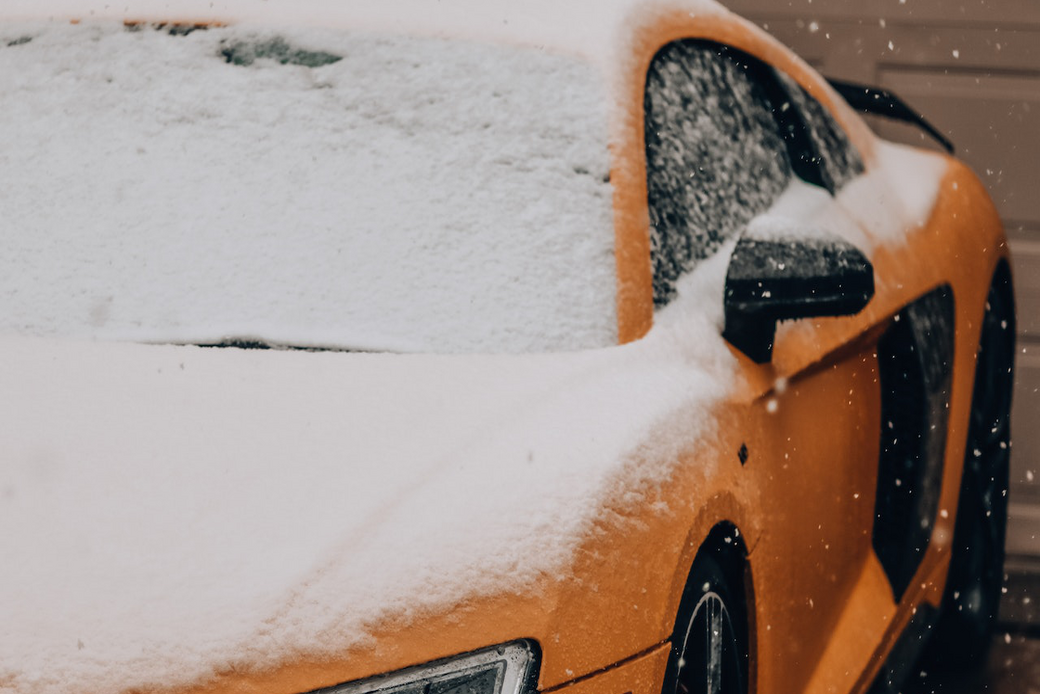
How To Protect Car From Snow: Prevent Damage & Salt Damage
Can you protect your car from snow and salt damage? Yes, absolutely! By taking proactive steps and practicing good winter car care, you can significantly reduce the risk of damage and prolong your vehicle’s life through the harsh winter months. This guide will walk you through everything you need to know about car snow protection, from effective snow removal from car techniques to robust salt damage prevention strategies.
Winter brings more than just picturesque snowflakes; it brings a host of challenges for your vehicle. Road salt, freezing temperatures, and heavy snowfall can wreak havoc on your car’s exterior and interior if you don’t take proper car winterization steps. Understanding how to protect your car from freezing and preventing car rust are key components of a successful winter driving strategy. This article aims to provide comprehensive advice on how to keep your car in top condition, even when the weather is at its worst. We’ll cover essential cold weather car maintenance tips, the benefits of car covers for snow, and effective de-icing car methods.
Preparing Your Car for Winter’s Embrace
Car winterization is not just about filling up your gas tank. It’s a multifaceted approach to safeguarding your vehicle against the corrosive and damaging effects of winter. Think of it as giving your car a protective suit for the colder seasons. Proper preparation will save you money on repairs and ensure your car remains reliable when you need it most.
Essential Fluids and Checks
Before the first flake falls, it’s crucial to ensure all your car’s vital fluids are at the correct levels and suitable for cold temperatures.
- Antifreeze/Coolant: This is non-negotiable. Ensure your coolant is at the proper concentration to prevent your engine block from freezing and cracking. The ideal mixture typically protects down to -34°C (-30°F) or lower.
- Windshield Washer Fluid: Switch to a fluid rated for winter use. Regular water-based fluid will freeze, potentially damaging the reservoir and lines. Consider a fluid with a lower freezing point for extremely cold climates.
- Engine Oil: Ensure your oil is the correct viscosity for cold weather. Thicker oils can struggle to circulate in freezing temperatures, leading to increased engine wear. Consult your owner’s manual for recommended winter oil grades.
- Brake Fluid: Check the level and condition of your brake fluid. Winter driving often requires more frequent braking, so ensuring your brakes are in optimal condition is paramount for safety.
Tire Safety in Winter
Tires are your car’s only contact with the road. In winter, this connection needs to be as secure as possible.
- Winter Tires: While all-season tires offer a compromise, dedicated winter tires provide superior grip in snow, ice, and cold temperatures. They are made of a softer rubber compound that remains flexible in the cold, allowing for better traction.
- Tire Pressure: Cold temperatures cause tire pressure to drop. Check your tire pressure regularly and inflate them to the recommended PSI as indicated on the sticker inside your driver’s side doorjamb. Properly inflated tires improve handling and fuel efficiency.
- Tread Depth: Ensure your tires have adequate tread depth. A minimum of 4/32 inch is recommended for winter driving. Worn tires offer significantly less grip on slippery surfaces.
Battery Health and Performance
Car batteries are notoriously sensitive to cold. Cold weather significantly reduces a battery’s cranking power.
- Battery Test: Have your battery tested at a mechanic’s shop before winter. Most auto parts stores offer free battery testing.
- Clean Terminals: Corrosion on battery terminals can impede electrical flow. Clean them with a wire brush and a baking soda solution if you notice any buildup.
- Secure Battery: Ensure your battery is securely fastened in its tray. A loose battery can be jostled, leading to internal damage or disconnection.
Effective Snow Removal from Car Techniques
Removing snow from your car is more than just clearing your windows. It’s about ensuring visibility, preventing damage, and removing potential hazards. Proper snow removal from car practices will protect your paint, windows, and even your wiper blades.
The Right Tools for the Job
Using the wrong tools can scratch your paint or damage your car’s components. Invest in quality winter tools.
- Snow Brush and Scraper: A good quality snow brush with a sturdy handle and soft bristles is essential for clearing snow without scratching. The scraper end should be made of durable plastic, not metal, to avoid damaging glass.
- Snow Broom: For larger vehicles, a snow broom can be more efficient for clearing large surfaces like roofs and hoods.
- Leaf Blower (Optional): A leaf blower can be surprisingly effective at quickly clearing light, powdery snow from your entire car, including hard-to-reach areas.
Step-by-Step Snow Removal
Follow these steps for safe and effective snow removal:
- Clear the Roof First: Always start by clearing the roof of your vehicle. This prevents snow from sliding down onto your windshield as you clear it, or worse, onto other drivers.
- Clear All Windows: Use your snow brush and scraper to clear the windshield, rear window, and side windows. Ensure maximum visibility for safe driving.
- Clear Headlights and Taillights: Don’t forget to clear your headlights, taillights, and turn signals. This is crucial for your visibility and the visibility of other drivers.
- Clear Mirrors: Wipe down your side mirrors to ensure you can see your surroundings.
- Clear Body Panels: Brush off snow from your hood, trunk, and doors. This prevents water from seeping into crevices and freezing, which can cause damage.
- Lift Wiper Blades: If snow is heavy and wet, lift your wiper blades off the windshield to prevent them from freezing to the glass or getting damaged by ice buildup.
De-icing Car Windows Safely
When ice has frozen your windows shut, de-icing car techniques are vital.
- Use a De-Icer Spray: Commercial de-icer sprays are formulated to melt ice quickly and safely without damaging glass or paint. Spray generously on windows and allow it to work for a minute before scraping.
- Avoid Hot Water: Never pour hot water on your windshield. The sudden temperature change can cause the glass to crack, especially if there are already small chips or cracks present.
- Patience is Key: Sometimes, the best approach is to let your car’s defroster do the work. Turn on the engine, set the defroster to high, and let the warm air melt the ice.
Preventing Car Rust: The Silent Winter Enemy
Road salt and de-icing chemicals are incredibly corrosive. Preventing car rust is a major part of protecting your car from snow and its aftermath. Ignoring this can lead to costly repairs and significantly reduce your car’s lifespan.
The Corrosive Nature of Salt
Salt works by lowering the freezing point of water, which helps melt ice and snow on roads. However, this salt brine is highly acidic and aggressive. When it comes into contact with your car’s metal components, it accelerates the process of oxidation, commonly known as rust.
Protective Measures Against Salt
- Regular Washing: This is your most powerful weapon. Wash your car frequently throughout the winter, especially after driving on treated roads.
- Undercarriage Wash: Pay special attention to washing the underside of your car. Salt and brine tend to collect in wheel wells, on the frame, and around suspension components. Many car washes offer undercarriage cleaning options.
- Rinse Thoroughly: Ensure you rinse your car thoroughly to remove all traces of salt.
- Waxing: Applying a good quality car wax or sealant before winter can provide a protective barrier against salt and moisture. The wax fills in microscopic pores in the paint, making it harder for corrosive elements to penetrate.
- Undercoating/Rustproofing: Consider professional undercoating or rustproofing treatments. These are specialized coatings applied to the underside of your vehicle to provide long-term protection against rust and corrosion.
- Rust Inhibitors: Apply rust inhibitor sprays to exposed metal components, such as door hinges, lock mechanisms, and suspension parts.
- Interior Protection: Salt can also be tracked into your car on your shoes. Use all-weather floor mats that can trap dirt and moisture, protecting your car’s carpeting. Clean these mats regularly.
Car Covers for Snow: A Layer of Defense
Car covers for snow offer an excellent physical barrier against precipitation, frost, and even the corrosive effects of falling snow that may contain salt residue from airborne spray.
Benefits of Using Snow Covers
- Protection from Snow and Ice: A good snow cover will prevent snow and ice from accumulating on your vehicle, saving you time and effort in snow removal from car.
- Prevent Freezing: It can help protect car from freezing, keeping door handles, locks, and wipers from becoming frozen shut.
- Paint Protection: It shields your paintwork from harsh elements and prevents scratches that can occur during manual snow removal.
- Reduced Salt Exposure: A cover can minimize direct contact with snow and ice that might carry salt particles.
Types of Car Covers for Snow
- All-Weather Covers: These are typically made of multi-layer, breathable, waterproof, and UV-resistant materials. They are designed for year-round protection but are particularly beneficial in winter.
- Snow Covers: Specifically designed for winter, these covers often have a fleece lining to prevent scratching and are highly water-repellent. They may also have elasticized hems and tie-down straps for a secure fit in windy conditions.
- Windshield Covers: A simpler option, these covers specifically protect your windshield, saving you the effort of scraping ice and snow from this critical viewing area.
Key Features to Look For
- Waterproof/Water-Resistant: Crucial for keeping snow and ice out.
- Breathable: Prevents moisture buildup underneath, which can lead to mold and mildew.
- Durable Material: Needs to withstand harsh weather and UV exposure.
- Secure Fit: Elasticized hems, tie-downs, or mirror pockets ensure the cover stays in place.
- Soft Inner Lining: Protects your car’s paint from scratches.
Cold Weather Car Maintenance Beyond the Basics
Cold weather car maintenance extends beyond just the fluids and tires. Several other checks and actions can ensure your car functions optimally and safely in winter.
Wiper Blades and Windshield Visibility
Clear visibility is paramount in winter.
- Wiper Blade Condition: Check your wiper blades for cracks, stiffness, or skipping. Replace them if they show signs of wear. Consider winter-specific wiper blades, which have a reinforced casing to prevent ice buildup.
- Windshield Treatment: Apply a water-repellent treatment to your windshield. This causes rain and snow to bead up and roll off, improving visibility and making it easier to clear.
- Defroster Functionality: Ensure your car’s defroster system is working effectively. A malfunctioning defroster can make it impossible to clear a fogged or iced-up windshield.
Door Seals and Locks
Freezing temperatures can wreak havoc on rubber seals and lock mechanisms.
- Lubricate Door Seals: Apply a silicone-based lubricant or dielectric grease to your car’s door seals. This prevents them from freezing to the door frame and tearing when you open the door.
- Protect Locks: Keep a can of de-icing lock lubricant handy. Avoid using graphite, as it can attract moisture and freeze.
Keeping Your Car’s Interior Warm and Dry
Moisture inside your car can lead to fogged windows and unpleasant odors.
- All-Weather Floor Mats: As mentioned earlier, these are essential for trapping snow, salt, and mud.
- Ventilation: Occasionally crack your windows slightly when parked to allow moisture to escape.
- Check for Leaks: Ensure your car’s seals are in good condition to prevent water from entering.
Driving in Snow and Ice Safely
Even with the best car snow protection, driving in winter conditions requires caution and specific techniques.
Slow and Steady Wins the Race
- Reduce Speed: Drive at speeds significantly lower than you would in dry conditions.
- Increase Following Distance: Leave much more space between your car and the vehicle in front of you. Stopping distances are much longer on snow and ice.
- Smooth Inputs: Avoid sudden acceleration, braking, or steering. Gentle, smooth inputs are key to maintaining traction.
Braking Techniques
- Antilock Braking System (ABS): If your car has ABS, apply firm, continuous pressure to the brake pedal. Do not pump the brakes. You’ll feel a pulsing sensation; this is normal.
- Braking Without ABS: If your car does not have ABS, brake gently and rhythmically. If you feel your wheels lock up, ease off the brake slightly until they start rolling again.
Steering and Traction
- Look Ahead: Scan the road for icy patches and maintain a clear path.
- Gentle Steering: Make steering inputs smoothly and gradually.
- Correcting a Skid: If your car begins to skid, do not panic. Take your foot off the accelerator and steer gently in the direction you want the front of the car to go.
Frequently Asked Questions (FAQ)
Q1: How often should I wash my car in winter to prevent rust?
A1: It’s recommended to wash your car at least every two weeks, or more frequently if you frequently drive on roads treated with salt or de-icing chemicals. Prioritizing an undercarriage wash is also highly beneficial.
Q2: Can I use my regular car cover in the snow?
A2: While some all-season covers offer decent protection, a cover specifically designed for snow and winter conditions is generally more effective. Look for features like water resistance, breathability, and a soft inner lining.
Q3: My car is covered in a thick layer of ice. What’s the best way to de-ice it?
A3: The safest way to de-ice car windows is to use a commercial de-icer spray or to let your car’s defroster melt the ice gradually. Never use hot water, as it can cause your glass to crack.
Q4: What is the most important aspect of car winterization?
A4: While many aspects are important, ensuring your antifreeze is at the correct concentration to prevent the engine from freezing is critically important. Proper tire maintenance and checking your battery are also vital for safe operation.
Q5: Will car covers for snow prevent my car from freezing?
A5: Car covers for snow can help protect car from freezing by creating an insulating layer and preventing ice from forming directly on surfaces like windows and door handles. However, they won’t prevent extreme cold from affecting the car’s mechanics entirely.
Q6: How do I protect my car’s paint from salt damage?
A6: Regular washing (especially the undercarriage), waxing, and applying a paint sealant before winter are key to salt damage prevention. A good car cover can also offer an additional layer of protection.
By implementing these strategies for car snow protection and winter car care, you can ensure your vehicle remains in excellent condition throughout the winter months, warding off damage and preventing car rust. Remember, a little proactive effort goes a long way in safeguarding your investment and ensuring safe travels.