
Ever heard a harmonica wail with a powerful roar, like a tiny blues legend plugged into a giant sound system? That amazing sound comes from a special piece of gear: a harmonica amplifier. But finding the right one can feel like searching for a needle in a haystack. You want your harmonica to sing, not sound muffled or tinny. Many players get frustrated trying to figure out what makes one amp better than another for their blues harp or chromatic melodies.
Choosing the perfect amp is super important for any harmonica player who wants to be heard. It can make the difference between a quiet whisper and a room-shaking performance. This blog post is here to help you cut through all the confusion. We’ll explore what makes a good harmonica amp and what features really matter.
By the end of this guide, you’ll feel confident about picking an amplifier that makes your harmonica shine. We’ll break down the jargon and show you how to find an amp that fits your playing style and budget. So, let’s dive in and discover how to unlock the full potential of your harmonica’s voice!
Our Top 5 Amplifier For Harmonica Recommendations at a Glance
| Image | Product | Rating | Links |
|---|---|---|---|
 |
Superlux D112C Omnidirectional Dynamic Microphone – Hi-Z Vocal Mic for Blues/Harmonica | 8.6/10 | Check Price |
 |
Acoustic Guitar Amplifier | 9.1/10 | Check Price |
 |
Fender Frontman 10G Guitar Amp | 9.0/10 | Check Price |
 |
JUSTPRO 15W Mini Guitar Amp | 8.6/10 | Check Price |
 |
Monoprice 5-Watt Guitar Combo Tube Amplifier (611705) | 8.8/10 | Check Price |
Top 5 Amplifier For Harmonica Detailed Reviews
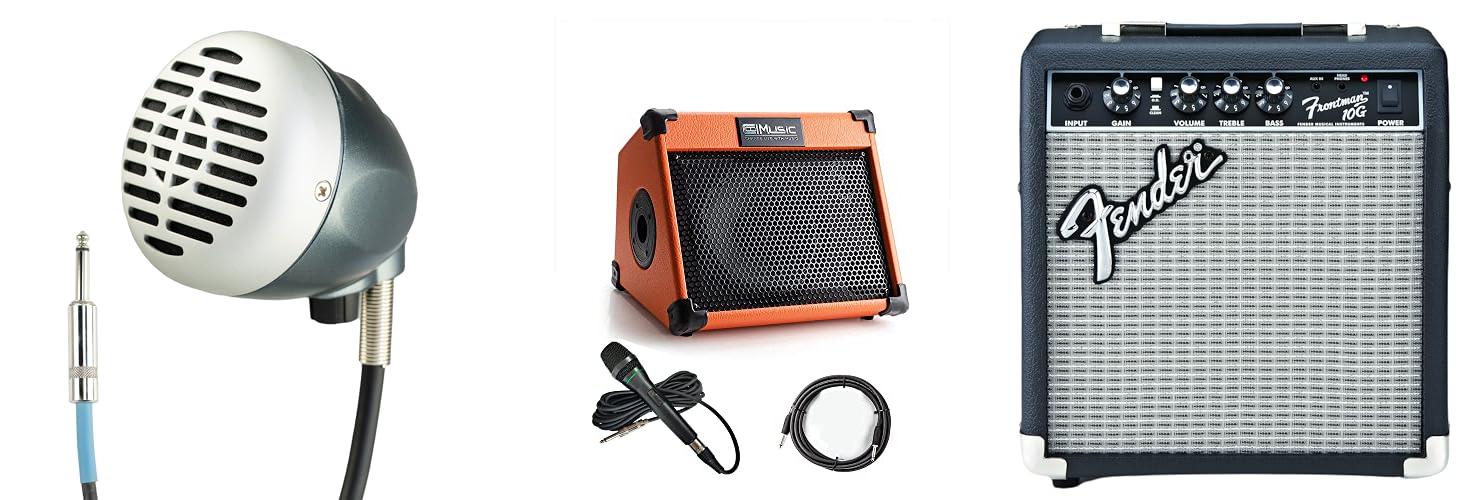
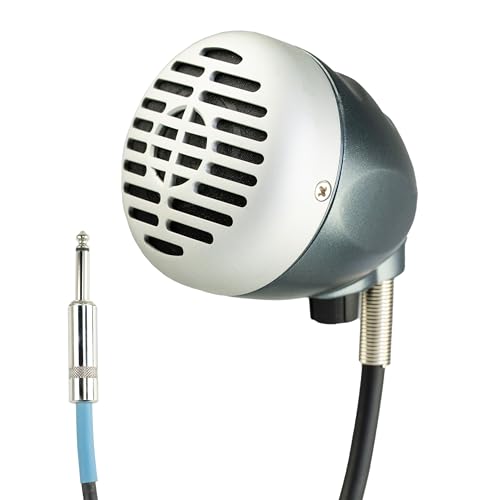
1. Superlux D112C Omnidirectional Dynamic Microphone – Hi-Z Vocal Mic for Blues/Harmonica
Rating: 9.4/10
Get ready to channel your inner blues legend with the Superlux D112C Omnidirectional Dynamic Microphone. This mic is built for harmonica players who love that classic, gritty tone. It’s designed to be super easy to use, so you can focus on your music. Plus, it looks cool with its vintage bullet mic style!
What We Like:
- It’s made just for harmonica players. You can plug it straight into your guitar amp or other high-impedance gear without needing extra stuff.
- It gives you that warm, authentic blues sound. The sound range is great for capturing every little detail of your harmonica playing.
- It can handle loud sounds on stage without distortion, so you’ll always sound clear.
- The built-in volume control lets you change your sound easily while you play. You can feel where the middle setting is.
- It feels good in your hand, whether you play with your left or right hand. It’s smooth and comfortable for long playing sessions.
- It comes with a long 6-meter cable and a standard 6.3mm plug. You just plug it into your amp and you’re ready to go!
- The vintage titanium blue design looks really cool, especially with a guitar amp.
What Could Be Improved:
- While it’s great for harmonica and blues, it might not be the best choice for every type of singing or instrument.
If you play harmonica and want that classic blues sound with simple setup, the Superlux D112C is a fantastic option. It’s ready for the stage and your next jam session.
2. Acoustic Guitar Amplifier
Rating: 9.1/10
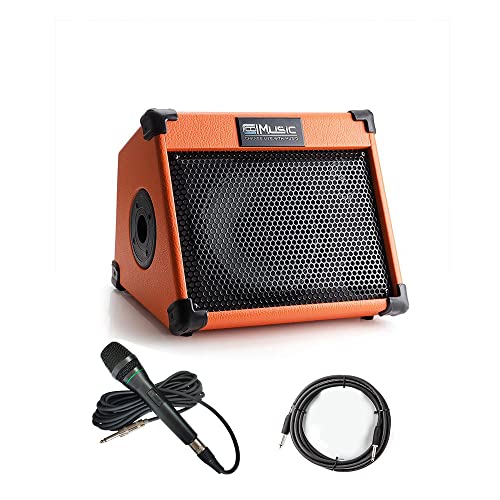
Unleash your sound with the Acoustic Guitar Amplifier, a powerful 20-watt amp designed for acoustic instruments and vocals. This versatile amp lets you connect two things at once, like your guitar and a microphone. It comes with a built-in reverb and chorus effect to make your music sound amazing. Plus, you can easily adjust the bass, mid, and high tones with its 3-band EQ to get the perfect sound for any music style.
What We Like:
- It has two channels, so you can plug in both your guitar and a microphone at the same time.
- The 3-band EQ (Bass, Mid, High) helps you shape your sound for different music.
- Built-in reverb and chorus effects add a professional touch to your music.
- Bluetooth connectivity lets you play music wirelessly from your phone or other devices.
- It has other input options like phone, CD/MP3, and USB for more flexibility.
- The 20-watt power with an 8-inch woofer and 2-inch tweeter delivers a big, clear sound.
- It’s powerful enough for live gigs, practice sessions, or solo performances.
- The mid-size and 16-pound weight make it easy to carry around.
- It includes a microphone and audio cable, so you have everything you need to start.
What Could Be Improved:
- While it’s great for practice and smaller gigs, it might not be loud enough for very large venues.
- The effects are built-in, so you can’t swap them out for other types of effects.
This amp is a fantastic option for any acoustic musician looking for great sound and flexibility. It offers a lot of features at a great value.
3. Fender Frontman 10G Guitar Amp
Rating: 9.3/10
The Fender Frontman 10G Guitar Amp is a fantastic choice for beginner guitarists. It’s small and easy to carry, making it great for practicing at home or taking to a friend’s house. This amp gives you good sound for its size, and Fender backs it up with a solid warranty.
What We Like:
- It’s super lightweight, making it easy to move around.
- The controls are simple and let you get a lot of different sounds, from clean to distorted.
- The 6-inch Fender speaker sounds surprisingly good for such a small amp.
- The closed-back design helps give it a nice, full bass sound.
- It comes with a 2-year warranty, which is great peace of mind.
- It’s very affordable for a Fender amp.
What Could Be Improved:
- It’s not very loud, so it’s best for practice and small rooms.
- Some players might want more advanced features as they improve.
Overall, the Fender Frontman 10G is a solid, reliable amp that delivers good value. It’s an excellent starting point for anyone learning to play guitar.
4. JUSTPRO 15W Mini Guitar Amp
Rating: 9.2/10
The JUSTPRO 15W Mini Guitar Amp is a small but mighty amplifier that’s perfect for guitar players on the go. Whether you’re practicing in your room or taking your music to a friend’s house, this portable amp delivers great sound and tons of features. It’s designed to be easy to use and offers a lot of creative options for shaping your guitar tone.
What We Like:
- It comes with four cool effects: Reverb (Room/Hall), Chorus, and Delay. You can mix and match these to make your own unique sound.
- The amp is rechargeable and can play for up to 4 hours on a single charge, making it great for practice anywhere.
- It has many ways to connect your devices. You can plug in your phone, MP3 player, or use it for recording thanks to AUX, REC, and OTG support.
- You can wirelessly connect your phone via Bluetooth to play along with your favorite songs.
- It’s super compact and lightweight, so you can easily carry it around.
- Separate knobs for bass and treble let you fine-tune your sound exactly how you like it.
What Could Be Improved:
- While it has a good battery life, longer playtime might be desired for extended sessions without charging.
- The 15W power is great for practice, but it might not be loud enough for playing with a full band.
This amp is a fantastic choice for anyone looking for a versatile and portable practice solution. It packs a lot of features into a small package, making guitar playing more fun and accessible.
5. Monoprice 5-Watt Guitar Combo Tube Amplifier (611705)
Rating: 8.8/10
The Monoprice 5-Watt Guitar Combo Tube Amplifier (611705) is a compact amp that brings the warm, rich sound of tubes to your fingertips. It’s designed for guitarists who appreciate the classic tone and responsiveness that only vacuum tubes can provide. This amp packs a punch for its size, making it a fantastic option for practice, recording, or even small gigs.
What We Like:
- It features a real tube amplifier, which gives your guitar a warm and full sound.
- The amp uses a high-quality Celestion speaker, known for its excellent tone.
- It has two inputs: a Low input to keep your sound clean and a High input to easily get that classic overdriven tube sound.
- Tube amps offer a wider range of sound and a more pleasing distortion compared to solid-state amps.
- The 5-watt power is just right for practicing at home without being too loud.
What Could Be Improved:
- The frequency range is a bit limited, so it might not capture every single nuance of a guitar’s sound.
- While the hum and noise are low, some very sensitive ears might notice them in quiet moments.
Overall, this Monoprice tube amp is a fantastic way to get authentic tube tone without breaking the bank. It’s a great choice for anyone looking to upgrade their practice amp experience.
Choosing the Right Amp for Your Harmonica: A Guide for Every Player
So, you want to make your harmonica sing? An amplifier can take your sound from a whisper to a roar. But with so many options, how do you pick the best one? This guide helps you understand what makes a great harmonica amp.
1. Key Features to Look For
When you shop for a harmonica amp, keep these important features in mind:
- Power Output (Wattage): This tells you how loud the amp can get. For practice, 5-10 watts is usually enough. For gigs or playing with a band, you might need 20 watts or more. More watts don’t always mean better sound, but they mean more volume.
- Speaker Size: Harmonica amps often have speakers between 8 and 12 inches. Bigger speakers can produce a fuller, warmer sound. Smaller speakers might sound brighter.
- Tone Controls: These knobs let you shape your sound. Look for controls like Volume, Bass, Treble, and Mid. Some amps have a “Tone” knob that acts like a master control for your sound’s brightness.
- Input/Output Jacks: You’ll need an input jack for your microphone. Some amps also have an output jack to connect to other speakers or recording devices.
- Durability: A good amp should be built to last. Check for sturdy casing and reliable components.
2. Important Materials
The materials used in an amp affect its sound and how long it lasts.
- Cabinet: Most cabinets are made from plywood or particleboard. Plywood is stronger and often sounds better because it vibrates less.
- Speaker Cone: This is the part of the speaker that moves to create sound. Paper cones are common and offer a classic, warm tone. Some higher-end amps might use other materials for different sound qualities.
- Electronics: The quality of the tubes (in tube amps) or transistors (in solid-state amps) is very important. Good electronics lead to a cleaner, more powerful sound.
3. Factors That Improve or Reduce Quality
Several things make a harmonica amp sound great or not so great.
- Tube vs. Solid-State: Tube amps are famous for their warm, rich tone and natural overdrive when pushed. They can be more expensive and require tube replacement. Solid-state amps are generally more reliable, lighter, and less expensive. They offer a clean sound.
- Circuit Design: How the amp is wired matters a lot. Well-designed circuits produce less unwanted noise and a clearer signal.
- Speaker Quality: A good speaker is crucial. A cheap speaker can make even a great amp sound bad. Look for reputable speaker brands.
- Build Quality: A well-built amp feels solid. Loose parts or poor wiring can cause buzzing or humming sounds, which reduce the quality of your playing.
4. User Experience and Use Cases
How you use your amp and what you want to do with it are key.
- For Beginners: A smaller, simpler amp is best. Focus on ease of use and a good clean tone. A 5-10 watt solid-state amp with basic tone controls is a great starting point.
- For Blues Players: Many blues musicians prefer tube amps. They love the way these amps “break up” and create a gritty, soulful sound when you play loud. Look for amps known for their bluesy tone.
- For Gigs: You’ll need an amp that’s loud enough to be heard. Consider power output and speaker size. A 15-25 watt amp with a 10 or 12-inch speaker is often a good choice for small to medium venues.
- For Recording: If you plan to record your harmonica, an amp that sounds good at lower volumes is important. Some amps have features like headphone jacks or line outputs that help with recording.
Choosing the right amplifier is a big step in your harmonica journey. Think about your budget, your playing style, and where you’ll be playing. This guide will help you make a choice that amplifies your talent and brings your music to life!
Frequently Asked Questions About Harmonica Amplifiers
Q: What’s the difference between a tube amp and a solid-state amp for harmonica?
A: Tube amps use vacuum tubes to make sound. They often have a warm, rich tone and get a nice “crunch” when played loud. Solid-state amps use transistors. They are usually lighter, cheaper, and more reliable. They tend to have a cleaner sound.
Q: Do I need a lot of watts for a harmonica amp?
A: Not always. For practicing alone, 5-10 watts is often enough. For playing with others or at gigs, you might need 20 watts or more so you can be heard.
Q: What kind of microphone should I use with my harmonica amp?
A: Many players use special “bullet” microphones designed for harmonica. These mics are durable and give a classic bluesy sound. You can also use other microphones, but you might need an adapter.
Q: Can I use a guitar amp for my harmonica?
A: Yes, you can. However, harmonica amps are often designed to handle the specific frequencies and tone of a harmonica better. A guitar amp might sound too bright or not have the right “bite” for a harmonica.
Q: What does “overdrive” mean for a harmonica amp?
A: Overdrive is a type of distortion. It’s when the amp is pushed hard and the sound starts to get a little gritty or fuzzy. Many blues harmonica players love this sound.
Q: How important is the speaker size?
A: Speaker size affects the tone and loudness. Bigger speakers (like 10 or 12 inches) often give a fuller, warmer sound. Smaller speakers (like 8 inches) can sound brighter.
Q: Should I buy a new or used harmonica amp?
A: Both can be good choices. New amps come with warranties and the latest features. Used amps can save you money, but it’s important to check them carefully to make sure they work well.
Q: What are “impedance” and “ohms” for amps?
A: Impedance, measured in ohms, is about how much the speaker “resists” electricity. You need to match the ohms of your speaker to the ohms of your amp for it to work correctly and safely.
Q: How do I keep my harmonica amp in good condition?
A: Keep it clean and dry. Avoid dropping it. If it’s a tube amp, be careful when changing tubes, as they can be hot. Always turn the volume down before plugging or unplugging your microphone.
Q: Can I use effects pedals with my harmonica amp?
A: Yes, you can! Many players use effects pedals like reverb or delay to add flavor to their sound. Some amps have built-in effects, while others require external pedals.
In conclusion, every product has unique features and benefits. We hope this review helps you decide if it meets your needs. An informed choice ensures the best experience.
If you have any questions or feedback, please share them in the comments. Your input helps everyone. Thank you for reading.