
Remember that warm, rich sound that filled your parents’ living room? That’s the magic of vintage audio. Today, many people want that same amazing sound for their own homes. But picking the right vintage integrated amplifier can feel like a treasure hunt with no map. You might see so many old stereos, and it’s tough to know which ones are good or if they even work right.
This post is here to help you unlock that classic audio experience. We’ll guide you through the exciting world of vintage integrated amplifiers, making it easy to understand what makes them special. You’ll learn how to spot a great deal, understand the key features to look for, and even how to get one singing again.
Get ready to discover the joy of analog sound. By the end, you’ll feel confident in choosing a vintage integrated amplifier that brings your music to life and adds a touch of timeless cool to your space. Let’s dive in and find your perfect audio companion!
Our Top 5 Vintage Integrated Amplifier Recommendations at a Glance
Top 5 Vintage Integrated Amplifier Detailed Reviews
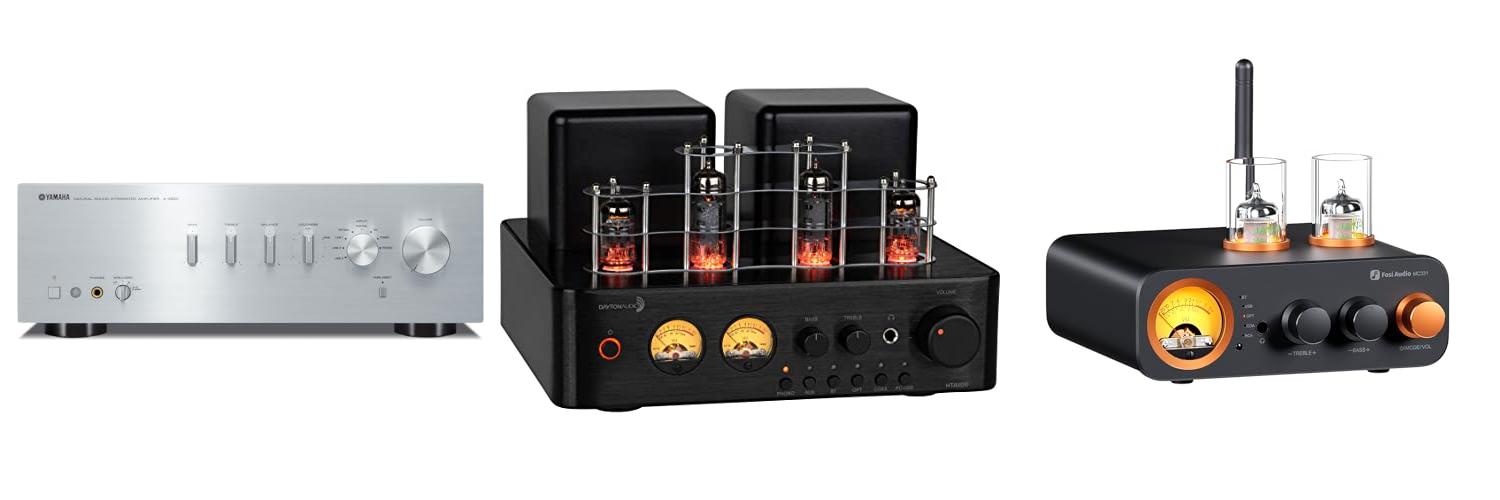
1. YAMAHA A-S501SL Natural Sound Integrated Stereo Amplifier (Silver)

Rating: 8.9/10
The YAMAHA A-S501SL Natural Sound Integrated Stereo Amplifier in sleek silver is a fantastic addition for any music lover. It delivers powerful sound with its 85 watts per channel, making your favorite songs come alive. This amplifier is built to bring you a pure, natural audio experience, just as the artist intended.
What We Like:
- It offers a strong 85W + 85W output for room-filling sound.
- It has gold-plated digital inputs (coax and optical) for clear connections.
- You get gold-plated analog inputs, including a special one for your record player (phono).
- It allows you to connect two sets of speakers (A, B, or both) to fill multiple areas with music.
- The sound quality is described as “Natural Sound,” meaning it’s clean and true to the original recording.
- The silver finish looks very stylish in any setup.
What Could Be Improved:
- While powerful, some audiophiles might want even more wattage for very large rooms or demanding speakers.
- The user interface, though functional, is not the most modern or flashy.
For anyone seeking a reliable and great-sounding stereo amplifier, the YAMAHA A-S501SL is an excellent choice. It provides the features and performance needed to elevate your home audio system.
2. Dayton Audio HTA100 Integrated Stereo Hybrid Tube Amplifier 100 Watts

Rating: 9.1/10
The Dayton Audio HTA100 Integrated Stereo Hybrid Tube Amplifier is a fantastic choice for anyone looking to upgrade their home audio setup. It beautifully combines classic looks with modern technology, bringing a warm, rich sound to your music.
What We Like:
- It looks amazing! The classic VU meters and the soft glow from the tubes create a really cool, retro vibe that will impress your friends.
- It’s powerful, delivering 50 watts per channel of clear sound. The tube preamp adds a special warmth to your music, like the old-school amplifiers you might remember.
- You can connect almost anything. It has inputs for your record player, phone, and computer, plus Bluetooth so you can stream wirelessly.
- It offers the best of both worlds. It uses smart technology to give you the clarity of modern amps with the warm, inviting sound of tubes.
- You have total control. There’s a headphone jack for private listening and strong speaker connections for when you want to really turn it up. You can also tweak the bass and treble to get the exact sound you want.
- Bluetooth 5.0 makes streaming easy and reliable.
What Could Be Improved:
- While powerful, some users might desire even more wattage for very large rooms or demanding speaker setups.
- The “modernized vintage aesthetic” might not appeal to everyone’s personal style.
The Dayton Audio HTA100 is an excellent amplifier that delivers both stunning looks and impressive sound quality. It’s a great way to enjoy your music with a touch of classic charm and modern convenience.
3. Fosi Audio MC331 Tube Integrated Amplifier with DAC

Rating: 9.4/10
The Fosi Audio MC331 Tube Integrated Amplifier is a cool all-in-one device for your home audio setup. It acts as a DAC, amplifier, preamp, and even a headphone amp. This means you can connect lots of different things to it and get a great listening experience. The cool glowing tubes and the VU meter give it a neat retro look that stands out.
What We Like:
- It’s an all-in-one unit, so you don’t need as many separate boxes.
- The vintage VU meter and glowing tubes look really awesome.
- You can connect almost anything with its many input options like Bluetooth, USB, and RCA.
- It’s small but still packs a punch, with enough power for bookshelf speakers.
- You can change the tubes to get your own favorite sound.
- The remote control makes it easy to adjust settings from your couch.
What Could Be Improved:
- While it has a headphone output, it only uses a 3.5mm jack, which might not be ideal for some higher-end headphones.
- The “compact” size might mean some connections are a little close together.
This Fosi Audio MC331 is a fantastic option for anyone wanting to upgrade their home audio with a blend of modern tech and classic style. It offers great sound and a fun aesthetic.
4. Fosi Audio MC351 2.1 Channel Integrated Amplifier with DAC

Rating: 9.4/10
The Fosi Audio MC351 is a powerful and versatile 2.1 channel integrated amplifier designed to elevate your home audio experience. It combines a high-resolution DAC with robust amplification, offering a range of connectivity options for all your audio needs. Its stylish vintage design with a VU meter makes it a great addition to any HiFi setup.
What We Like:
- It’s an all-in-one solution, handling digital inputs like Bluetooth, USB, Optical, and Coaxial.
- It delivers impressive power with two TPA3255 chips, making your passive speakers sound great.
- The design is user-friendly, with easy input switching and tone controls.
- The automatic standby feature saves energy.
- The vintage VU meter adds a cool retro look and visual appeal.
- Its all-aluminum-alloy construction feels premium and looks sleek.
What Could Be Improved:
- While powerful, the 350W subwoofer output might be overkill for some smaller setups.
- The “central detents” for tone controls might not appeal to everyone who prefers continuous adjustment.
The Fosi Audio MC351 is an excellent choice for anyone seeking a powerful, feature-rich amplifier with a touch of vintage style. It delivers impressive sound quality and a great user experience.
5. Willsenton R300 Plus Tube Amplifier 300Bx2 Single-Ended Class A Integrated Amplifier Power Amplifier Headphones amp All in One (Silver Panel)

Rating: 8.9/10
The Willsenton R300 Plus Tube Amplifier is a versatile audio powerhouse. It can be an integrated amplifier, a power amplifier, and even a headphone amplifier. This all-in-one design makes it a great choice for many music lovers. The beautiful silver panel and classic blue piano paint body give it a stylish look. It’s built with care, using pure hand-made, point-to-point manual welding. This amplifier uses special tubes to give you amazing sound.
What We Like:
- It’s an all-in-one amplifier: integrated, power, and headphone.
- The pure hand-made construction with point-to-point manual welding ensures quality.
- It features a beautiful design with a silver panel and blue piano paint body.
- The easy-to-change battery cover is a thoughtful touch.
- It uses high-quality vacuum tubes like 5AR4, Tung-Sol 6SL7 GT, Soviet 6SN7, and customized 300B tubes for rich sound.
- It comes with a one-year warranty for peace of mind.
What Could Be Improved:
- Tube rolling can be an expensive hobby if you want to experiment with different sounds.
- Tube amplifiers require some maintenance and care.
The Willsenton R300 Plus offers fantastic sound and build quality. It’s a great option for anyone looking to enhance their audio experience.
Your Guide to Vintage Integrated Amplifiers: Bringing Old-School Sound to Your Home
What is a Vintage Integrated Amplifier?
A vintage integrated amplifier is like a superhero for your music. It’s a device that combines two important jobs: a preamplifier and a power amplifier. Think of it as a one-stop shop for making your music sound amazing. Vintage ones are special because they were built a long time ago, often with great care and quality parts.
Why Choose a Vintage Integrated Amplifier?
Many people love vintage amps for their unique sound. They often have a warm, rich tone that digital gear sometimes misses. They also look super cool! Many vintage amps are built to last, using solid metal and wood, not cheap plastic. They can be a great way to get high-quality sound without spending a fortune on new equipment.
Key Features to Look For
1. Power Output (Watts)
This tells you how loud the amp can get. For most living rooms, 20-50 watts per channel is plenty. More powerful amps are good for larger rooms or if you like to crank it up!
2. Inputs and Outputs
Check how many ways you can connect your music sources. You’ll want enough inputs for your turntable, CD player, streamer, and maybe even a tape deck. Look for speaker outputs to connect your speakers.
3. Phono Stage
If you love vinyl records, a built-in phono stage is a must. This special part helps your turntable sound its best.
4. Tone Controls
Some vintage amps have knobs for bass and treble. These let you tweak the sound to your liking.
5. Build Quality
Look for amps made with sturdy metal cases and nice wooden accents. These often sound better and last longer.
Important Materials
Vintage amps often used high-quality materials that are built to last:
- Metal Chassis: Strong metal cases help reduce noise and vibrations.
- Wood Veneers: Some amps have beautiful real wood cabinets.
- High-Quality Capacitors and Resistors: These internal parts are crucial for good sound.
Factors That Improve or Reduce Quality
What Makes Them Great:
- Hand-Wiring: Many older amps were carefully hand-wired, which some believe leads to better sound.
- Robust Components: Manufacturers used durable parts that often outlast modern equivalents.
- Simpler Circuitry: Less complex designs can sometimes result in a more natural sound.
What Can Make Them Less Great:
- Aging Components: Over time, parts like capacitors can wear out and affect sound quality.
- Lack of Modern Features: Some vintage amps might not have digital inputs like USB or Bluetooth.
- Maintenance Needs: Older gear might need occasional cleaning or repairs.
User Experience and Use Cases
Using a vintage integrated amplifier is a rewarding experience. You get to connect with your music in a more hands-on way. They are perfect for:
- Audiophiles: People who really care about amazing sound quality.
- Vinyl Enthusiasts: Those who enjoy the warm sound of record players.
- Retro Decor: Vintage amps often look fantastic as part of your home’s style.
- Budget-Conscious Buyers: You can find incredible value in older, well-made equipment.
Setting up is usually straightforward: connect your music sources to the inputs, and your speakers to the outputs. Then, turn it on and enjoy the classic sound!
Frequently Asked Questions (FAQ)
Q: Are vintage integrated amplifiers better than new ones?
A: It depends on what you’re looking for! Vintage amps often offer a warm, rich sound and great build quality for the price. New amps might have more modern features and warranties.
Q: How do I know if a vintage amplifier is in good working condition?
A: Listen for any strange noises like humming or crackling. Check that all the lights work and that the volume knob moves smoothly. If possible, test it with speakers before buying.
Q: Do I need to be an expert to use a vintage integrated amplifier?
A: No, not at all! Most are quite simple to operate. You just need to know how to connect your devices and speakers.
Q: Where can I buy vintage integrated amplifiers?
A: You can find them at vintage audio stores, online marketplaces like eBay, and sometimes at estate sales or flea markets.
Q: What is “warm sound”?
A: “Warm sound” usually means the music has a rich, smooth, and pleasing tone, often with a bit more bass. It’s a sound many people find very enjoyable.
Q: How much should I expect to spend on a good vintage integrated amplifier?
A: Prices can vary a lot, from under $100 for basic models to several hundred or even thousands for high-end or rare pieces.
Q: Can I connect my smartphone to a vintage integrated amplifier?
A: Yes, you usually can! You might need a simple adapter cable that connects your phone’s headphone jack to one of the amp’s audio inputs.
Q: What maintenance do vintage amplifiers need?
A: Sometimes they need dusting, and occasionally, older parts might need to be replaced by a professional for optimal performance.
Q: Are vintage amplifiers safe to use?
A: Generally, yes. However, it’s always a good idea to inspect the power cord for any damage and ensure the unit is placed in a well-ventilated area.
Q: What are some popular vintage integrated amplifier brands?
A: Some well-loved brands include Marantz, Sansui, Pioneer, Yamaha, and Kenwood.
In conclusion, every product has unique features and benefits. We hope this review helps you decide if it meets your needs. An informed choice ensures the best experience.
If you have any questions or feedback, please share them in the comments. Your input helps everyone. Thank you for reading.