
What is car equity? Car equity is the difference between your car’s current market value and the amount you still owe on your auto loan. Can I have negative equity? Yes, it’s possible to have negative equity, also known as being “upside-down” on your car loan, meaning you owe more than the car is worth.
Knowing your car equity is crucial for making informed financial decisions about your vehicle. Whether you’re looking to sell your car, trade it in, refinance your auto loan, or simply want to know your financial position, calculating your car equity is a vital step. This comprehensive guide will walk you through exactly how to do it, why it matters, and what factors influence it.
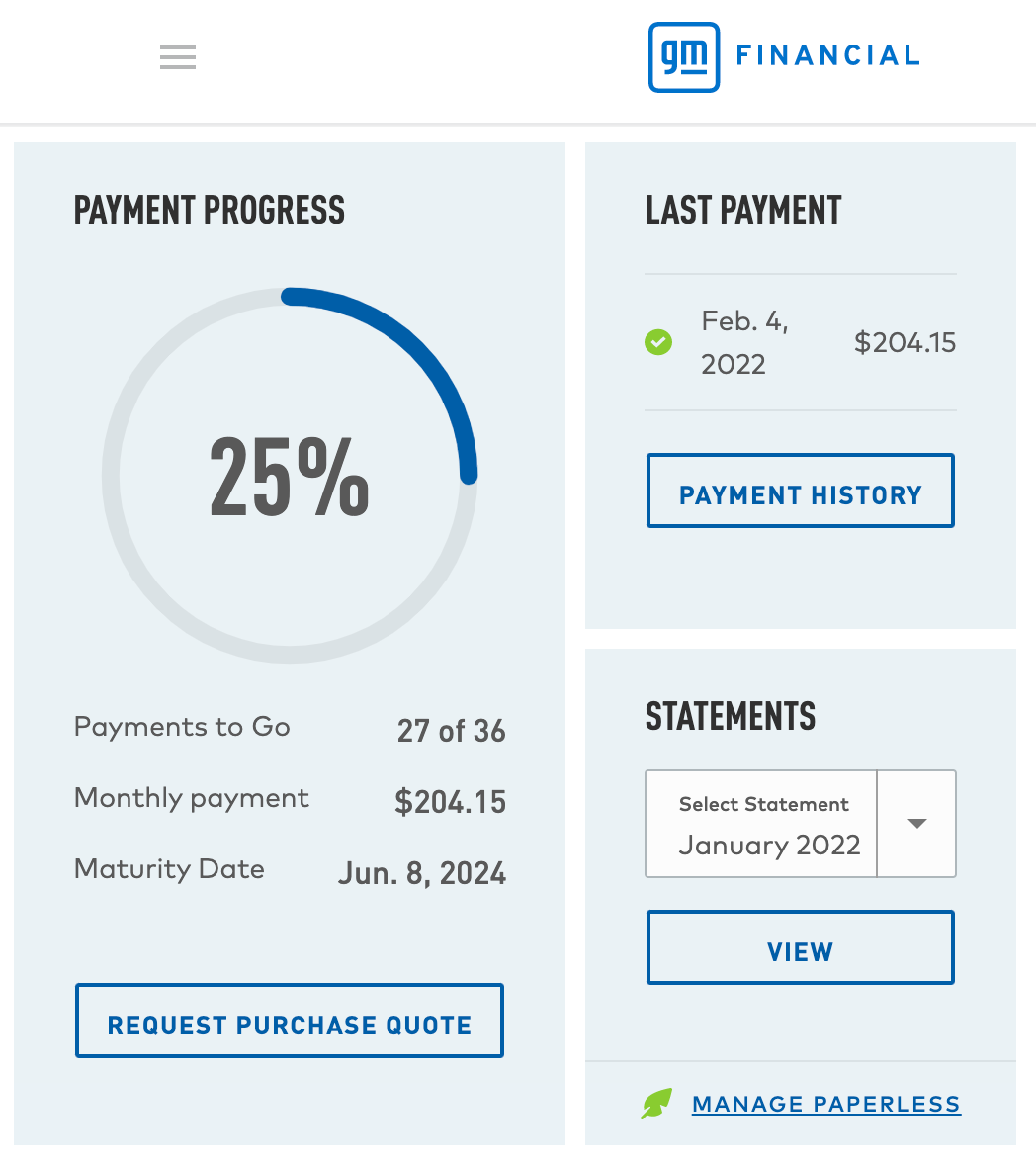
Image Source: images.squarespace-cdn.com
Deciphering Your Car Equity
At its core, car equity is a measure of ownership. It represents the portion of your car’s value that you truly “own” outright, free from any outstanding debt. Think of it like the equity you build in a house. As you pay down your mortgage, your equity increases. Similarly, as you pay down your car loan, your equity in the vehicle grows, assuming its market value doesn’t decrease faster than your loan balance.
The Fundamental Equation
The basic formula for calculating car equity is straightforward:
Car Equity = Current Car Worth – Loan Balance
Let’s break down each component:
Gauging Your Vehicle’s Worth
Determining your car’s current worth is the first critical step. This isn’t necessarily the price you paid for it, nor is it the manufacturer’s suggested retail price (MSRP). Instead, it’s the vehicle value at which you could realistically sell your car today. Several factors influence this:
- Make and Model: Popular brands and models with strong reputations for reliability tend to hold their value better.
- Year: Newer cars are generally worth more than older ones.
- Mileage: Lower mileage typically means a higher resale value. High mileage accelerates depreciation.
- Condition: The overall mechanical and cosmetic condition of your car is paramount. A well-maintained car with no major damage will fetch a better price.
- Features and Options: Desirable features like leather seats, navigation systems, sunroofs, and advanced safety technologies can increase your car’s value.
- Location: Market demand varies by region. A car that’s popular in one area might be less sought after in another.
- Accident History: A clean accident history significantly boosts a car’s value. Previous accidents, even if repaired, can reduce it.
Where to Find Your Car’s Current Worth
To get an accurate estimate of your current car worth, you can utilize several resources:
-
Online Valuation Tools: Websites like Kelley Blue Book (KBB), Edmunds, and NADA Guides are excellent starting points. They provide estimated values based on your car’s specifics. You’ll typically be asked for the year, make, model, trim level, mileage, options, and condition. These sites often provide different values for different selling scenarios:
- Retail Value: What a dealer might sell it for.
- Trade-in Value: What a dealer might offer you if you trade it in for another vehicle. This is usually lower than retail.
- Private Party Value: What you might expect to get selling it yourself to an individual. This is usually higher than trade-in but lower than retail.
-
Local Dealerships: Visiting a few dealerships for quotes on your car’s trade-in value can give you a tangible idea of what the market will bear. Be aware that their offers will likely be lower than what you might get selling privately, as they need to factor in reconditioning costs and profit.
-
Online Marketplaces: Browse listings on sites like Craigslist, Facebook Marketplace, or AutoTrader for similar vehicles in your area. This can give you a sense of the going rates for private sales.
The Impact of Depreciation
Depreciation is the natural decline in a vehicle’s value over time. It’s one of the biggest costs of car ownership. Most cars lose a significant portion of their value in the first few years. Factors like mileage, wear and tear, and market demand all contribute to how quickly a car depreciates. Understanding this rate of depreciation is key to accurately assessing your car’s current worth.
Pinpointing Your Loan Balance
Your loan balance is the total amount of money you still owe to the lender for your auto loan. This is not the same as your monthly payment. To find your loan balance, you can:
- Check Your Latest Statement: Your monthly car loan statement will clearly show your outstanding principal balance.
- Log In to Your Lender’s Online Portal: Most lenders offer online access where you can view your account details, including the current loan balance.
- Contact Your Lender Directly: A quick phone call to your auto loan provider will get you the exact payoff amount.
The Auto Loan Calculator
An auto loan calculator can be a helpful tool, though it primarily assists with understanding payments and amortization schedules rather than directly providing your current payoff balance. However, by inputting your original loan amount, interest rate, and the number of payments you’ve made, some advanced calculators can give you an estimated remaining balance. It’s always best to confirm this with your lender.
Calculating Your Equity Percentage
While the raw dollar amount of your equity is important, sometimes it’s useful to express it as an equity percentage. This can help you understand your position relative to the car’s total value.
Equity Percentage = (Car Equity / Current Car Worth) × 100%
For example, if your car is worth $15,000 and you owe $10,000, your equity is $5,000.
Equity Percentage = ($5,000 / $15,000) × 100% = 33.3%
This means you own 33.3% of your car’s current value outright.
Understanding Loan-to-Value Ratio (LTV)
The loan-to-value ratio (LTV) is a financial metric used by lenders to assess risk. It compares the amount of your loan to the value of the asset securing it. For a car loan, it’s calculated as:
LTV = (Loan Balance / Current Car Worth) × 100%
A lower LTV generally indicates a stronger financial position. For instance, if your car is worth $15,000 and you owe $10,000:
LTV = ($10,000 / $15,000) × 100% = 66.7%
This means your loan is 66.7% of the car’s value. Many lenders consider an LTV below 80% to be favorable.
Why Does Car Equity Matter?
Your car equity has significant implications for various financial actions you might take concerning your vehicle.
Selling Your Car
-
Positive Equity: If you have positive equity, you can sell your car for more than you owe. The excess cash can be used as a down payment on a new car, paid into your savings, or used for other purposes. For example, if your car is worth $12,000 and you owe $8,000, you have $4,000 in equity. After paying off the loan, you’ll have $4,000 left over.
-
Negative Equity (Upside-Down): If you owe more than your car is worth (an upside-down car loan), selling it presents a challenge. You’ll need to cover the difference between the sale price and the remaining loan balance out-of-pocket. If your car is worth $8,000 and you owe $12,000, you have negative equity of $4,000. You would need to come up with $4,000 in addition to the sale proceeds to pay off the loan.
Trading In Your Car
Similar to selling, your equity affects your trade-in.
-
Positive Equity: A positive equity position means your car’s trade-in value exceeds your car loan payoff. This excess can be applied as a down payment towards your next vehicle, effectively reducing the amount you need to finance.
-
Negative Equity: If you’re upside-down, the dealership might still allow you to trade in the car, but they will deduct the difference you owe from the trade-in value. This means you’ll effectively roll the negative equity into your new car loan, increasing your payments and the total interest paid over time.
Refinancing Your Auto Loan
If you have a good credit score and have built up positive equity, you might be able to refinance your auto loan.
-
Benefits of Refinancing with Equity: Refinancing can help you secure a lower interest rate, reduce your monthly payments, or shorten your loan term. Having equity generally makes lenders more willing to work with you.
-
Cash-Out Refinancing: In some cases, you might be able to do a cash-out refinance. This allows you to borrow more than your remaining loan balance, with the difference being paid to you in cash. This is only possible if you have substantial equity in your vehicle. The amount you can borrow is usually limited by the LTV ratio.
Buying Out Your Lease or Loan
If you’re nearing the end of a lease or looking to own your car outright, knowing your equity can help you understand the financial implications of buying it.
Getting a Car Title Loan
A car title loan is a short-term, high-interest loan where you use your car as collateral. The loan amount is based on your car’s value. Having positive equity is essential for this type of loan, as the lender will only lend a percentage of your car’s worth.
Factors Influencing Car Equity
Several factors can cause your car equity to fluctuate:
The Pace of Depreciation
As mentioned earlier, depreciation is a primary driver of equity. Cars depreciate at different rates. Luxury vehicles, vehicles with complex technology, and those in less popular segments often depreciate faster than mainstream models known for reliability.
Loan Terms and Interest Rates
The length of your car loan and the interest rate you pay significantly impact how quickly you build equity.
-
Longer Loan Terms: While longer terms can lead to lower monthly payments, they also mean you’ll be paying interest for a longer period. This can slow down equity building, especially in the early years when most of your payment goes towards interest.
-
Higher Interest Rates: A higher interest rate means more of your monthly payment goes towards interest, leaving less to reduce the principal loan balance. This also slows down equity accumulation.
Using an auto loan calculator can help you see how different loan terms and interest rates affect your payoff schedule and, consequently, your equity growth.
Making Extra Payments
Paying more than your minimum monthly payment can significantly accelerate your equity building. Extra payments directly reduce the principal balance, meaning you pay less interest over the life of the loan and build equity faster. Even small, consistent extra payments can make a big difference.
Vehicle Condition and Maintenance
Regular maintenance, keeping the car clean, and addressing minor issues promptly can help preserve its vehicle value. A well-maintained car will experience slower depreciation and command a higher price in the market, thus contributing positively to your equity.
Modifications and Add-ons
While some aftermarket additions might enhance your driving experience, they often don’t add value to your car when it comes to resale. In some cases, modifications can even decrease your car’s value, especially if they are highly specialized or not to a buyer’s taste.
Practical Steps to Boost Your Car Equity
If you’re looking to improve your car’s equity, here are some actionable steps:
- Make Extra Principal Payments: As soon as your budget allows, make extra payments directly applied to the principal of your auto loan.
- Increase Down Payment on Next Car: A larger down payment on your next vehicle reduces the amount you need to finance, giving you a head start on building equity in that new car.
- Maintain Your Car Meticulously: Regular oil changes, tire rotations, and keeping up with scheduled maintenance will help preserve your car’s current car worth.
- Keep it Clean and Presentable: A clean interior and exterior can significantly impact your car’s perceived value. Regular washing and vacuuming are simple but effective.
- Address Minor Damage Promptly: Fix small dents, scratches, or chips before they become bigger problems or contribute to rust.
- Drive Less (If Possible): Lower mileage is a key factor in slowing down depreciation. Consider carpooling, using public transport, or combining errands to reduce your driving.
- Shop Around for Insurance: While not directly impacting equity, lower insurance premiums free up money that could be put towards extra loan payments.
Scenarios Where Equity Calculation is Key
- Planning to Sell or Trade-In: This is perhaps the most common reason to calculate car equity. It tells you what financial position you’ll be in after the transaction.
- Considering a New Car Purchase: Knowing your current equity helps determine how much you can put down on a new vehicle, influencing your financing options.
- Facing Financial Hardship: If you’re struggling to make payments, understanding your equity (or lack thereof) is vital to figuring out your options, such as selling the car to pay off the loan.
- Looking to Refinance: A lender will want to know your LTV, which requires knowing your equity.
- Vehicle is Damaged or Declared a Total Loss: Your insurance payout will be based on your car’s actual cash value (ACV). If the payout is less than your loan balance, you’ll need to cover the difference with your equity.
Example Calculation Walkthrough
Let’s say you bought a car for $25,000 with a 5-year loan at 4% interest. After three years (36 payments), you’ve paid $8,000 towards the loan, leaving a loan balance of $17,000.
During those three years, your car has experienced depreciation. You check online valuation tools and find your car’s current car worth is now $15,000.
Step 1: Identify Loan Balance
Your loan balance is $17,000.
Step 2: Determine Current Car Worth
Your car’s estimated value is $15,000.
Step 3: Calculate Car Equity
Car Equity = Current Car Worth – Loan Balance
Car Equity = $15,000 – $17,000
Car Equity = -$2,000
In this scenario, you have negative equity of $2,000. This means you are upside-down on your car loan by $2,000. If you were to sell the car today for $15,000, you would still owe your lender $2,000 after the sale.
Now, let’s consider a different scenario. Suppose after three years, you’ve paid $10,000 towards the loan, leaving a loan balance of $15,000. Your car’s current car worth is still $15,000.
Car Equity = Current Car Worth – Loan Balance
Car Equity = $15,000 – $15,000
Car Equity = $0
In this case, you have zero equity. You owe exactly what the car is worth.
Finally, imagine you’ve paid $12,000 towards the loan, leaving a loan balance of $13,000. Your car’s current car worth is $15,000.
Car Equity = Current Car Worth – Loan Balance
Car Equity = $15,000 – $13,000
Car Equity = $2,000
Here, you have positive equity of $2,000. If you sell your car for $15,000, you can pay off the $13,000 loan and have $2,000 remaining.
Frequently Asked Questions (FAQ)
Q1: Can I calculate my car equity if I own the car outright?
A1: Yes, if you own your car outright, you have 100% equity. Your loan balance is $0, so your equity is simply the current market value of your vehicle.
Q2: How often should I check my car equity?
A2: It’s a good practice to check your car equity at least once a year, or whenever you’re considering selling, trading, or refinancing your vehicle. Major life events or significant market shifts might also prompt you to re-evaluate.
Q3: Does paying off my car loan increase my equity?
A3: Absolutely. Paying off your car loan completely removes the debt, meaning your equity becomes equal to the full current market value of your car.
Q4: What is the fastest way to build car equity?
A4: The fastest way to build car equity is to make extra payments directly towards the principal of your auto loan and to keep your car in excellent condition to minimize depreciation.
Q5: My car was totaled in an accident. How does equity play a role?
A5: If your car is declared a total loss, the insurance company will pay you the actual cash value (ACV) of your car. If the ACV is less than your remaining loan balance, you will have an upside-down car loan, and you’ll need to pay the difference out of pocket to satisfy the loan before you can receive any insurance payout for the vehicle itself. If the ACV is more than the loan balance, you’ll have positive equity, and the difference will be yours after the loan is paid off.