
What is the typical towing time for a car? The typical towing time for a car can range from 30 minutes to over an hour, depending on various factors like the towing company’s availability, your location, the complexity of the tow, and the distance the vehicle needs to be transported.
When your car breaks down or needs to be moved, the question of “how long does it take to tow a car?” is often at the forefront of your mind. This is a natural concern, as you’re likely stranded, possibly in an inconvenient location, and eager to get your vehicle to a safe place or a repair shop. The actual towing duration can be surprisingly varied. While some tows are quick, others can take considerably longer. Let’s delve into the factors that influence car towing time and what you can generally expect when you need a towing service length.
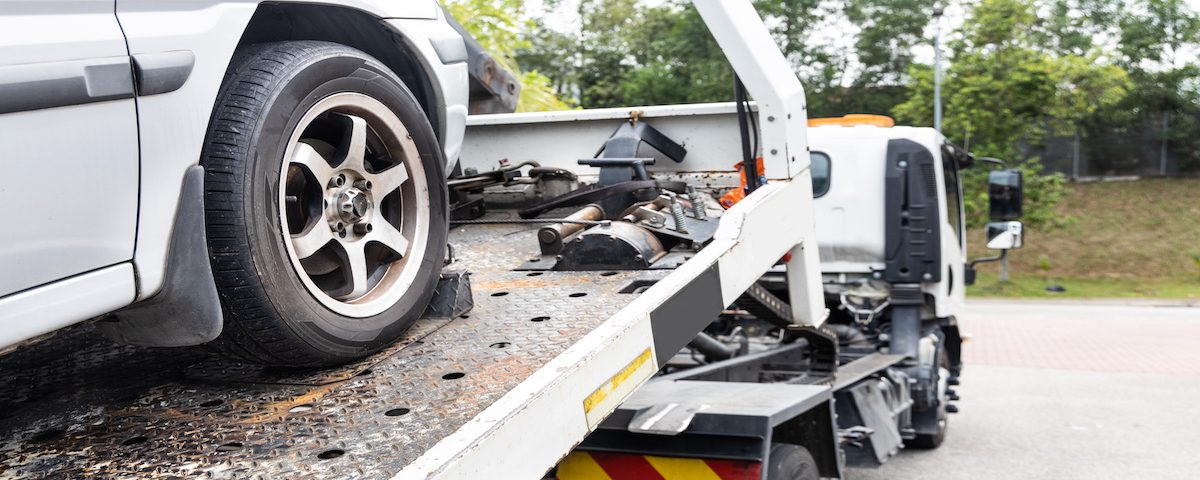
Image Source: guystowingservice.com
Factors Affecting How Long Tow Truck Arrives
The first hurdle in getting a car towed time is the arrival of the tow truck itself. This is often the most variable part of the entire process.
Availability of Towing Companies
- Local Demand: During peak hours, bad weather, or major holidays, tow trucks are in high demand. This means you might have to wait longer for a truck to become available.
- Number of Trucks in Your Area: If you’re in a more remote or less populated area, there might be fewer towing companies or fewer trucks operating at any given time, leading to longer wait times.
- Time of Day: Towing services often operate 24/7, but late at night or early in the morning, there might be fewer drivers on duty, extending your wait.
Distance to Your Location
The physical distance the tow truck needs to travel to reach you is a significant factor. A truck that is already nearby will get to you much faster than one coming from a distant depot.
Traffic Conditions
Heavy traffic can significantly slow down the tow truck’s journey to your location. This is especially true in urban areas or during rush hour.
Weather
Severe weather conditions, such as heavy rain, snow, ice, or high winds, can make roads hazardous for everyone, including tow truck operators. This can lead to slower travel times and, consequently, longer waits for you.
Type of Towing Service Requested
- Emergency Towing: These calls are typically prioritized. If you’re in a dangerous situation (e.g., on a busy highway shoulder), the towing company will likely dispatch a truck as quickly as possible.
- Scheduled Towing: If you’re arranging a tow in advance for a non-emergency situation, the towing service length will be determined by the availability of trucks at your requested time.
The Towing Process Itself: From Hook-Up to Drop-Off
Once the tow truck arrives, the actual process of hooking up and transporting your vehicle also takes time.
Hooking Up Your Vehicle
- Type of Vehicle: The ease of hooking up can depend on the type of car. For example, a standard sedan might be quicker to secure than a large SUV, a truck, or a vehicle with damaged wheels.
- Method of Towing:
- Flatbed Towing: This involves driving the car onto the flatbed. It’s generally safer and faster to load, especially if the car is not drivable. The auto transport time on a flatbed is often more straightforward.
- Wheel-Lift Towing (Hook and Chain/Sling): This method lifts the front or rear wheels off the ground. It can be a bit more complex to position correctly, especially if the steering is locked or there are other issues.
- Condition of the Vehicle: If your car is in a precarious position (e.g., in a ditch, partially in water, or blocking traffic), the tow operator might need extra time and equipment to safely secure it. This is part of the car recovery time.
- Roadside Assistance vs. Standard Towing: Sometimes, roadside assistance towing time might include a brief assessment or attempt to fix the issue before towing, potentially adding a few minutes.
Travel Time to Destination
This is perhaps the most straightforward factor after the truck has arrived. The distance to your chosen repair shop or destination directly impacts the vehicle transport duration.
- Distance: A 5-mile tow will obviously take less time than a 50-mile tow.
- Traffic: As mentioned before, traffic conditions during the transport can extend the overall time.
- Road Conditions: Poorly maintained roads or areas with frequent road construction can also slow down the journey.
Dropping Off the Vehicle
- At the Repair Shop: Dropping off a vehicle at a repair shop usually involves paperwork and ensuring the car is in a safe spot. This typically takes a few minutes.
- At Your Home or Another Location: Similar to a repair shop, the drop-off process is usually quick.
Estimating Your Towing Time: A Realistic Outlook
So, how long can you realistically expect the entire process to take? Let’s break it down into stages.
Stage 1: Waiting for the Tow Truck to Arrive
This is the most unpredictable part.
- Best Case Scenario: You’re close to a towing company, it’s a quiet time of day, and traffic is light. Arrival could be as quick as 15-30 minutes.
- Average Scenario: You might be in a moderately busy area, or there’s moderate traffic. Expect arrival in 30-60 minutes.
- Worst Case Scenario: It’s peak hour, bad weather, you’re in a remote location, or all local trucks are busy. This could mean a wait of 1-2 hours or even longer.
Stage 2: Hooking Up and Loading
This usually doesn’t take too long for a standard tow.
- Standard Tow: Expect 5-15 minutes to safely hook up and load your vehicle onto the tow truck.
- Complex Situations: If the vehicle is in an awkward spot or requires special handling, it could add another 5-10 minutes.
Stage 3: Travel Time to Destination
This is purely a function of distance and traffic.
- Short Distance (e.g., 5-10 miles) with no traffic: 10-20 minutes.
- Medium Distance (e.g., 20-30 miles) with moderate traffic: 30-60 minutes.
- Long Distance (e.g., 50+ miles) or heavy traffic: 1-2 hours or more.
Stage 4: Drop-Off
This is usually brief.
- Quick Drop-off: 5-10 minutes.
Total Estimated Towing Time
Adding these stages together, the total car towing time can range:
- Quick Tow: 15 (arrival) + 5 (hook) + 10 (travel) + 5 (drop) = 35 minutes
- Average Tow: 45 (arrival) + 10 (hook) + 30 (travel) + 5 (drop) = 90 minutes (1.5 hours)
- Longer Tow: 90 (arrival) + 15 (hook) + 90 (travel) + 10 (drop) = 205 minutes (over 3 hours)
These are just estimates, and real-world scenarios can always differ. It’s important to note that roadside assistance towing time often aims to be faster for safety reasons.
Factors Influencing Vehicle Transport Duration
Beyond the immediate arrival and hook-up, other elements can impact how long your vehicle is in transit.
Type of Towing Vehicle
- Light-Duty Tow Trucks: These are typically used for cars and smaller SUVs. They are generally faster and more maneuverable.
- Medium-Duty Tow Trucks: Used for larger SUVs, trucks, and some vans. They might be slightly slower.
- Heavy-Duty Tow Trucks: Used for commercial vehicles, RVs, and large trucks. The vehicle transport duration for these can be longer due to their size and the need for more careful handling.
- Flatbed Trailers: The time spent loading onto a flatbed is often efficient, but the trailer itself might be slower on the road than a single tow truck.
Distance and Route
The chosen route can significantly influence travel time. A direct route with clear roads will be faster than one that involves multiple turns, traffic lights, or potentially slower back roads.
Legal Requirements and Regulations
In some areas, there might be regulations about where and when certain types of towing can occur, which could indirectly affect the towing duration. For instance, towing during certain hours might be restricted in residential areas.
Communication and Coordination
Clear communication with the towing company is vital. Providing accurate location details, the nature of the problem, and the destination can help them dispatch the correct truck and plan the route efficiently, minimizing delays.
Tips for Expediting Your Towing Experience
While you can’t control everything, there are steps you can take to help speed up the process.
Be Prepared with Information
- Accurate Location: Have your precise location ready, including street names, mile markers, or cross streets. If you’re on a highway, know which direction you’re traveling.
- Vehicle Details: Know the make, model, and color of your car.
- Nature of the Problem: Briefly describe why your car needs towing (e.g., flat tire, engine won’t start, accident).
- Destination: Know where you want your car taken.
Choose the Right Towing Service
- Reputable Companies: Stick with well-known and reputable towing companies. They often have better dispatch systems and more reliable service.
- Specialized Services: If your car requires specific handling (e.g., a luxury car that needs a soft-strap tow), ensure the company can provide it.
Stay Safe While Waiting
- Pull Over Safely: If your car breaks down, try to move it to a safe location off the road.
- Visibility: Turn on your hazard lights. If it’s dark or visibility is poor, consider using flares or reflective triangles if you have them.
- Stay Away from Traffic: Wait in a safe place, away from moving vehicles.
Communicate Effectively
- Confirm Arrival Times: Ask the towing company for an estimated arrival time and then check in if that time passes without a truck appearing.
- Provide Updates: If your situation changes or you move to a safer spot, let the towing company know.
Car Recovery Time: When Things Get Complicated
Sometimes, towing isn’t as simple as hooking up a car. Car recovery time refers to the process of getting a vehicle unstuck or into a position where it can be towed. This can add significant time.
Scenarios Requiring Recovery
- Vehicle in a Ditch: Extracting a car from a ditch requires specialized equipment like winches and potentially additional personnel.
- Accident Scenes: If a car is involved in an accident, especially if it’s blocking traffic or in a dangerous position, recovery can be complex and might involve police presence and traffic management.
- Flooded Vehicles: Retrieving a car from water is a difficult and time-consuming process.
- Stuck in Mud or Snow: Similar to ditches, these situations require winching and careful extraction.
- Rollover Accidents: Righting a overturned vehicle is a delicate and lengthy operation.
Factors Affecting Recovery Time
- Severity of the Situation: The deeper the ditch, the more severe the accident, the longer the recovery.
- Terrain: Soft ground or difficult terrain can make recovery more challenging.
- Equipment Available: The towing company’s available equipment (winches, straps, cranes) will dictate what’s possible and how quickly.
- Safety Precautions: Ensuring the safety of the recovery crew and the public can add time.
Car recovery time can easily add an extra 30 minutes to several hours to the overall towing process, depending on the complexity.
Auto Transport Time vs. Local Towing
It’s important to distinguish between local towing and auto transport time.
- Local Towing: This is when your car is towed a relatively short distance, usually to a nearby mechanic or your home. The entire process, as discussed, might take a few hours at most.
- Auto Transport: This involves moving a vehicle over much longer distances, often across states or even countries. This is usually done via car carriers (car haulers) or enclosed trailers. The auto transport time is measured in days or weeks, not hours. Factors include distance, transport method, driver availability, and delivery schedules.
Frequently Asked Questions (FAQs)
Q1: How long does it usually take for a tow truck to arrive?
A: Typically, a tow truck can arrive within 30 to 60 minutes. However, this can vary significantly based on demand, your location, traffic, and weather. In busy times or bad weather, it could take an hour or more.
Q2: Can I request a specific towing company?
A: Yes, if you have a preferred towing service or one that you have a roadside assistance plan with (like AAA), you can absolutely request them.
Q3: What if I need to be towed a long distance?
A: For long-distance towing, the process is similar, but the travel time will naturally be much longer. You’ll need to arrange this with the towing company, and they can give you an estimate for the travel portion. This is more akin to auto transport.
Q4: Will my car insurance cover towing costs?
A: This depends on your insurance policy. Many policies include roadside assistance or towing coverage as an add-on. If not, you might have to pay out-of-pocket or use a membership service.
Q5: What happens if the tow truck driver can’t hook up my car?
A: If the driver cannot safely hook up your vehicle (e.g., due to severe damage, being in an inaccessible location), they may have to call for specialized equipment or a different type of truck, which could extend the car recovery time and the overall towing duration.
Q6: Is there a difference in towing time for different types of cars?
A: While the hook-up time might vary slightly, the biggest impact comes from the towing method. Flatbed towing is often quicker to load than wheel-lift towing. The car’s size and weight can also influence the type of truck needed, which might affect availability.
Q7: How long should I expect the entire towing process to take from breakdown to drop-off?
A: From the moment you call until your car is dropped off, the entire process can range from about 1 hour for a quick local tow to 3-4 hours or more for a longer trip or if there are delays.
Q8: What is included in “roadside assistance towing time”?
A: Roadside assistance towing time refers to the total time from when you contact your roadside assistance provider until your vehicle is towed and dropped off. This includes the dispatch, the truck’s travel to you, the hook-up, and the transport.
Q9: How much longer does towing take in bad weather?
A: Bad weather can significantly increase waiting times for the tow truck’s arrival and the travel time to your destination due to slower speeds and increased demand. It could easily add 30 minutes to over an hour to the total towing duration.
In conclusion, getting a car towed time is a multifaceted issue. While the ideal scenario involves a quick response and a straightforward tow, real-world conditions often introduce variables that extend the towing duration. By preparing yourself with the right information and having realistic expectations, you can navigate the process of car towing time more smoothly.