
Yes, a car accident can potentially cause or exacerbate scoliosis. While scoliosis is most commonly diagnosed in adolescents, traumatic events like car accidents can lead to conditions that mimic or directly result in spinal curvature, a phenomenon known as trauma scoliosis or accident induced scoliosis. This can occur due to direct spinal injury, vertebral damage, or even the prolonged effects of severe whiplash and scoliosis development. The complex nature of car crash spine problems means that injury related curvature can manifest in various ways, and understanding these spine trauma consequences is crucial for anyone who has experienced a significant impact. The accident health effects can be far-reaching, impacting not just immediate recovery but long-term spinal health.
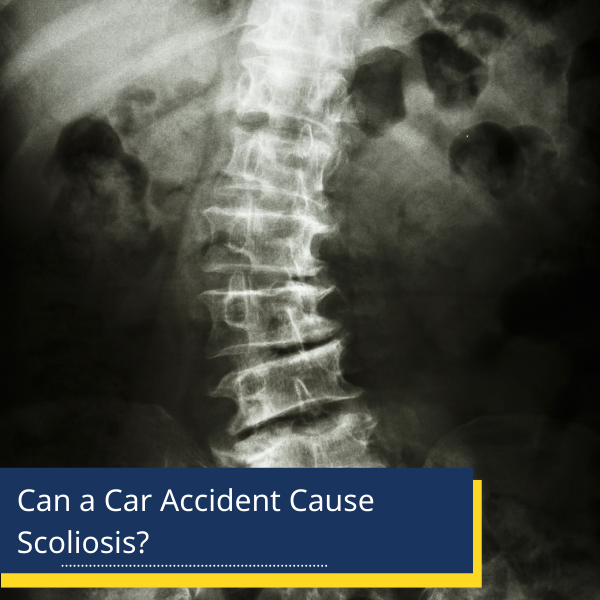
Image Source: stokesstemle.com
The Mechanics of Spinal Injury in Car Crashes
Car accidents involve immense forces that can dramatically affect the human body, particularly the spine. The rapid acceleration and deceleration, twisting motions, and direct impact can cause a range of injuries, from minor soft tissue damage to severe fractures. These forces are often multidirectional, meaning the spine can be subjected to compression, tension, and shear forces simultaneously. This complex interplay of forces can lead to vertebral damage, ligamentous tears, and disc injuries, all of which can contribute to changes in spinal alignment.
Forces at Play
During a car crash, occupants experience extreme forces. Consider these scenarios:
- Sudden Deceleration: When a vehicle abruptly stops, your body continues to move forward due to inertia. This can cause your spine to bend or twist violently.
- Impact Forces: A direct impact, especially to the side or rear, can transmit significant shock through the body, potentially jarring the vertebrae out of their natural alignment.
- Rotational Forces: Twisting motions during a crash are particularly dangerous, as they can strain ligaments and muscles supporting the spine, and even lead to facet joint dislocation.
Types of Spinal Trauma
The type of injury sustained during an accident can vary widely. Some common car crash spine problems include:
- Fractures: Vertebrae can fracture, leading to instability and potential spinal deformity.
- Ligament Tears: The ligaments that hold the vertebrae together can be stretched or torn, allowing for abnormal movement and instability.
- Disc Injuries: The intervertebral discs, which act as shock absorbers, can be herniated or ruptured, affecting spinal height and alignment.
- Muscle Spasms: The body’s protective response to injury often involves severe muscle spasms, which can pull the spine out of alignment and contribute to pain and stiffness.
When Trauma Leads to Curvature: Trauma Scoliosis
While idiopathic scoliosis (scoliosis with no known cause) is more common, trauma scoliosis is a recognized condition resulting from injury. This type of scoliosis develops after a significant physical event, such as a car accident, that disrupts the normal structure and biomechanics of the spine. The key difference lies in the onset of the curvature; it appears after the traumatic event.
How Accidents Can Induce Curvature
The development of accident induced scoliosis can occur through several mechanisms following a car crash:
- Asymmetrical Loading: If one side of the spine is more severely injured than the other, it can lead to uneven growth or compensatory changes, resulting in a curve.
- Fracture Displacement: A fractured vertebra that shifts out of its normal position can create an uneven surface, forcing the spine to adapt by developing a curve.
- Muscle Imbalance: Chronic pain and muscle spasms following an injury can lead to persistent muscle guarding and weakness, pulling the spine into an unnatural position.
- Soft Tissue Damage: Damage to the ligaments and muscles that stabilize the spine can lead to a loss of structural integrity, allowing the spine to buckle or curve over time.
- Whiplash and its Aftermath: Severe whiplash and scoliosis can be linked. The violent jerking motion of whiplash can cause micro-tears in the spinal ligaments and damage to the muscles that support the neck and upper back. If this damage is significant and not properly managed, it can lead to chronic instability and the development of a curvature, often in the cervical or thoracic spine. This is a prime example of how accident health effects can manifest as spinal deformation.
Post-Traumatic Scoliosis vs. Idiopathic Scoliosis
It’s important to distinguish post-traumatic scoliosis from other forms.
| Feature | Idiopathic Scoliosis | Post-Traumatic Scoliosis |
|---|---|---|
| Onset | Typically develops during adolescence | Develops after a specific traumatic event (e.g., car accident) |
| Cause | Unknown or multifactorial | Direct spinal injury, fracture, ligament damage, muscle imbalance |
| Progression | Can progress during growth spurts | Progression depends on the severity of the initial injury and spinal stability |
| Symptoms | Often asymptomatic in early stages, may include pain | Pain, stiffness, limited range of motion, neurological symptoms possible |
| Appearance | Can affect any part of the spine | Often localized to the area of injury, but can be more widespread |
Recognizing the Signs: Symptoms of Injury-Related Curvature
Following a car accident, recognizing potential signs of spinal compromise is vital. While immediate pain and bruising are obvious indicators, some symptoms of injury related curvature might develop more subtly over time.
Immediate and Delayed Symptoms
After a car accident, you might experience:
- Acute Pain: Localized pain at the site of injury, or radiating pain down the limbs.
- Stiffness: Difficulty moving the neck, back, or hips.
- Bruising and Swelling: Visible signs of soft tissue damage.
- Numbness or Tingling: Especially if nerves are compressed.
Symptoms that might indicate the development of accident induced scoliosis or other spinal alignment issues include:
- Uneven Shoulders or Hips: One shoulder may appear higher than the other, or one hip may seem more prominent.
- Leaning to One Side: An unconscious tendency to tilt the body to one side for comfort or balance.
- Rib Hump: When bending forward, one side of the rib cage may appear higher than the other.
- Waist Indentation: One side of the waist may appear deeper than the other.
- Progressive Back Pain: Pain that worsens over time, particularly with certain movements.
- Fatigue: The effort of maintaining an altered posture can lead to increased fatigue.
- Neurological Symptoms: In severe cases, nerve compression can lead to weakness in the legs, bowel or bladder changes, or radiating pain. These are serious spine trauma consequences and require immediate medical attention.
Diagnosis and Medical Evaluation
If you suspect you have developed a spinal curvature or are experiencing persistent symptoms after a car accident, a thorough medical evaluation is essential. Doctors will use a combination of physical examination, imaging techniques, and patient history to diagnose conditions like trauma scoliosis.
The Diagnostic Process
The steps involved in diagnosing accident induced scoliosis typically include:
- Medical History: The doctor will ask about the details of the car accident, including the type of impact, speed, and any immediate symptoms. They will also inquire about your general health and any pre-existing spinal conditions.
- Physical Examination: This involves assessing your posture, range of motion, and checking for any visible deformities like uneven shoulders or hips. Specific tests might be performed to evaluate muscle strength and nerve function.
- Imaging Studies:
- X-rays: These are crucial for visualizing the bones of the spine and identifying fractures, vertebral damage, and the degree of any curvature. Standing X-rays are often used to see how the spine aligns under the weight of the body.
- CT Scans (Computed Tomography): CT scans provide more detailed cross-sectional images of the bones, allowing for a closer look at complex fractures or significant vertebral damage.
- MRI Scans (Magnetic Resonance Imaging): MRIs are excellent for visualizing soft tissues, including ligaments, muscles, nerves, and intervertebral discs. They can help identify the extent of damage to these structures and assess for nerve compression.
Interpreting the Findings
Based on the imaging results, a doctor can determine if a spinal curvature is present and its cause. For post-traumatic scoliosis, they will look for evidence of:
- Fracture Healing: How the bones have healed after a fracture can influence spinal alignment.
- Disc Degeneration: Damage to discs can lead to height loss and subsequent curvature.
- Ligamentous Instability: Weakened or torn ligaments can allow excessive movement between vertebrae.
- Muscle Atrophy or Spasm: Significant muscle damage or chronic spasms can pull the spine out of position.
The diagnosis of injury related curvature often involves measuring the Cobb angle on X-rays, which quantifies the severity of the spinal curve.
Treatment and Management Strategies
The treatment approach for accident induced scoliosis depends heavily on the severity of the curvature, the underlying cause, the patient’s age, and the presence of pain or neurological symptoms. The goal is to manage pain, prevent further progression, and improve function.
Non-Surgical Interventions
For milder cases or when the curvature is not progressing rapidly, non-surgical options might be recommended:
- Pain Management: Over-the-counter or prescription pain relievers, anti-inflammatory medications, and muscle relaxants can help manage discomfort.
- Physical Therapy: A tailored physical therapy program is often a cornerstone of treatment. Therapists can:
- Strengthen supporting muscles.
- Improve flexibility and range of motion.
- Teach proper posture and body mechanics.
- Implement exercises to address muscle imbalances caused by whiplash and scoliosis.
- Use modalities like heat, ice, or ultrasound for pain relief.
- Bracing: In certain situations, particularly if the curvature is causing functional limitations or if there’s a risk of progression, a brace might be recommended to support the spine and prevent further deformity. However, bracing is less common for adult-onset trauma scoliosis compared to adolescent idiopathic scoliosis.
Surgical Options
Surgery may be considered in more severe cases, especially if there is significant pain, progressive deformity, or neurological compromise due to vertebral damage or nerve compression. Surgical goals might include:
- Spinal Fusion: This procedure involves joining two or more vertebrae together to create a solid bone structure, thereby stabilizing the spine and correcting the curvature. Bone grafts are used to encourage fusion.
- Decompression: If nerves are being compressed by bone spurs, disc material, or unstable vertebrae, surgery may be performed to relieve this pressure.
- Instrumentation: Metal rods, screws, and plates may be used to hold the spine in the correct position during the healing process after fusion.
The decision for surgery is complex and involves weighing the potential benefits against the risks, considering the overall impact of the car crash spine problems.
Long-Term Outlook and Rehabilitation
Recovery from accident induced scoliosis and related spinal injuries requires patience and a commitment to rehabilitation. The long-term outlook depends on various factors, including the initial severity of the injury, the effectiveness of treatment, and the individual’s adherence to rehabilitation protocols.
Rehabilitation Strategies
A comprehensive rehabilitation plan can significantly improve outcomes. This often includes:
- Gradual Return to Activity: Slowly reintroducing physical activity is crucial to avoid re-injury.
- Continued Physical Therapy: Maintaining strength and flexibility through ongoing exercise is vital for long-term spinal health.
- Lifestyle Modifications: Adopting healthy habits such as maintaining a healthy weight, avoiding smoking, and practicing good posture can help prevent further spinal issues.
- Regular Follow-ups: Periodic check-ups with healthcare providers are important to monitor the spine’s condition and address any emerging concerns.
Managing Chronic Pain and Functional Limitations
Some individuals may experience chronic pain or functional limitations even after treatment. Managing these aspects involves:
- Multidisciplinary Approach: Combining physical therapy, pain management specialists, and psychological support can be highly effective.
- Mind-Body Techniques: Practices like mindfulness, yoga, or tai chi can help manage pain and improve overall well-being.
- Assistive Devices: In some cases, assistive devices might be necessary to aid with daily activities.
The Interplay of Whiplash and Scoliosis
The connection between whiplash and scoliosis is a critical aspect of car crash spine problems. Whiplash, a common injury in rear-end collisions, involves a rapid extension and flexion of the neck. While primarily affecting the cervical spine, the shock and force can extend down to the thoracic and lumbar regions.
How Whiplash Can Lead to Spinal Curvature
The mechanism by which whiplash might contribute to scoliosis involves:
- Ligamentous Injury: The ligaments that stabilize the cervical and upper thoracic spine can be stretched or torn. This instability can lead to subtle changes in posture over time as the body tries to compensate.
- Muscle Imbalance: The muscles in the neck and upper back can go into severe spasm to protect the injured area. Chronic spasms can lead to muscle shortening and weakness on opposing sides, pulling the spine into a curved position.
- Disc Damage: The violent motion can also injure the intervertebral discs in the neck and upper back, leading to loss of disc height and potential vertebral slippage or malalignment.
- Proprioceptive Disruption: Whiplash can affect the body’s sense of position and movement (proprioception). This can lead to unconscious postural adjustments that, over time, might result in a curvature.
The development of injury related curvature from whiplash is often gradual, and the initial symptoms might be masked by the more immediate pain and stiffness associated with the whiplash itself.
Legal and Compensation Considerations
For individuals who develop accident induced scoliosis or experience a significant worsening of a pre-existing spinal condition due to a car accident, seeking legal counsel and compensation for damages is often necessary. This involves documenting the injury and its impact on one’s life.
Documenting Your Claim
Key elements to consider when pursuing a claim include:
- Thorough Medical Records: All medical evaluations, diagnoses, treatment plans, and prognoses related to the accident and subsequent spinal issues are crucial.
- Expert Medical Opinions: Testimony from doctors and specialists explaining the link between the accident and the development of trauma scoliosis can strengthen a claim.
- Evidence of Pain and Suffering: Documenting the impact of the condition on daily life, including pain, limitations in activities, and emotional distress, is important.
- Loss of Earning Capacity: If the spinal condition affects your ability to work, this can be a significant part of a compensation claim.
Navigating these legal aspects can be complex, and consulting with a personal injury attorney experienced in car crash spine problems is highly recommended.
Frequently Asked Questions (FAQ)
Q1: Can a minor car accident cause scoliosis?
While minor accidents are less likely to cause significant vertebral damage leading to scoliosis, even low-speed impacts can cause whiplash or muscle strain. If these injuries are severe enough to cause lasting ligamentous instability or chronic muscle imbalance, it’s theoretically possible for accident induced scoliosis to develop, though it’s less common than after high-impact collisions.
Q2: If I had scoliosis before an accident, can the accident make it worse?
Yes, absolutely. If you have pre-existing scoliosis, a car accident can exacerbate the condition. The forces of impact can increase the stress on the curved spine, potentially leading to faster progression of the curvature, increased pain, and nerve irritation. This is a critical aspect of spine trauma consequences.
Q3: How long does it take for trauma scoliosis to appear after an accident?
The onset of post-traumatic scoliosis can vary. Some changes might be noted soon after the injury, especially if there’s a significant fracture or malalignment. However, gradual changes due to soft tissue damage, muscle imbalance, or compensatory mechanisms might take months or even years to become apparent.
Q4: Is scoliosis caused by an accident always painful?
Not necessarily. While many forms of injury related curvature are associated with pain, some individuals may experience a curvature that develops gradually without significant pain, especially in the early stages. Pain is more likely if the curvature is severe, progresses rapidly, or causes nerve compression.
Q5: What is the difference between scoliosis and kyphosis after an accident?
Scoliosis refers to a sideways curvature of the spine, often in an “S” or “C” shape. Kyphosis refers to an excessive forward rounding of the upper back. Both can potentially result from spinal injury sustained in a car accident due to fractures, disc damage, or ligamentous instability, but they represent different types of spinal deformities.
Q6: Are there long-term health effects from car accidents related to scoliosis?
Yes, the long-term accident health effects can include chronic pain, reduced mobility, increased risk of degenerative disc disease in adjacent segments of the spine, and, in some cases, neurological issues if nerves are compressed. Managing car crash spine problems effectively is crucial for long-term spinal health.
Conclusion
Car accidents are inherently traumatic events that can have profound and lasting impacts on the spine. While scoliosis is often associated with adolescent development, the possibility of developing trauma scoliosis or experiencing an exacerbation of pre-existing scoliosis due to a car crash is a genuine concern. The intricate interplay of forces during an impact can lead to vertebral damage, ligamentous injury, and muscle imbalances, all of which can contribute to accident induced scoliosis. Recognizing the signs, seeking prompt medical evaluation, and adhering to a comprehensive treatment and rehabilitation plan are paramount for anyone who has experienced a significant vehicle collision. Addressing whiplash and scoliosis as interconnected issues, and being aware of the broader spine trauma consequences and accident health effects, empowers individuals to seek appropriate care and manage their long-term spinal well-being effectively.