
Can I find a dead mouse in my car? Yes, you can find a dead mouse in your car, but it requires a systematic approach. This guide will walk you through the process of locating dead animal in your vehicle. Dealing with a rodent infestation can be unpleasant, but finding the source is the first step to foul odor removal and restoring a pleasant car interior smell.
Experiencing a foul odor emanating from your car is a distressing situation, and more often than not, the culprit is a deceased rodent. Mice and rats, attracted to the warmth and shelter your vehicle provides, can sometimes meet their end within its confines. This unwelcome discovery can be challenging, but with a methodical approach, you can effectively pinpoint and remove the source of the smell, thereby mitigating a potential rodent infestation and improving your car interior smell.
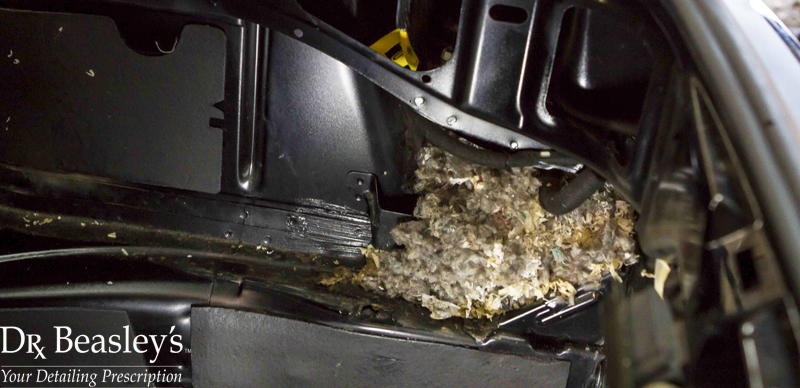
Image Source: www.drbeasleys.com
Pinpointing the Source of the Smell
The first step in locating dead animal in your car is to identify where the smell is strongest. This will give you a starting point for your search.
Initial Sensory Investigation
- Sniff Test: Walk around your car, both inside and out, and try to pinpoint the direction from which the foul odor is most potent. Sometimes, the smell is more pronounced when the car has been recently driven or is still warm.
- Ventilation Check: Pay close attention to your car’s ventilation system. If the mouse has died near or within the vent system cleaning areas, the smell can be circulated throughout the cabin, making it seem omnipresent.
Common Hiding Spots for Rodents
Rodents are clever and often seek out dark, enclosed spaces for shelter. Knowing these common spots can significantly narrow down your search.
Under the Hood
The engine compartment is a prime target for rodents seeking warmth and protection.
- Engine Bay: Look carefully around the engine block, near hoses, wiring, and air filters. Rodents can squeeze into surprisingly small spaces.
- Wheel Wells: Check the areas around your tires and the inner fender liners.
- Bumper Areas: Rodents might find their way into spaces behind bumpers.
Inside the Cabin
The interior of your car offers numerous nooks and crannies where a small creature can hide.
- Under Seats: Thoroughly check the floorboards beneath all seats, including the driver’s, passenger’s, and rear seats. Move the seats forward and backward to access all possible areas.
- Seat Crevices: Rodents can get lodged in the seams and crevices of the seats themselves.
- Dashboard and Glove Compartment: While less common, a mouse could potentially find its way into the dashboard cavity or glove box.
- Center Console: The area around the gear shift and center console often has hidden compartments.
- Door Panels: Although difficult to access, check the edges of door panels, especially if there’s any sign of rodent damage to the interior.
- Under Floor Mats: Always lift floor mats, as the area beneath them can be a common hiding place.
Trunk and Cargo Area
The trunk is another enclosed space that can attract rodents.
- Spare Tire Well: This is a very common hiding spot. Lift the carpet or mat and check around the spare tire.
- Under Carpet: The entire floor of the trunk, including the edges, should be inspected.
- Side Compartments: Many trunks have side compartments or storage areas; check these thoroughly.
Undercarriage
Don’t forget to inspect the underside of your vehicle, as a rodent could have died there and the smell might be wafting up.
- Undercarriage Inspection: Get down on your hands and knees and look for any obvious obstructions or nests. Areas around the exhaust system, fuel tank, and suspension components are potential spots.
- Wheel Wells (Again): A more thorough check of the wheel wells from the outside can also be beneficial.
Tools and Techniques for Locating the Deceased Rodent
Having the right tools and employing specific techniques will make your search more efficient and effective.
Essential Tools for Your Search
- Flashlight: A bright, reliable flashlight is crucial for peering into dark crevices.
- Gloves: Wear sturdy gloves, preferably disposable ones, to protect yourself from potential contamination.
- Mask: A mask can help filter the unpleasant odor.
- Mirror (Optional): A small, flexible mirror can help you see into tight, difficult-to-reach spots.
- Cardboard or Newspaper: To place removed items on and to help absorb any residue.
- Trash Bags: Heavy-duty trash bags for safe disposal.
- Carpet Cleaner/Odor Neutralizer: For post-removal cleanup.
Step-by-Step Search Procedure
- Prepare Your Workspace: Park your car in a well-lit area, preferably outdoors. Open all doors and the trunk to allow for ventilation.
- Systematic Interior Sweep: Begin your search inside the car. Work from front to back, left to right, methodically checking each area mentioned above.
- Focus on Clues: Look for signs of mouse droppings. These small, dark pellets are a clear indicator of rodent activity. Their presence can help guide you to the general area where a mouse might be hiding or may have died.
- Inspect Hidden Cavities: Use your flashlight and mirror to look into every nook and cranny. Don’t overlook areas like the space behind the dashboard or inside door panels if you can access them.
- Explore the Engine Compartment: With the engine cool, carefully examine the engine bay. Check all the spots mentioned earlier. Be cautious of hot components if the car was recently driven.
- Undercarriage Examination: If the smell persists and you haven’t found anything, it’s time for an undercarriage inspection. Use your flashlight to look for anything unusual lodged underneath the car.
Dealing with the Discovery and Its Aftermath
Once you locate the deceased rodent, the task isn’t over. Proper removal and cleanup are essential for foul odor removal and to prevent future rodent infestation.
Safe Removal and Disposal
- Gloves and Mask: Always wear gloves and a mask during removal.
- Containment: Carefully place the deceased mouse into a sturdy trash bag. Double-bag it for extra security and to contain the odor.
- Seal and Dispose: Seal the bag tightly and dispose of it in an outdoor trash receptacle immediately.
Thorough Cleaning and Deodorizing
After removing the source, it’s crucial to clean the affected area and neutralize the odor.
- Locate the Exact Spot: Identify the precise area where the mouse was found.
- Remove Debris: Clean up any mouse droppings, nesting materials, or other debris. Use a damp cloth or paper towels.
- Disinfection: Clean the affected surfaces with a disinfectant. An enzymatic cleaner is particularly effective at breaking down organic matter and eliminating odors.
- Vent System Cleaning: If the smell was circulating through the vents, consider a thorough vent system cleaning. You can use specialized car vent cleaners or professional services for this.
- Odor Absorbers: Place odor absorbers like baking soda, activated charcoal, or commercial odor neutralizers in your car to help absorb any lingering smells. Leave them in the car for a few days with the windows slightly cracked, if possible.
- Air Out the Car: Whenever possible, leave your car doors and windows open in a safe location to air out the interior.
Preventing Future Rodent Infestations
A single rodent sighting or smell can be a precursor to a larger problem. Taking preventative measures is key to avoiding a recurring rodent infestation.
Securing Your Vehicle
- Parking Location: Avoid parking your car near garbage cans, dense brush, or other areas that might attract rodents. If you have a garage, ensure it’s sealed to prevent entry.
- Seal Potential Entry Points: Inspect your car for any small holes or gaps that rodents could exploit. Pay attention to areas where wires or hoses enter the cabin. While difficult to seal completely, you can minimize access.
Eliminating Attractants
- Food Storage: Never leave food or food wrappers in your car. Even small crumbs can attract rodents. Keep your car interior clean of any food debris.
- Cleanliness: Regularly vacuum your car’s interior to remove crumbs and other potential food sources.
Deterrents
- Peppermint Oil: Rodents dislike strong scents. Soak cotton balls in peppermint oil and place them in areas where rodents might enter or hide, such as under seats or in the trunk. Reapply the oil as needed.
- Commercial Repellents: There are ultrasonic repellents and scent-based deterrents available that can be effective in discouraging rodents from entering your vehicle.
When to Call the Professionals
Sometimes, the problem can be more extensive than a single deceased rodent, or you might be uncomfortable dealing with the situation yourself.
Signs of a Larger Infestation
- Abundant Mouse Droppings: If you find a significant amount of mouse droppings in multiple locations.
- Nesting Materials: Seeing shredded paper, fabric, or other materials used for nests.
- Chewing and Rodent Damage: Evidence of gnawing on wires, upholstery, or plastic components. This is a sign of significant rodent damage that could affect your car’s electrical system.
- Persistent Odor: If the smell doesn’t dissipate after thorough cleaning.
Professional Pest Control Car Services
If you suspect a rodent infestation or are unable to locate the source, it’s best to contact a professional pest control car service. They have the expertise and tools to:
- Thorough Inspection: Conduct a comprehensive inspection to identify all areas of infestation.
- Effective Removal: Safely and effectively remove rodents and their nests.
- Odor Neutralization: Employ specialized techniques for complete foul odor removal.
- Damage Assessment: Identify and advise on any rodent damage that needs repair.
- Prevention Strategies: Implement long-term solutions to prevent future infestations.
Frequently Asked Questions (FAQ)
Q1: How long does a dead mouse smell last in a car?
A1: The duration of the smell depends on the size of the mouse, the location where it died, and the ventilation in your car. It can last anywhere from a few days to several weeks if not properly removed and cleaned.
Q2: Can a dead mouse cause health problems?
A2: Yes, decomposing animals can harbor bacteria and pathogens. It’s important to wear gloves and a mask when handling a dead rodent and to disinfect the area thoroughly.
Q3: What if I can’t find the mouse but the smell is still there?
A3: If you’ve searched thoroughly and can’t locate the source, the mouse might be in a very inaccessible area or the smell might be lingering in the upholstery or vent system cleaning components. Professional help may be needed.
Q4: Are there any specific products for cleaning rodent droppings?
A4: Yes, enzymatic cleaners are highly recommended for cleaning mouse droppings and neutralizing odors. Be sure to follow the product’s instructions carefully.
Q5: Should I worry about rodent damage if I find a dead mouse?
A5: It’s a good idea to inspect your car for signs of chewing on wires or other components, as this indicates potential rodent damage that could compromise your car’s functionality and safety. If you find such damage, it’s best to have it inspected by a mechanic.
Q6: How do I know if I have a rodent infestation?
A6: Signs of a rodent infestation include finding multiple instances of mouse droppings, evidence of nesting, chewing, and a persistent foul odor. If you notice these signs, it’s time to consider professional pest control car services.
Q7: What is the best way to clean the vent system cleaning if a mouse died there?
A7: You can try using a specialized car vent cleaner spray, ensuring it reaches all parts of the system. For severe cases or if the smell persists, professional cleaning of the vent system cleaning components is recommended.
By following these detailed steps, you can effectively tackle the unpleasant task of finding and removing a deceased rodent from your car, restoring a fresh car interior smell and preventing future issues.