
Ever felt like your guitar tone is almost there, but just missing that special something? You practice your scales, you dial in your amp, but something still feels… off. It’s a common frustration for guitarists, and often, the secret weapon to unlocking that perfect sound lies in a little box you might overlook: the equalizer pedal.
Choosing the right EQ pedal can feel like navigating a maze. There are so many different types, each promising to sculpt your sound in unique ways. Do you need a graphic EQ with lots of sliders, or a more subtle parametric one? Will it muddy your tone, or make it shine? These questions can be overwhelming, and the fear of making the wrong choice can stop you from even starting.
But don’t worry! By the end of this post, you’ll understand exactly what a guitar equalizer pedal does and how it can transform your playing. We’ll break down the different types, explain the key features to look for, and even give you some tips on how to use them to get the most out of your guitar. Get ready to finally nail that tone you’ve been dreaming of!
Our Top 5 Guitar Equalizer Pedal Recommendations at a Glance
Top 5 Guitar Equalizer Pedal Detailed Reviews
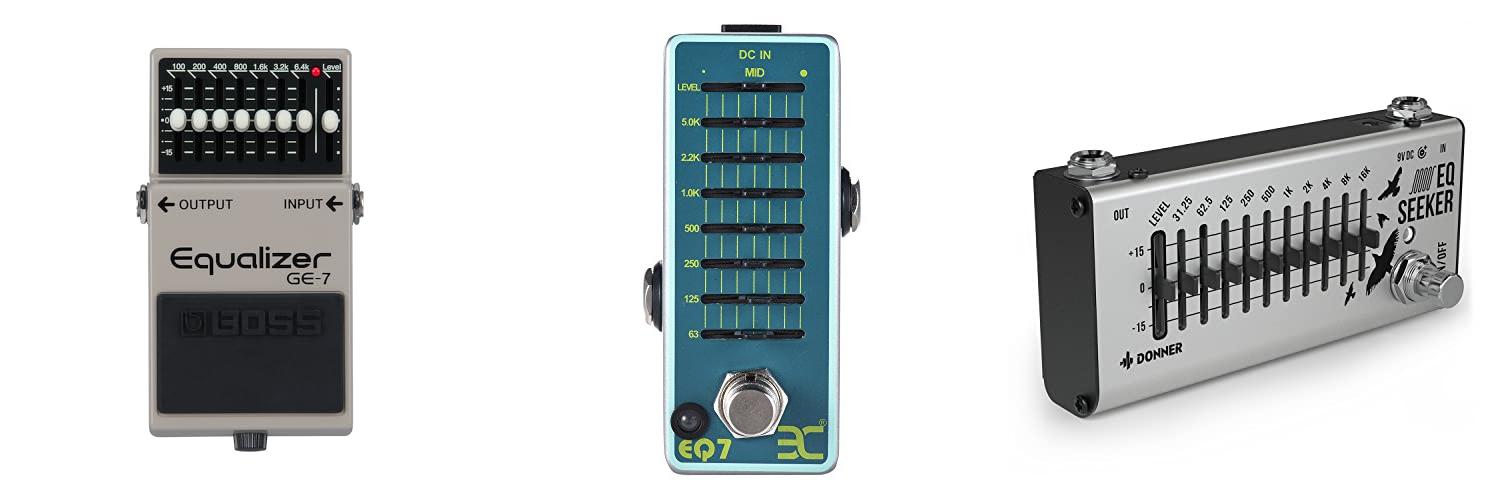
1. BOSS GE-7 Equalizer

Rating: 9.3/10
The BOSS GE-7 Equalizer is a small but mighty pedal designed specifically for guitarists. It gives you precise control over your guitar’s sound with seven different frequency sliders. You can easily shape your tone, boost certain notes, or cut out unwanted sounds. This pedal is built tough and offers a lot of sound-shaping power in a compact package.
What We Like:
- It has seven sliders to adjust different sound frequencies.
- The sliders let you boost or cut sounds by up to 15 decibels.
- It has a special slider to control the overall volume.
- The frequencies it adjusts are chosen to work best for guitars.
- It’s a compact pedal that doesn’t take up much space on your pedalboard.
- BOSS offers a five-year warranty, which is a long time.
What Could Be Improved:
- Some guitarists might want more than seven bands for even finer adjustments.
- While it’s great for guitars, it might not be the best choice for other instruments.
The BOSS GE-7 Equalizer is an excellent tool for any guitarist looking to fine-tune their sound. It’s a reliable and versatile pedal that lets you sculpt your tone with ease.
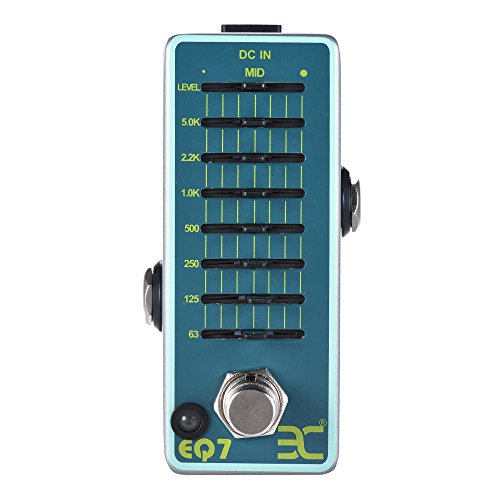
2. EX 7 Band EQ Equalizer Mini Guitar Pedal
Rating: 9.0/10
The EX 7 Band EQ Equalizer Mini Guitar Pedal is a small but mighty tool for any guitarist looking to shape their sound. It gives you detailed control over your guitar’s tone, whether you’re in the studio or on stage. This pedal helps you get the exact sound you want for your music.
What We Like:
- It offers precise 7-band EQ control, letting you boost or cut frequencies from 63Hz to 5kHz by ±15dB. This means you can easily remove unwanted muddiness or add sparkle to your highs.
- The true bypass switching keeps your guitar’s original sound pure when the pedal is off. It also has great noise-free performance, even at loud volumes.
- Its compact size makes it perfect for crowded pedalboards, and the tough metal casing can handle a lot of use.
- It’s super easy to use – just plug it in and go. It runs on a standard 9V DC adapter and has a very low power draw, which is good for batteries and daisy-chaining.
- A dedicated LEVEL knob lets you control your overall output, which is great for solos or balancing your sound.
What Could Be Improved:
- The 9V DC adapter is not included, so you’ll need to buy that separately.
- While the customer service is readily available, it’s always good to see a clear warranty statement.
This pedal is a fantastic option for guitarists who need fine-tuned control over their tone in a compact and durable package. It’s a simple yet effective way to elevate your guitar sound.
3. Donner EQ Pedal

Rating: 9.0/10
The Donner EQ Pedal, EQ Seeker, is a powerful 10-band equalizer that helps you shape your guitar and bass sound. Its small size makes it fit easily on any pedalboard. This pedal works well for all kinds of music. Donner built it with good parts to make sure it sounds great and lasts a long time on the road.
What We Like:
- It has a compact size, making it easy to carry and fit on your pedalboard.
- The 10 bands let you control your sound in many ways, perfect for any instrument.
- You can boost or cut each sound level by 15 dB, giving you lots of control.
- The pedal is made of strong aluminum, so it can handle being used a lot.
- It uses true bypass, which means your original sound stays clear and strong when the pedal is on or off. You won’t hear extra noise.
What Could Be Improved:
- The power adapter does not come with the pedal, so you need to buy one separately.
This Donner EQ Seeker pedal offers fantastic sound control in a tough, small package. It’s a solid choice for musicians looking to fine-tune their tone.
4. STRICH EQ Pedal for Electric Guitar

Rating: 8.7/10
The STRICH TEN BAND EQ pedal is a powerful tool for any guitarist or bassist looking to shape their sound. This 10-band equalizer lets you fine-tune your tone with precision. Its strong aluminum alloy body means it can handle life on the road. You can adjust ten different frequency bands, from the lowest lows to the highest highs, to get the exact sound you want.
What We Like:
- Built tough with a strong aluminum alloy body.
- Ten frequency bands give you lots of control over your sound.
- Each band can boost or cut by 12dB, offering wide adjustment options.
- It’s small and light, making it easy to carry around.
- True bypass design keeps your guitar’s original sound clean and clear.
- Works well with both electric guitars and basses.
What Could Be Improved:
- You’ll need to buy a 9V power adapter separately.
This pedal offers serious tone-shaping capabilities in a sturdy, portable package. It’s an excellent choice for musicians who demand control over their sound.
5. JOYO 6-Band EQ Pedal Electric Guitar Equalizer (100Hz 200Hz 400Hz 800Hz 1.6kHz 3.2kHz) Provides ±18dB for Each Band (JF-11)

Rating: 8.8/10
The JOYO 6-Band EQ Pedal (JF-11) is a powerful tool for any guitarist looking to fine-tune their sound. This pedal lets you shape your guitar’s signal with six different frequency bands, each adjustable by ±18dB. You can boost or cut highs for clearer solos, beef up the mids to cut through a band, or clean up muddy lows. It’s a simple yet effective way to get the exact tone you want.
What We Like:
- Offers precise control over your guitar’s tone with six adjustable frequency bands.
- Each band provides a wide ±18dB range for extensive sound shaping.
- Helps you achieve specific sounds, like more articulation with overdrive or a fuller sound in a mix.
- Features True Bypass, which means your original guitar tone remains clean when the pedal is off.
- Built with a strong aluminum-alloy housing and a classic finish, making it durable.
- JOYO is a well-known brand with a good reputation for making affordable and reliable guitar gear.
What Could Be Improved:
- To get the best performance and avoid noise, you’ll need to buy a separate JOYO power adapter and audio cable.
This JOYO EQ pedal is an excellent and affordable way to sculpt your guitar’s sound. It’s a valuable addition for any guitarist seeking more tonal flexibility.
Your Guide to Finding the Best Guitar Equalizer Pedal
A guitar equalizer pedal, or EQ pedal, is a powerful tool for guitarists. It lets you shape your guitar’s tone. You can boost or cut certain frequencies. This changes how your guitar sounds. Think of it like adjusting the bass and treble on your stereo. An EQ pedal gives you even more control. This guide helps you pick the right one.
Key Features to Look For
When you shop for an EQ pedal, check for these important things:
- Number of Bands: This tells you how many sliders or knobs you have to adjust different sound frequencies. More bands mean more control. Some have 5 bands, others have 10 or more.
- Frequency Range: This shows the lowest and highest notes your pedal can affect. A wider range usually gives you more options.
- Boost/Cut Amount: This is how much you can make a frequency louder (boost) or quieter (cut). Look for pedals with a good amount of boost and cut.
- True Bypass: This is important. When the pedal is off, it doesn’t change your guitar’s original sound. Your signal goes straight through.
- Noise Floor: This refers to how much unwanted hiss or hum the pedal adds. A good EQ pedal has a low noise floor.
Important Materials
The way a pedal is built matters. Good materials make it last longer and work better.
- Chassis: Most good pedals have a metal casing. Aluminum is common. Metal cases protect the electronics inside from bumps and drops. Plastic cases are usually cheaper but less durable.
- Components: High-quality electronic parts inside the pedal lead to better sound. This can be hard for beginners to judge, but reviews often mention it.
Factors That Improve or Reduce Quality
Several things make an EQ pedal great or not so great.
- Sound Quality: The best pedals sound clear and natural. They don’t make your guitar sound thin or muddy. Good EQ pedals let you make subtle changes that sound good.
- Ease of Use: Pedals with clear labels and easy-to-reach knobs are better. You want to make quick adjustments on stage.
- Durability: A pedal that can handle being on the road and stomped on is a good investment. Metal casings help with this.
- Power Options: Most pedals need power. Some run on batteries, others need a power adapter. Check what the pedal needs.
User Experience and Use Cases
How you use an EQ pedal depends on what you want to achieve.
- Taming Harsh Frequencies: Sometimes a guitar can sound too bright or shrill. An EQ pedal can cut those annoying high frequencies.
- Adding Warmth: You can boost lower frequencies to make your guitar sound warmer and fuller.
- Boosting for Solos: Many guitarists use an EQ pedal to boost their volume for lead guitar parts. You can increase the overall level or boost specific frequencies to make your solo cut through the mix.
- Shaping Tone for Different Amps: Every amplifier sounds different. An EQ pedal helps you get a consistent tone across various amps. You can dial in your perfect sound.
- Foot Switch: A sturdy foot switch is important for turning the pedal on and off during a performance.
Choosing an EQ pedal can seem tricky at first. But by looking at these features, materials, and how you plan to use it, you can find a pedal that makes your guitar sound amazing.
Frequently Asked Questions (FAQ)
Q: What is an EQ pedal?
A: An EQ pedal lets you change the tone of your guitar by boosting or cutting different sound frequencies.
Q: How many bands should my EQ pedal have?
A: More bands give you more control. Five or ten bands are common and offer good flexibility.
Q: What does “True Bypass” mean?
A: True bypass means the pedal doesn’t affect your guitar’s sound when it’s turned off.
Q: What is a noise floor?
A: The noise floor is the amount of unwanted hiss or hum a pedal adds to your signal.
Q: Should I get a metal or plastic EQ pedal?
A: Metal pedals are more durable and protect the electronics better than plastic ones.
Q: Can an EQ pedal make my guitar sound louder?
A: Yes, you can use it to boost frequencies or the overall volume for solos.
Q: What are frequencies?
A: Frequencies are different pitches of sound, from low bass notes to high treble notes.
Q: How do I know if an EQ pedal is good quality?
A: Look for clear sound, durable construction, and good reviews from other guitarists.
Q: Can I use an EQ pedal with any guitar?
A: Yes, EQ pedals work with most electric guitars.
Q: Where do I put an EQ pedal in my effects chain?
A: Many guitarists put it after distortion pedals to shape the distorted tone, or at the end to boost the overall signal.
In conclusion, every product has unique features and benefits. We hope this review helps you decide if it meets your needs. An informed choice ensures the best experience.
If you have any questions or feedback, please share them in the comments. Your input helps everyone. Thank you for reading.