
Image Source: qualityautoglasstint.com
Can You Go To Car Wash After Tinting Windows Safely?
Yes, you can go to a car wash after tinting your windows, but only after a specific waiting period and by using the right methods. Going too soon or using harsh car wash techniques can damage your new window tint.
Getting your car windows tinted is a fantastic way to improve your vehicle’s look, comfort, and security. But after investing time and money into auto window tinting, you’ll want to ensure its longevity. A common question that arises is about car wash after tinting: when can you safely take your newly tinted car for a wash, and what precautions should you take? This article will provide an in-depth guide to tinting aftercare, specifically addressing your concerns about washing your car.
How Long Wait Car Wash After Tint?
The most critical factor when considering a car wash after tinting is time. Most tint shops will advise a waiting period before exposing the new tint to water. This is because the adhesive used to bond the tint film to the glass needs time to cure fully. While the tint may look dry to the touch, the adhesive is still setting.
- General Waiting Period: The standard recommendation from most tint shop advice is to wait at least 24 to 72 hours after tinting car windows. Some shops might extend this to a full week (7 days) to be extra cautious, especially in humid or cooler climates where curing can take longer.
- Why the Wait? During the curing process, tiny water droplets are squeezed out from under the film. If you wash the car too early, you risk pushing water back under the edges of the tint, which can cause bubbling, peeling, or the adhesive to weaken.
Car Wash Safety Tint: What to Avoid
When you finally take your car for a wash, it’s not just about the timing; it’s also about car wash safety tint. Not all car washes are created equal, and some can pose risks to your new window tint.
High-Pressure Washing
- The Danger: High-pressure washers, often found in automatic car washes, can force water and cleaning solutions under the edges of the window tint film. This can lead to lifting, peeling, or delamination of the tint. The force can also potentially dislodge the film if it hasn’t fully adhered yet.
- Tint Shop Advice: Always ask the car wash attendant if they use high-pressure washers directly on the window seals and edges. If they do, it’s best to avoid that particular car wash until your tint has fully cured for a longer period.
Aggressive Brushes and Waxes
- The Danger: Some automatic car washes use harsh brushes or abrasive cleaning pads that can scratch the tint film. Certain waxes, especially those containing ammonia or alcohol-based solvents, can also damage the tint’s surface and its adhesive.
- Tint Shop Advice: Opt for touchless car washes whenever possible. If you must use a car wash with brushes, ensure they are soft and well-maintained. Avoid any car washes that apply wax directly to the windows as part of their standard wash cycle.
Cleaning Around the Edges
- The Danger: Even at a hand wash, if the person washing is too vigorous around the edges of the windows where the tint meets the rubber seals, they can inadvertently lift the tint.
- Tint Shop Advice: Gently clean around the edges. Avoid scrubbing or using sharp tools near the tint line.
Safe Washing Methods for Tinted Windows
To ensure the longevity and appearance of your auto window tinting, following safe washing practices is paramount. This applies both to professional washes and DIY cleaning.
Hand Washing: The Safest Option
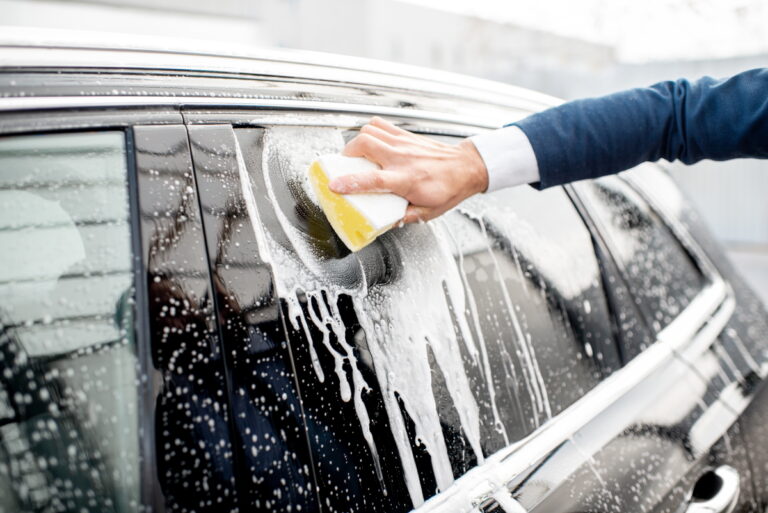
Hand washing is by far the safest way to clean your car after window tinting. This method allows you to control the pressure and the cleaning agents used.
- Steps for Safe Hand Washing:
- Wait: Adhere to the recommended waiting period (24-72 hours, ideally longer).
- Rinse: Gently rinse the windows with low-pressure water to remove loose dirt.
- Gentle Soap: Use a mild, pH-neutral car soap. Avoid soaps with harsh chemicals, ammonia, or alcohol.
- Soft Cloths: Use a soft microfiber wash mitt or sponge.
- Gentle Wiping: Wash the windows with a light touch. Do not scrub aggressively.
- Rinse Thoroughly: Rinse all soap residue off the windows.
- Drying: Use a clean, soft microfiber drying towel. Avoid paper towels, as they can leave lint and may scratch the film.
Touchless Automatic Car Washes
If you’re short on time, a touchless automatic car wash can be a viable option, but only after the recommended waiting period.
- Considerations:
- High Pressure Warning: Be aware that even touchless washes use high-pressure water jets. Ensure these are not directed with extreme force at the window edges and seals.
- Chemicals: Some touchless washes use stronger detergents. If you’re unsure about the chemicals used, it’s best to stick with hand washing.
What About Cleaning the Inside of Tinted Windows?
Cleaning the interior of your windows is just as important as the exterior, and special care is needed here too.
- Avoid Ammonia-Based Cleaners: Never use ammonia-based glass cleaners (like Windex) on tinted windows. Ammonia can break down the adhesive and damage the tint film itself, leading to cloudiness or peeling.
- Use Tint-Safe Cleaners: Opt for glass cleaners specifically labeled as “tint safe” or “ammonia-free.”
- Microfiber Towels: Use clean, soft microfiber cloths for cleaning the interior.
- Gentle Pressure: Wipe gently. Avoid using excessive pressure, especially around the edges.
- When to Clean: You can typically clean the inside of your windows a few days after tinting, once the initial curing is well underway. However, avoid aggressive scrubbing for the first week or two.
The Science Behind Tint Curing
To truly grasp car wash safety tint, it’s helpful to understand a bit about the tinting installation guide and the curing process. Window tint film is applied using a special adhesive that is activated by water and pressure (squeegeeing).
- Application: The installer meticulously cuts the film to fit your windows and applies it using a solution (usually water with a mild soap).
- Squeegeeing: The installer then uses specialized squeegees to remove as much water as possible from between the film and the glass. This step is crucial for a clean, bubble-free installation.
- Curing: Even after the bulk of the water is removed, microscopic water pockets remain. The tint film is semi-porous, allowing this residual moisture to evaporate over time. This gradual evaporation process is the “curing” period. During this time, the adhesive fully bonds to the glass, and the tint becomes stable.
- Impact of Water: If external water (from a car wash) is introduced before the tint has fully cured, it can disrupt this evaporation process. It might push trapped moisture back into the adhesive layer, compromising the bond and potentially causing the tint to peel or bubble.
Why Waiting is Crucial: A Deeper Look
Let’s delve deeper into why that waiting period is so important for your tinting car windows.
Residual Moisture Evaporation
- The adhesive used in window tint films is designed to bond as water evaporates. This is a slow, steady process.
- During the initial hours and days, the tint film may appear perfectly adhered. However, this is a surface-level bond. The true strength comes from the complete evaporation of moisture.
- Introducing more water, especially under pressure, can re-emulsify the adhesive or trap new moisture, undoing the progress made during the initial curing.
Adhesive Strength Development
- Adhesives gain their full strength over time. Think of it like glue – it sets quickly but takes longer to reach maximum bond strength.
- The initial tackiness is enough to hold the film in place against gravity and gentle forces. However, the long-term durability depends on the adhesive fully curing and forming a robust bond.
- Washing too soon can stress the adhesive before it has reached its optimal strength, leading to premature failure.
Environmental Factors Affecting Curing
The speed at which your tint cures can be influenced by several environmental factors:
- Temperature: Warmer temperatures generally accelerate the curing process, as they promote faster evaporation. Colder temperatures can significantly slow it down.
- Humidity: High humidity can impede evaporation, meaning the tint may take longer to cure in damp conditions.
- Sunlight: Direct sunlight can help speed up the curing process by warming the glass and film, aiding evaporation. However, excessive direct heat immediately after tinting (before any curing has begun) might be problematic for some films.
Common Mistakes to Avoid with Newly Tinted Windows
Beyond the car wash, several other common mistakes can compromise your new tint.
- Rolling Windows Down: Resist the urge to roll your windows down for at least 24-48 hours, even if the tint shop doesn’t explicitly mention it. This prevents the edges from being bumped or creased, which can cause lifting.
- Peeling or Picking at Edges: If you notice a small edge that seems loose, resist the temptation to pick at it. This can often make the problem worse. Contact your tint shop instead.
- Using Abrasive Cleaners: As mentioned, avoid ammonia and alcohol-based cleaners. Stick to tint-safe products.
- Using Hard Tools: Never use razor blades, scrapers, or stiff brushes on your tinted windows, even for removing stickers or grime.
- Applying Window Decals: Wait at least a week or two before applying any stickers or decals to your tinted windows.
What If Bubbles Appear?
It’s not uncommon to see very small, fine lines or tiny dots under the tint in the first few days. These are usually trapped water or air pockets that will eventually disappear as the tint cures and the moisture evaporates.
However, if you notice larger, distinct bubbles or significant peeling, it’s a sign that something went wrong during installation or that you washed the car too soon.
- Contact Your Tint Shop: If you see large bubbles or peeling, contact the tint shop immediately. Reputable shops offer warranties and can often fix or reapply the tint if there was an installation defect or if you followed their aftercare instructions.
Tinting Installation Guide: Key Takeaways
A good tinting installation guide would emphasize the importance of proper preparation and post-installation care.
- Professional Installation: For the best results and longevity, always opt for professional installation. Experienced installers have the right tools, materials, and techniques to ensure a perfect application.
- Clear Aftercare Instructions: Always ask your installer for specific aftercare instructions. They know the specific products and methods they use and can provide the most accurate advice.
- Patience is Key: The curing process requires patience. Trusting the waiting period will save you from potential headaches and costly repairs down the line.
Table: Car Wash Recommendations After Tinting
| Car Wash Type | Safety Level | When to Use (After Tinting) | Precautions |
|---|---|---|---|
| Hand Wash (DIY) | Highest | 24-72 hours minimum | Use mild soap, soft cloths, low pressure. Avoid scrubbing edges. |
| Touchless Automatic | Medium | 72 hours to 1 week minimum | Ensure no high-pressure jets directly on window edges. Be aware of harsh chemicals. |
| Automatic with Brushes | Low | Avoid until fully cured (1-2 weeks+) | High risk of scratching tint. If used, ensure brushes are soft and minimal contact with window edges. |
| Self-Serve Bay | Medium | 24-72 hours minimum | Use the lowest pressure setting possible. Be cautious around window seals. Avoid using the scrub brushes provided. |
Frequency Asked Questions (FAQ)
Q1: How soon can I use a squeegee on my tinted windows?
A1: It’s best to avoid using any squeegees, even on the inside, for at least a week. The film needs time to adhere properly.
Q2: Can I park my car outside after tinting?
A2: Yes, you can park your car outside. In fact, some sunlight can help the curing process. Just be mindful of any environmental factors that might affect the windows, like dust or debris.
Q3: What if I accidentally use an ammonia-based cleaner on my new tint?
A3: If you’ve used an ammonia-based cleaner very briefly and minimally, you might get away with it. However, if you notice any cloudiness, haziness, or the edges lifting, contact your tint shop immediately. It’s best to avoid it altogether.
Q4: My installer told me I can wash my car after 24 hours. Is that okay?
A4: While some installers might give a shorter timeframe, it’s generally safer to err on the side of caution and wait at least 48-72 hours. If you do wash after 24 hours, use extreme caution with the lowest possible water pressure and avoid touching the window edges. Always follow your specific installer’s advice, but be aware of the general risks.
Q5: Can I wax my car after tinting?
A5: It’s advisable to wait at least 1-2 weeks before waxing your entire car. When you do wax, avoid getting wax on the tinted windows, as some waxes can be abrasive or leave residue on the tint film.
In conclusion, while the immediate urge might be to get your car sparkling clean after tinting car windows, patience and careful consideration of car wash safety tint are crucial. By respecting the curing time and choosing gentle washing methods, you can ensure your auto window tinting remains beautiful and functional for years to come, making the initial wait a small price to pay for long-term satisfaction. Always refer to your tint shop advice for the most precise guidelines for your specific tinting installation.