
Ever cranked up your favorite rock anthem, only to feel like something is missing? That gut-punching bass isn’t quite there, or the guitars sound a little muddy instead of sharp and clear. You’re not alone. Finding the perfect equalizer settings for rock music can feel like searching for a needle in a haystack. There are so many knobs and sliders, and what sounds good for one song might not work for another.
This is where your equalizer (EQ) comes in. It’s your secret weapon to unlock that powerful, driving sound that makes rock music so exciting. But knowing how to use it effectively can be tricky. Do you boost the bass? Cut the treble? What does all of that even mean for your headphones or speakers?
In this post, we’ll break down the mystery of EQ for rock. We’ll show you how to make your music sound bigger, punchier, and more exciting, just like the artists intended. Get ready to transform your listening experience and finally hear every detail of your favorite rock tracks.
Our Top 5 Equalizer Settings For Rock Recommendations at a Glance
Top 5 Equalizer Settings For Rock Detailed Reviews
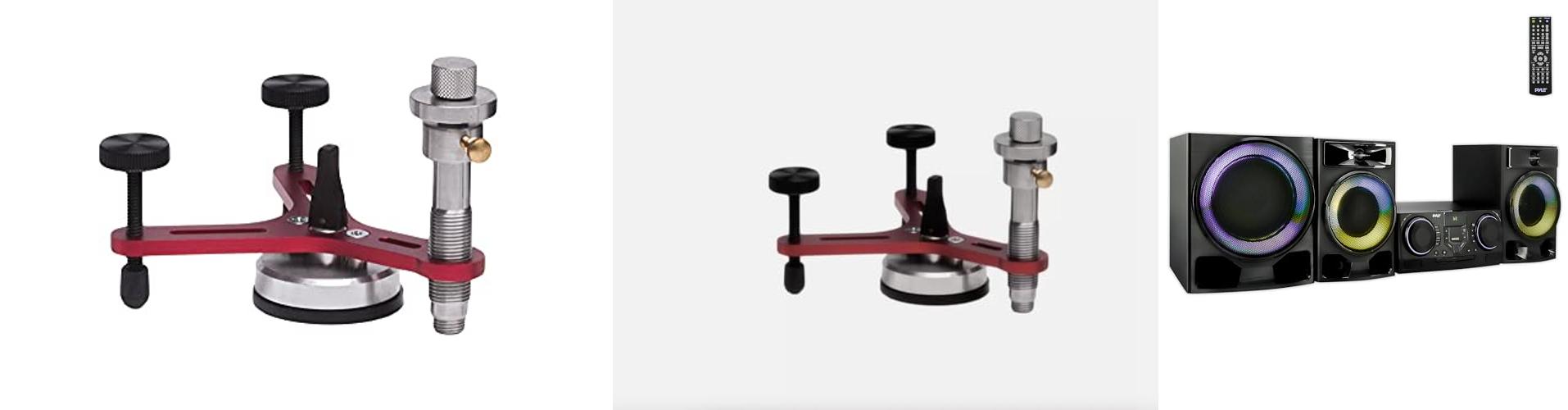
1. Equalizer Industries Equalizer Rock Star Bridge & Injector – Windshield Repair kit

Rating: 9.4/10
This Equalizer Industries Equalizer Rock Star Bridge & Injector is a handy addition for anyone who already has the Equalizer Rock Star Repair System. It lets you tackle more than one windshield chip at a time, saving you time and effort. It’s built tough and designed to make the repair process smoother.
What We Like:
- You can fix multiple chips at once.
- The injector quickly switches between vacuum and pressure.
- Filling the injector with resin is super easy – just pull out the plunger rod.
- The injector is made of strong stainless steel.
- The bridge is built to last and simple to clean.
- It fits all kinds of windshields because it’s universal.
What Could Be Improved:
- This is an extra part for an existing system, so it’s not a complete kit on its own.
- The instructions for the multi-repair setup might be a little tricky for absolute beginners.
This Bridge & Injector makes windshield repairs more efficient. It’s a smart buy for those looking to speed up their repair work.
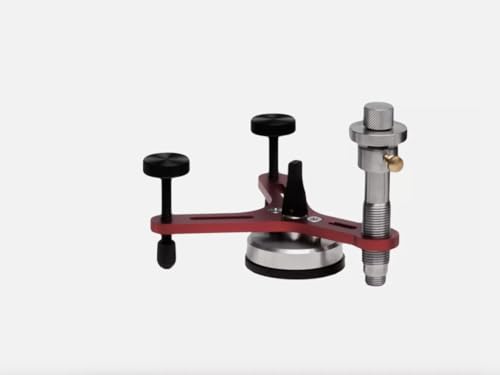
2. Equalizer® Rock Star® Bridge & Injector – Durable and Easy to Clean
Rating: 9.0/10
Boost your auto glass repair game with the Equalizer® Rock Star® Bridge & Injector. If you’re already a proud owner of the Equalizer Rock Star Repair System, this extra Bridge & Injector Assembly is a game-changer. It lets you work on multiple repairs at the same time. This means you get more done, faster!
What We Like:
- Work Smarter, Not Harder: Having an extra unit lets you tackle more repairs at once. This makes you more efficient and productive.
- Smart Vacuum/Pressure Design: The injector easily switches between vacuum and pressure. This ensures every repair is done right and effectively.
- Built to Last: The injector is made of solid stainless steel. It’s strong and will last for a long time.
- Tough and Simple to Clean: The bridge can handle daily use. Cleaning it is a breeze, so it always stays in top shape.
- Maximize Your System: This extra part makes your Equalizer Rock Star Repair System even more useful. It’s a smart buy for anyone in the auto glass repair business.
What Could Be Improved:
- Not a Standalone System: This is an add-on part. You need the main Equalizer Rock Star Repair System to use it.
- Learning Curve: While easy to clean, mastering the vacuum and pressure cycles might take a little practice for absolute beginners.
This Equalizer Rock Star Bridge & Injector is a fantastic upgrade for professionals. It helps you work faster and more effectively.
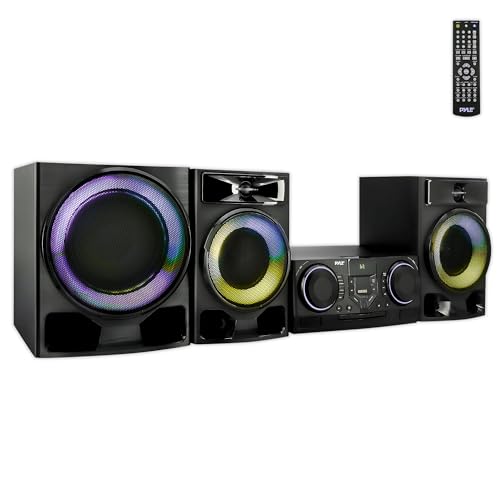
3. Pyle Mini Hi-Fi Bluetooth Stereo System – 4-Piece CD Player with Speakers
Rating: 9.4/10
The Pyle Mini Hi-Fi Bluetooth Stereo System is a compact and powerful sound solution for your home. This 4-piece system brings together a CD player, speakers, and Bluetooth connectivity to deliver a full audio experience. It’s designed to fit easily into any room without sacrificing sound quality.
What We Like:
- The sound quality is really good. It has a 160W amplifier and special speakers that make the bass deep and the sound clear. You will hear every beat clearly.
- Connecting to Bluetooth is super easy with Bluetooth 5.0. You can also use USB, AUX, or HDMI. It works with phones, laptops, and tablets for simple music streaming.
- The CD player plays CDs, MP3s, and even DVDs. You can also copy CDs straight to a USB drive. It’s a complete package for music fans.
- The remote control lets you change volume, bass, and treble from your couch. It makes using the stereo very convenient.
- The system is small, so it fits well in tight spaces. It looks modern and adds style to your room while providing great sound.
What Could Be Improved:
- While it offers great sound for its size, audiophiles seeking the absolute highest fidelity might find it slightly less detailed than much larger, more expensive systems.
- The USB recording feature is a nice addition, but the speed and format options for ripping CDs might be limited for some users.
This Pyle stereo system offers a fantastic blend of features and performance for its price. It’s a smart choice for anyone wanting to upgrade their home audio with ease and style.
Finding Your Perfect Rock Tone: A Guide to Equalizer Settings
What is an Equalizer?
An equalizer, or EQ, is like a sound sculptor for your music. It lets you boost or cut certain frequencies, which are the different pitches or tones in a sound. Think of it as adjusting the bass, mids, and treble on your stereo, but with much more control.
Why EQ is Crucial for Rock Music
Rock music thrives on power and clarity. A good EQ setup can make your guitars roar, your drums punch, and your vocals cut through the mix. It helps each instrument find its own space so they don’t sound muddy or clash.
Key Features to Look For in an Equalizer
1. Number of Bands
Equalizers have different “bands.” Each band controls a specific range of frequencies. More bands mean you have finer control. For rock, look for at least a 5-band EQ. A 10-band or even a graphic EQ with 31 bands offers the most precision.
2. Type of EQ
There are two main types: graphic and parametric. Graphic EQs have sliders for fixed frequency bands, making them easy to use. Parametric EQs let you adjust the frequency, the width of the boost/cut (Q), and the amount of boost/cut. Parametric EQs offer more advanced control.
3. Bypass Function
This feature lets you quickly switch between your EQ’d sound and the original sound. It’s essential for A/B testing and ensuring your EQ is actually improving the tone, not making it worse.
4. Low Cut/High Pass Filter
This filter removes unwanted low frequencies that can make a mix sound muddy. It’s great for cleaning up guitars and vocals in rock music.
Important Materials and Construction
While the “materials” of an EQ might not be as obvious as a guitar, robust construction matters. Look for EQs with:
- Durable metal casings: These protect the internal components.
- Solid knobs and sliders: They feel better to use and last longer.
- Quality internal components: This ensures clean sound and reliable performance.
Factors That Improve or Reduce Quality
Factors That Improve Quality:
- Precision Control: More bands and parametric control allow for detailed adjustments.
- Low Noise Floor: A good EQ adds minimal unwanted hiss or hum to your signal.
- Musicality: Some EQs are designed to sound more “musical” than others, meaning their adjustments enhance the sound naturally.
- Reliability: A well-built EQ will consistently perform well over time.
Factors That Reduce Quality:
- Limited Bands: Too few bands make it hard to target specific problem frequencies.
- Poorly Designed Frequencies: If the fixed frequencies on a graphic EQ don’t align with common musical issues, it’s less effective.
- Noisy Components: Cheap internal parts can introduce unwanted noise.
- Overly Aggressive Settings: Pushing EQ too hard can make a sound unnatural or harsh.
User Experience and Use Cases
Ease of Use:
For beginners, a simple graphic EQ is often the best starting point. Sliders are intuitive. Experienced users might prefer the deep control of a parametric EQ.
Common Rock EQ Use Cases:
- Guitar Tone: Boosting mids can make guitars cut through. Cutting some low-end can tighten them up. Adding a little treble can give them sparkle.
- Bass Guitar: Boosting the low-mids can add warmth and fullness. Cutting some high-mids can reduce muddiness.
- Drums: Boosting the “click” (around 2-5kHz) on snare drums makes them pop. Adding punch to kick drums is often done in the 60-120Hz range.
- Vocals: Cutting muddy frequencies (around 200-500Hz) and boosting clarity (around 2-5kHz) helps vocals stand out.
Frequently Asked Questions (FAQ) for Rock EQ Settings
Q: What are the main Key Features to look for?
A: Key features include the number of bands, the type of EQ (graphic or parametric), a bypass function, and a low cut/high pass filter.
Q: What materials make for a good EQ?
A: Look for durable metal casings, solid knobs and sliders, and quality internal electronic components.
Q: How does the number of bands affect EQ quality?
A: More bands provide finer control over specific frequencies, improving the precision of your sound shaping.
Q: What is the difference between graphic and parametric EQs?
A: Graphic EQs use sliders for fixed frequency bands, while parametric EQs let you adjust the frequency, width, and level of the adjustment.
Q: Why is a bypass function important?
A: A bypass function lets you quickly compare your EQ’d sound with the original, helping you make better decisions.
Q: How can I use EQ to make my guitar sound better for rock?
A: You can boost mids for cut, cut low-end for tightness, and add treble for sparkle.
Q: What is a low cut filter, and why is it useful for rock?
A: A low cut filter removes unwanted low frequencies that can make a mix sound muddy, helping to clean up the overall sound.
Q: Can EQ help my vocals cut through a rock mix?
A: Yes, by cutting muddy frequencies and boosting clarity frequencies, vocals can stand out more.
Q: How do I avoid making my EQ sound bad?
A: Avoid overly aggressive settings, and always listen carefully to ensure your adjustments are improving the sound.
Q: Is a parametric EQ always better than a graphic EQ for rock?
A: Not necessarily. Parametric EQs offer more control, but graphic EQs can be easier to use and still very effective for many rock applications.
In conclusion, every product has unique features and benefits. We hope this review helps you decide if it meets your needs. An informed choice ensures the best experience.
If you have any questions or feedback, please share them in the comments. Your input helps everyone. Thank you for reading.