
The length of physical therapy after a car accident varies greatly, but most people can expect to be in treatment for anywhere from a few weeks to several months, depending on the severity of their injuries and their individual recovery process.
Car accidents can cause a wide range of injuries, from minor whiplash to severe fractures and internal damage. The path to recovery after such an event is often complex, and physical therapy plays a crucial role in regaining strength, mobility, and function. But a common question that arises is: how long does this journey typically take? The answer isn’t straightforward, as many factors influence the rehabilitation duration and the overall recovery timeline.
This in-depth guide aims to shed light on the various aspects that contribute to the post-accident therapy length, helping you to better anticipate and navigate your own healing journey. We’ll explore the typical treatment duration, the factors that influence healing time, and what you can expect from your physical therapy schedule.
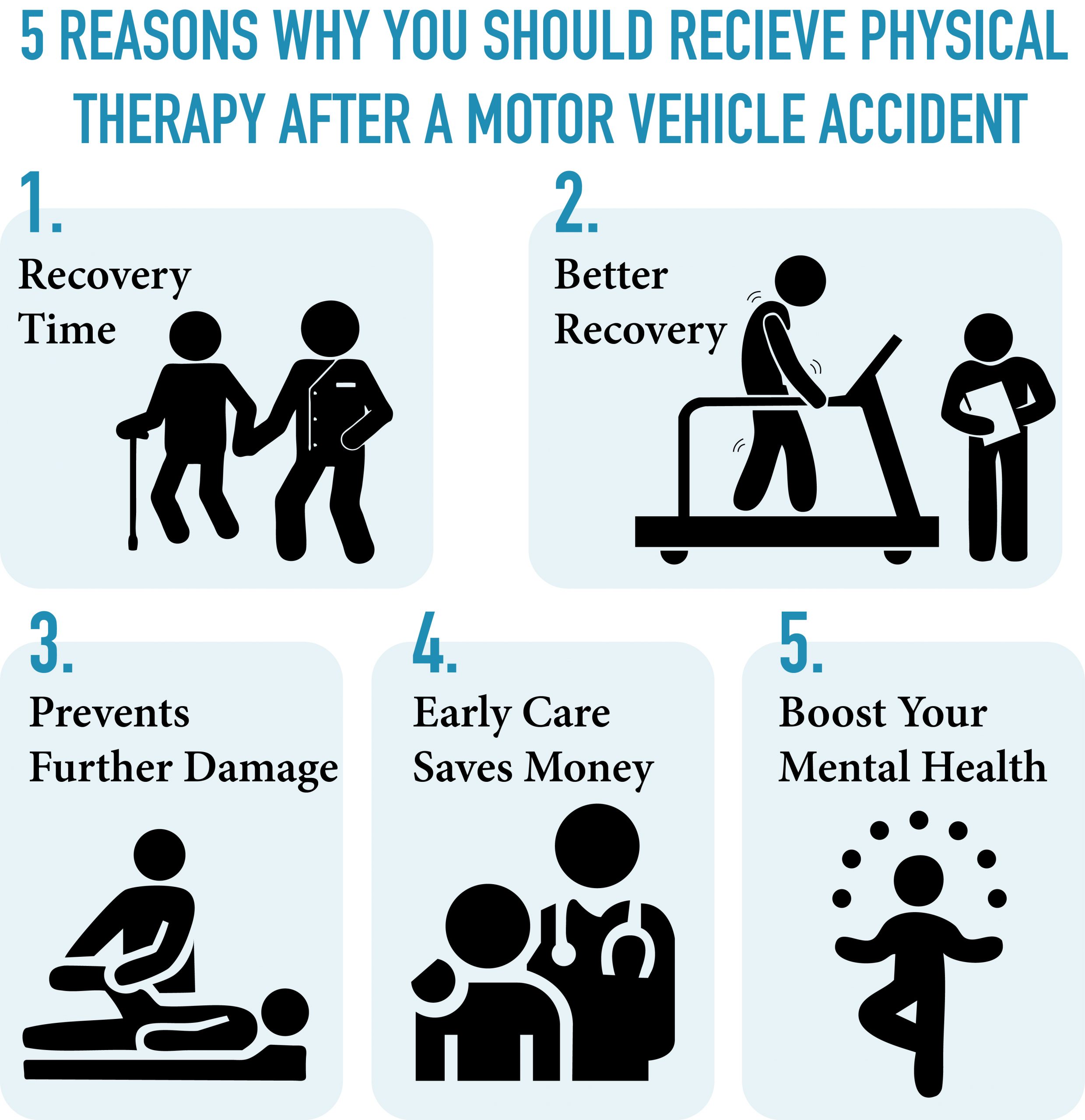
Image Source: renew-physicaltherapy.com
Deciphering Your Recovery Timeline
When you’ve been in a car accident, your body has undergone significant trauma. Even seemingly minor impacts can jolt your musculoskeletal system, leading to pain, stiffness, and restricted movement. Physical therapy is designed to address these issues systematically, guiding you back to your pre-accident state. However, pinpointing an exact timeframe for this recovery process is challenging because each person and each accident is unique.
Several key elements shape how long your rehabilitation period will last:
- Severity of Injuries: This is the most significant determinant. Minor soft tissue strains will require less intensive and shorter-term therapy than significant fractures, herniated discs, or nerve damage.
- Type of Injuries: Different injuries affect the body in distinct ways. Whiplash, for example, might respond differently to therapy than a broken limb.
- Your Overall Health: Pre-existing health conditions, your age, and your general fitness level can impact how quickly your body heals and responds to treatment.
- Adherence to Treatment Plan: Consistently attending your therapy sessions and diligently performing prescribed exercises at home is vital for a faster and more complete recovery.
- Individual Healing Rate: Everyone’s body heals at its own pace. Genetics, nutrition, and stress levels can all play a role.
- Type of Physical Therapy: The specific techniques and modalities used in your therapy will also influence the treatment duration.
Assessing Injury Severity
The initial assessment by your physical therapist is crucial for establishing a baseline and setting realistic expectations for your recovery timeline. They will conduct a thorough evaluation, which may include:
- Range of Motion Tests: Measuring how far you can move specific joints.
- Strength Testing: Assessing the power of your muscles.
- Manual Muscle Testing: Evaluating muscle strength and identifying weaknesses.
- Palpation: Feeling the muscles and tissues for tenderness or abnormalities.
- Functional Movement Screens: Observing how your body moves during everyday activities.
- Pain Assessment: Quantifying your pain levels and identifying pain triggers.
Based on this assessment, your therapist will develop a personalized treatment plan. This plan is not static; it will evolve as you progress through your rehabilitation period.
Typical Recovery Scenarios
To provide a clearer picture, let’s look at some common scenarios and their estimated treatment duration:
Mild Injuries (e.g., Whiplash, Soft Tissue Strains)
For minor injuries like whiplash or muscle strains that don’t involve significant tissue tearing or nerve involvement, the recovery process might be relatively quick.
- Estimated Therapy Length: Typically 4-8 weeks.
- Frequency of Therapy Sessions: Often 1-2 times per week.
- Focus of Treatment: Pain management, restoring normal range of motion, gentle strengthening exercises.
- Home Exercise Program: Crucial for maintaining progress between sessions.
In these cases, the time to heal can be significantly shorter. Patients often report feeling much better within a few weeks, though a full return to all activities might take a bit longer. Consistency with the prescribed physical therapy schedule is paramount here.
Moderate Injuries (e.g., Sprains, Minor Fractures, Disc Injuries)
Injuries that involve ligament sprains, hairline fractures, or early-stage disc issues will naturally require a more extensive rehabilitation duration.
- Estimated Therapy Length: Typically 8-16 weeks.
- Frequency of Therapy Sessions: Often 2-3 times per week initially, potentially decreasing as you improve.
- Focus of Treatment: Progressive strengthening, improving balance and coordination, manual therapy to address joint restrictions, education on posture and body mechanics.
- Home Exercise Program: Becomes more demanding as strength increases.
The healing time for these conditions is longer, and it’s essential to avoid rushing the process to prevent re-injury. The recovery process here involves building resilience in the injured tissues.
Severe Injuries (e.g., Significant Fractures, Nerve Damage, Spinal Cord Injuries)
Major trauma resulting in complex fractures, nerve compression or damage, or even spinal cord injuries demands a prolonged and intensive rehabilitation period.
- Estimated Therapy Length: Can range from several months to over a year.
- Frequency of Therapy Sessions: Can be daily initially, then tapering to several times a week.
- Focus of Treatment: Regaining basic functional movements, intensive strengthening, advanced proprioception and balance training, adaptive strategies for daily living, potentially pain management for chronic issues.
- Home Exercise Program: Will be highly structured and progressive.
For severe injuries, the treatment duration is not just about healing; it’s about relearning how to move and function, often with specialized equipment or techniques. The recovery process here is a marathon, not a sprint, and may involve multiple phases of therapy.
Factors Influencing Your Treatment Duration
Beyond the initial injury assessment, several other elements can significantly sway how long your physical therapy lasts. Fathoming these can help you manage expectations and actively participate in your recovery.
Adherence to Home Exercise Programs
Your physical therapist will prescribe exercises to perform at home. These are not optional extras; they are critical components of your rehabilitation duration.
- Consistency is Key: Performing exercises regularly strengthens muscles, improves flexibility, and promotes circulation, all of which expedite healing.
- Proper Technique: It’s vital to do the exercises correctly to avoid exacerbating your injury. Your therapist will guide you on proper form.
- Progression: As you get stronger, your home program will likely become more challenging.
Skipping your home exercises can stall your progress, potentially extending your treatment duration. Conversely, diligently following your program can shorten your time to heal.
Pain Management and Tolerance
Pain is a natural signal that something is wrong. However, how you manage and tolerate pain can influence your recovery timeline.
- Pain as a Guide: Your therapist will use your pain levels as a guide. Pushing too hard can cause setbacks.
- Pain Relief Modalities: Your physical therapy schedule might include modalities like heat, ice, ultrasound, or electrical stimulation to help manage pain.
- Psychological Impact: Chronic pain can have psychological effects, such as anxiety and depression, which can also influence your recovery process.
If pain is a significant barrier, communicating this openly with your therapist is essential. They can adjust your treatment plan to better manage your discomfort, which can ultimately lead to a more efficient rehabilitation period.
Patient Engagement and Motivation
Your active participation and mindset play a substantial role in your healing time.
- Setting Goals: Working with your therapist to set achievable goals can boost motivation.
- Positive Outlook: A positive attitude can significantly impact your perception of pain and your willingness to push through challenges.
- Lifestyle Factors: Factors like adequate sleep, nutrition, and stress management all contribute to your body’s ability to heal and respond to therapy.
Individuals who are actively engaged in their recovery process and maintain high levels of motivation often experience faster progress and shorter treatment duration.
Insurance Coverage and Financial Considerations
While not directly related to your physical healing, insurance coverage and financial limitations can indirectly impact the length of physical therapy.
- Coverage Limits: Some insurance plans have limits on the number of therapy sessions or the rehabilitation duration they will cover.
- Pre-authorization: Certain treatments or evaluations may require pre-authorization from your insurance provider.
- Out-of-Pocket Costs: Understanding your co-pays, deductibles, and any out-of-pocket expenses is important for planning.
It’s crucial to discuss your insurance coverage with your physical therapist’s office and your insurance provider to understand what is covered and for how long. This can help you plan your physical therapy schedule accordingly and make informed decisions about your care.
What to Expect During Your Therapy Sessions
A typical physical therapy schedule after a car accident will often involve a combination of different therapeutic approaches. The exact mix will depend on your specific injuries and your stage of recovery.
Components of a Therapy Session
- Warm-up: Gentle exercises to prepare your body for treatment, often including light cardio or stretching.
- Therapeutic Exercises: Targeted exercises to improve strength, flexibility, endurance, and balance. These might include:
- Range of Motion Exercises: To restore joint movement.
- Strengthening Exercises: Using resistance bands, weights, or bodyweight.
- Balance and Proprioception Exercises: To improve stability and body awareness.
- Functional Movement Training: Practicing movements similar to everyday activities.
- Manual Therapy: Hands-on techniques performed by the therapist to address joint restrictions, muscle tightness, and pain. This can include:
- Massage: To relax muscles and improve circulation.
- Mobilization/Manipulation: Gentle or firm pressure applied to joints to restore movement.
- Stretching: To improve flexibility.
- Modalities: Devices used to help manage pain and inflammation or promote healing. These may include:
- Heat or Cold Therapy: To reduce pain and swelling.
- Ultrasound: To promote tissue healing.
- Electrical Stimulation (TENS/NMES): To help with pain relief or muscle activation.
- Education: Your therapist will educate you on your condition, how to manage pain, proper body mechanics, and how to prevent future injuries.
- Cool-down: Gentle stretching or relaxation techniques.
The duration of each session can vary, but typically ranges from 30 to 60 minutes. The frequency and intensity will be adjusted based on your progress and how your body is responding.
The Role of Different Therapies
Physical therapists employ a variety of techniques to aid in your recovery. The specific interventions chosen will contribute to the overall treatment duration.
Common Therapeutic Interventions
- Manual Therapy: This is a cornerstone of physical therapy for many car accident injuries. Techniques like joint mobilization, soft tissue massage, and myofascial release can help alleviate pain, improve range of motion, and restore normal tissue function.
- Therapeutic Exercise: As mentioned, exercises are tailored to your specific needs. They are designed to rebuild strength, improve flexibility, enhance endurance, and restore proper movement patterns. This is a key component in determining the recovery timeline.
- Neuromuscular Re-education: This focuses on retraining the brain and muscles to work together correctly. It’s particularly important for injuries affecting balance, coordination, or posture.
- Stretching and Flexibility Training: Restoring normal flexibility is crucial, especially after injuries like whiplash, where muscles can become tight and restricted.
- Modalities: While often used for symptom relief, modalities like ultrasound or electrical stimulation can also play a role in tissue healing, potentially impacting the healing time.
The progression through these interventions forms the backbone of your physical therapy schedule.
Factors That Can Slow Down Recovery
While many factors contribute to a positive recovery process, several can unfortunately extend the rehabilitation duration.
Potential Roadblocks to Progress
- Fear of Movement (Kinesiophobia): After an accident, many individuals develop a fear of moving their injured body parts, which can lead to disuse and further stiffness.
- Poor Sleep Quality: Adequate sleep is essential for tissue repair and overall healing.
- Inadequate Nutrition: Your body needs the right nutrients to repair itself. A balanced diet is crucial.
- High Stress Levels: Chronic stress can impede the healing process.
- Re-injury: Accidentally reinjuring the affected area can set your recovery back significantly.
- Delayed Treatment: Waiting too long to start physical therapy can sometimes make recovery more challenging and prolong the treatment duration.
Being aware of these potential roadblocks can help you and your therapist proactively address them, aiming for a more efficient recovery timeline.
When is Physical Therapy Finished?
The completion of physical therapy is typically determined by achieving specific functional goals, rather than simply reaching a certain number of therapy sessions or a set treatment duration. Your therapist will assess your progress and determine when you have:
- Regained Pre-Injury Strength and Flexibility: Your muscles and joints are as strong and mobile as they were before the accident.
- Achieved Pain-Free Movement: You can perform daily activities without significant pain.
- Restored Normal Function: You can return to your work, hobbies, and daily tasks without limitations.
- Developed Strategies for Injury Prevention: You have learned how to protect yourself from future injuries.
Your therapist will work closely with you to define these benchmarks and ensure you are confident and capable of managing your health independently before discharging you from formal therapy. The goal is not just to heal, but to empower you to maintain your health long-term.
Frequently Asked Questions (FAQ)
Here are some common questions people have about physical therapy after a car accident:
Q1: Do I need a doctor’s referral to start physical therapy after a car accident?
A1: In many states, you can seek direct access to physical therapy without a physician’s referral. However, it’s always best to check your state’s regulations and your insurance provider’s policy, as requirements can vary. It is also recommended to have a medical evaluation by a physician to rule out any serious underlying conditions before starting therapy.
Q2: Can physical therapy help with chronic pain after an accident?
A2: Yes, physical therapy can be very effective in managing chronic pain after a car accident. Therapists use a variety of techniques to address the underlying causes of pain, improve function, and teach patients self-management strategies. The recovery process for chronic pain can be lengthy, but consistent therapy and adherence to home programs can lead to significant improvements.
Q3: What should I do if my pain gets worse during physical therapy?
A3: It’s crucial to communicate any increase in pain to your physical therapist immediately. There’s a difference between muscle soreness from exercise and actual pain indicating a problem. Your therapist can adjust your therapy sessions to ensure you are not overexerting yourself and can modify exercises to reduce discomfort, thereby affecting your treatment duration positively.
Q4: How can I maximize my recovery and potentially shorten my physical therapy time?
A4: The best way to maximize your recovery and potentially shorten your rehabilitation duration is to:
* Attend all scheduled therapy sessions.
* Diligently perform your home exercise program.
* Follow your therapist’s advice regarding activity modification and pain management.
* Maintain a healthy lifestyle with good nutrition and adequate sleep.
* Stay positive and engaged in your recovery process.
Q5: Will my insurance cover the full cost of physical therapy?
A5: Insurance coverage varies widely. Most insurance plans cover physical therapy for injuries sustained in car accidents, but coverage limits, co-pays, and deductibles will differ. It’s essential to review your policy or contact your insurance provider to understand your benefits and what portion of the treatment duration will be covered.
Q6: What happens after I complete my physical therapy?
A6: Upon successful completion of physical therapy, your therapist will likely provide you with a long-term exercise program to help you maintain your gains and prevent future injuries. They may also suggest periodic check-ins to monitor your progress. The goal is to equip you with the tools to manage your health independently, marking the successful end of your primary rehabilitation period.
Navigating physical therapy after a car accident is a journey. By staying informed, actively participating in your care, and communicating openly with your therapist, you can work towards a successful and timely recovery timeline. The healing time is personal, but with the right approach, you can achieve optimal outcomes and return to your life feeling stronger and healthier.